
Kilimanjaro
Hiking Routes
Explained
All 7 routes compared — Marangu, Machame, Lemosho, Rongai, Northern Circuit, Umbwe, and Shira. Find the route that matches your fitness, budget, and summit ambition.
Mount Kilimanjaro is a free-standing volcanic massif in northern Tanzania and the highest peak in Africa at 5,895 metres. It's technically a non-technical trek — no ropes, no climbing equipment — but its altitude demands respect and careful preparation.
The mountain has three volcanic cones: Kibo (the summit), Mawenzi, and Shira. The summit point is called Uhuru Peak — the highest point in Africa. You can walk from tropical rainforest to arctic glaciers in just 6 days.
Kilimanjaro has 7 official routes, each with different scenery, difficulty, duration, and success rates. Choosing the right route — especially in terms of acclimatisation days — is the single most important factor in whether you reach the summit.
The most common mistake: Booking the cheapest (shortest) route. More days on the mountain = better acclimatisation = dramatically higher summit success rate. A 5-day Marangu route has ~50% success; a 9-day Lemosho has ~90%.
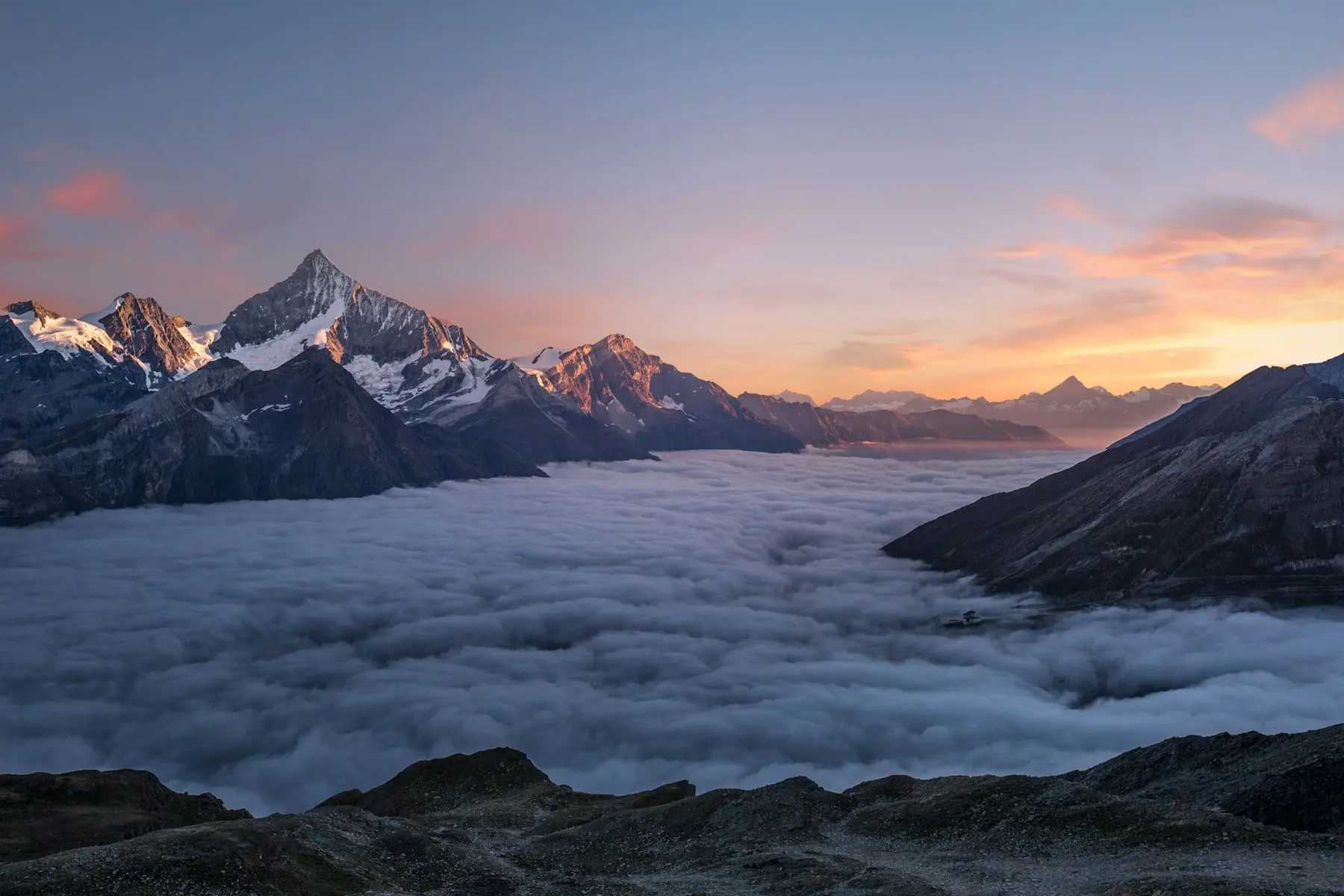
Machame Route — "The Whiskey Route"
Most popular · Best scenery · Excellent acclimatisation
The Machame Route is the most popular route on Kilimanjaro and widely considered the most scenic. It approaches from the south through dense rainforest before traversing the Shira Plateau, the iconic Barranco Wall, and the Southern Icefields. The "Whiskey Route" nickname (versus Marangu's "Coca-Cola Route") reflects its reputation as the more challenging and rewarding alternative.
The route's strength lies in its "climb high, sleep low" acclimatisation profile — you gain and lose altitude on multiple days, allowing your body to adapt gradually. This gives the 7-day version a summit success rate of 85–90%. Even the 6-day version delivers significantly better acclimatisation than the Marangu route of the same duration.
The Barranco Wall scramble on Day 4 is one of Kilimanjaro's most dramatic moments — a near-vertical 300-metre rock scramble that requires no technical skill but delivers enormous psychological reward at the top.
Machame Gate → Machame Camp
Through montane rainforest. 18 km, 5–7 hrs.
Machame Camp → Shira Camp
Moorland and heather zone. Shira Plateau views.
Shira Camp → Barranco Camp (via Lava Tower)
Acclimatisation day — climb high, sleep low. Lava Tower 4,642 m.
Barranco Camp → Karanga Camp (via Barranco Wall)
The famous scramble up the 300m Barranco Wall. Spectacular views.
Karanga Camp → Barafu Camp (High Camp)
Short day — rest and prepare for summit night.
Summit Night → Uhuru Peak → Mweka Camp
Midnight start. 5 hrs to crater rim (Stella Point), 1.5 hrs to Uhuru Peak. Descend 2,600 m to Mweka Camp.
Mweka Camp → Mweka Gate (Descent)
Final descent through rainforest. Certificate and transfer to hotel.
Route Facts
| Route | Duration | Difficulty | Success Rate | Accommodation | Best For | Cost (pp) |
|---|---|---|---|---|---|---|
| Machame | 6–7 days | Moderate-Hard | 80–90% | Tents | Most trekkers | $2,000–3,500 |
| Lemosho | 7–9 days | Moderate-Hard | 90–95% | Tents | Best overall | $2,500–4,200 |
| Marangu | 5–6 days | Moderate | 50–65% | Huts | Budget / comfort | $1,600–2,500 |
| Rongai | 6–7 days | Easy-Mod | 70–75% | Tents | Rainy season / dry | $1,900–3,000 |
| N. Circuit | 9–10 days | Moderate-Hard | 90–95%+ | Tents | Max success + remote | $3,200–5,500 |
| Umbwe | 5–6 days | Very Hard | 50–60% | Tents | Experts only | $1,700–2,600 |
| Shira | 7–8 days | Moderate-Hard | ~75% | Tents | Already acclimatised | $2,200–3,500 |
Layer system is essential. You'll start in tropical heat and end in arctic conditions. Every item tagged Essential are strongly recommended for most climbers. Everything else adjusts to your tolerance and budget.
Clothing Layers
Footwear & Trekking Gear
Health & Altitude
"Pole Pole" — Go Slowly
"Pole pole" means "slowly, slowly" in Swahili — the mantra of Kilimanjaro. Altitude sickness is not about fitness. Fast walkers get sick just as often as slow ones. The key is pace, not strength.
- →Walk slower than feels comfortable for the first two days
- →Take 10 breaths at altitude for every 1 breath at sea level
- →Never compete with other trekkers' pace
- →Your guide sets the pace — trust them completely
Hydration is Critical
- →Drink 4–5 litres of water per day on the mountain
- →Dehydration is the most common cause of failed summits
- →Your urine should be pale yellow — dark yellow means dehydrate
- →Start hydrating two days before the climb begins
- →Water bottles freeze at altitude — insulated sleeves help
- →Electrolyte drinks help maintain mineral balance
Food on the Mountain
- →Eat even when you're not hungry — altitude suppresses appetite
- →High-carbohydrate diet recommended on the mountain
- →All meals are cooked by your cook and crew — it's surprisingly good
- →Bring snacks: chocolate, energy bars, dried fruit, nuts
- →Warm soup at high camps is one of the mountain's great pleasures
Summit Night
Summit night is the hardest night. Starting at midnight, you'll climb 1,200 metres in the dark. Mental preparation is as important as physical.
- →Sleep as much as possible the afternoon before
- →Eat a full dinner even if appetite is suppressed
- →Dress in your warmest layers before leaving camp
- →"One step, two breaths" becomes your rhythm at 5,500 m+
- →Focus only on the circle of your headlamp — not the summit
Recognising Altitude Sickness
- →Mild AMS: headache, nausea, fatigue — common and manageable
- →Severe AMS: confusion, loss of coordination, breathlessness at rest — descend immediately
- →HACE and HAPE are life-threatening — require evacuation
- →The only cure for severe altitude sickness is descent — never wait
- →Tell your guide all symptoms honestly — never hide them
Fitness Preparation
- →Begin 3–6 months of training before the climb
- →Focus on: hiking with a loaded pack, stair climbing, cardio endurance
- →Practice hiking descents — knees take significant impact on descent
- →Altitude training (if accessible) can improve success rate
- →Most reasonably fit people can summit — determination matters more than athleticism
Ready to Climb Africa's Rooftop?
We'll match you to the right route, crew, and timing. Expert guidance, unmatched safety standards, and 15 years of summit success. Request a free, detailed proposal below.