
Ngorongoro
Crater Safari
The complete guide to Africa's most extraordinary natural arena — wildlife, Black Rhino, crater zones, day trip vs. overnight, Maasai culture, Olduvai Gorge, best lodges, and everything a first-timer needs to know.
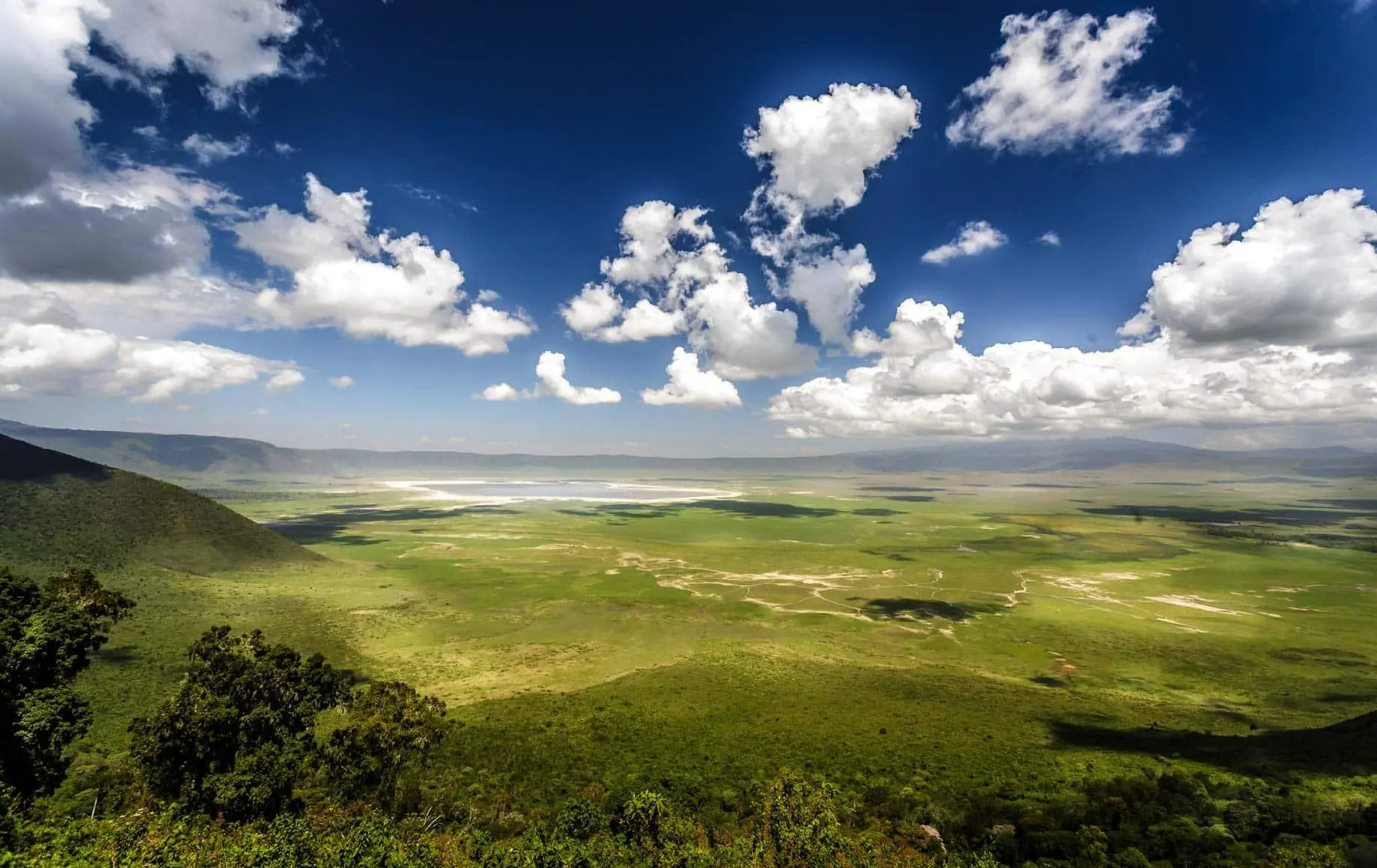
The Ngorongoro Crater is a UNESCO World Heritage Site and one of the Seven Natural Wonders of Africa. It is the world's largest intact volcanic caldera — a collapsed volcano that created a 260 km² natural enclosure, 600 metres deep, that has become home to one of the densest concentrations of wildlife on Earth.
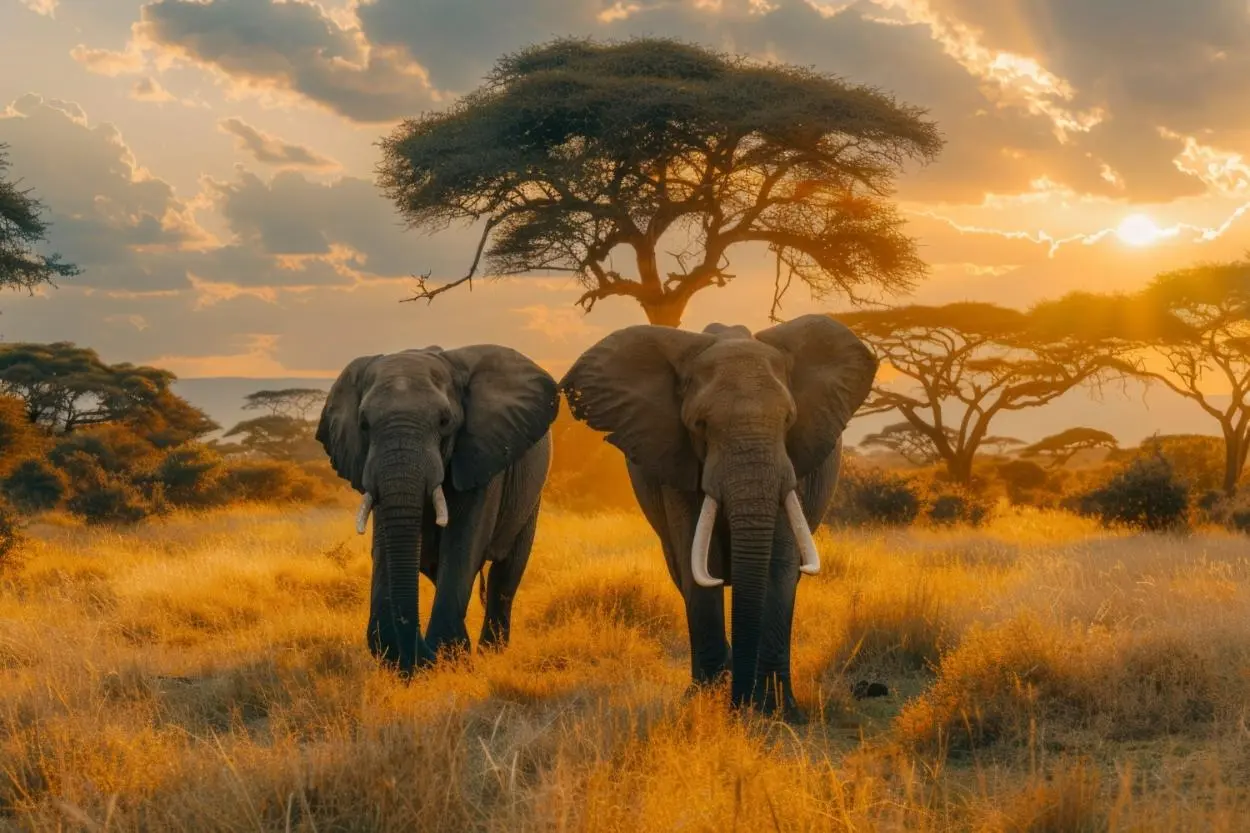
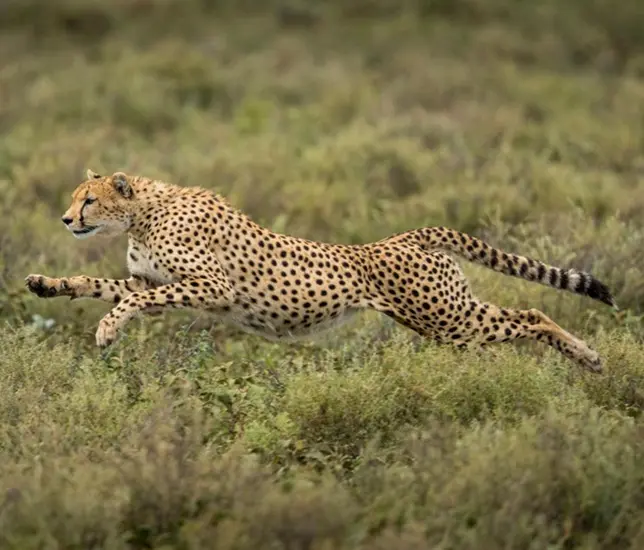
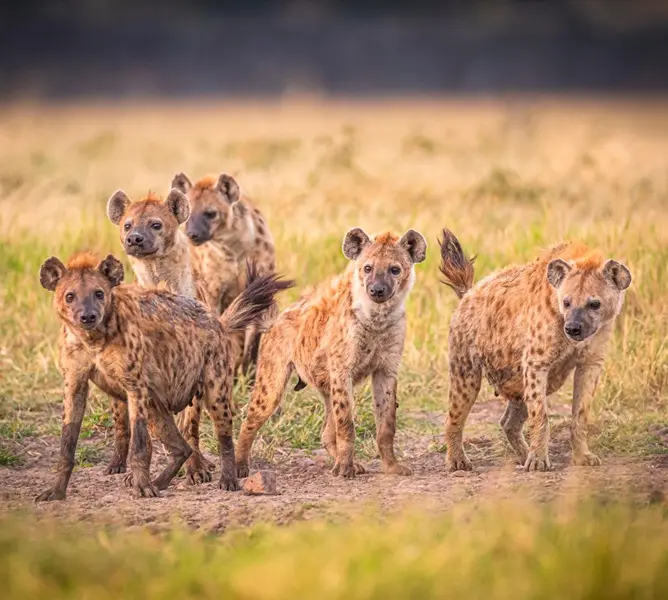
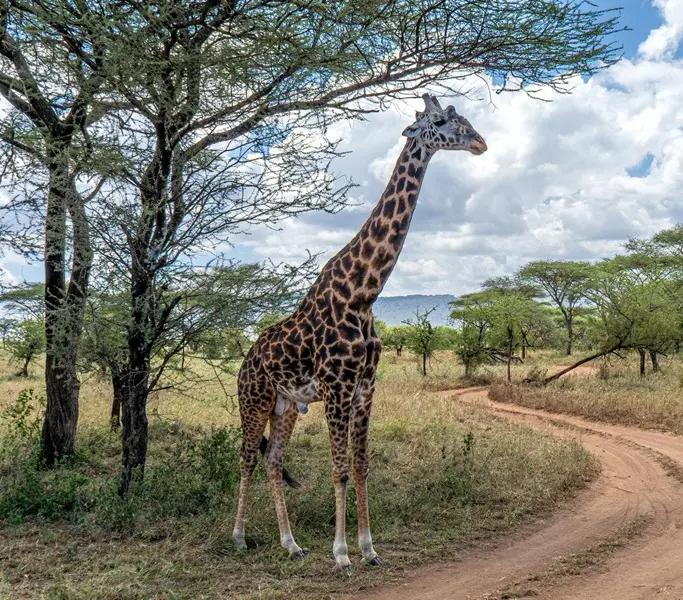
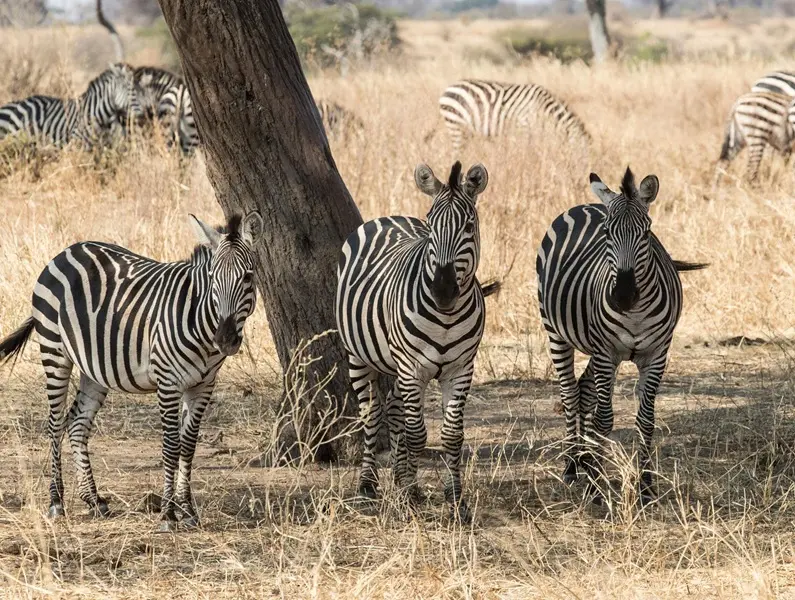
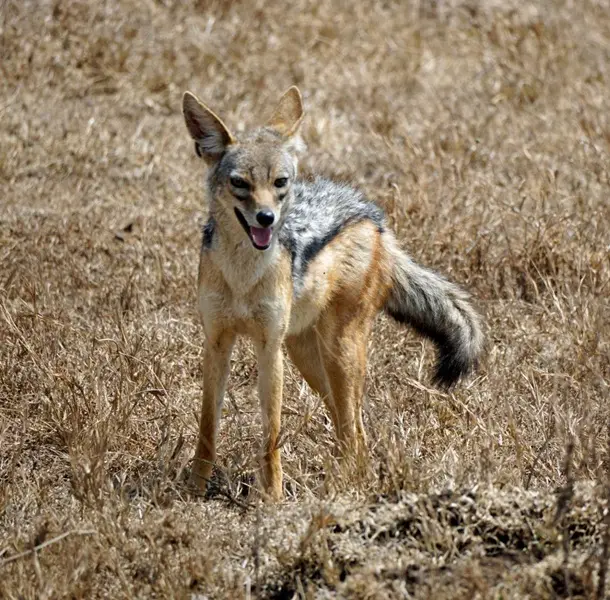
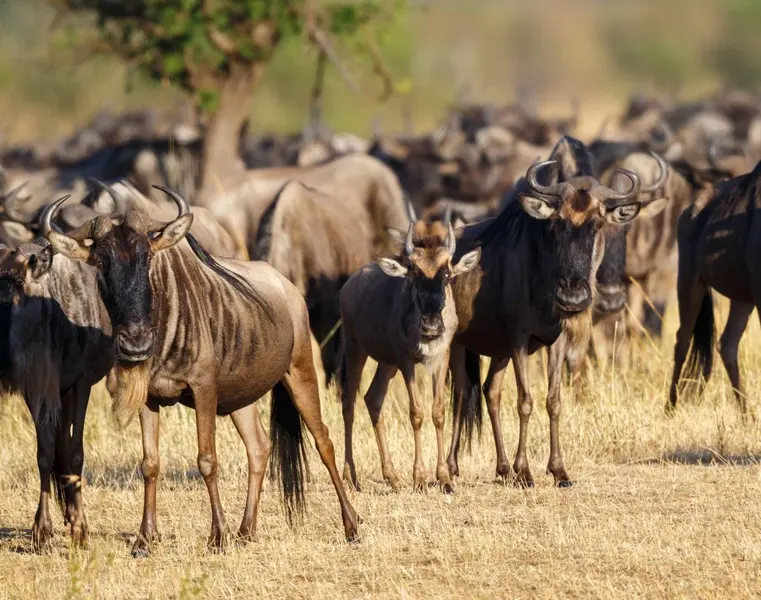
An estimated 25,000 large animals live permanently on the crater floor — lions, elephants, hippos, zebra, wildebeest, cheetahs, hyenas, jackals, flamingos, and the incredibly rare Black Rhino. Because the caldera walls prevent most animals from naturally emigrating, the wildlife density inside is extraordinary year-round.
The crater sits within the Ngorongoro Conservation Area (NCA) — a 8,292 km² protected zone where Maasai people still live and graze their cattle alongside wild animals. It's one of the very few places on Earth where indigenous people and wildlife coexist at such scale.
UNESCO recognition: Ngorongoro was declared a UNESCO World Heritage Site in 1979. It is listed both for its outstanding natural scenery and its immense biodiversity — one of only a handful of sites to receive recognition for both criteria simultaneously.
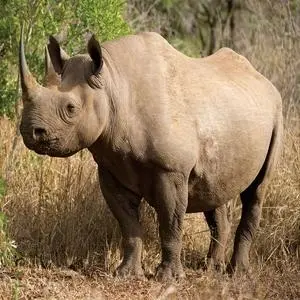
Black Rhino special alert: Ngorongoro Crater is one of the best places in East Africa to see the critically endangered Black Rhino. Approximately 20–30 individuals live on the crater floor. They are typically spotted near the Lerai Forest in the morning. Guide knowledge and patience are key — sightings are not guaranteed but occur regularly.
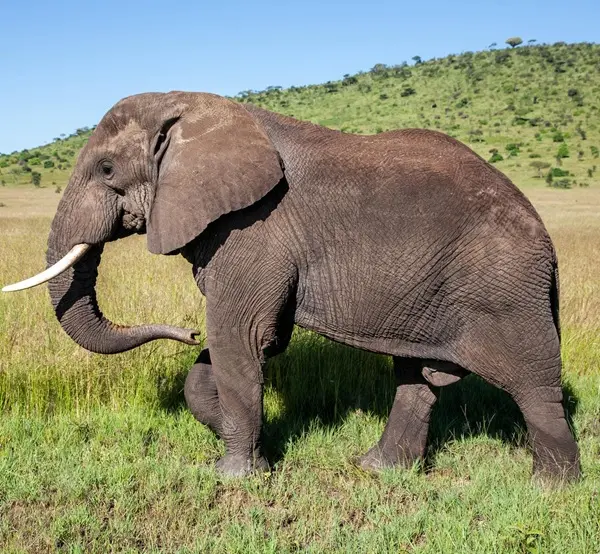
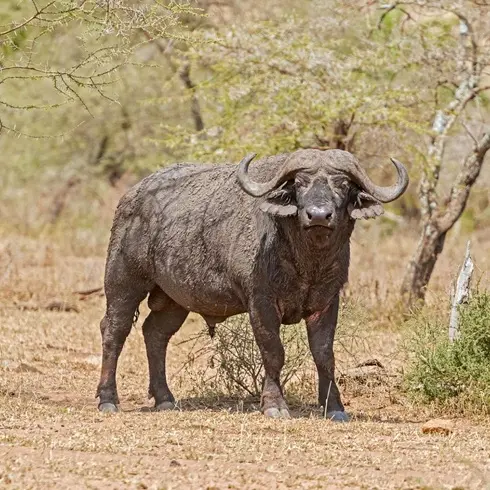
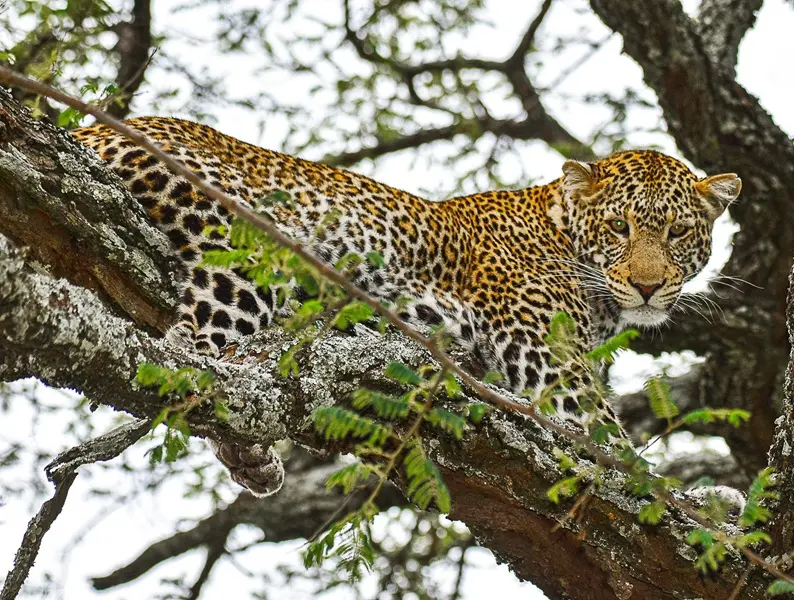
Big Five Checklist — Tips for Ticking All Five
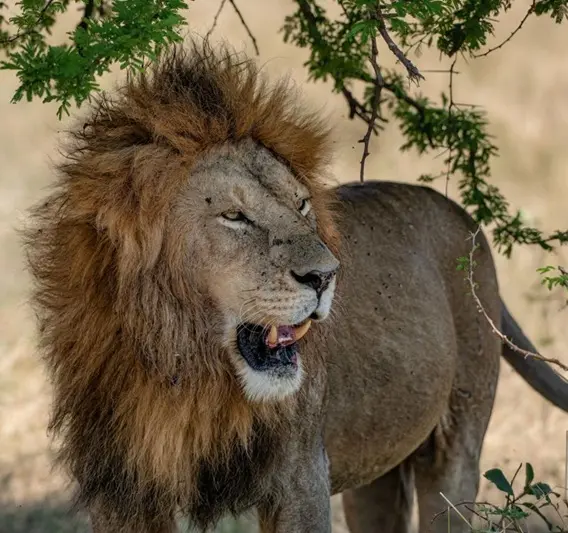
- Lion (): Scan open grassland early morning. Lions are very habituated and easily found resting, mating, or hunting near Munge Stream and Lerai Forest edges.
- Black Rhino (): Arrive early and head directly to the Lerai Forest area with your guide. They emerge in the morning to feed. Be patient — a 30-minute wait is often rewarded.
- Elephant (): Older bulls visit the crater floor. Usually found near the Lerai Forest and Mandusi Swamp. Fewer than on the outside — don't expect the herds you see in Tarangire.
- Buffalo (): Common in large herds on the crater floor, especially near water. Often surrounded by oxpecker birds — a dramatic sight.
- Leopard (): The hardest of the five inside the crater. Check Lerai Forest fig trees and euphorbia hedges. Ask your guide to radio other vehicles if one is spotted.
Lerai Forest
A dense fever tree forest on the crater floor — one of its most magical habitats. This is the prime location for Black Rhino sightings and the best chance of leopard within the crater. Elephants and buffalo also shelter here. Morning visits before the forest heats up are most productive.
Mandusi Hippo Pool & Swamp
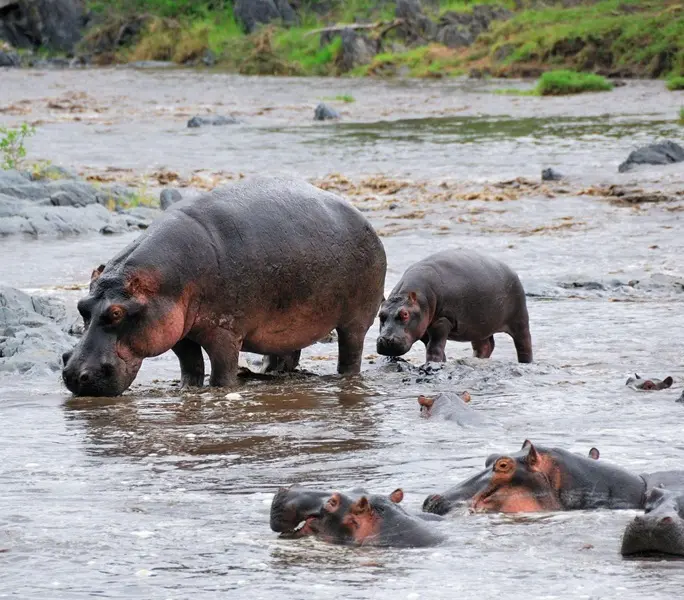
The crater's main hippo pool — a perennial favourite. Dozens of hippos crowd the shallow pool year-round, accompanied by crocodiles. The adjacent swamp is excellent for waterbirds including crowned cranes, ibis, and egrets. A picnic lunch spot is located nearby — one of the few places you can exit vehicles.
Lake Magadi (Soda Lake)
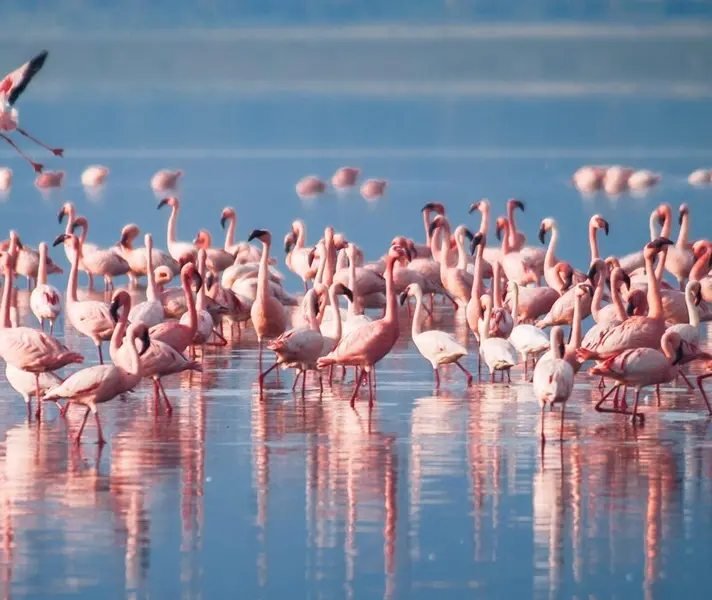
A shallow alkaline soda lake on the crater floor. Dependent on rainfall, it hosts large flocks of Lesser and Greater Flamingos — often thousands of birds at once turning the lake pink. Also used by wading birds, pelicans, and Egyptian geese. Stunning photography from the crater floor road.
Short Grass Plains
The open grassland of the central crater floor supports the highest density of grazers — wildebeest, zebra, eland, and Thomson's gazelle. This is prime hunting ground for lions, cheetahs, and hyenas. The unobstructed views across the crater are spectacular. Best at sunrise and sunset.
Munge Stream & Gorge
A seasonal stream running north-south through the crater. The gorge provides shade and water, attracting buffalo, elephant, and lion. In the wet season it fills and creates a beautiful flowing river cutting through the grassland — dramatically photogenic.
Ngoitokitok Springs (Picnic Site)
The designated picnic area near a spring on the crater floor. This is one of the only places where you can exit your vehicle on the crater floor. However, be warned — Marabou storks, kites, and ravens will aggressively try to steal your lunch. Toilets available here.
Day Trip
Drive from Arusha or the Serengeti, descend into the crater for a full-day game drive, then ascend and continue to your next destination. One full day on the crater floor (6–7 hours).
- Lower total cost
- Good if crater is one stop among many
- Sufficient for wildlife experience
- Works well mid-circuit
- Miss dawn on the crater floor
- Most crowded midday period
- No crater rim sunset views
- Rushed if driving far same day
Overnight at the Crater Rim
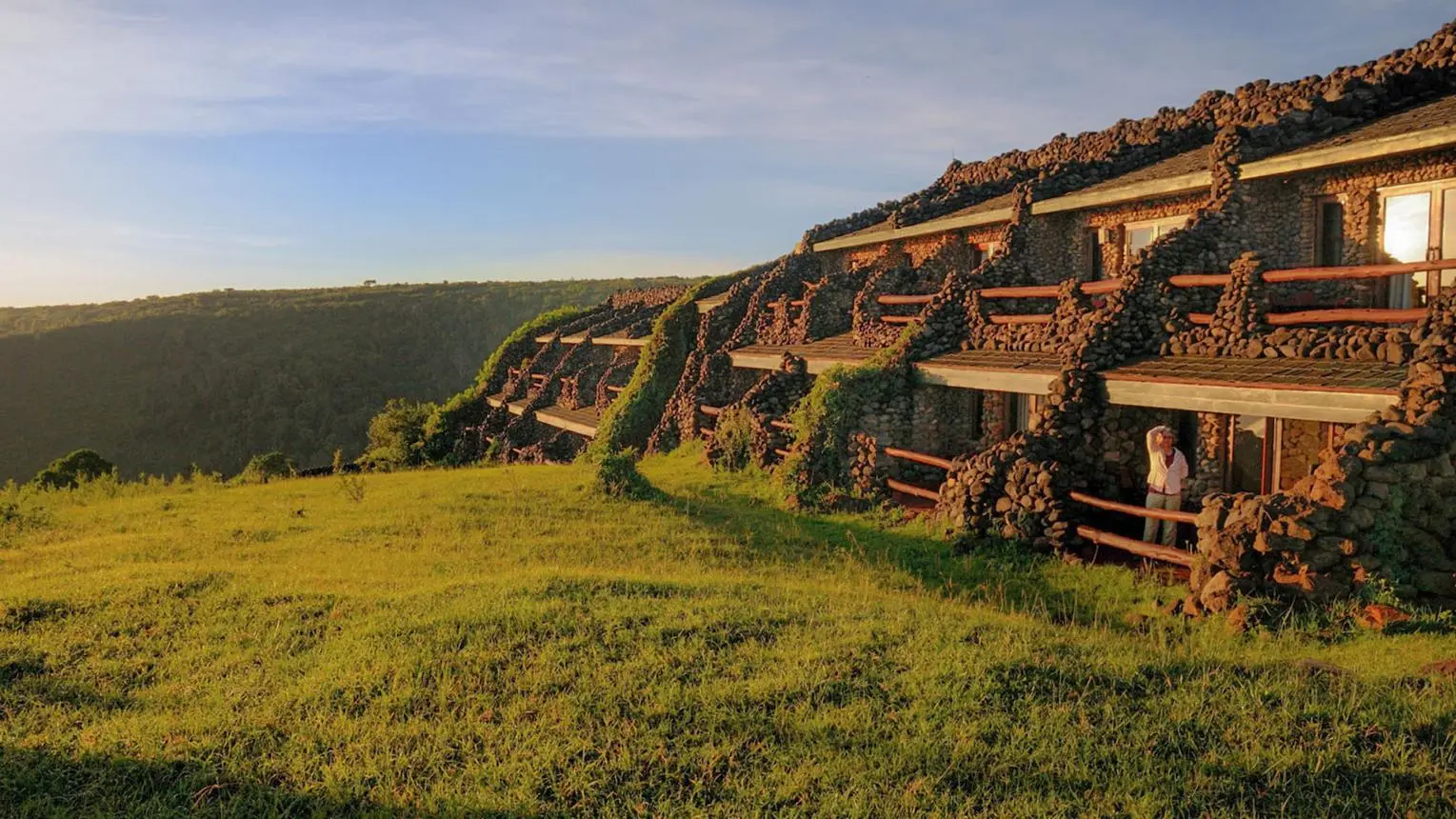
Stay 1–2 nights in a rim lodge. Descend for the dawn drive, exit for lunch, re-enter for the afternoon. Two drives means double the chance of Black Rhino sightings and lion kills. The rim itself is extraordinary — misty forest with buffalo roaming through.
- Dawn & dusk drives on the floor
- Fewer vehicles in morning
- Rim lodge experience is magical
- More time = higher Big Five chances
- Buffalo & elephants at rim level
- Rim sunset with crater views
- Higher accommodation cost
- Rim lodges can be cold at night
Our recommendation: Spend at least one night at a rim lodge. The dawn drive (descending at 6:30 AM when the floor is empty of other vehicles) is one of the most dramatic experiences in African safari. The crater rim at sunset — misty, forested, with buffalo grazing past your tent — is unforgettable. If the budget allows, two nights gives you three game drives and maximises wildlife encounters.
Olduvai Gorge — Cradle of Humanity
Just 45 km from the crater, Olduvai Gorge is where Mary and Louis Leakey discovered some of the oldest known hominid fossils — including Paranthropus boisei and Homo habilis — dating back 2 million years. The small museum is excellent. A guided 1-hour tour is included with most itineraries. Standing here, overlooking the gorge where our earliest human ancestors lived, is a quietly overwhelming experience.
Maasai Village Visit
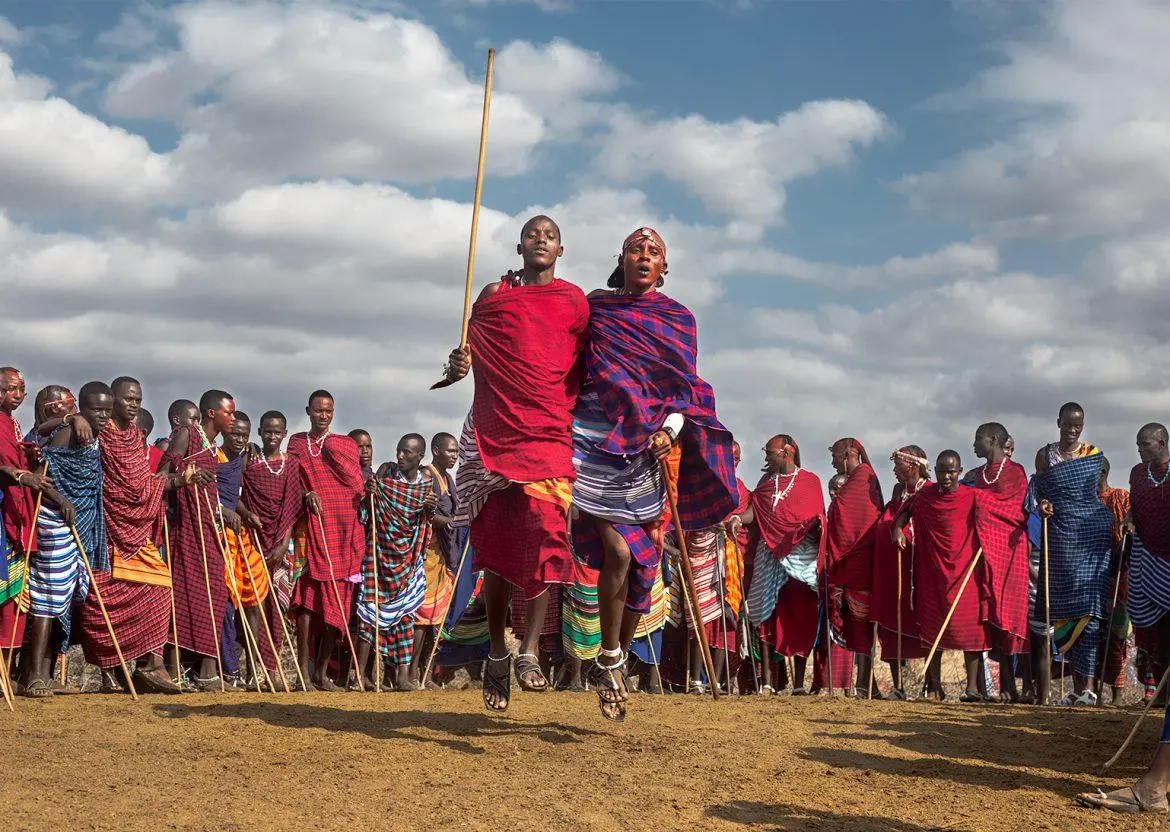
The Ngorongoro Conservation Area is unique in Africa — Maasai people live and herd cattle within the conservation area alongside wild animals. A respectful, properly organised village visit (known as a “boma” visit) gives genuine insight into traditional Maasai life — jumping dance, cattle management, beadwork, and daily routines. Ask us to arrange a community-benefit visit that directly supports the village.
Crater Rim Walks
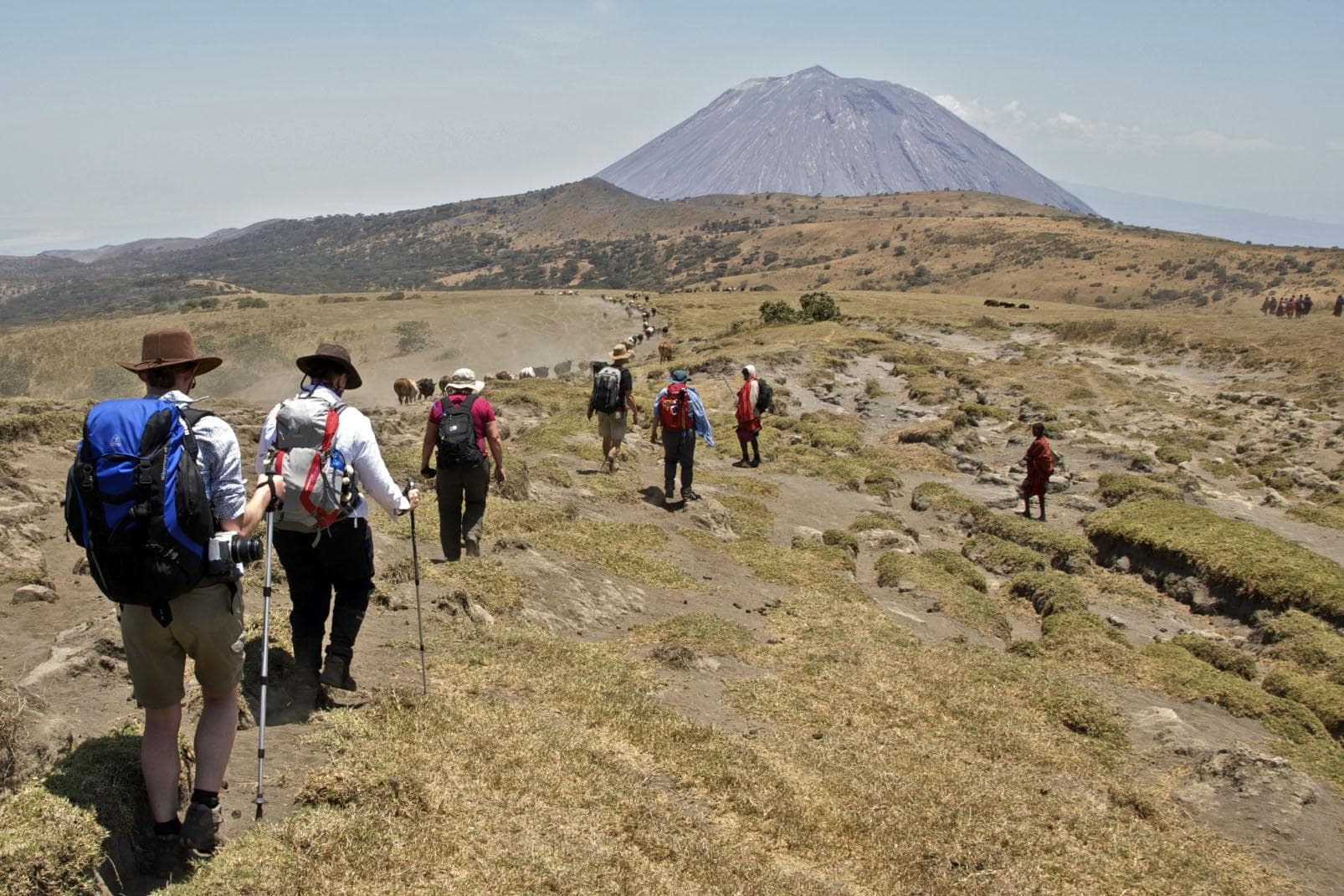
The forested crater rim at 2,300 m is one of Tanzania's most beautiful and overlooked environments. Short guided walks through the montane forest reveal colobus monkeys, buffalo grazing in the mist, hundreds of bird species, and extraordinary views down into the crater. Best at sunrise or sunset when the rim is at its most atmospheric and the light is spectacular.
Photography Safari
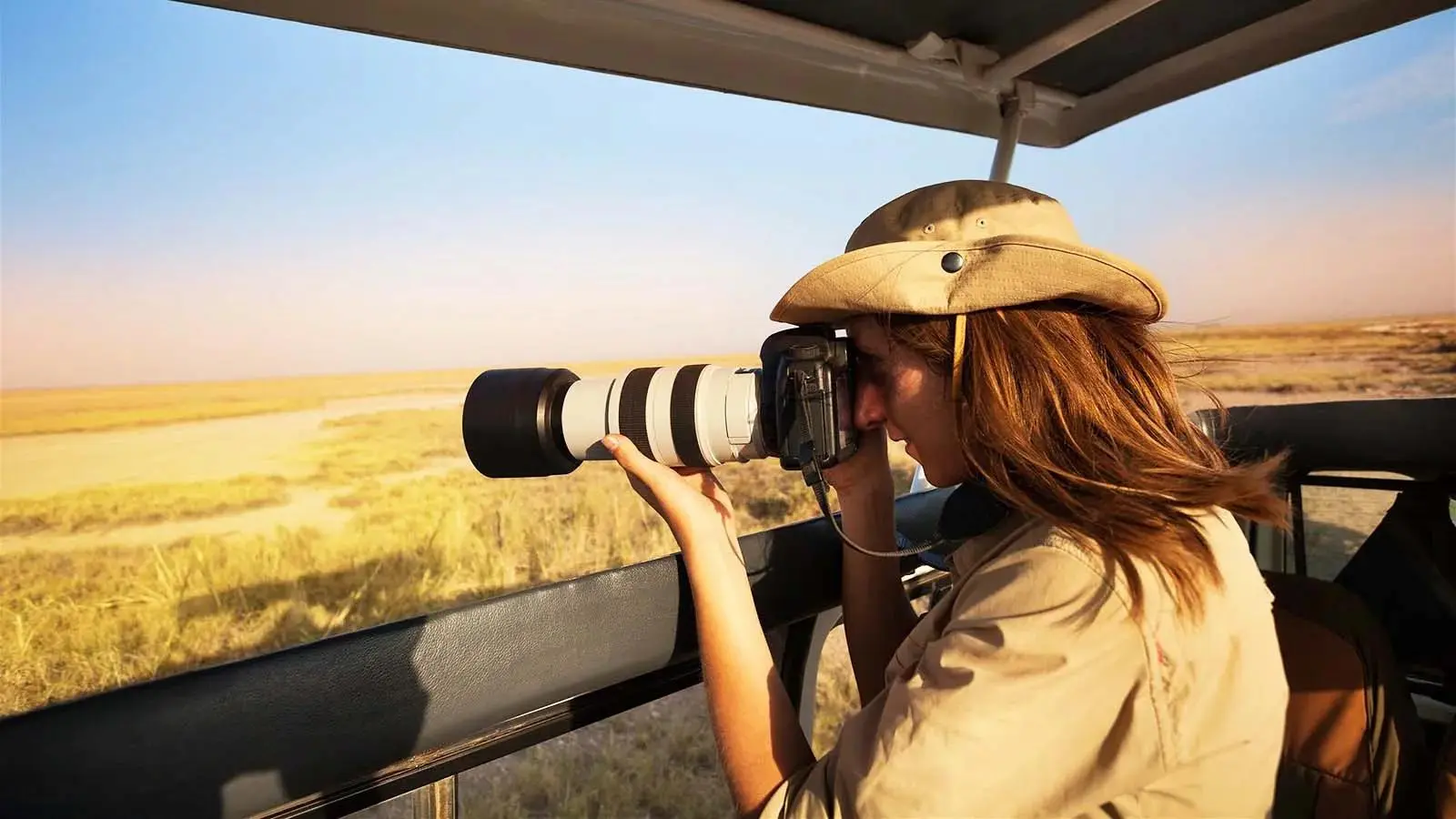
The crater's enclosed nature means wildlife is consistently closer and more accessible than in open savanna parks. The combination of crater walls, forest edges, soda lake, open plains, and dramatic big-sky light makes it one of Africa's premier photography destinations. Request a photography-configured vehicle (window mounts, bean bags, multiple stop flexibility) when booking.
Crater Rim Sundowners
Most rim lodges set up sundowner drinks at viewpoints overlooking the crater at sunset. Watching the evening light fill the caldera — the floor golden and teeming with life below — while sipping a cold gin and tonic on the rim is one of the most memorable moments any Tanzania safari delivers. Spontaneous wildlife encounters (buffalo, hyena, bushbuck) at rim level are common.
Cultural Camping (Conservation Area)
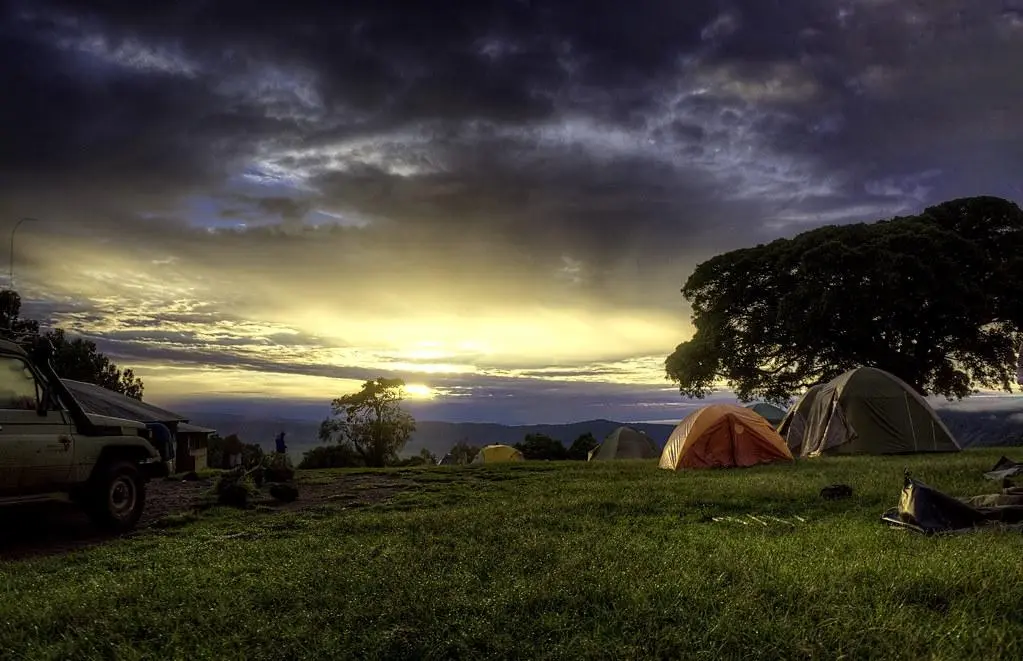
For adventurous travellers, the NCA permits tented camping in designated sites on the rim. Waking up in a tent with hyenas calling below and buffalo wandering past is the definition of authentic African adventure. Perfect for those combining the Ngorongoro with a longer northern circuit itinerary.
Altitude & Cold
The crater rim sits at 2,300 m. Even in summer, mornings and evenings are cold — often 8–12°C. The crater floor is warmer, but descending and ascending through forest adds chill.
- →Always bring a warm jacket — even in July and August
- →Altitude headaches are common on arrival at the rim — rest and hydrate
- →Sunrise temperatures can drop to 6°C — dress in layers
Vehicle Limits & Rules
The NCA limits the number of vehicles on the crater floor daily to manage impact and maintain quality.
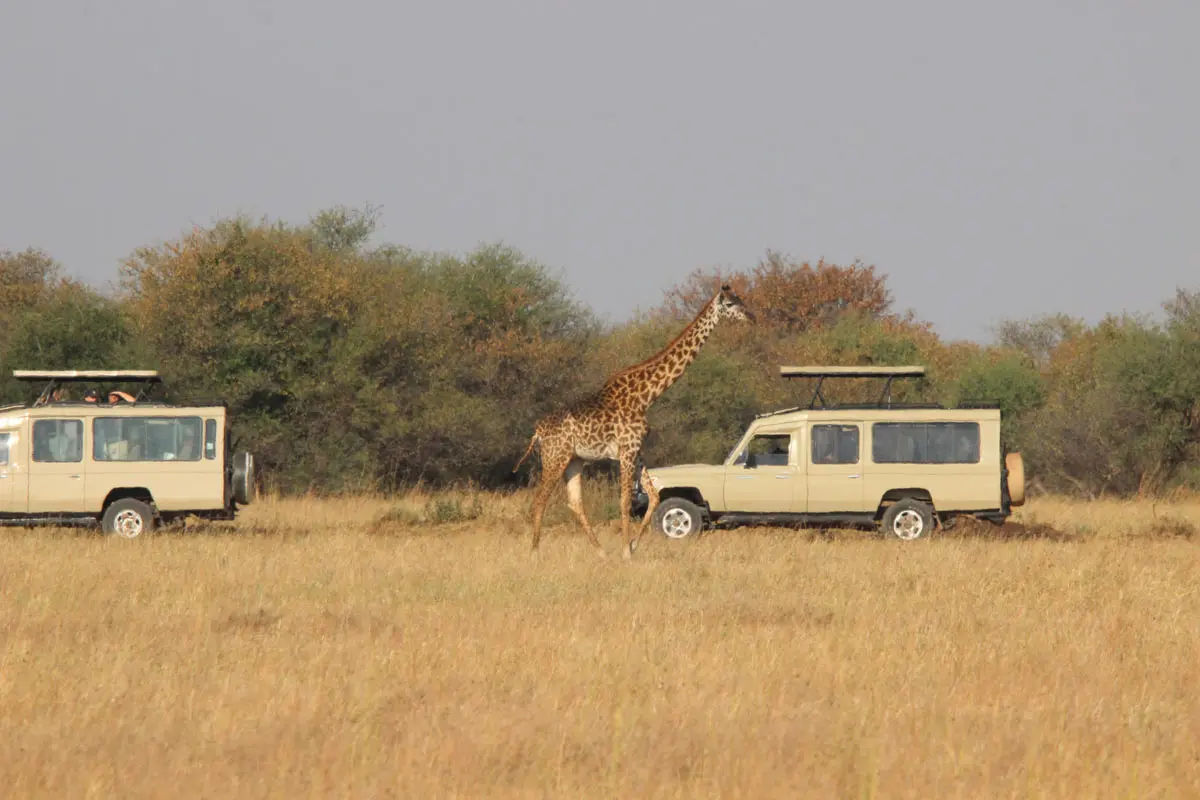
- →Only 4WD vehicles with pop-up roofs are permitted on the crater floor
- →You can only exit your vehicle at designated picnic sites
- →All vehicles must leave the crater floor by 6:00 PM
- →No off-road driving — all vehicles must stay on designated tracks
- →Descent and ascent roads are one-way — plan accordingly
Timing Strategy
- →Descend as early as possible (6:30–7:00 AM) — fewest vehicles
- →Morning hours (6:30–10:30 AM) are best for predator activity
- →Midday (11:30 AM–2:00 PM) — busiest, animals resting in shade
- →Afternoon (2:00–5:30 PM) — second best window, especially for rhino
- →Leave floor no later than 5:30 PM to exit before the 6:00 PM deadline
Costs & Fees
- →NCA conservation fee: ~$70 per person per day (indicative; verify current NCA rates)
- →Vehicle crater fee: ~$200 per vehicle entry (indicative; verify current rates)
- →These are typically included in quoted safari packages
- →Rim lodge accommodation: roughly $300–2,500+ per person/night (varies widely)
- →Olduvai Gorge fee: ~$30 per person (indicative)
Best Time to Visit
- →Year-round accessible — unlike some parks
- →June–October: driest conditions, best predator visibility
- →January–March: short grass, excellent open views across crater
- →Green season (Apr–May): lush but access roads can be muddy
- →Flamingos at Lake Magadi: present year-round, best Dec–Apr
What to Bring
- →Warm jacket (fleece or down) for morning descent
- →High SPF sunscreen — UV intensity at altitude is severe
- →Binoculars — rhino can be at distance initially
- →Packed lunch for floor (or book lodge lunch box)
- →Camera with telephoto — wildlife is accessible but distances vary
- →Altitude medication if you're susceptible (rim is at 2,300 m)
Rim Luxury Lodges
World-class properties clinging to the crater rim with floor-to-ceiling glass overlooking the caldera. Private terraces, gourmet dining, heated rooms, and exclusive vehicle fleets. The most dramatic room views in Tanzania.
Rim & Karatu Lodges
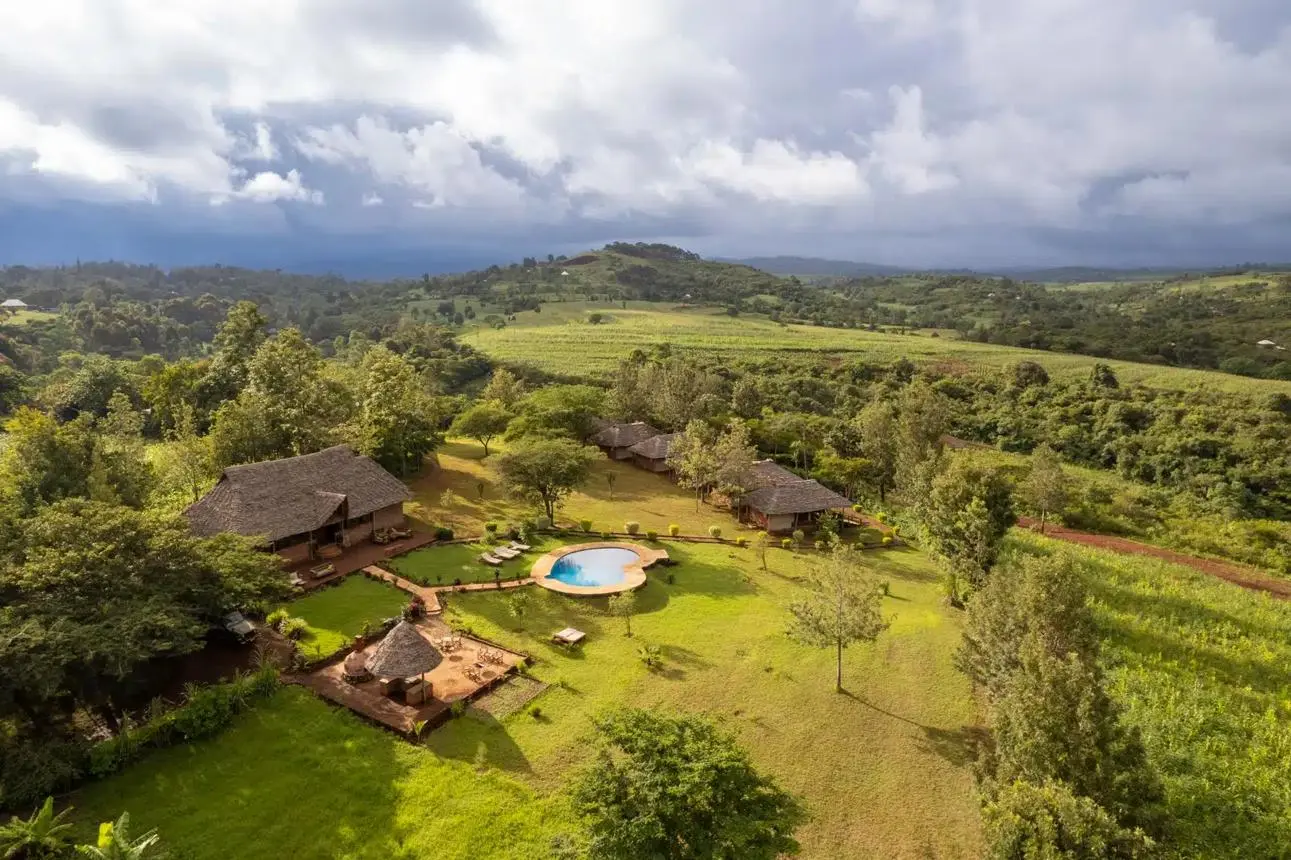
Comfortable lodges and tented camps at the crater rim or in the nearby Karatu highlands. Full board, good guiding, shared vehicles. Many have crater views. Karatu properties are 30–45 minutes from the crater gate.
NCA Public & Special Campsites
Basic tented camping within the Ngorongoro Conservation Area. Special campsites are semi-private and dramatically located. Shared facilities. Buffalo and hyenas may wander through camp at night — keep all food secure.
Insider tip: Popular crater-facing rooms at luxury rim lodges often sell out 8–12 months ahead for peak season. Book early and request rooms specifically on the crater-facing side with a direct caldera view — not all rooms have the same view. We can help request preferred positioning on your behalf.