
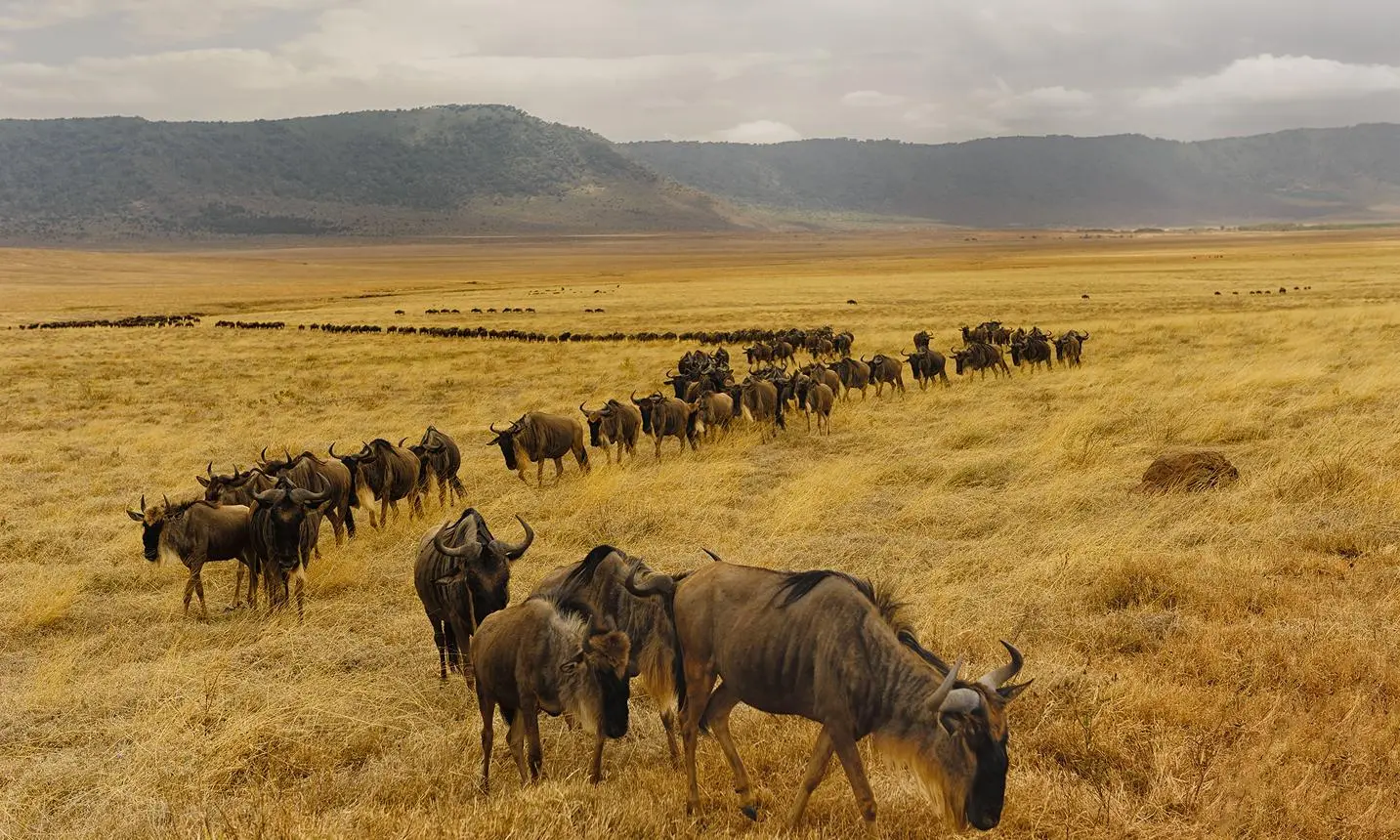
Safari Tips for First-Time Travelers
Everything we wish every first-time safari guest knew before they arrived — practical, honest, and focused on what actually matters.
Don't over-schedule. Pick one or two zones, stay 3-4 nights minimum, trust your guide's early starts, and pack warmer than you'd expect — that combination covers most of what makes a first safari go smoothly.
What first-time safari travellers should know
A first safari can feel like a lot to plan — flights, parks, camps, packing — but the core of the experience is simpler than it seems: early mornings, patient guides, and a lot of time watching wildlife from a safe, comfortable vehicle.
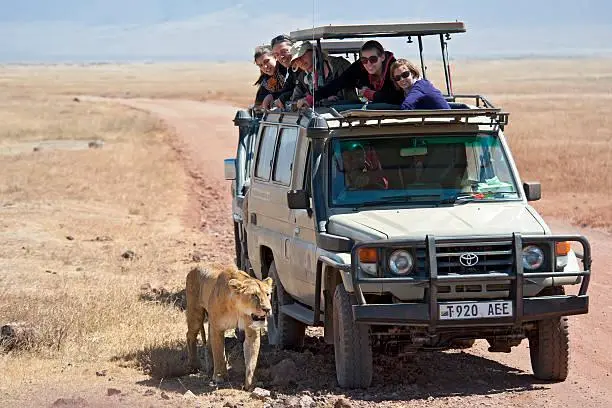
Most surprises first-timers report are pleasant ones: how cold mornings can be, how close you get to animals, and how much a good guide adds to the experience through storytelling and tracking skill.
It's also worth setting expectations honestly before you go: a safari is not a zoo, and no guide can guarantee a specific animal on a specific day. What a good operator can guarantee is a well-planned route through areas with strong historical sighting records, a guide who reads animal behaviour and radio reports from other vehicles, and enough time in the right zone to let the odds work in your favour.
First-timers are often surprised by how social a safari can feel too — shared meals at camp, evening conversations around a fire, and guides who genuinely enjoy answering questions all add a dimension beyond the game drives themselves.
Most common first-timer mistake: packing too little warm clothing for early morning game drives, which can start well before sunrise in cool conditions.
Tips that make the biggest difference
Planning your itinerary
- ✓ Don't over-schedule — fewer zones with more nights beats a rushed multi-stop trip
- ✓ Book 3-4 nights minimum so the trip doesn't feel rushed
- ✓ Pick one priority zone first, then add a second if time allows
On game drives
- ✓ Trust your guide's timing — early starts often lead to the best sightings
- ✓ Ask questions freely, guides love sharing knowledge
- ✓ Keep voices low and movements slow near wildlife
What to pack & expect
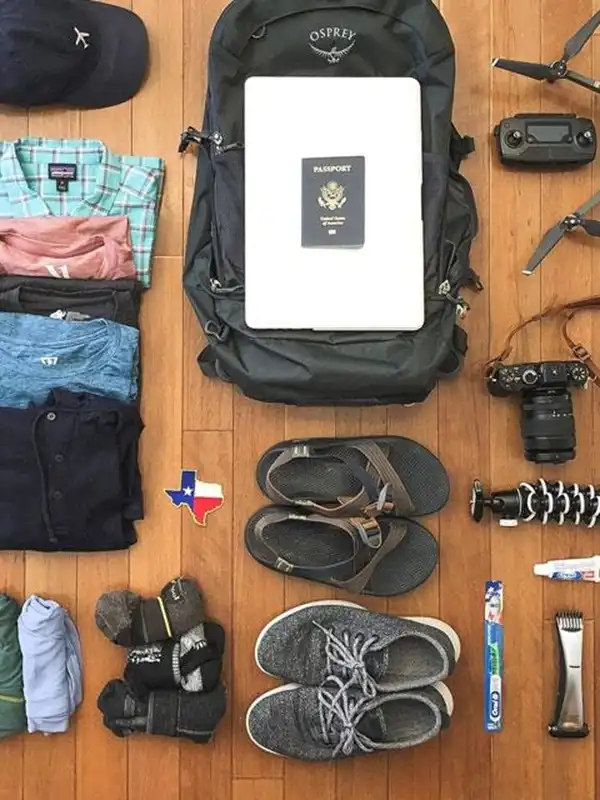
- ✓ Pack warmer than you expect — mornings can be genuinely cold
- ✓ Bring binoculars and a zoom lens if you enjoy photography
- ✓ Expect long, bumpy drives on unpaved roads between sightings
Before you fly
- ✓ Check visa requirements and apply for an e-visa in advance if eligible
- ✓ Confirm which vaccinations or anti-malarial medication your doctor recommends
- ✓ Get travel insurance that covers medical evacuation, common on safari policies
Common first-timer mistakes
Cramming too many parks into one trip
Each transfer eats into game-drive time — fewer zones with more nights each is almost always more rewarding for a first safari.
Underestimating morning cold
Game drives often start before sunrise in cool, open vehicles — a warm layer is essential, even in the dry season.
Expecting a zoo-like guarantee of sightings
Wildlife viewing is genuinely wild — a good guide maximises your odds, but sightings vary day to day, which is part of the appeal.
Skipping travel insurance
Remote camps mean medical evacuation can be necessary in rare emergencies — insurance that covers this is standard practice, not an optional extra.
Booking flights too tight to your safari start date
International flight delays happen — build at least one buffer night in Arusha or Kilimanjaro before your safari begins if possible.
Continue planning your first safari
First-timer questions
Ready to plan your first safari?
Tell us your travel dates and what excites you most, and we'll design a smooth first-timer-friendly itinerary.