
How Much Does a
Tanzania Safari Cost?
Honest budget ranges for first-timers — what changes the price, what’s usually included, and how Serengeti nights affect your total.
A Tanzania safari is a premium experience because it includes park fees, specialised vehicles, expert guides, and remote camps — especially inside Serengeti.
For most first-timers, mid-range tented camps on a 7–9 day Northern Circuit (with solid Serengeti nights) are the sweet spot: comfortable, well guided, and wildlife-first.
Luxury costs more mainly because of camp location, privacy, and service — not because the lions are different. Migration peak months also raise demand.
It helps to think of your total safari cost as the sum of three separate decisions: how many nights you spend in the parks, which camp category you choose for each night, and how you move between destinations (road transfer vs light aircraft). Each decision can be adjusted independently to fit your budget without necessarily sacrificing wildlife quality.
Tanzania's park fees themselves are set by the government and TANAPA (Tanzania National Parks Authority) and apply uniformly regardless of which operator you book with — what varies enormously between quotes is everything layered on top: camp category, vehicle exclusivity, and logistics.
Pricing note: Ranges below are indicative as of 2026 and change with season, camp availability, flights, and government fees. Compare quotes by inclusions (park fees, flights, balloon, drinks), not headline price alone — then request a personalised quote.
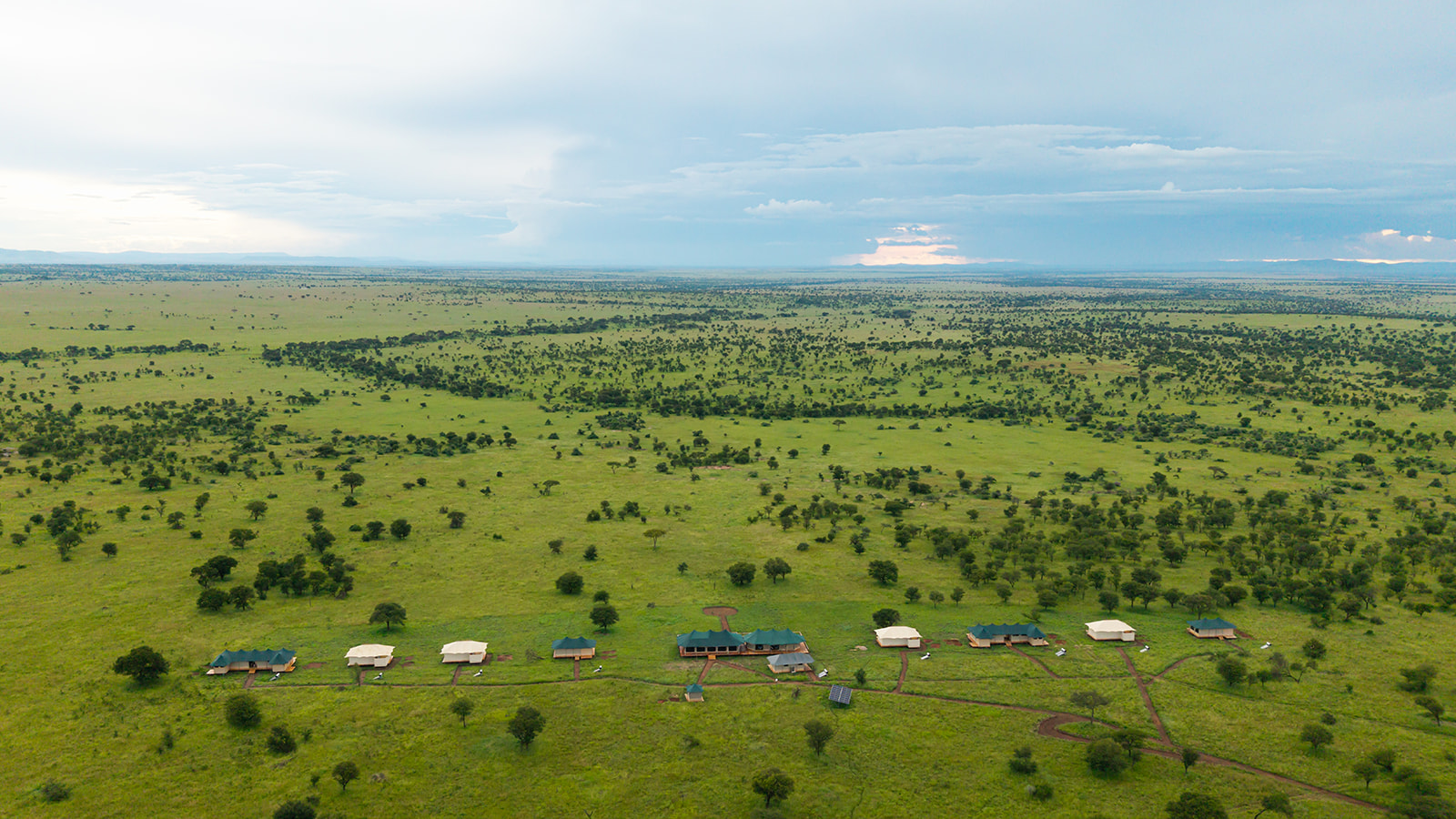
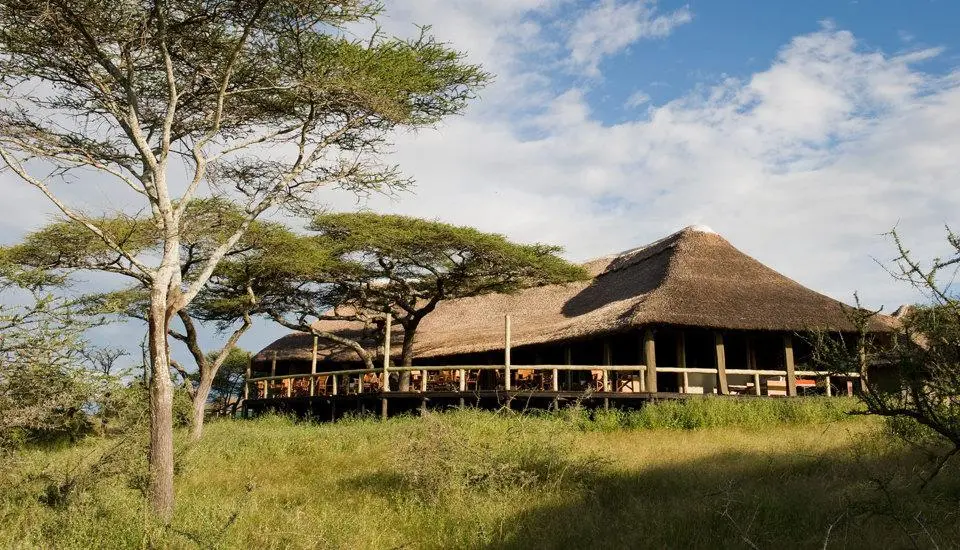
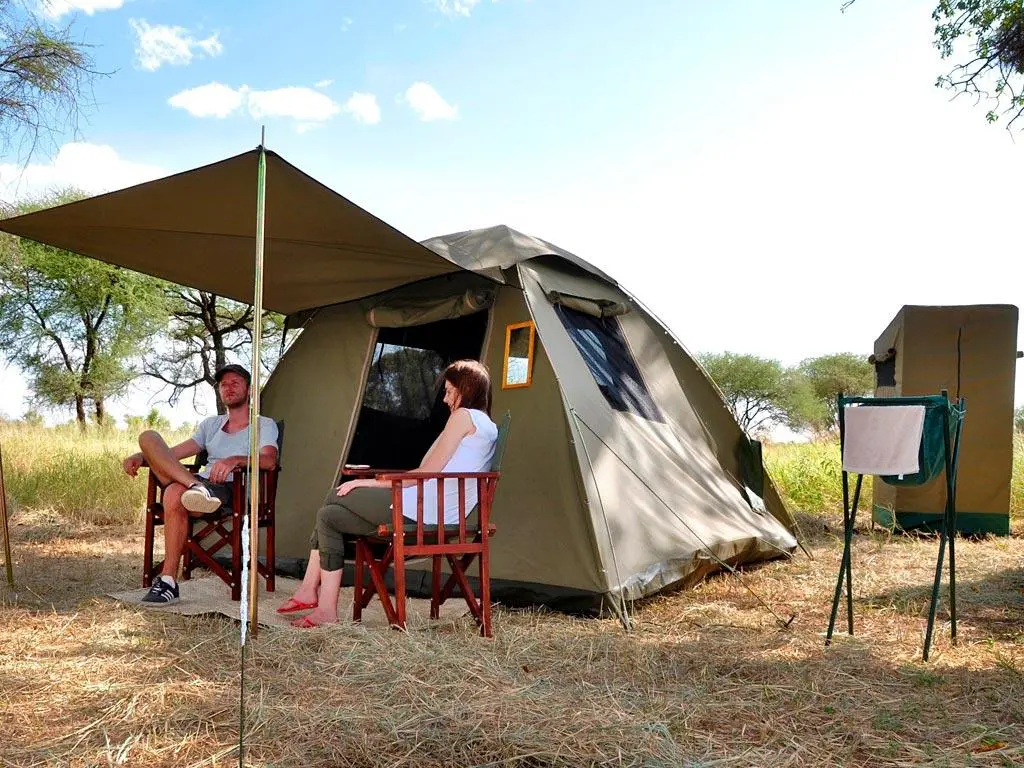
Comfort camping / value
Often from roughly $250–400+ per person per day on shared or simple mobile setups — authentic but basic.
Mid-range safari
Often roughly $400–700+ per person per day with quality tented camps — the most common first-timer choice.
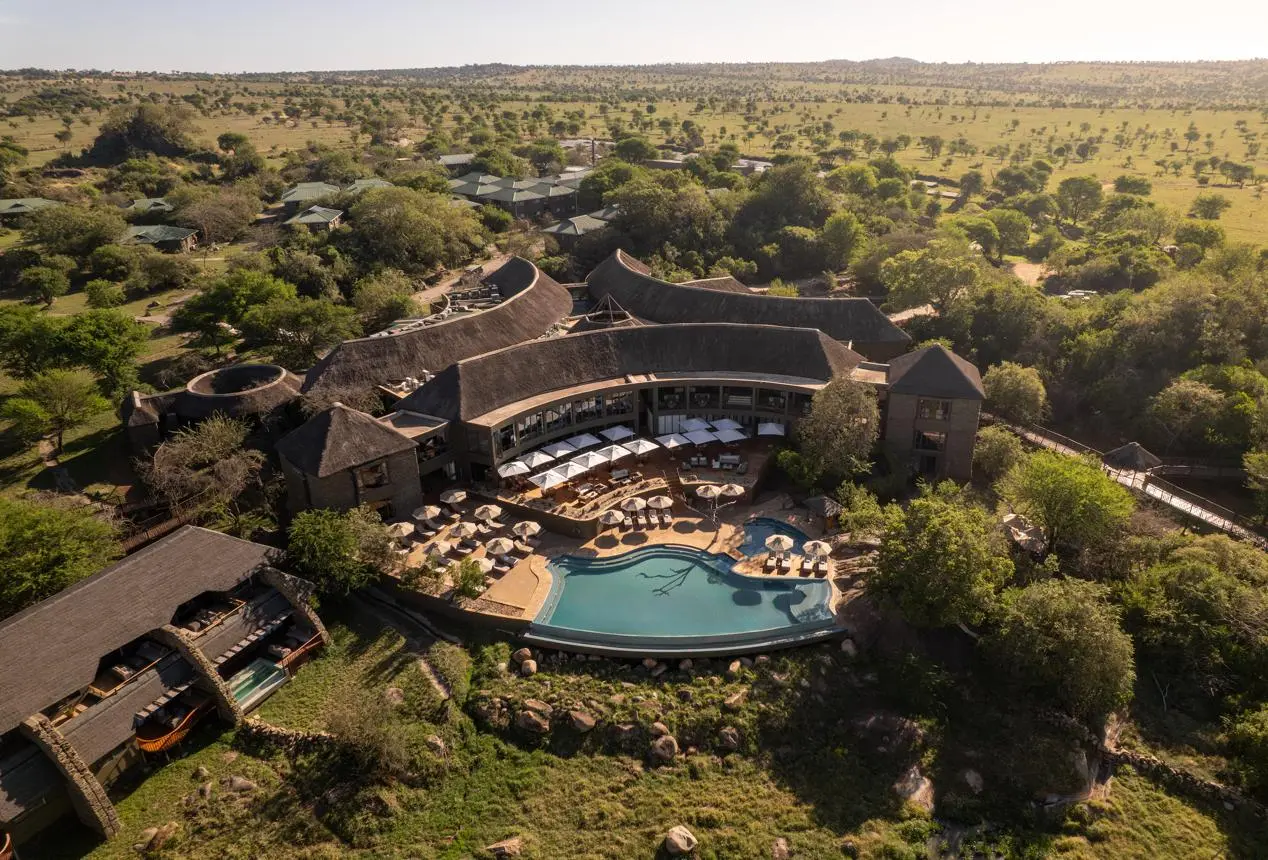
Luxury safari
Often $700–1,500+ per person per day for prime Serengeti camps, private guiding, and high service.
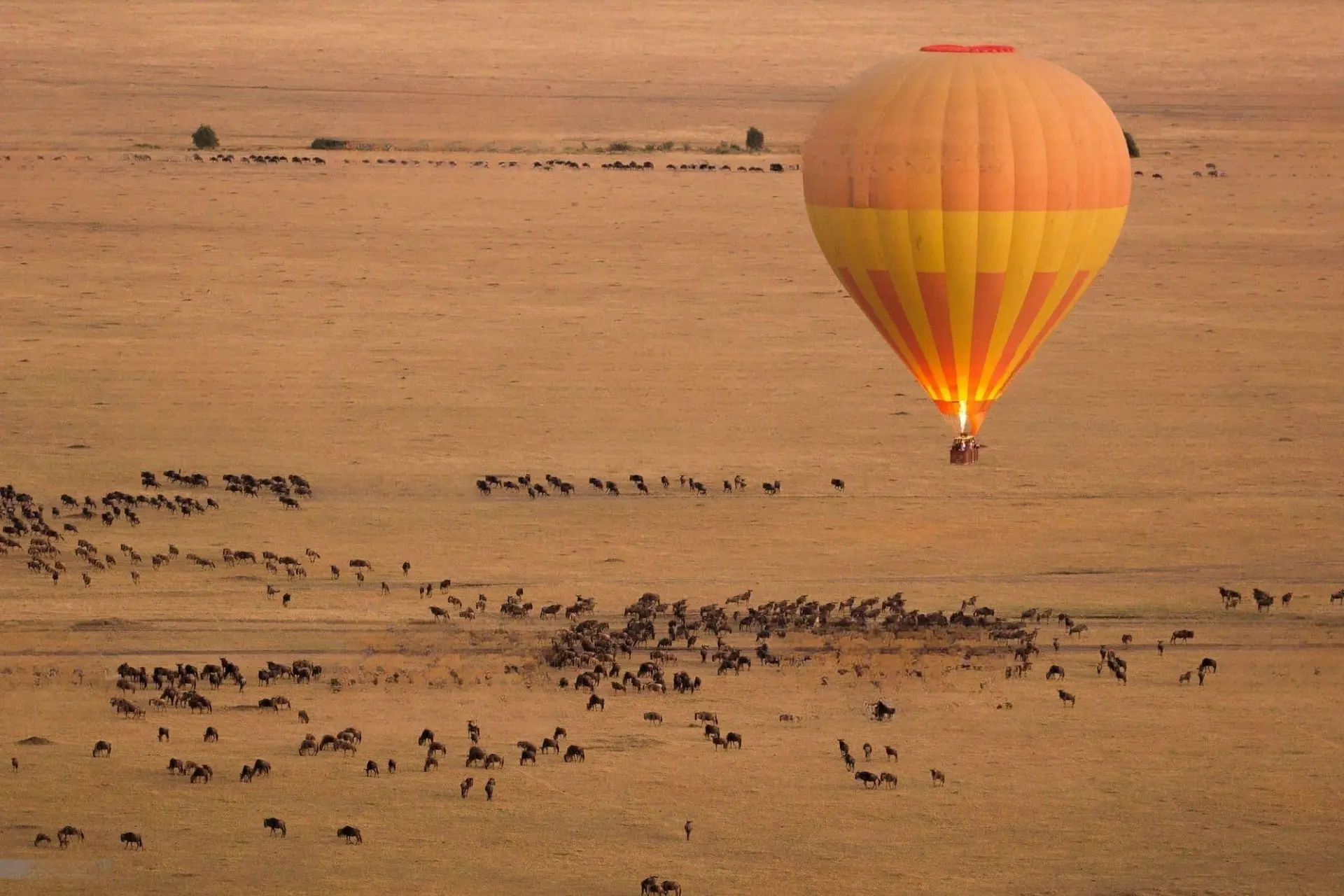
Extras to budget
International flights, visas, tips, travel insurance, balloon (~$500–600+), and souvenirs.
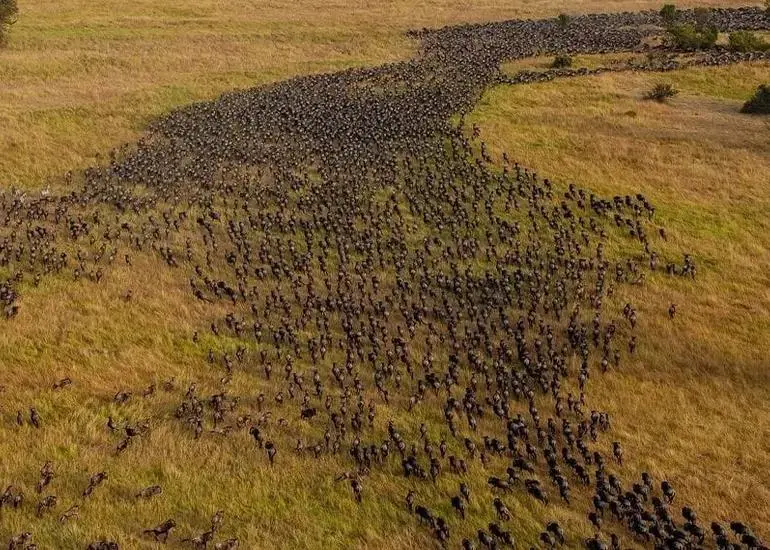
Serengeti nights & zone
More park nights and peak northern migration camps cost more — and usually deliver more.
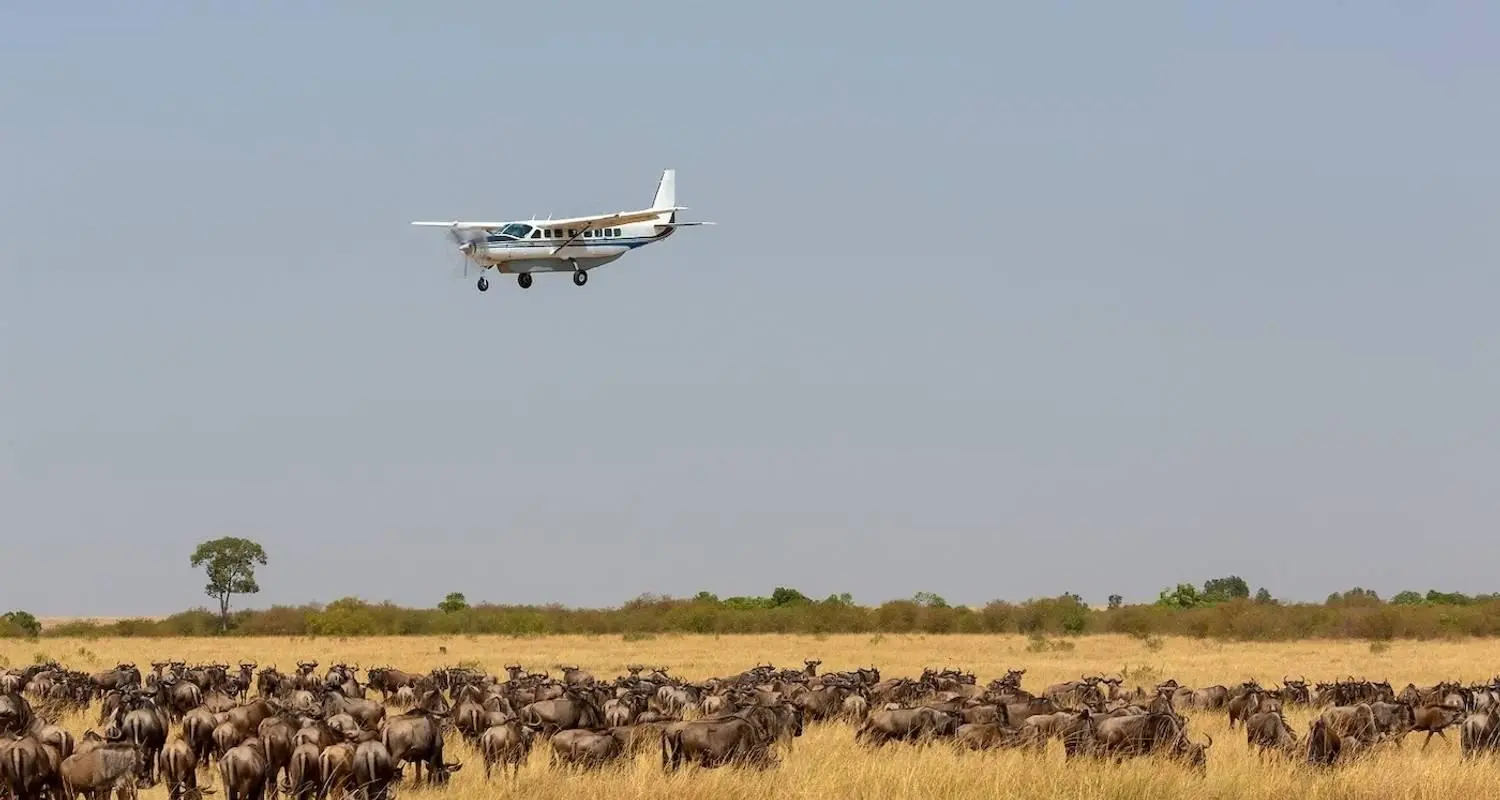
- →Fly-in north is pricier than road Seronera
- →3–4 Serengeti nights beats 1 rushed night
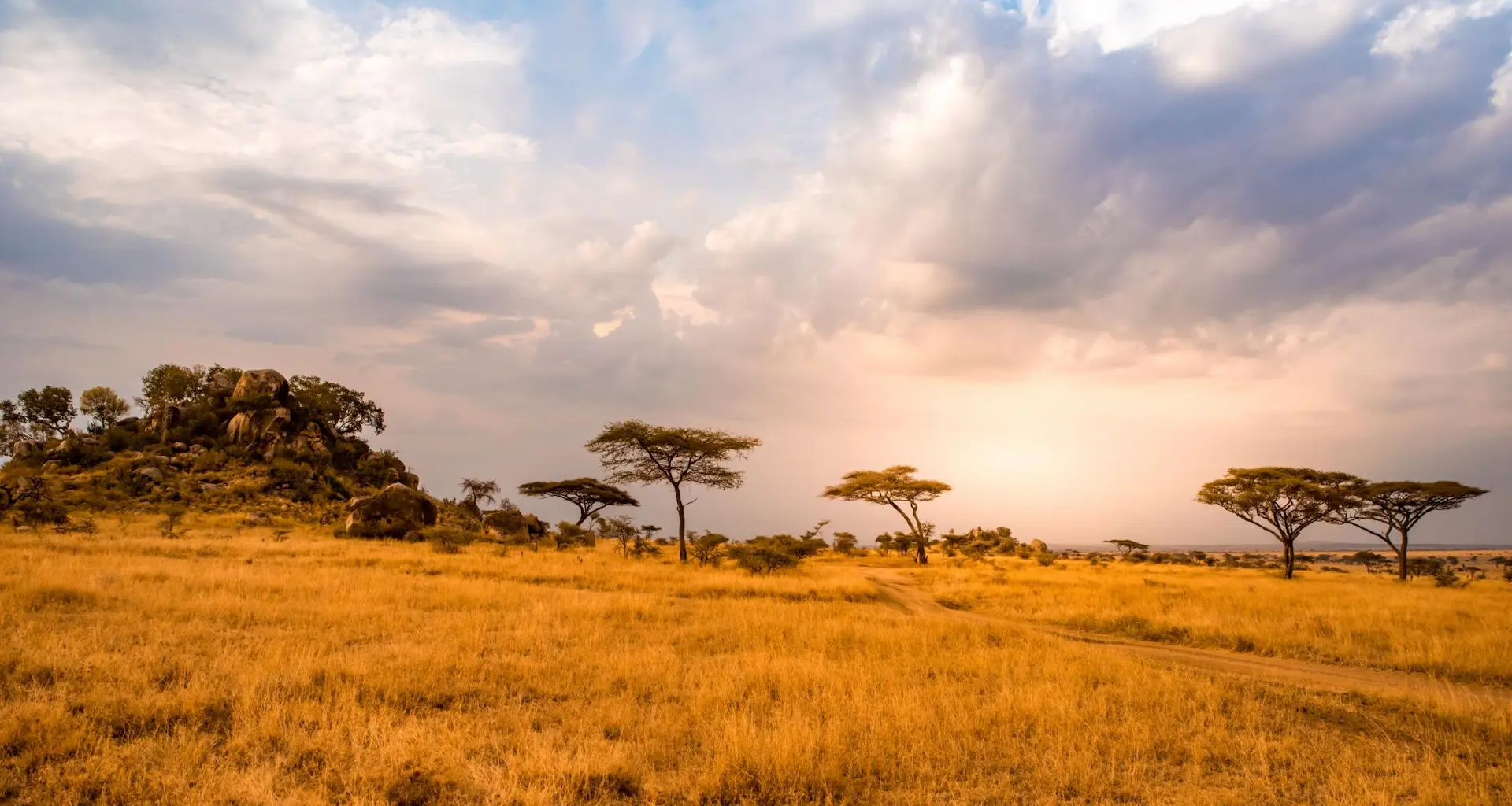
Season
Jul–Oct and holiday peaks are highest; some green-season months offer better value.
- →Migration timing still comes first
- →Shoulder months can be excellent
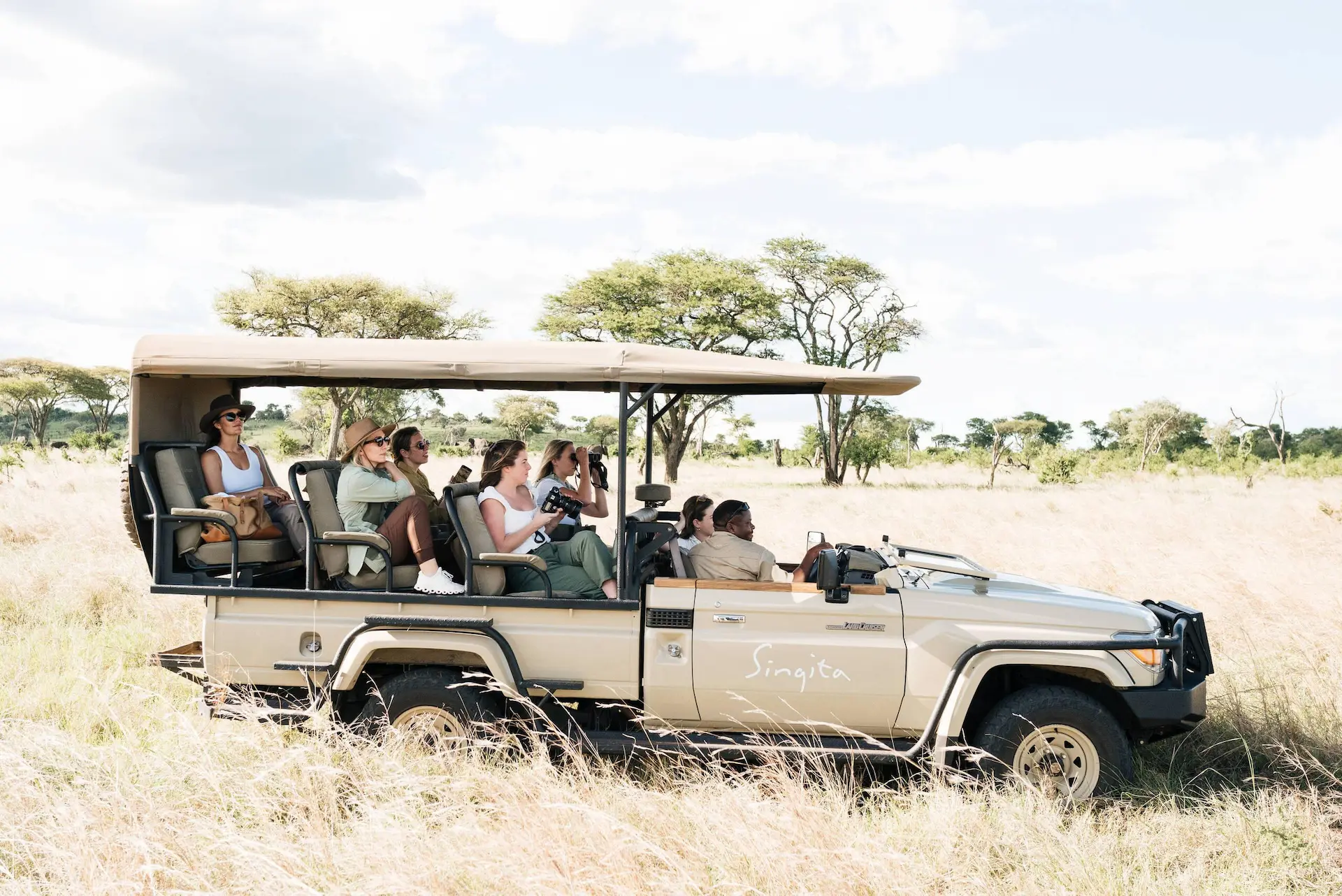
Private vs shared
Private vehicle raises cost and comfort.
- →Best for couples, families, photographers
Camp standard
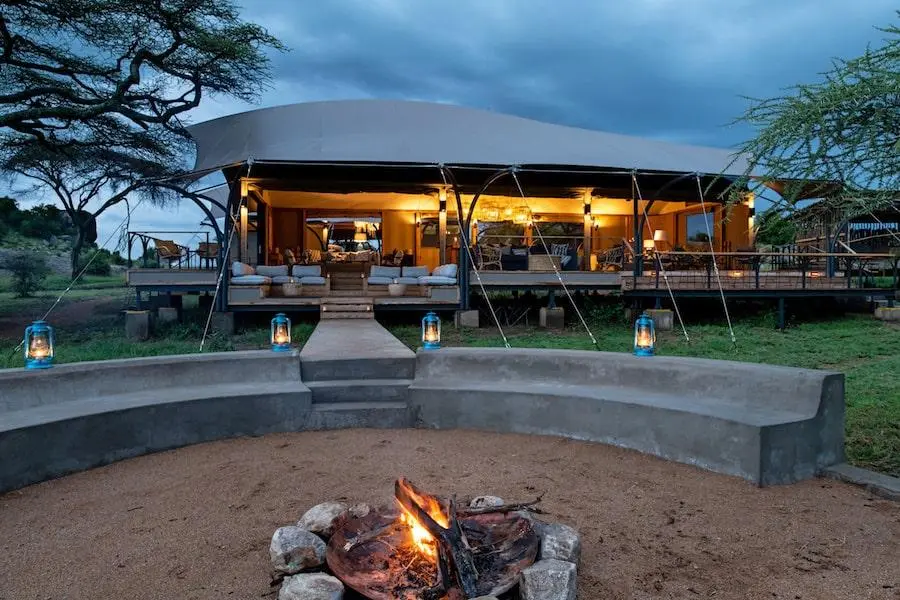
Luxury buys location and service; mid-range buys strong guiding at fair comfort.
- →Don’t sacrifice zone for a fancy spa
Group size
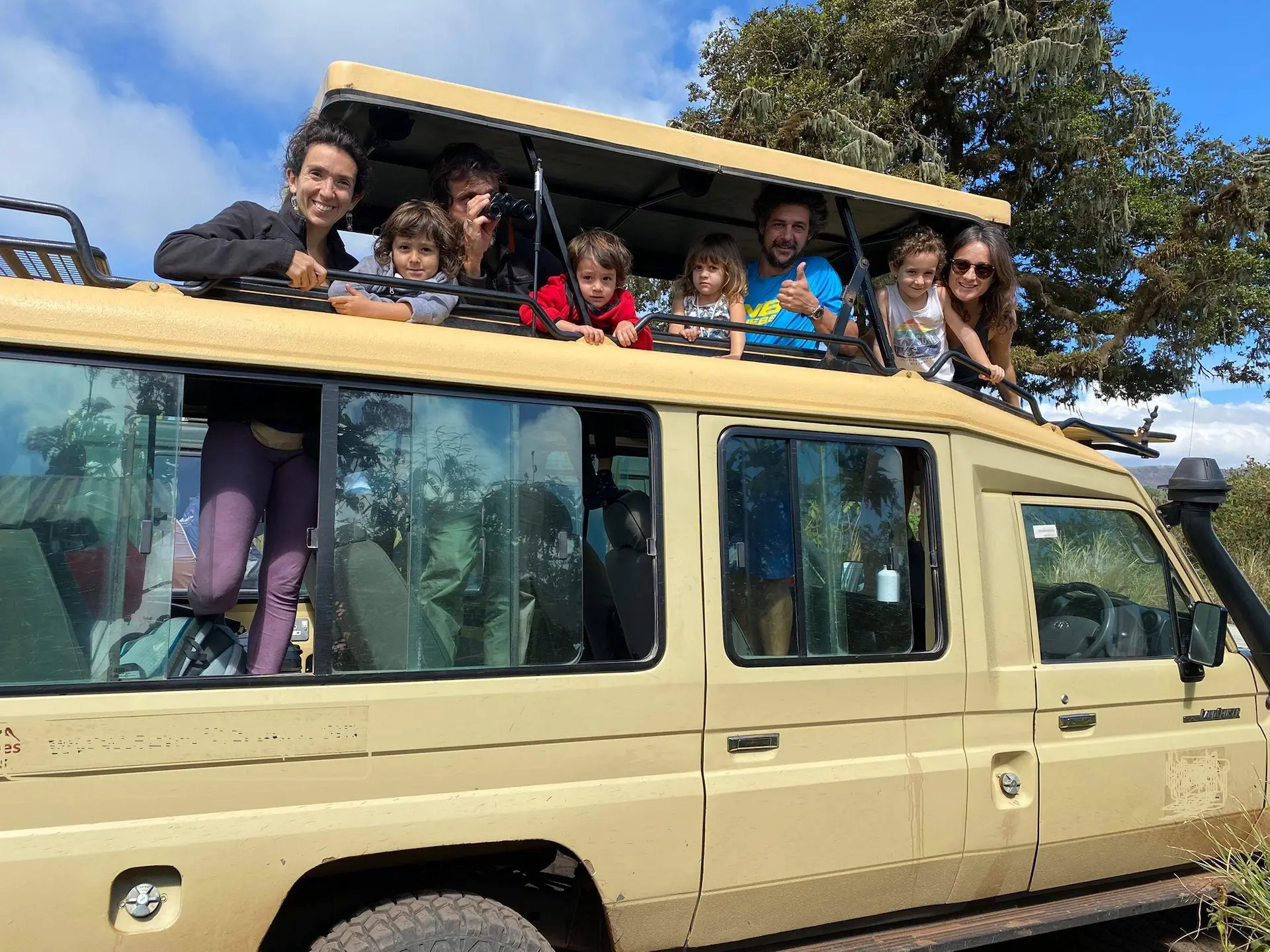
Private vehicles and guides are priced per vehicle, not per person, so larger groups often see lower per-person rates.
- →Families and friend groups benefit most
- →Solo travellers sometimes join shared group departures for savings
Number of parks
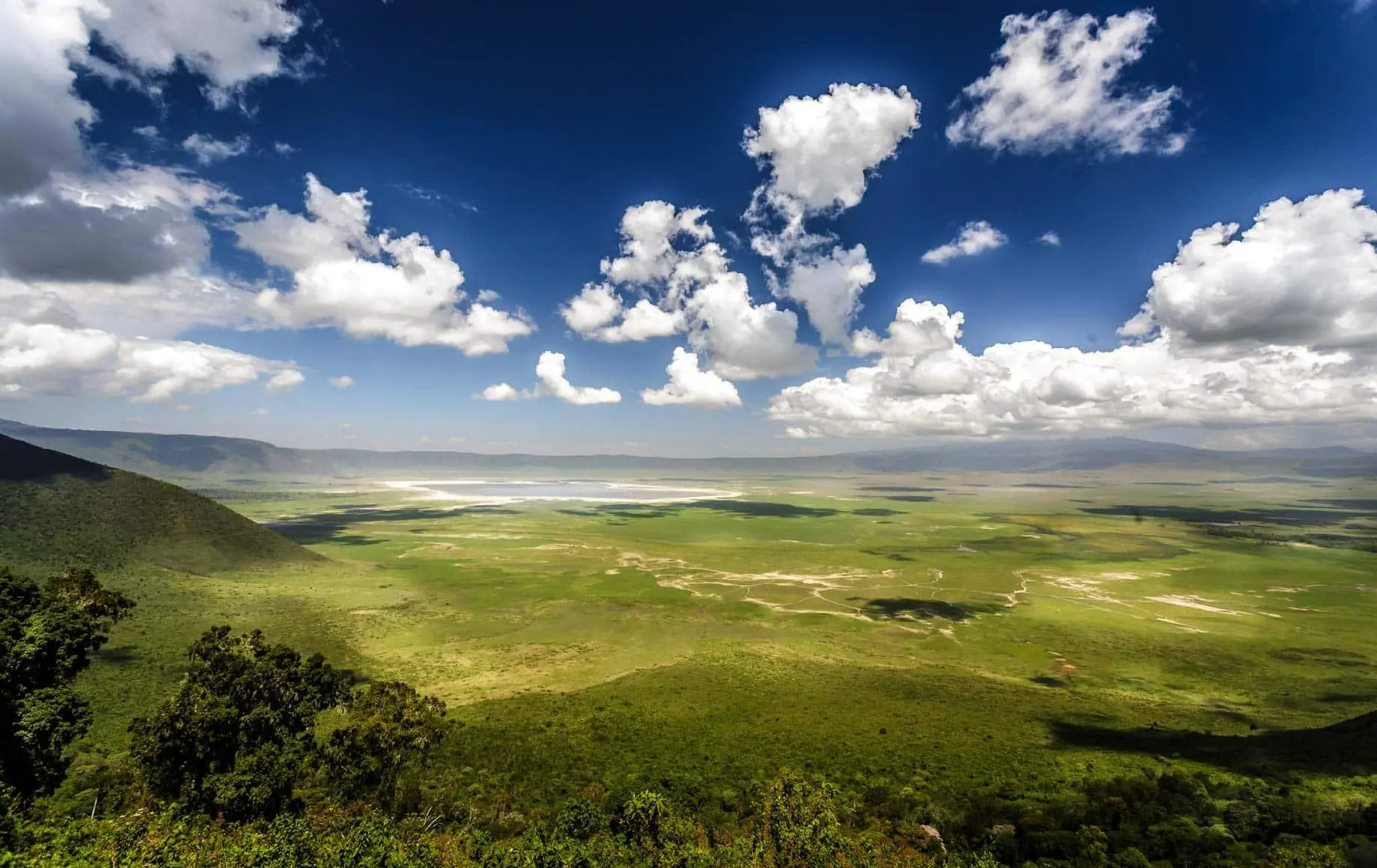
Each additional park adds its own conservation fees and transfer time — a focused itinerary can be more cost-efficient than a rushed multi-park tour.
- →Fewer parks with more nights each often beats a checklist tour
- →Ngorongoro Crater has its own separate crater-descent fee
Crater + Serengeti
Lower total nights; still need enough Serengeti time to feel worth it.
Classic circuit
Tarangire/Manyara + Ngorongoro + Serengeti — best balance for many guests.
Migration focus
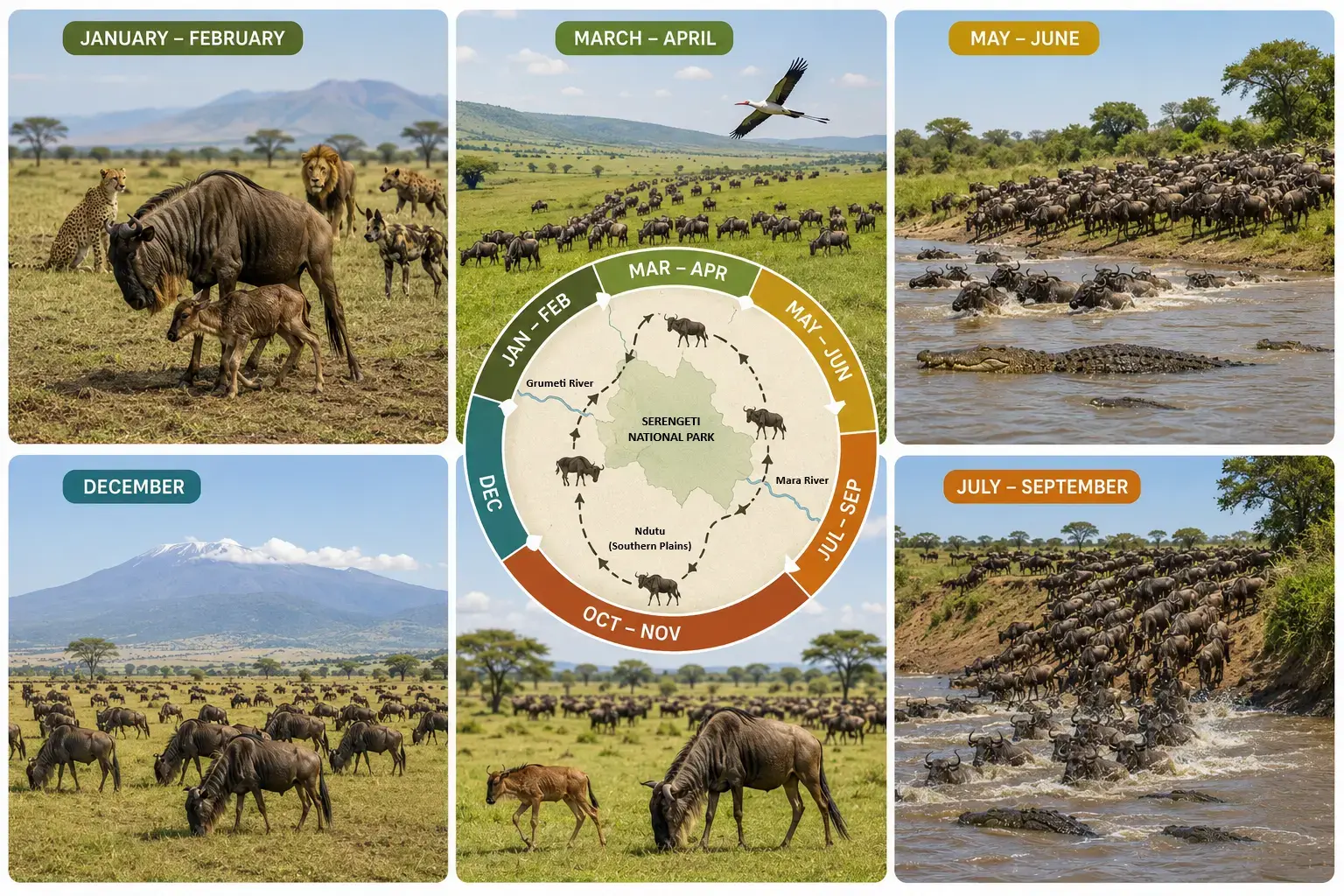
Extra Serengeti nights in the right zone for calving or crossings.
Get a number for your dates
Tell us month, nights, and comfort level — we’ll send a transparent Serengeti-centred quote.