Immersive Experience
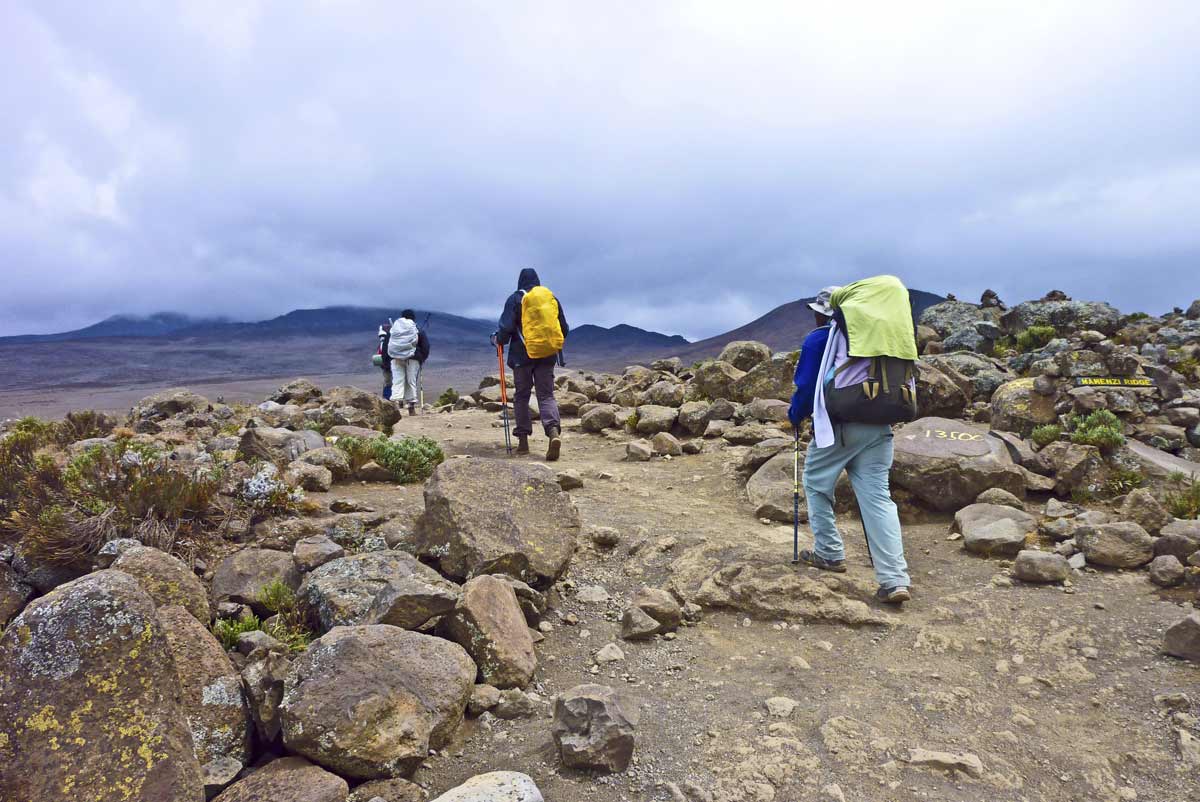
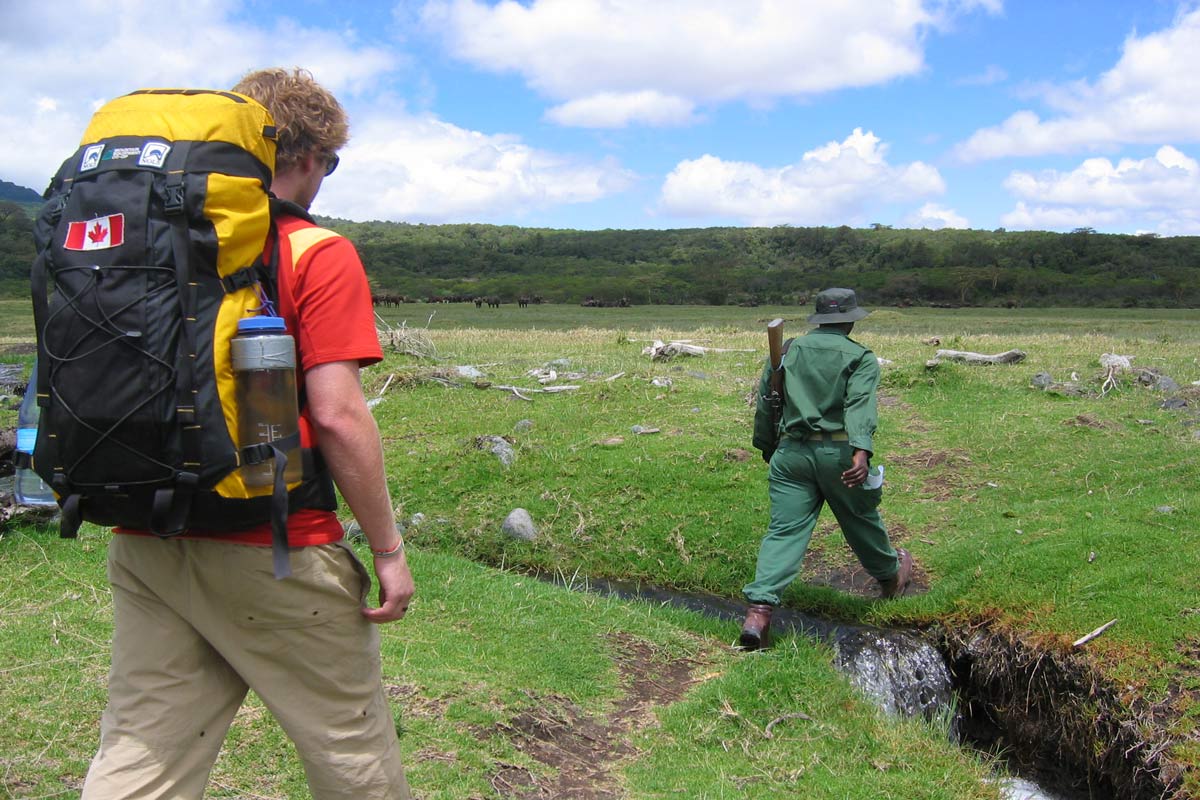
Walking puts you in direct contact with the environment. Feel the earth beneath your feet, hear the rustle of leaves, smell the wild herbs, and connect with nature in a way no vehicle can offer.
Explore Tanzania on foot — trek through misty mountains, lush rainforests, and sweeping highlands. Every step reveals a new dimension of Africa's wild beauty.
A Tanzania hiking safari is the most intimate way to connect with Africa's landscapes. Walking through ancient forests, across volcanic highlands, and along mountain ridges, you'll experience the continent in its purest form — at your own pace, with every sense engaged.
From the legendary slopes of Mount Kilimanjaro to the hidden trails of the Usambara Mountains, our expertly guided treks reveal Tanzania's stunning diversity. Whether you're a seasoned mountaineer or a passionate day hiker, we have the perfect trail for you.
Discover what makes a Tanzania hiking safari with Januz Safaris the adventure of a lifetime — an immersive journey through Africa's most breathtaking landscapes.
Walking puts you in direct contact with the environment. Feel the earth beneath your feet, hear the rustle of leaves, smell the wild herbs, and connect with nature in a way no vehicle can offer.
Our guides are certified wilderness specialists with extensive knowledge of Tanzania's flora, fauna, and cultural heritage. They bring every trail to life with stories, insights, and unparalleled expertise.
Escape the crowds and discover hidden corners of Tanzania that most visitors never see. Our trails venture into remote forests, forgotten villages, and pristine wilderness areas.
We practice low-impact tourism, supporting local communities and conservation initiatives. Your trek directly contributes to the preservation of Tanzania's natural and cultural heritage.
From misty mountain sunrises to vibrant forest flora, hiking offers photographers endless opportunities to capture Tanzania's beauty from unique, ground-level perspectives.
Your safety is paramount. All guides are trained in wilderness first aid and mountain rescue. We maintain strict safety protocols, provide quality equipment, and carry comprehensive emergency plans.
Tanzania offers some of Africa's most spectacular hiking and trekking destinations. From towering peaks to lush highlands, each trail delivers a unique adventure.
Africa's highest peak at 5,895m offers the trek of a lifetime. Multiple routes including the Machame, Lemosho, and Rongai trails pass through five distinct climate zones — from lush rainforest to arctic summit. A bucket-list adventure for every hiker.
Often called the training peak for Kilimanjaro, Mount Meru (4,566m) is a magnificent volcanic cone in its own right. The trek circles the massive crater before a dramatic final ridge ascent at sunrise — offering some of the most spectacular views in Tanzania.
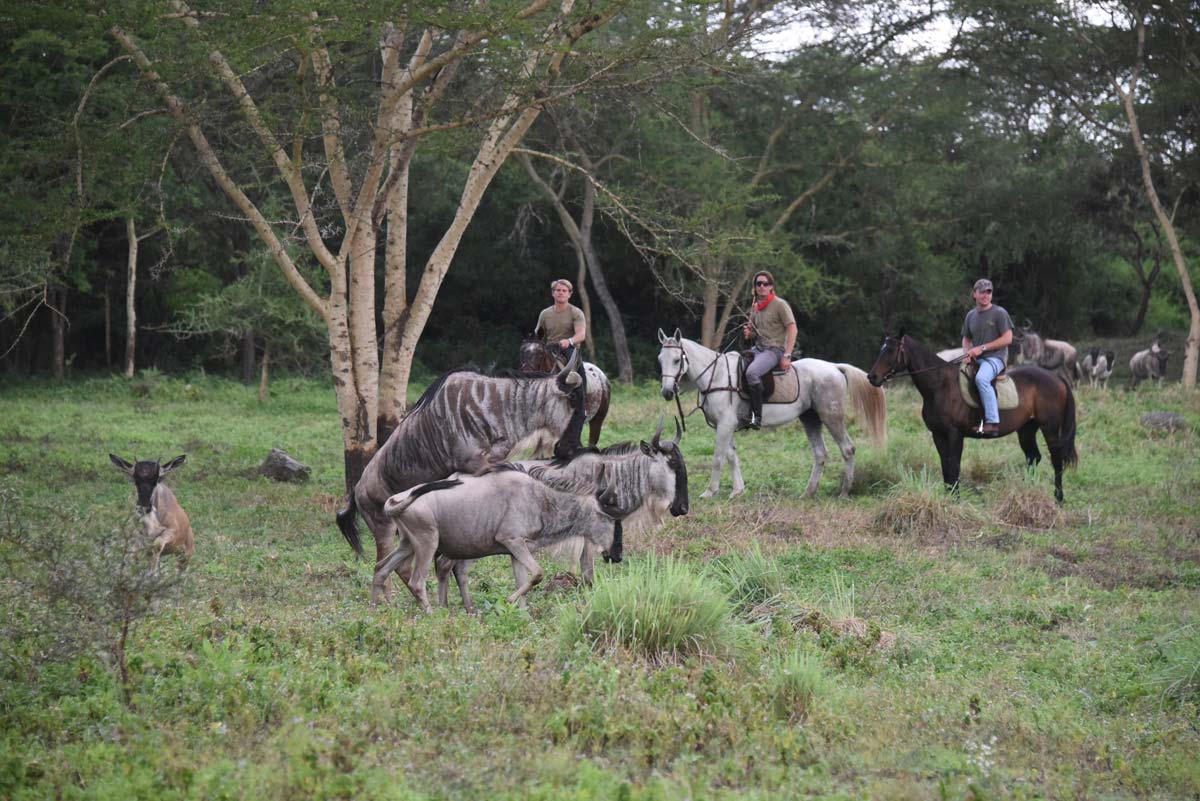
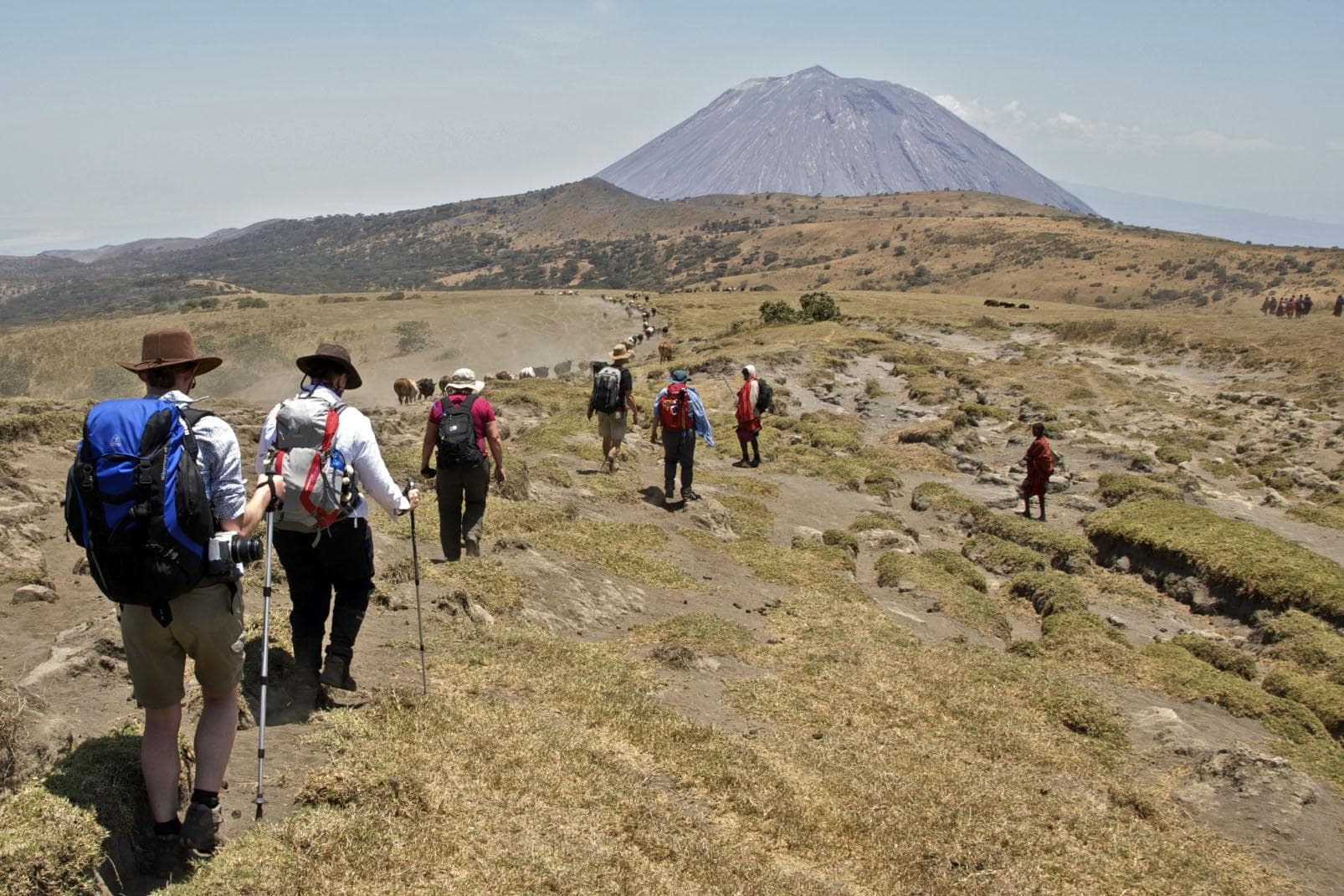
Walk across the crater highlands with a Maasai guide, visiting remote villages, Lake Empakaai, and the active Ol Doinyo Lengai volcano. These walking safaris offer intimate encounters with wildlife and a deep cultural connection to the land.
Dubbed the "Galapagos of Africa," the Usambara Mountains are a biodiversity hotspot with ancient forests, rare endemic species, and panoramic viewpoints. The network of village-to-village trails offers some of Tanzania's finest day hikes and multi-day treks.
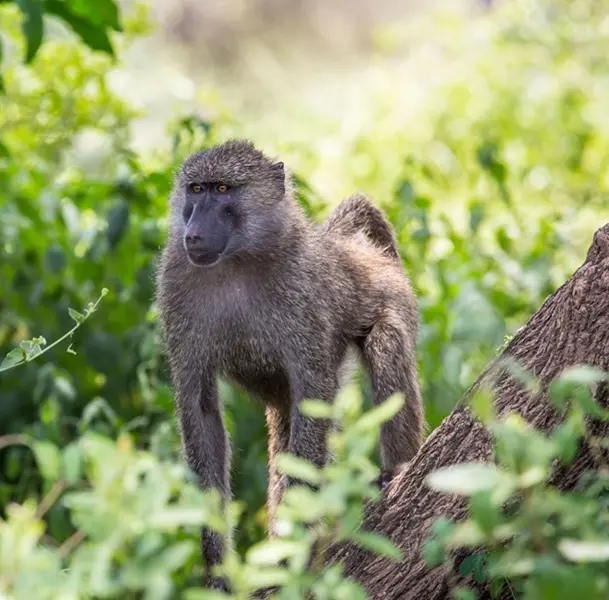
Tanzania's hiking trails pass through some of the most biodiverse habitats on Earth. From mountain forests to highland moors, keep your eyes open for these incredible species.
Elegant black-and-white colobus monkeys are a common sight in montane forests. Watch them leap between ancient trees with their long white tails streaming behind them like banners.
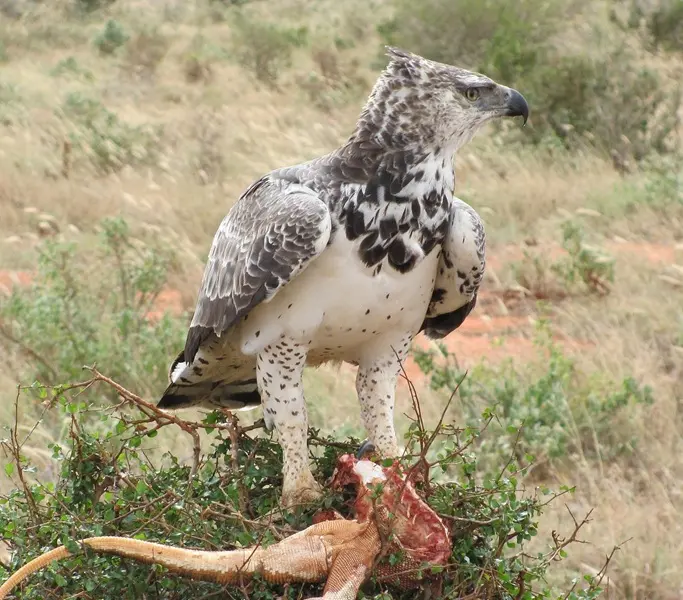
Tanzania's mountains and forests are home to over 1,000 bird species including the striking Hartlaub's turaco, silvery-cheeked hornbill, and the endemic Usambara eagle-owl.
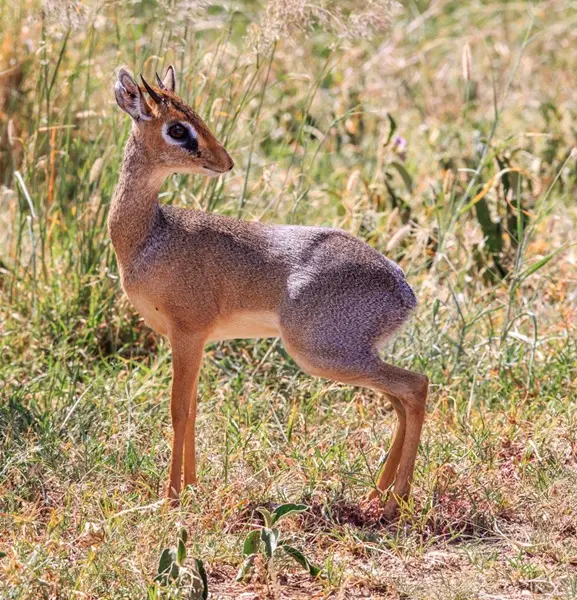
These tiny antelopes are often spotted along forest edges and scrubland trails. Standing just 30-40cm tall, they are masters of camouflage and incredibly alert to movement.
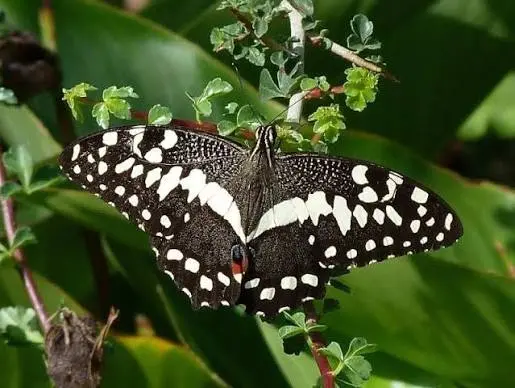
The forests of the Usambaras and Eastern Arc Mountains are world-famous for butterfly diversity. Hundreds of species in every imaginable color flutter along sun-dappled trails.
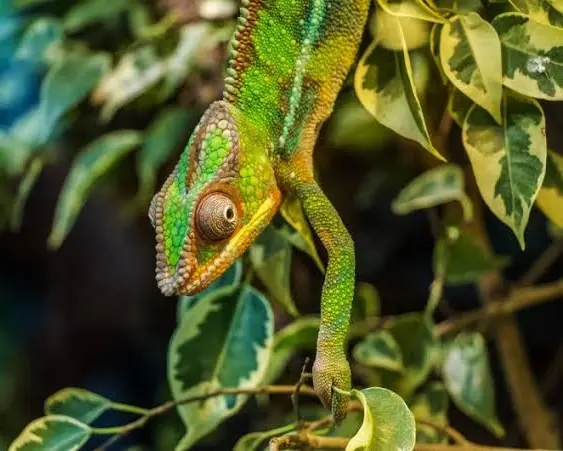
These masters of disguise inhabit Tanzania's mountain forests. Look carefully on branches and leaves — several endemic species are found only in the Eastern Arc Mountains.
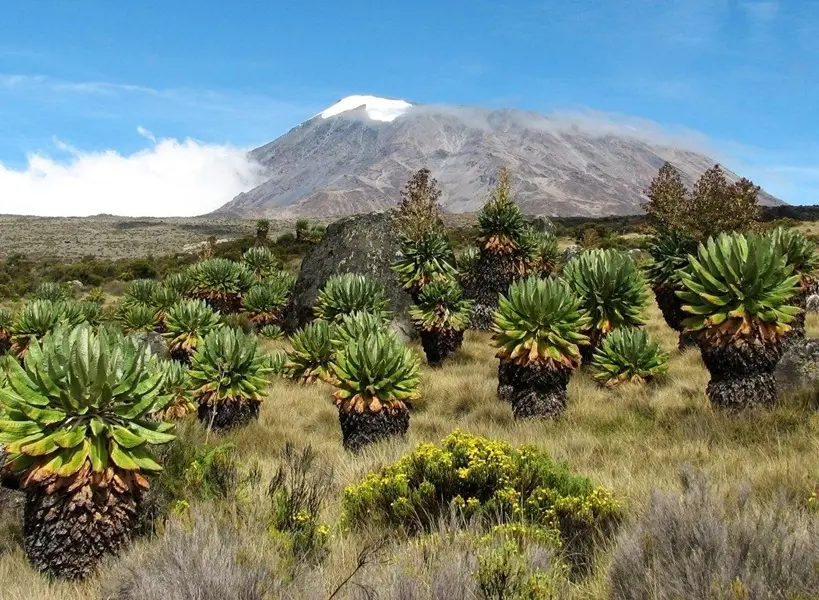
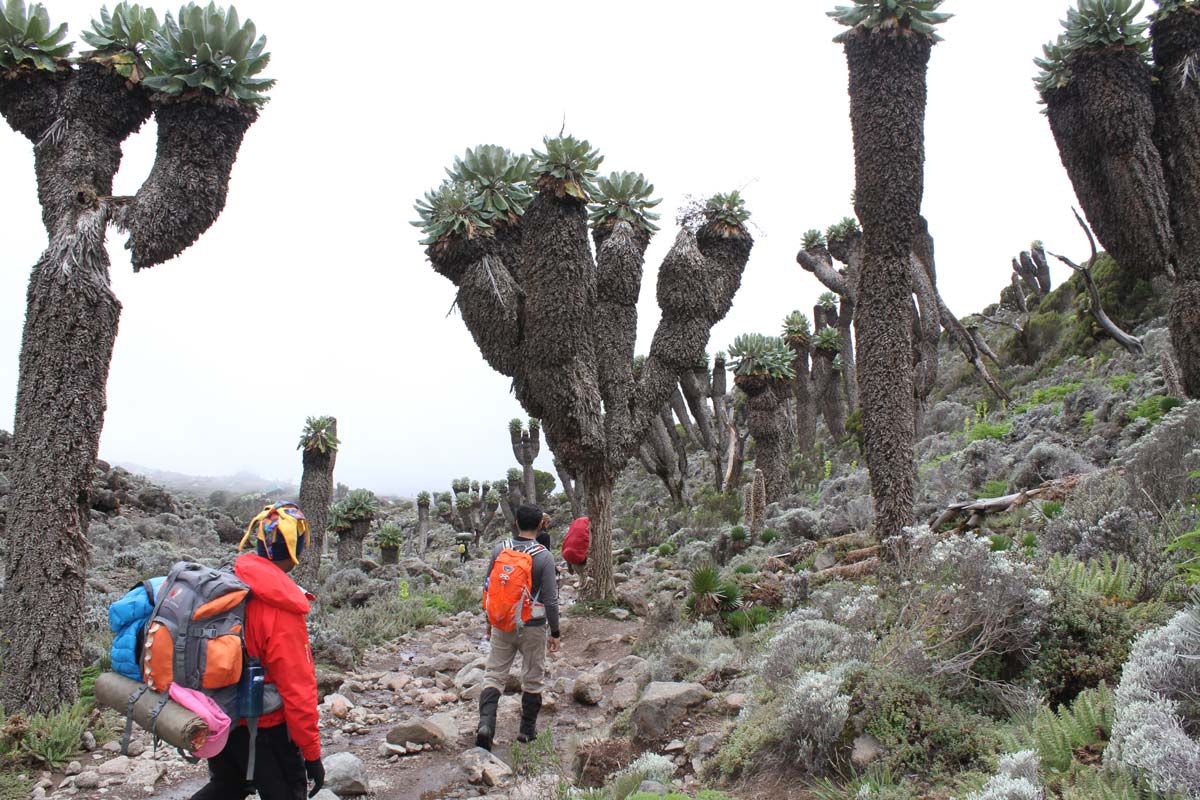
From giant groundsel and lobelia on the alpine moors to ancient podocarpus forests and colorful orchids — the plant life on Tanzania's trails is as spectacular as its wildlife.
From the first step on the trail to the summit sunrise — here's what a typical multi-day trekking safari with Januz Safaris looks like.
Arrive in Arusha or Moshi where your guide welcomes you. After a detailed briefing on the route, gear check, and safety orientation, you'll enjoy a traditional welcome dinner and rest before your adventure begins.
Your trek begins early. The first day typically starts through lush montane rainforest with towering trees, vines, and dense undergrowth. Keep an eye out for colobus monkeys and colorful birds as the trail gently ascends through the shade.
Emerge from the treeline into moorland and high-altitude heath. The landscape opens dramatically with giant groundsels, lobelias, and sweeping views across neighboring peaks and valleys below.
Acclimatization day with an optional higher hike before returning to camp. These "climb high, sleep low" days are essential for altitude adaptation and offer stunning photography opportunities.
Start before midnight under a blanket of stars. The summit push is the ultimate challenge — a steady ascent through the darkness, culminating in a sunrise at the top that will stay with you forever.
Descend through the day, celebrating your achievement with your team. Return to your lodge for a hot shower, a hearty celebration dinner, and the presentation of your summit certificate.
A glimpse into the magic of trekking through Tanzania's most breathtaking landscapes — captured by our guides and guests on the trail.
Interactive map showing our hiking and trekking locations across Tanzania's most scenic mountain ranges, highlands, and forest reserves.
Interactive map showing our hiking and trekking locations across Tanzania's most scenic mountain ranges, highlands, and forest reserves.
Tanzania's climate varies by region and altitude. Understanding the best seasons ensures optimal trail conditions, clear views, and a safe trekking experience.
The best time for trekking across Tanzania. Clear skies, minimal rain, and excellent trail conditions. Kilimanjaro and Meru see their highest success rates during these months. Daytime temperatures are pleasant at lower elevations, while summit nights can be very cold. Book well in advance.
Lush green landscapes with occasional short rains, mostly in November. January and February offer excellent trekking conditions with warmer temperatures and vibrant vegetation. Great for photography with dramatic clouds and clear mornings. Trails are quieter than peak season.
The wettest months with heavy afternoon rains. Not recommended for Kilimanjaro or long treks due to slippery trails and reduced visibility. However, this period offers the lowest prices, empty trails, and spectacular green scenery for experienced hikers prepared for wet conditions.
Our top recommended trekking windows. January–February offers warm days, green landscapes, and excellent summit conditions. July–September provides the most stable weather with the highest probability of clear summit views. Both periods deliver exceptional trekking experiences.
Your safety is our highest priority. From altitude management to emergency protocols, every aspect of your trek is designed with your well-being in mind.
Our itineraries follow proven acclimatization profiles. We incorporate "climb high, sleep low" days and maintain a slow, steady pace. Guides monitor all trekkers for altitude symptoms throughout the journey.
All guides are certified in wilderness first aid, high-altitude medicine, and mountain rescue. They carry comprehensive first aid kits, portable oxygen, and satellite communication devices on every trek.
Every trek includes detailed emergency response plans. We maintain direct communication with park authorities, rescue services, and evacuation facilities. Emergency oxygen and stretchers are carried on summit nights.
We monitor weather conditions continuously and adjust plans accordingly. Treks never proceed in unsafe conditions. Our guides are trained to recognize changing weather patterns and make informed decisions.
We provide or recommend top-quality gear including four-season tents, insulated sleeping mats, high-altitude sleeping bags, trekking poles, and proper rain gear. Equipment is inspected before every trek.
All trekkers must have comprehensive travel insurance covering high-altitude trekking and emergency evacuation. We handle all national park permits, conservation fees, and registration requirements.
Make the most of your Tanzania hiking adventure with insider tips from our experienced guides and mountain professionals.
Start training at least 8 weeks before your trek. Focus on cardiovascular fitness, leg strength, and hiking with a loaded daypack. Stair climbing and incline treadmill work are excellent preparation.
Your duffel bag for porters should not exceed 15kg. Pack in a waterproof stuff sack — rain can arrive suddenly. Essentials include trekking poles, a headlamp with spare batteries, and high-SPF sunscreen.
Drink 3-4 liters of water daily during your trek. Proper hydration is the single most effective way to combat altitude sickness and maintain energy. Add electrolyte tablets for best results.
The golden rule of high-altitude trekking is "pole pole" (slowly, slowly). Walk at a steady pace that allows you to maintain a conversation. Your guide will set the pace — trust their experience.
Temperature swings from tropical heat to freezing cold are extreme. Wear a moisture-wicking base layer, insulating mid-layer, and waterproof outer shell. Remove and add layers as you warm up or cool down.
Altitude affects everyone differently regardless of fitness. Listen to your body and communicate honestly with your guide. There is no shame in turning back — the mountain will always be here.
A reasonable level of fitness is recommended. Our treks range from moderate day hikes to multi-day mountain climbs. We provide detailed fitness guidelines for each trek and recommend preparing with regular walking or hiking before your trip.
Essential items include sturdy hiking boots, moisture-wicking clothing, a warm layer for high altitudes, rain jacket, sun protection, water bottles, headlamp, and a daypack. A full packing list is provided upon booking.
Yes, altitude can affect trekkers above 2,500m. Our itineraries include proper acclimatization days, slow ascent profiles, and our guides are trained to recognize and respond to altitude sickness symptoms. Safety is always our priority.
The best time for hiking and trekking in Tanzania is during the dry seasons: June to October and January to February. These months offer clear skies, moderate temperatures, and excellent trail conditions.
Absolutely. All our guides are certified wilderness first responders, trained in mountain rescue, and have extensive experience leading treks across Tanzania's diverse terrain. Many are certified through Kilimanjaro National Park or the Tanzania Mountain Guide Association.
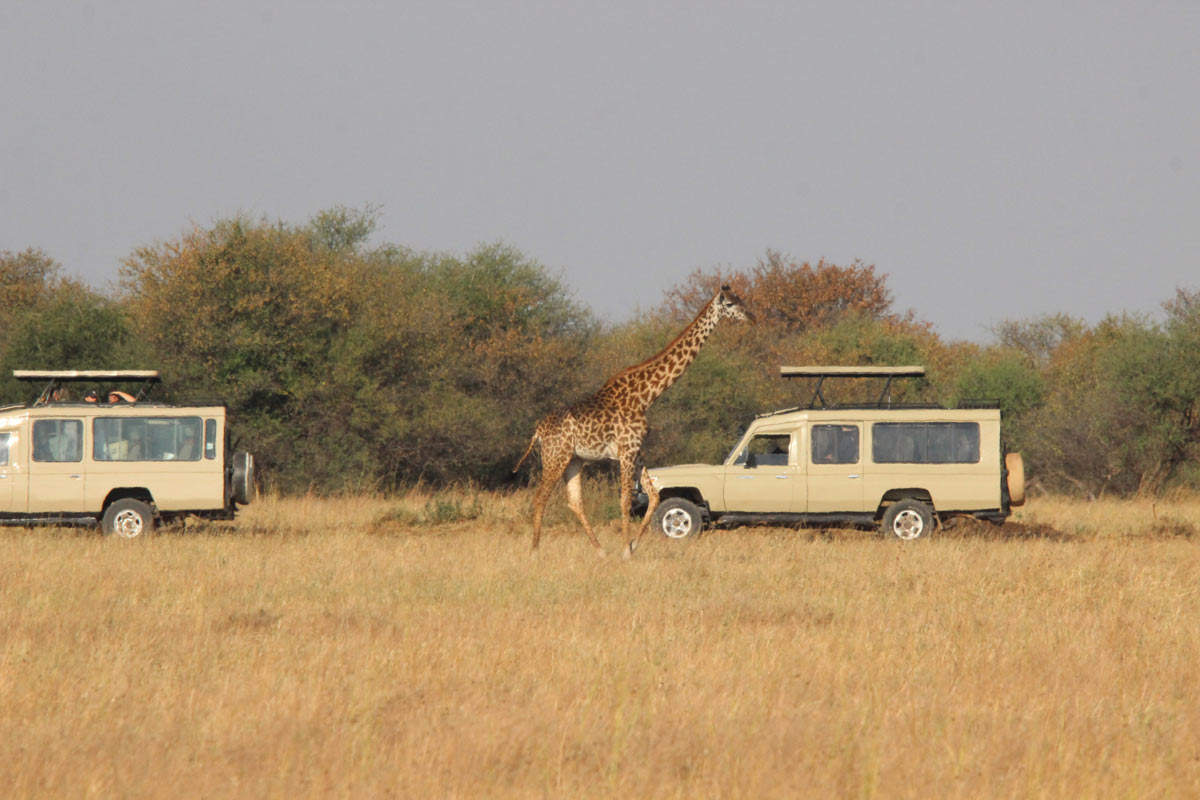
Yes, we offer combined itineraries that pair trekking adventures with classic game drives. This allows you to experience Tanzania's landscapes on foot and from a safari vehicle in a single unforgettable trip.
Accommodation varies by trek. Mountain climbs include mountain huts or tents. Highlands and forest treks use eco-lodges, tented camps, or luxury tented accommodations depending on the package selected.
Booking is easy. Contact us via phone, email, or our online enquiry form. Our team will help you choose the right trek, check availability, and handle all arrangements including permits, guides, porters, and accommodation.
Book your Tanzania hiking safari today and experience the mountains, forests, and highlands like never before. Our expert team is ready to craft your perfect adventure.