Bushcraft Skills
Learn ancient survival techniques from expert guides — identify edible plants, track animals by their prints, read the wind, and understand the subtle language of the African bush.
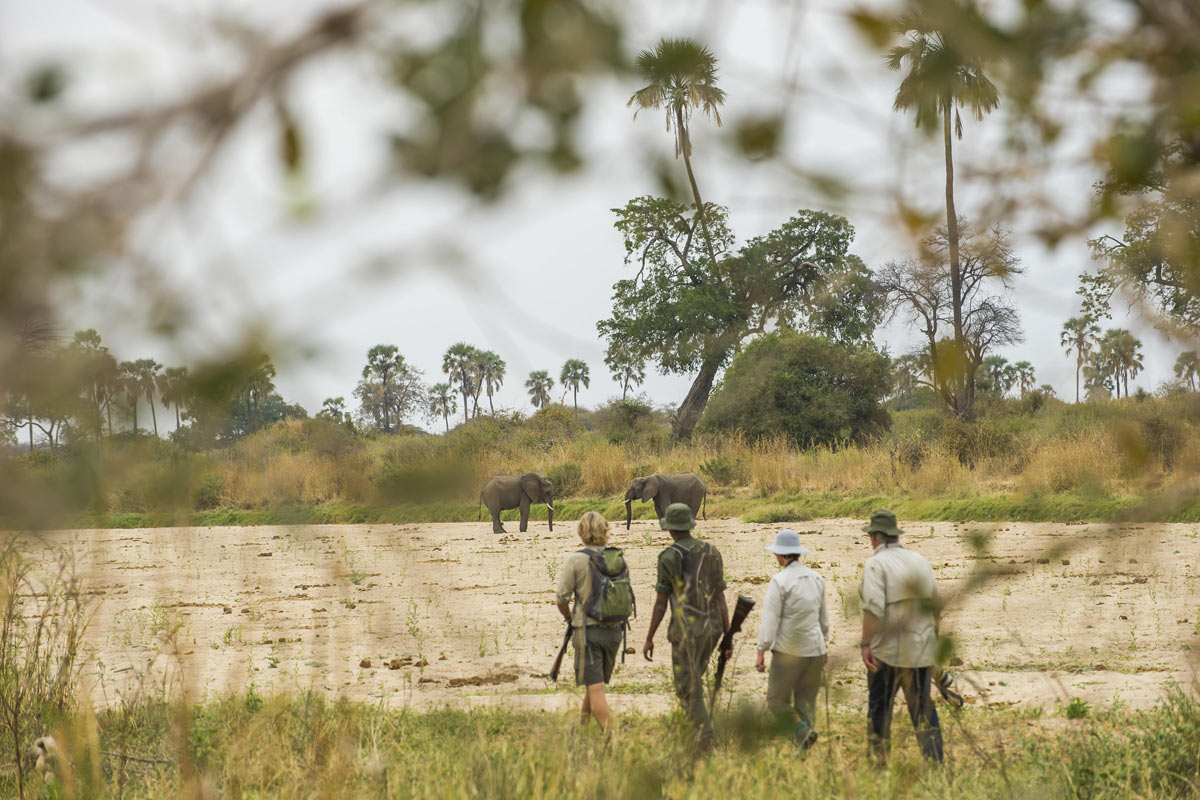
Step into the wild and experience Tanzania like never before — on foot. Feel the earth beneath your boots, read the tracks of unseen animals, and reconnect with nature in its purest form.
A walking safari strips away the engine and chassis, leaving only you and the African bush. Every sense awakens — the crunch of dry grass underfoot, the scent of wild sage after rain, the distant alarm call of a gazelle warning of danger.
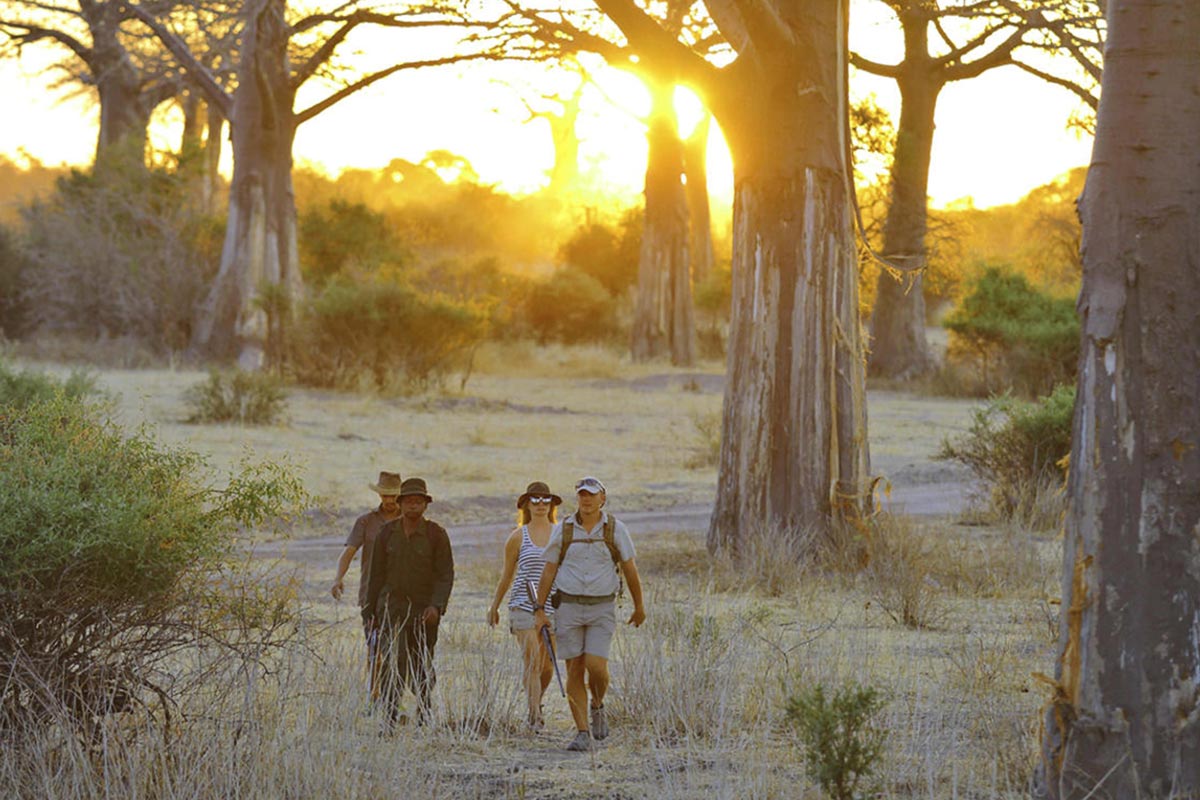
Led by expert armed rangers and walking guides, you'll discover a world that vehicle-based safaris can never reveal: the intricate tracks of a leopard, the medicinal plants used by Maasai healers, and the micro-ecosystem teeming at your feet. This is Tanzania as it was meant to be experienced.
Discover the unmatched intimacy of exploring Africa on foot — where every step tells a story and every moment brings you closer to the wild.
Learn ancient survival techniques from expert guides — identify edible plants, track animals by their prints, read the wind, and understand the subtle language of the African bush.
Approach wildlife on their terms. Without the noise of an engine, you'll hear birdsong, the rustle of a mongoose in the undergrowth, and the deep breathing of the savannah itself.
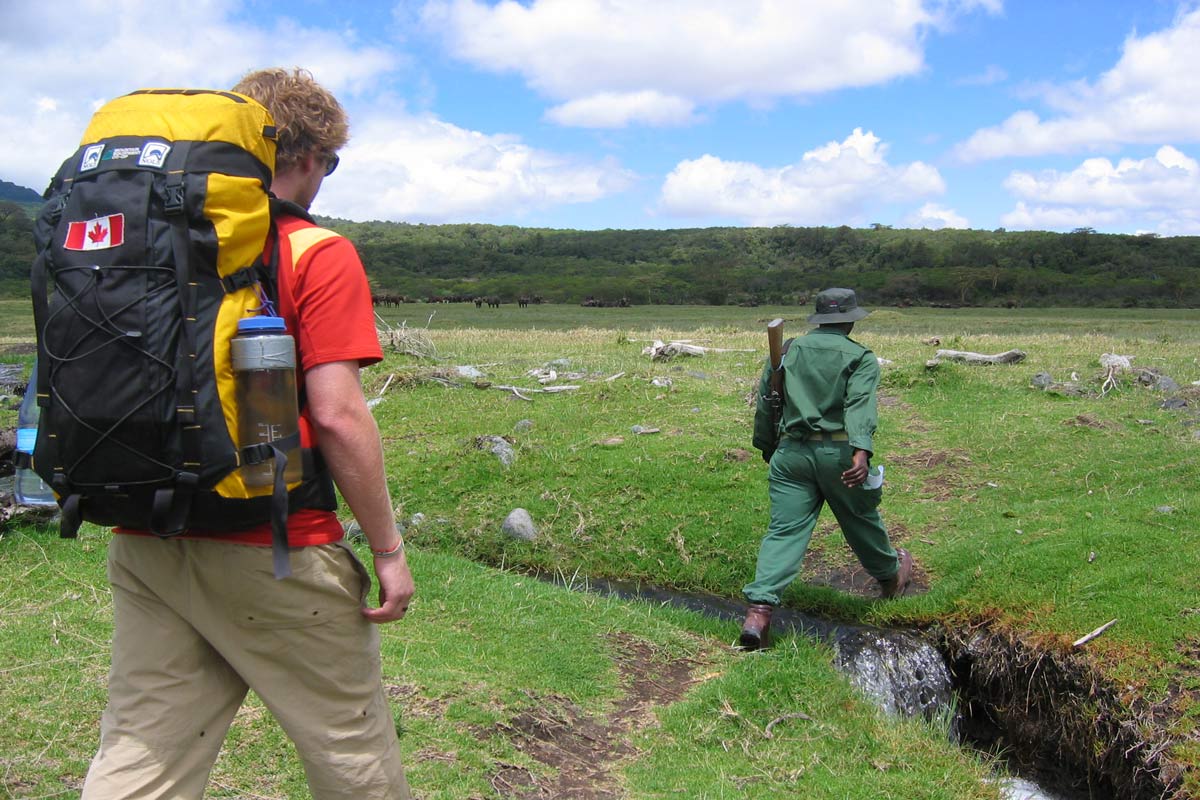
Every walk is led by an armed park ranger and an expert walking guide. Strict safety protocols, group size limits, and real-time wildlife tracking ensure a secure experience.
Feel the earth beneath your feet and the sun on your face. Walking at ground level creates a profound sense of belonging — you become part of the landscape, not an observer inside a vehicle.
Morning walks begin at dawn when the bush is most active and temperatures are cool. Evening walks offer spectacular sunset views and crepuscular wildlife activity.
Our walking guides are certified naturalists with years of field experience. Many have grown up in the areas they guide, carrying generations of indigenous knowledge about the land.
Tanzania's diverse landscapes offer extraordinary walking experiences. From open savannah to volcanic highlands, each destination brings a unique flavour to your walking safari.
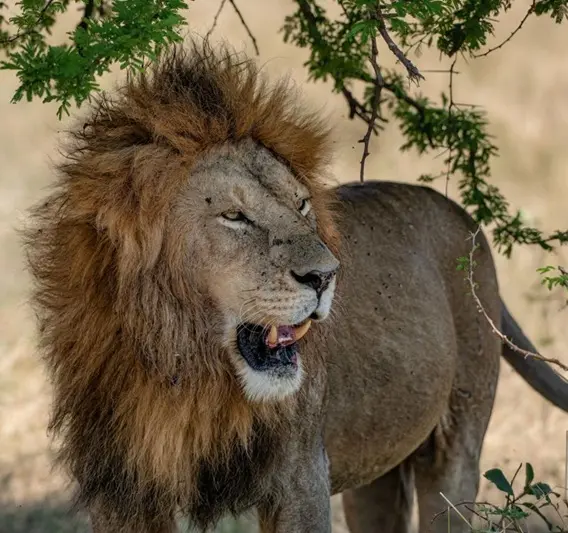
Walk the endless plains of the Serengeti with an armed ranger. Explore kopjes where lions laze, follow migration trails worn deep by thousands of hooves, and learn the secrets of the savannah from expert Maasai guides.
Trek along the rim of the world's largest intact volcanic caldera. Descend into the crater on foot with a ranger for an intimate wildlife experience, surrounded by the dramatic walls of this natural amphitheatre.
Follow the Tarangire River on foot through ancient baobab forests. This dry-season haven attracts vast elephant herds, and walking here offers unparalleled encounters with these gentle giants from a safe, guided distance.
Explore one of Africa's largest wilderness areas on foot. The Selous offers remote, multi-day walking safaris away from any vehicles — just you, the guides, and the wild Rufiji River ecosystem stretching to the horizon.
Walking safaris reveal a hidden world that vehicle travellers miss entirely. From the tiniest insect to the tallest giraffe, every step uncovers something extraordinary.
Learn to read the bush like a book — fresh lion prints in the dust, the drag mark of a python, or the delicate footprint of a dik-dik. Every track tells a story of what passed before you.
Discover the bush pantry — wild fruits, medicinal leaves, and edible roots that have sustained communities for centuries. Your guide will show you which plants heal and which nourish.
The African bush teems with incredible insects — from the mighty dung beetle rolling its prize to the camouflaged stick insect and the brilliant wings of butterflies that migrate across the continent.
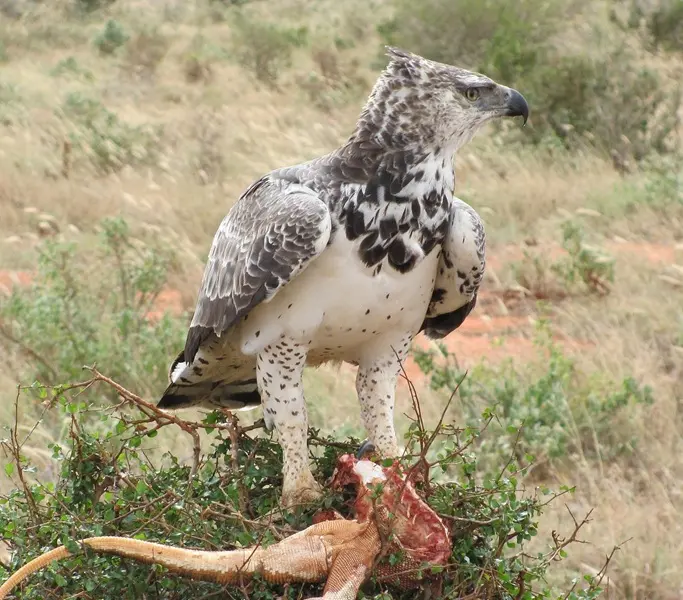
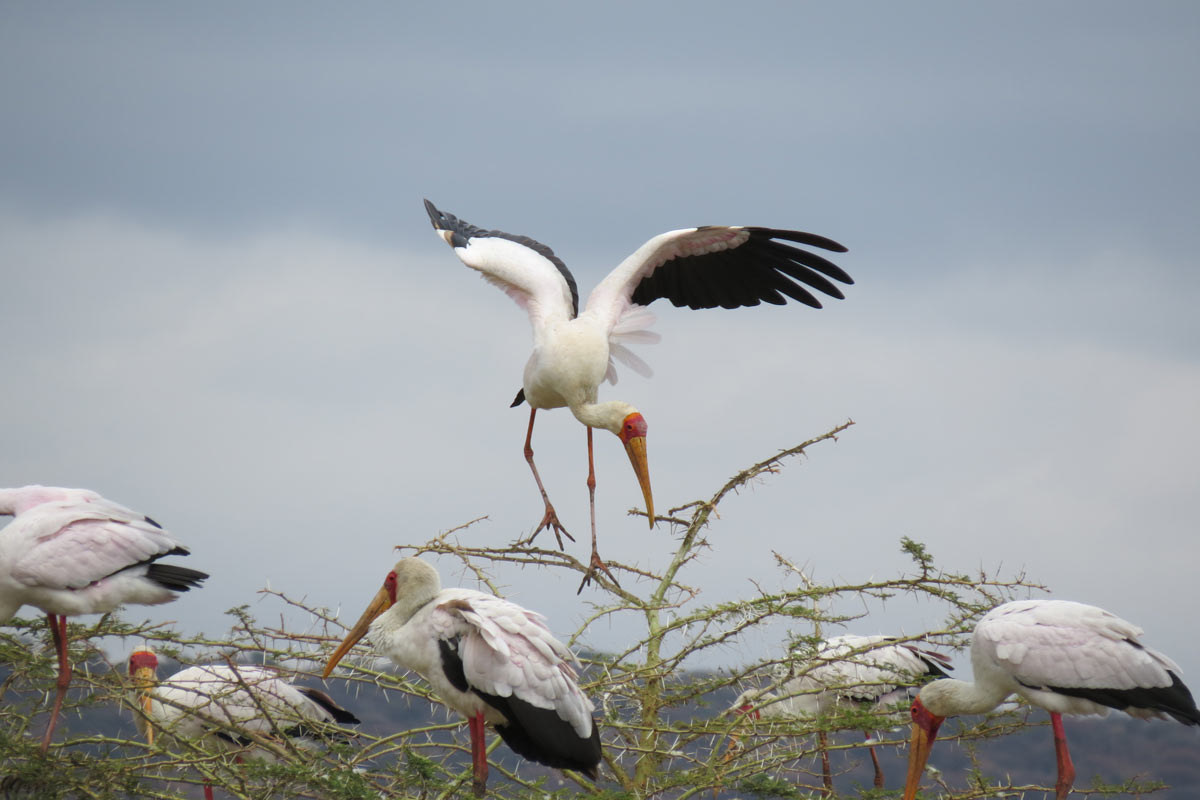
Tanzania is home to over 1,100 bird species. On foot, you'll learn to identify birds by their calls — the fish eagle's haunting cry, the go-away-bird's raucous alarm, and the lilac-breasted roller's aerial display.
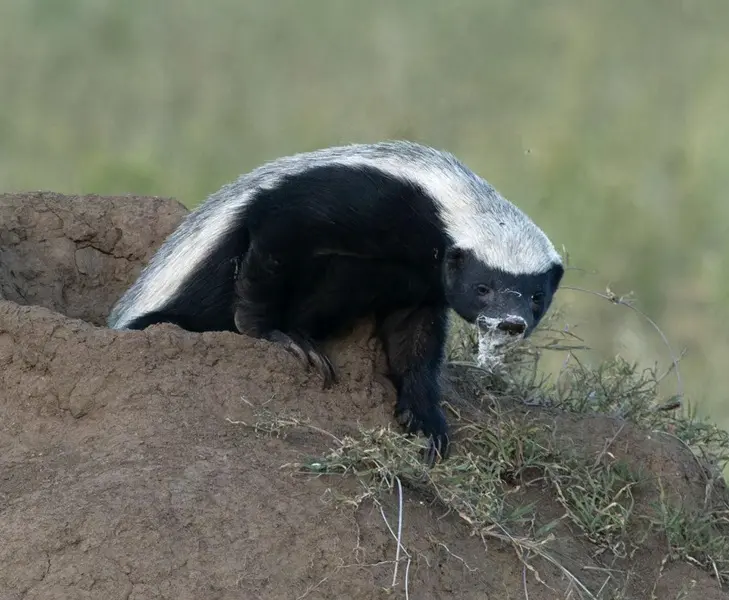
Spot the shy creatures that hide from vehicles — the banded mongoose, bushbuck, genet cat, and the endearing rock hyrax sunning itself on a kopje. Walking reveals a world of smaller wonders.
Watch the fascinating industry of dung beetles in action. These ecosystem engineers play a vital role in nutrient recycling, and observing their determined work is surprisingly captivating.
From pre-dawn pickup to a rewarding bush breakfast — here's what your walking safari day looks like, crafted for an immersive and safe adventure.
Meet your walking guide and armed ranger at camp. Enjoy tea and a light snack while your guide briefs you on the route, safety protocols, and what to expect on the trail ahead.
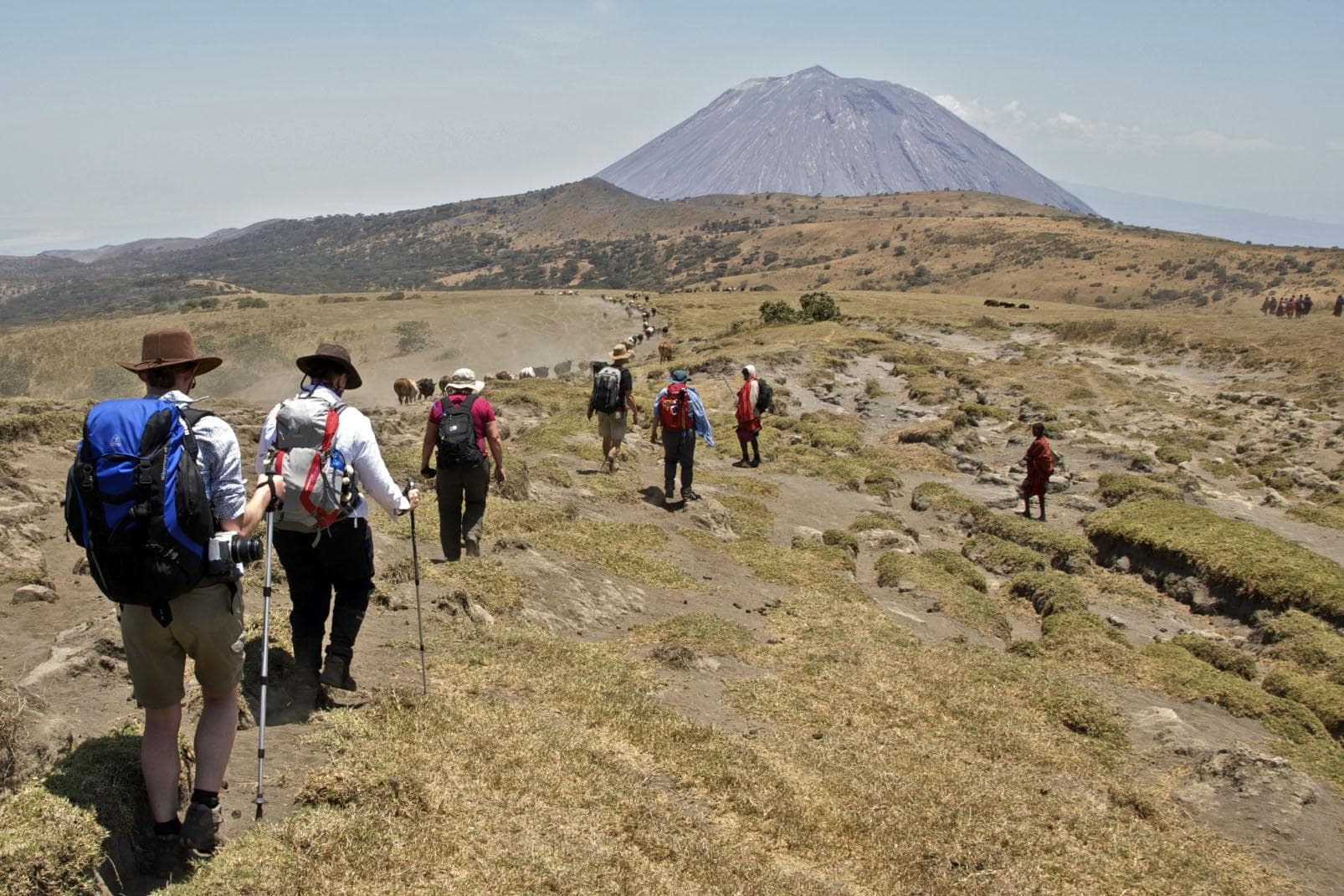
Step off into the golden morning light, single file behind your ranger. The bush awakens around you — birds call, the dew sparkles, and fresh animal tracks tell the story of the night's activity.
Your guide pauses to interpret tracks, point out medicinal plants, and identify bird calls. This is where the real magic of walking safaris unfolds — learning the language of the bush.
Approach a herd of giraffes or zebras downwind. Stand silently as they register your presence and decide you're not a threat. These moments of mutual awareness are what walking safaris are all about.
Find a scenic spot under an acacia tree for a bush breakfast. Freshly brewed coffee, boiled eggs, fruit, and pastries — all served in the open with the soundtrack of the savannah.
Make your way back to camp as the heat builds. Reflect on the morning's discoveries with your guide over a cool drink. The rest of the day is yours to relax or enjoy an afternoon game drive.
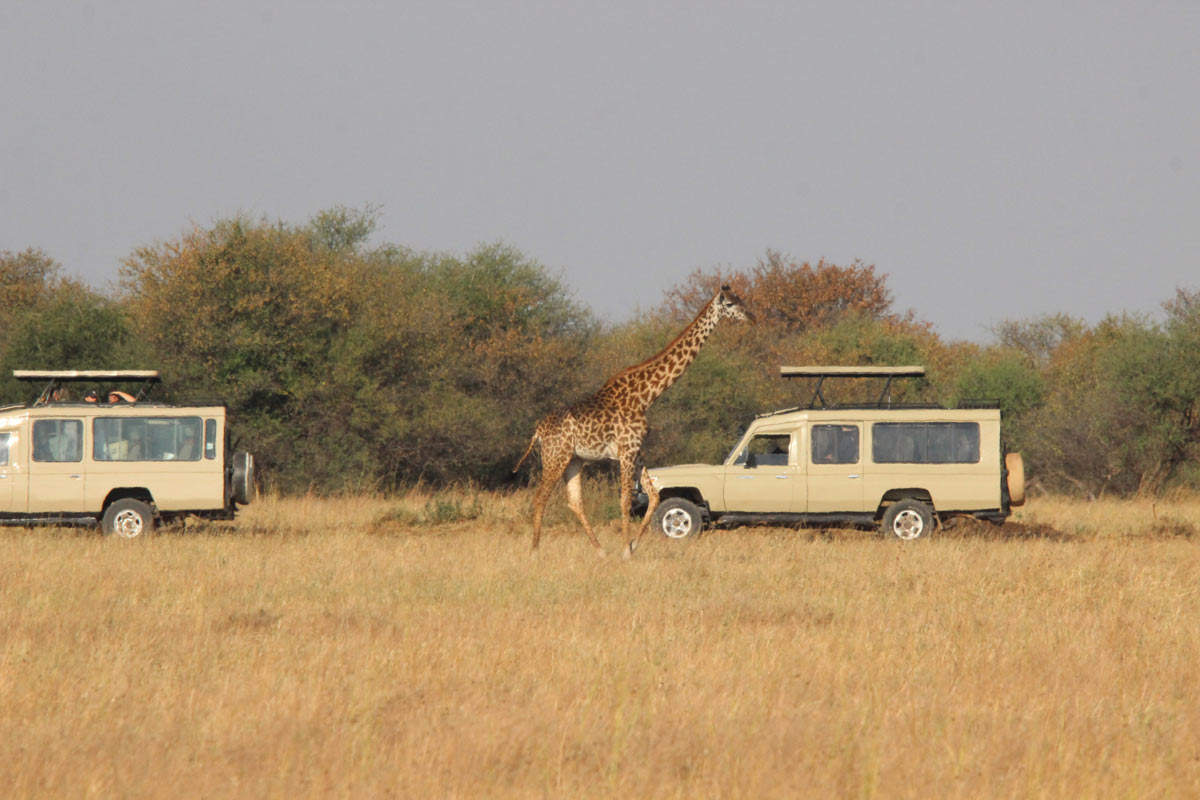
A glimpse into the intimate world of Tanzania walking safaris. Each image captures the raw beauty and quiet wonder of exploring Africa on foot.
Interactive map showing our walking safari locations across Tanzania's premier national parks and conservation areas.
Interactive map showing our walking safari locations across Tanzania's premier national parks and conservation areas.
Tanzania's climate varies by region and season. Understanding the best time ensures optimal wildlife viewing and comfortable walking conditions for your adventure.
The best time for walking safaris. Clear skies, minimal rain, and excellent wildlife viewing as animals congregate around water sources. Cool morning temperatures make for comfortable walking, with outstanding visibility and the most reliable conditions across all regions.
Lush green landscapes, fewer tourists, and lower prices. The landscape is spectacularly verdant, wildflowers bloom, and migratory birds are present. Morning walks remain possible with generally good conditions between rains, offering a quieter, more private experience.
The wettest months with fewer walking safaris operating. This period offers spectacular green scenery, abundant birdlife, and empty parks for experienced walkers who don't mind muddy trails and occasional downpours.
Our top recommended walking windows. January–February offers lush green landscapes, calving season wildlife activity, and comfortable temperatures. July–September provides prime dry-season conditions with excellent wildlife concentrations and the most reliable walking weather.
Your safety is our highest priority. Every walking safari is conducted with professional armed rangers and follows strict protocols to ensure a secure and unforgettable experience.
Every walk is accompanied by a professional armed park ranger trained in wildlife defence and emergency response. Their presence ensures both safety and peace of mind.
All guides carry satellite phones and two-way radios. Your whereabouts are tracked from camp, and we maintain constant communication with park headquarters throughout every walk.
Each walking group carries a comprehensive first aid kit. All guides are certified in wilderness first aid and emergency evacuation procedures.
Group sizes are limited to a maximum of 8 guests per walk. Smaller groups allow for better wildlife management, quieter movement, and more personalised attention from your guide.
Guides are experts in reading animal behaviour. They know when to advance, when to pause, and when to retreat — always prioritising safety while maximising the experience.
All walking routes are pre-scouted and assessed for hazards. Alternative routes are always available, and the decision to proceed or adjust rests entirely with the lead ranger based on conditions.
Make the most of your Tanzania walking safari with insider advice from our expert guides and rangers who know the bush intimately.
Khaki, olive, beige and other earth tones help you blend into the environment. Avoid bright colours that alarm wildlife and stand out against the natural palette of the bush.
Sturdy, broken-in hiking boots or walking shoes with good ankle support are essential. Rocky terrain, thorny vegetation, and uneven ground demand reliable footwear for comfort and safety.
The quieter you walk, the more you'll see and hear. Resist the urge to talk — let your guide's hand signals do the communicating. Silence is rewarded with close wildlife encounters.
The African sun is intense. Wear a wide-brimmed hat, sunglasses, and high-SPF sunscreen. Apply before departure and reapply during the walk, especially during the dry season.
Start hydrating the evening before your walk. Carry at least 1.5 litres of water and drink regularly. Dehydration creeps up quickly under the African sun and dulls your awareness.
Your guide's instincts and experience are your greatest asset. Follow their instructions immediately — whether it's to freeze, crouch, or retreat. They read signs you cannot see.
Yes, walking safaris are extremely safe when conducted with professional armed rangers and experienced guides. Our guides are trained in wildlife behavior, emergency protocols, and first aid. All walks follow strict safety procedures including group size limits, maintain safe distances from wildlife, and are accompanied by armed park rangers.
Wear neutral-coloured clothing (khaki, olive, beige) that blends with the environment. Comfortable closed-toe hiking boots or sturdy walking shoes are essential, long trousers and long-sleeved shirts protect against sun, insects, and thorny vegetation, and a wide-brimmed hat, sunglasses, and sunscreen are a must.
Walking safaris typically last 2–4 hours depending on the terrain, fitness level of the group, and wildlife activity. Morning walks usually start around 6:30 AM and return by 10:00–11:00 AM before the heat of the day. Full-day walking safaris with picnic lunches are also available in certain areas.
Walking safari prices range from $280 to $650 per person depending on the duration, location, and inclusions. This includes an expert walking guide, armed park ranger, park entry fees, and bottled water. Premium packages include private guides, gourmet bush lunches, and photography support.
A moderate level of fitness is recommended. Walks are conducted at a leisurely pace with frequent stops for interpretation and wildlife viewing. The terrain can be uneven with some hills and sandy sections. If you can walk for 2–3 hours comfortably, you will enjoy a walking safari. Customised walks are available for different fitness levels.
Children aged 8 years and above are welcome on walking safaris. Shorter, easier routes are available for families with younger participants. All children must be accompanied by an adult and follow safety briefings. Private family walking safaris are recommended for the best experience.
Walking safaris offer a ground-level perspective where you can observe smaller wildlife often missed on game drives: tracks and signs, dung beetles, colourful birds, insects, reptiles, and plant life. You may also encounter giraffes, zebras, antelopes, and elephants from a safe distance under the guidance of your ranger.
Walking safaris may be rescheduled or adjusted in case of heavy rain, extreme heat, or lightning. Your safety is the priority. In light drizzle, walks continue with appropriate gear. The dry season (June–October) offers the most reliable walking conditions.
Book your Tanzania walking safari today and experience the bush like never before. Our expert guides are ready to lead you into the heart of Africa.