
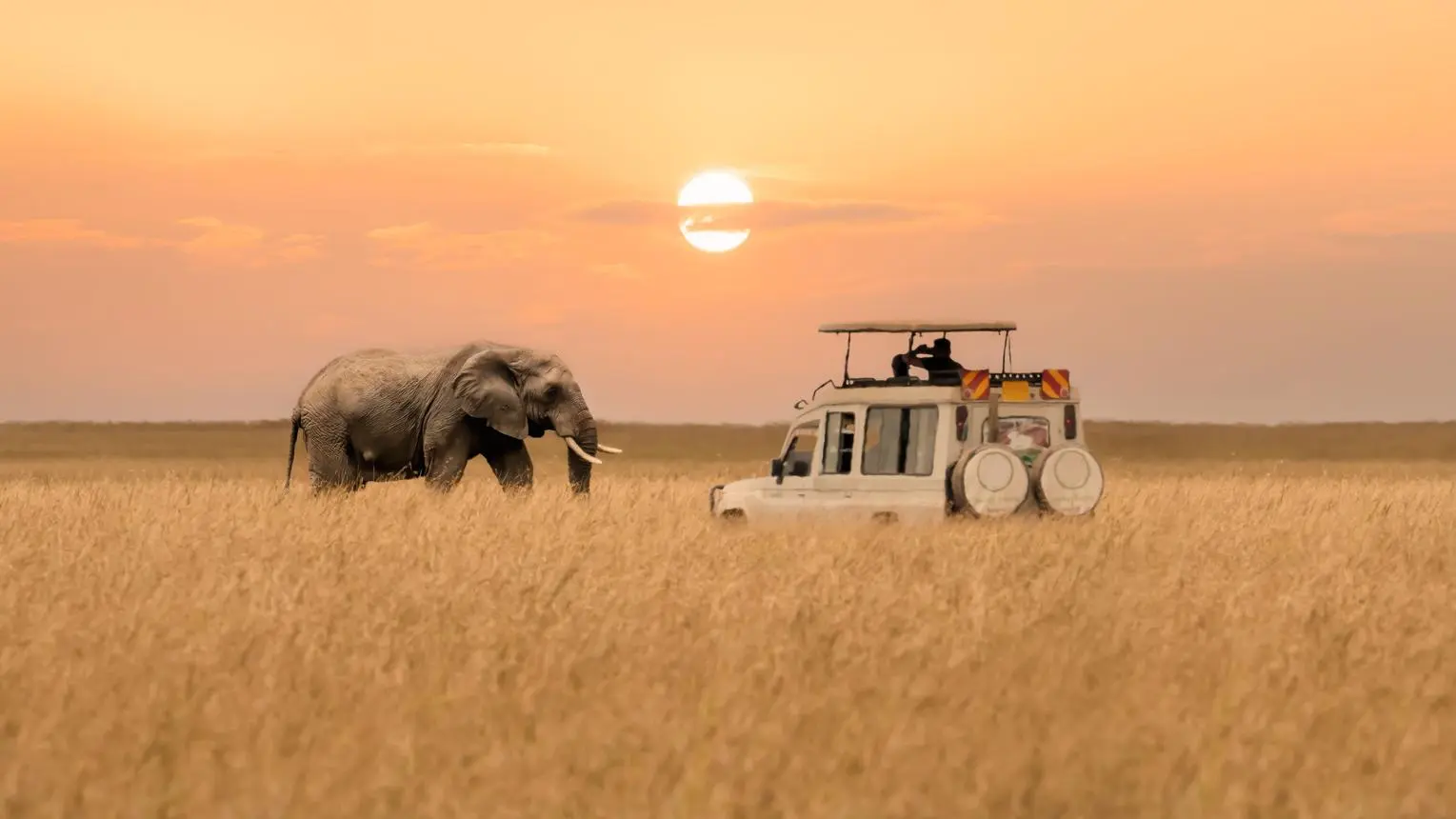
Safari Safety Guide
Safaris are generally a well-managed way to experience wildlife when you follow a few simple, consistently enforced rules.
Organised safaris are generally considered safe when you stay inside the vehicle and follow your guide's instructions. Animals usually treat a vehicle with people inside as a single, non-threatening shape rather than prey.
Safaris are often safer than first-timers expect
Serious incidents on well-run safaris are uncommon, largely because the core safety rule is simple: stay inside the vehicle unless your guide explicitly says otherwise. Wild animals generally perceive a vehicle with people inside as a single, non-threatening shape rather than prey or a predator.
Licensed guides are trained to read animal behaviour and maintain safe distances, adjusting position instantly if an animal shows signs of stress or aggression.
It helps to understand why the vehicle rule works so reliably: predators in the Serengeti have grown up seeing vehicles pass through their territory without ever being a threat or a hunting opportunity, so they generally register the vehicle-plus-occupants as one large, uninteresting shape. The moment a person exits the vehicle or stands up and breaks that silhouette, the animal's risk assessment changes — which is exactly why the rule exists and why guides enforce it strictly.
Beyond wildlife encounters, standard travel safety practices apply just as they would anywhere: keep valuables secured, use hotel or camp safes when available, and follow your operator's guidance on road travel between destinations, particularly around night driving on rural roads outside the parks.
Golden rule: if your guide gives an instruction — stay seated, keep quiet, don't stand up — follow it immediately and without question.
Safety rules that matter most
In the vehicle
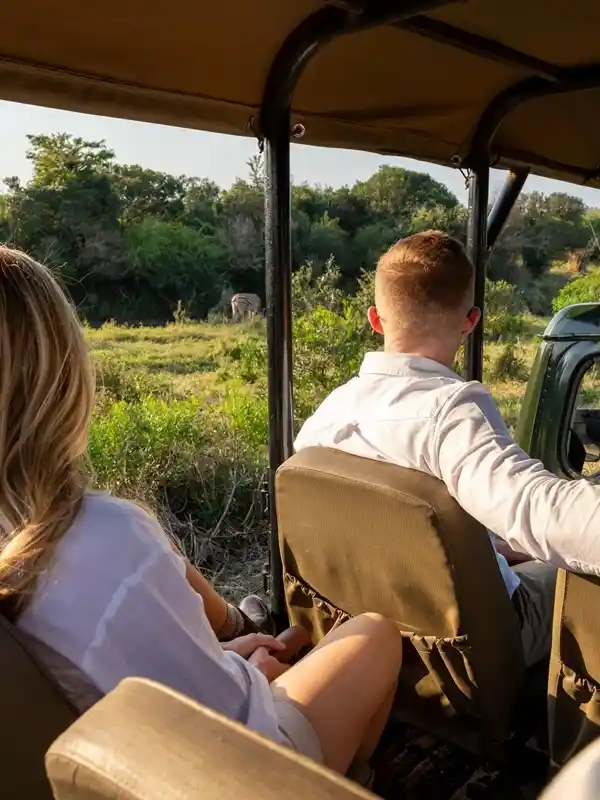
- ✓ Stay seated inside the vehicle except at designated stops
- ✓ Keep quiet and still during close wildlife sightings
- ✓ Follow your guide's instructions immediately, without question
At camp
- ✓ Use a camp escort after dark — wildlife can wander through unfenced camps
- ✓ Keep tent zips closed when unattended
- ✓ Store food and scented items as instructed by camp staff
Trusting your guide
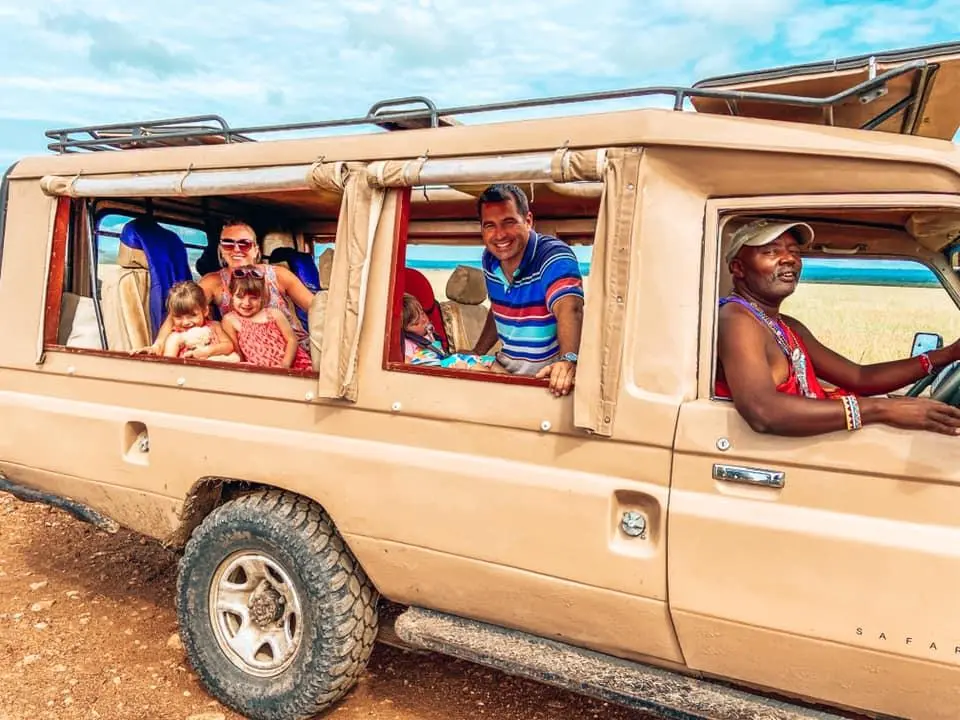
- ✓ All guides are licensed and trained in wildlife behaviour
- ✓ Guides will reposition immediately if a sighting becomes risky
- ✓ Ask questions — guides are trained communicators, not just drivers
General travel safety
- ✓ Use camp or hotel safes for passports and valuables
- ✓ Carry a photocopy or photo of your passport separately from the original
- ✓ Follow your operator's guidance on road travel timing between destinations
Common safety mistakes
Standing up or leaning out for a better photo
This changes the vehicle's silhouette and can alarm nearby wildlife — stay seated unless your guide says otherwise.
Walking around camp alone after dark
Unfenced camps can have wildlife passing through at night — always use the camp escort service provided.
Making sudden noises near sightings
Loud talking or sudden movement can startle animals or cut a sighting short — follow your guide's cue to stay quiet.
Leaving valuables unattended at camp
Use the camp safe for passports, cash, and electronics — most established camps provide one specifically for this reason.
More trip preparation
Safety questions
Ready to plan a safe, well-run safari?
We work exclusively with licensed, experienced guides and vetted camps — tell us your travel dates to get started.