
Tanzania Vaccination Requirements
What vaccinations and health preparations to consider before a Tanzania safari — and which one is a formal entry requirement.
There's no universal vaccine requirement, but a Yellow Fever certificate is required if you're arriving from a country with yellow fever risk. Malaria prevention is strongly recommended countrywide — see a doctor or travel clinic 4-6 weeks before departure.
What to check with a doctor or travel clinic before you go
Tanzania does not require routine vaccinations for most travellers, but a Yellow Fever vaccination certificate is required if you're arriving from, or have recently transited through, a country with risk of yellow fever transmission.
Tanzania is a malaria risk area countrywide, so anti-malarial medication is strongly recommended — discuss options with your doctor or a travel health clinic well before departure.
The Yellow Fever requirement trips up more travellers than expected because it depends on your full journey, not just your country of citizenship. If your international routing includes a transit stop of several hours or more in a country with yellow fever risk — common with certain connections through parts of Africa or South America — immigration may require proof of vaccination even if your home country has no risk itself.
There is no single anti-malarial medication that suits everyone; options differ in dosing schedule, side-effect profile, and suitability for pregnancy or certain medical conditions, which is exactly why this decision should be made with a doctor who knows your health history rather than a generic online recommendation.
Always confirm with a professional: vaccination requirements and recommendations can change and depend on your personal health history — consult a doctor or accredited travel clinic 4-6 weeks before departure.
Health preparation checklist
Yellow Fever certificate
Required only if arriving from or transiting a country with yellow fever risk.
- ✓ Check if your journey involves a country with yellow fever risk
- ✓ Get vaccinated well in advance — it takes effect after 10 days
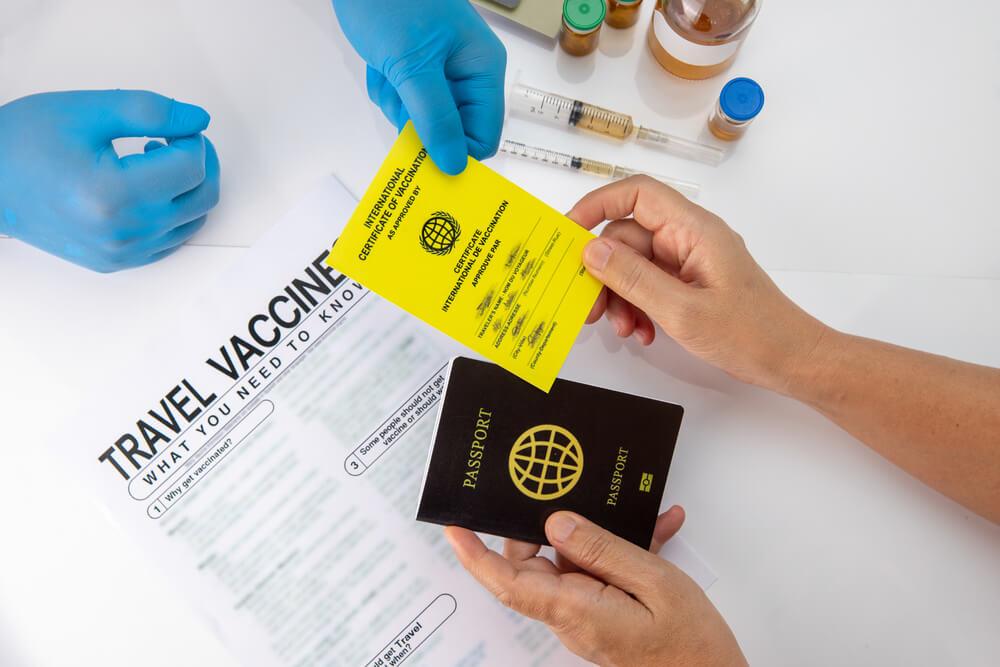
- ✓ Carry your International Certificate of Vaccination as proof
Malaria prevention
Tanzania is a malaria risk area, including safari regions.
- ✓ Discuss anti-malarial medication options with your doctor
- ✓ Pack a DEET-based insect repellent
- ✓ Use bed nets and cover up during dawn and dusk hours
Routine & recommended vaccines
Commonly discussed with a travel clinic, depending on your history.
- ✓ Confirm routine vaccinations are up to date (e.g. tetanus, MMR)
- ✓ Ask about Hepatitis A and Typhoid coverage
- ✓ Discuss any destination-specific advice for your itinerary
General health prep
Beyond vaccines, a few extra steps help avoid common travel issues.
- ✓ Pack a basic first-aid kit and any personal medications
- ✓ Consider travel insurance with medical evacuation coverage
- ✓ Stay hydrated and use high-SPF sunscreen throughout your trip
Common health-prep mistakes
Leaving vaccinations until the last minute
Some vaccines need 10+ days to take effect or require multi-dose schedules — start 4-6 weeks before departure.
Skipping anti-malarial medication
Tanzania is a malaria risk area countrywide, including safari regions — discuss prevention options with a doctor regardless of season.
Not carrying proof of Yellow Fever vaccination
If required for your routing, immigration can ask for your certificate on arrival — keep it with your travel documents, not checked luggage.
Only checking your home country's requirements
Yellow Fever risk is based on your full itinerary, including transit stops — a layover in a risk-country can trigger the requirement even if your origin country has none.
Other travel preparation
Vaccination questions
Ready to plan your safari?
Once your health preparation is underway, let's build the rest of your itinerary.