
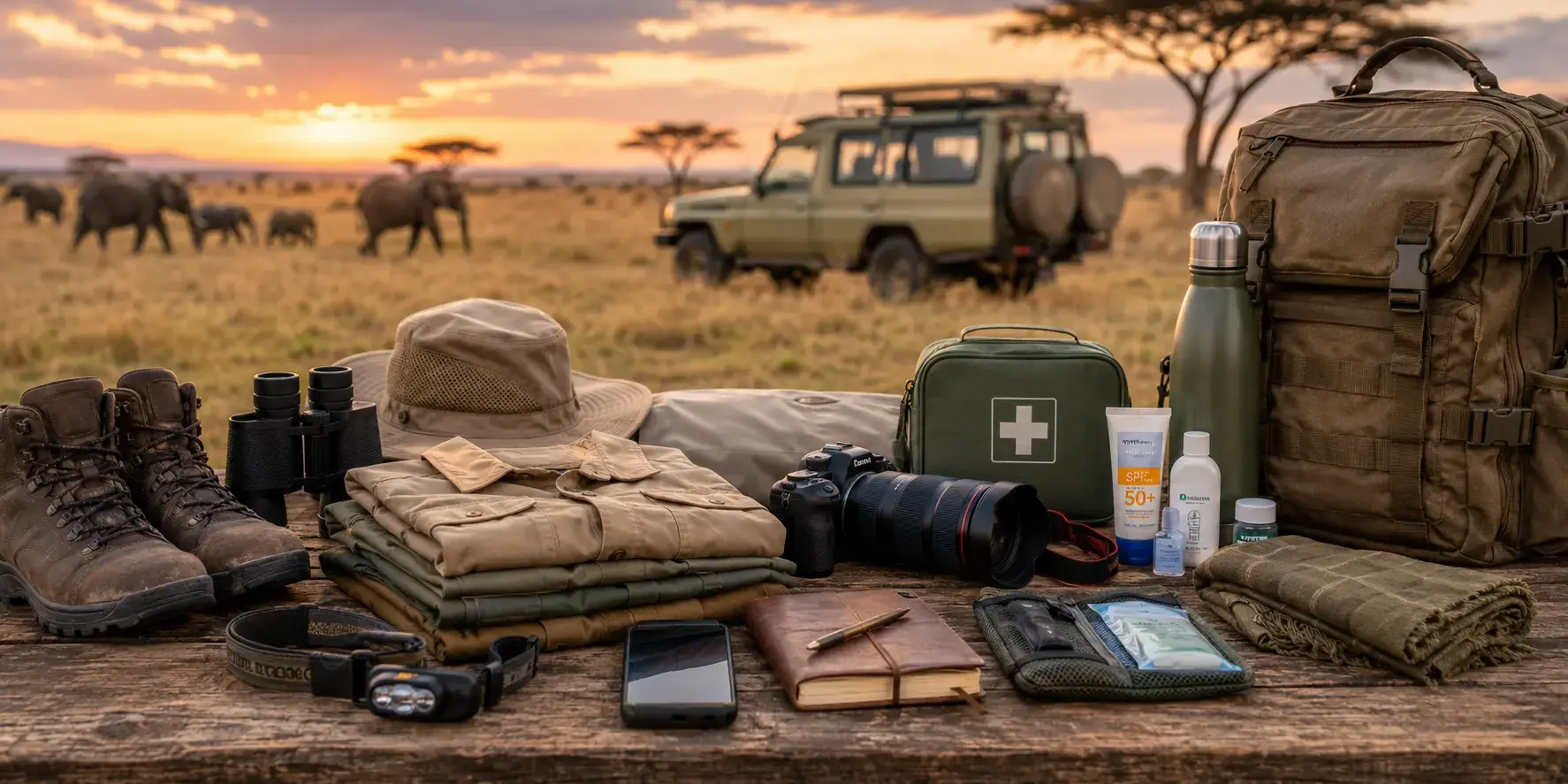
Serengeti Safari Packing List
What to pack for a Serengeti safari — from clothing and camera gear to health essentials — organised by category so nothing gets forgotten.
Pack neutral-coloured layers for temperature swings between dawn (as low as 15°C) and midday, a zoom lens or binoculars for wildlife, and a soft-sided duffel if any leg involves a light-aircraft transfer.
Pack light, pack in layers
Serengeti mornings can be cool (as low as 15°C) while afternoons warm up considerably, so layering is more useful than any single heavy item. Neutral colours (khaki, olive, tan) work best — avoid bright colours, white, and black, which can attract insects or stand out to wildlife.
If your itinerary includes light-aircraft transfers between zones, luggage is usually limited to around 15-20kg in a soft-sided duffel bag — check with us before packing, since limits vary by airline.
It's tempting to over-pack for a trip that feels once-in-a-lifetime, but most experienced safari-goers actually end up wearing the same 4-5 outfits on rotation, since laundry service is included at nearly every camp — even budget properties typically offer next-day laundry, which means you genuinely don't need more than 5-6 days of clothing regardless of trip length.
Think about your packing list in terms of the two extremes you'll actually experience: a chilly, wind-in-your-face open vehicle at 6am, and a hot, dusty midday game drive a few hours later. Nearly every packing mistake comes from preparing for only one of those two conditions.
*Fly-in luggage limits vary by carrier, typically 15-20kg in soft bags — we'll confirm your exact limit once transfers are booked.
What to pack, by category
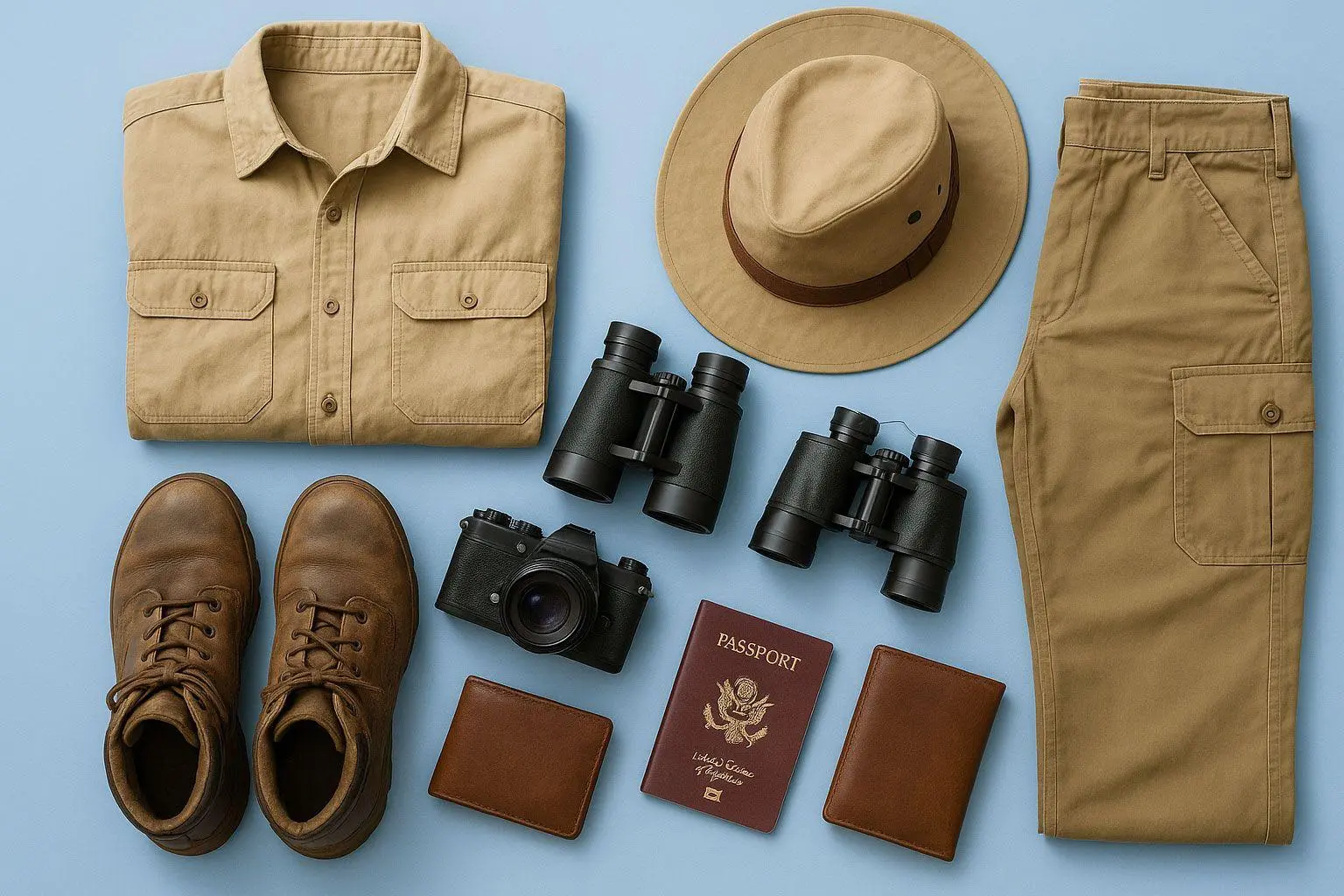
Clothing
Neutral-coloured, breathable layers for temperature swings between dawn and midday.
- ✓ Lightweight long-sleeve shirts & trousers (sun and insect protection)
- ✓ A warm fleece or jacket for early morning game drives
- ✓ Wide-brimmed hat and sunglasses
- ✓ Comfortable closed-toe shoes and one pair of sandals
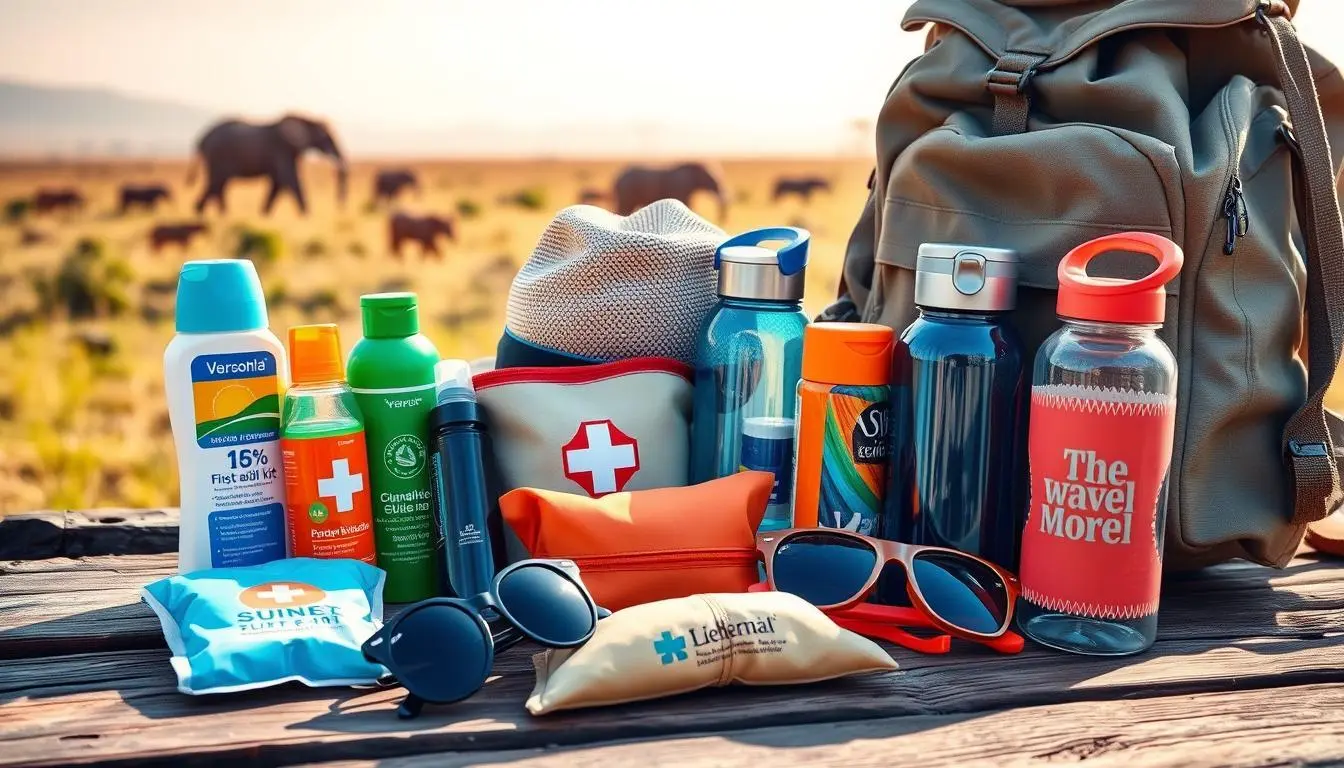
Health & sun protection
Basic health items that are harder to source once on safari.
- ✓ High-SPF sunscreen and lip balm
- ✓ Insect repellent (DEET-based recommended)
- ✓ Personal medications and a basic first-aid kit
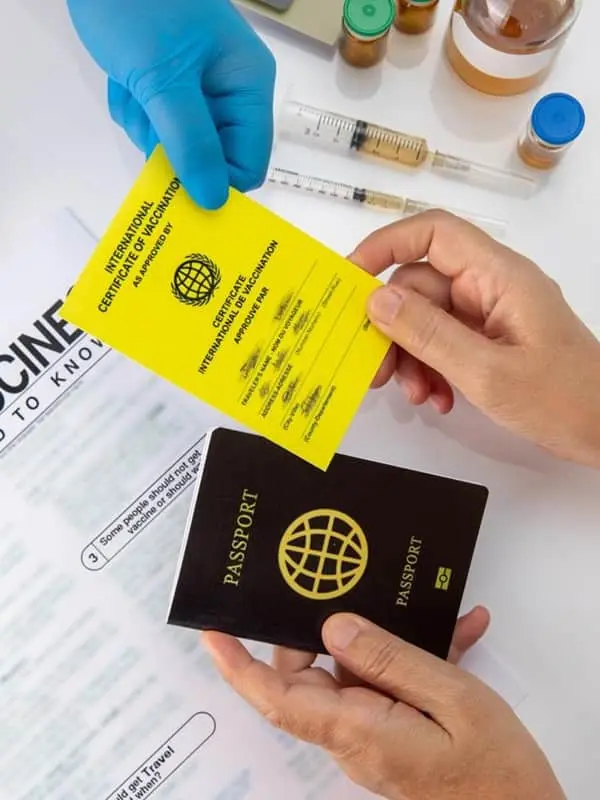
- ✓ Anti-malarial medication if prescribed by your doctor
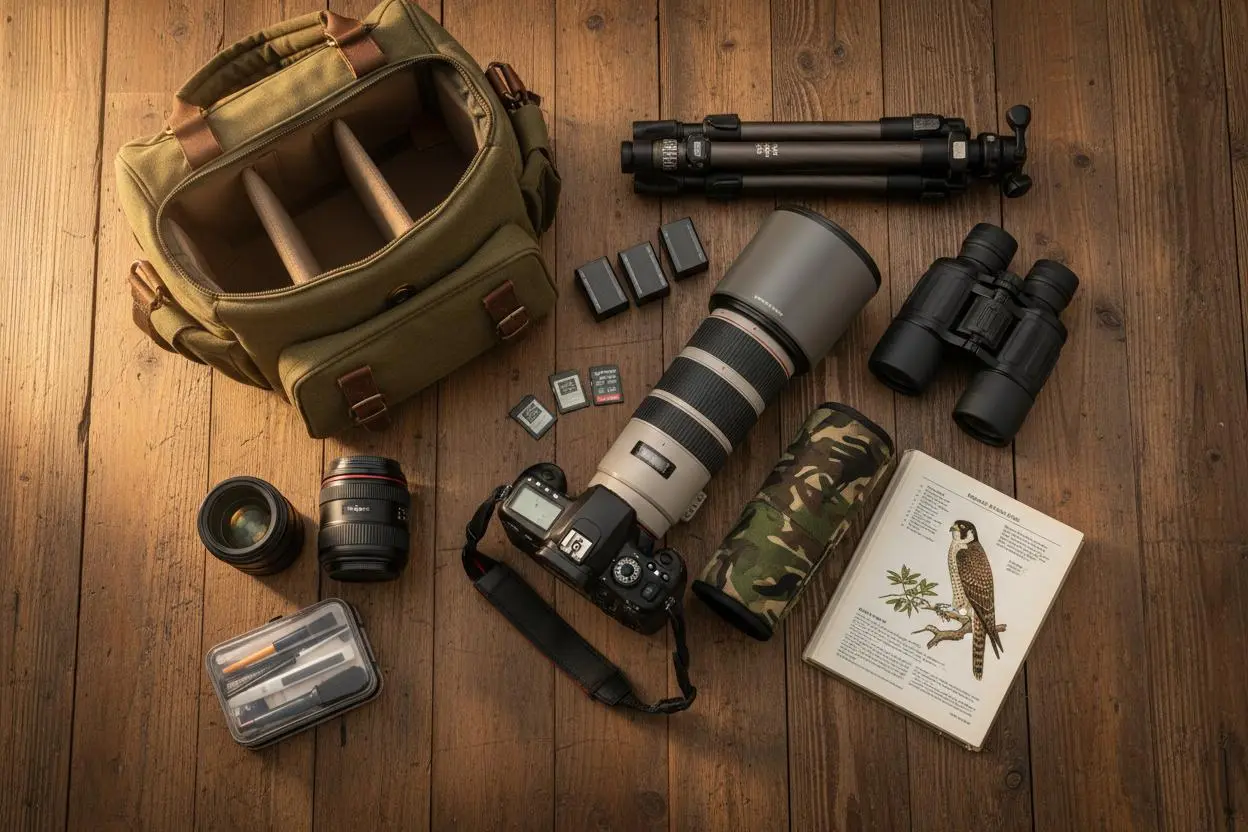
Camera & electronics
Even casual photographers benefit from a bit of extra gear.
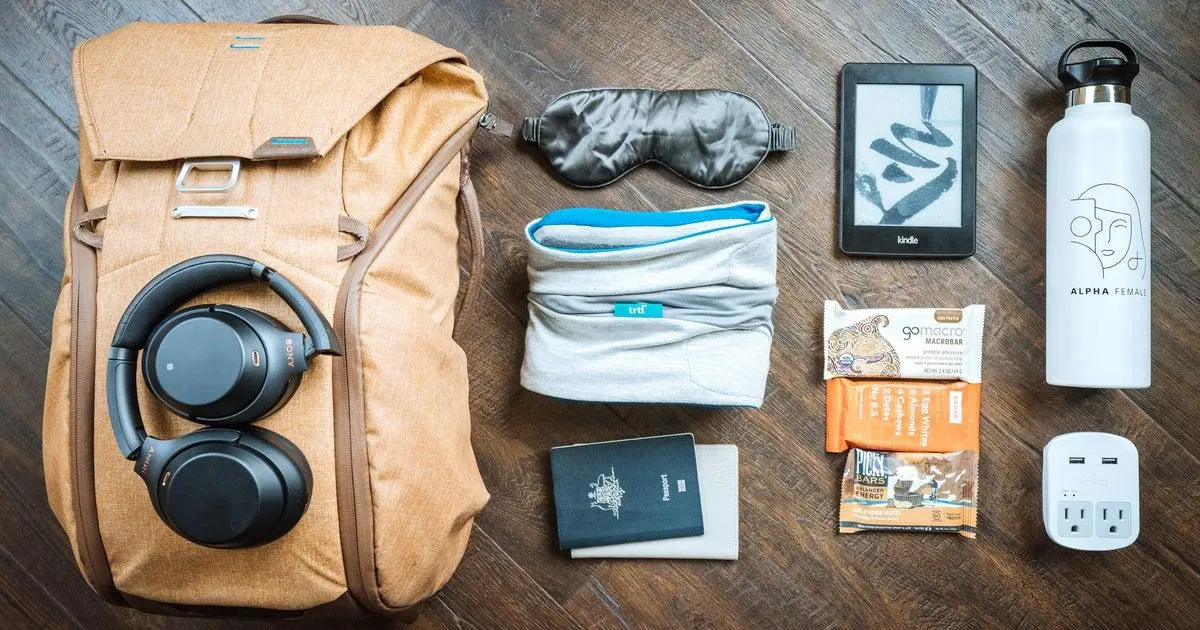
- ✓ Camera with a zoom lens (200mm+ recommended for wildlife)
- ✓ Extra batteries and memory cards
- ✓ Universal power adapter and portable charger
- ✓ Binoculars (one pair per person is ideal)
Documents & essentials
Keep these in your carry-on, not checked luggage.
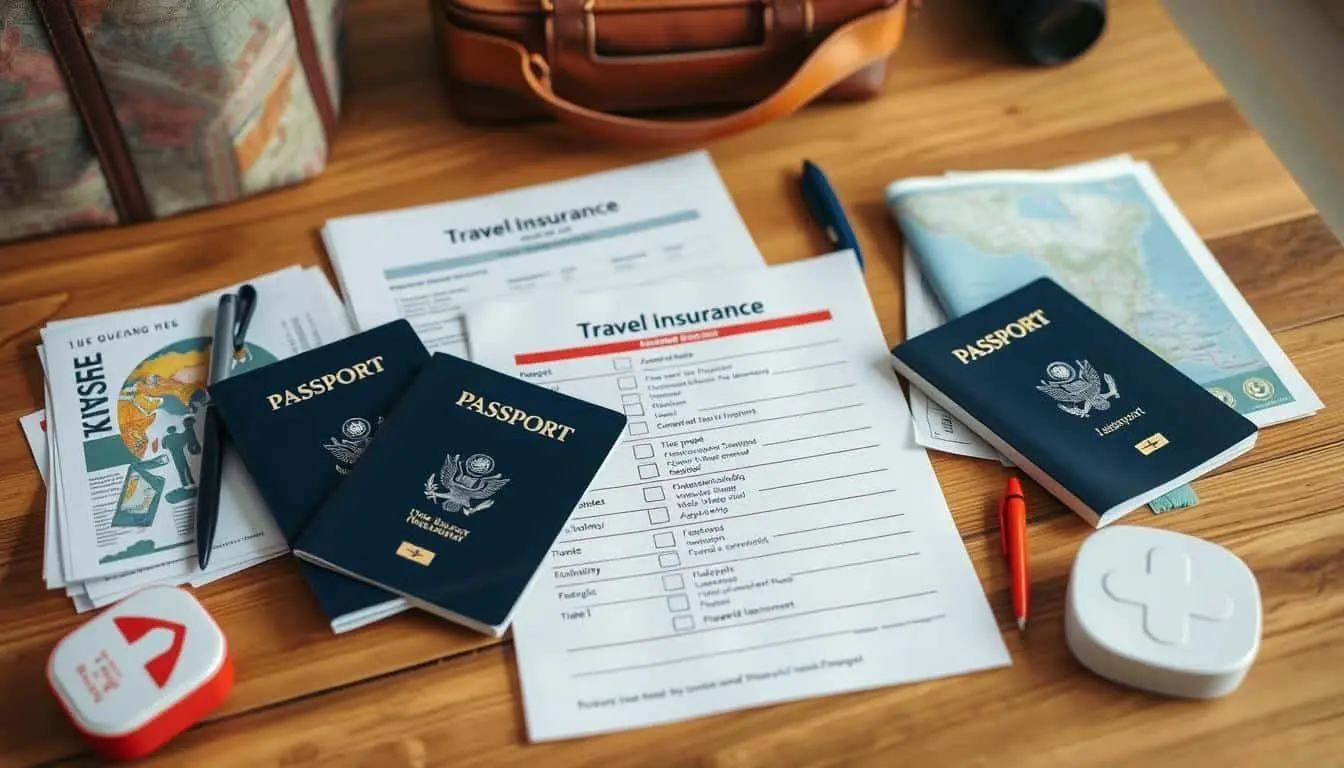
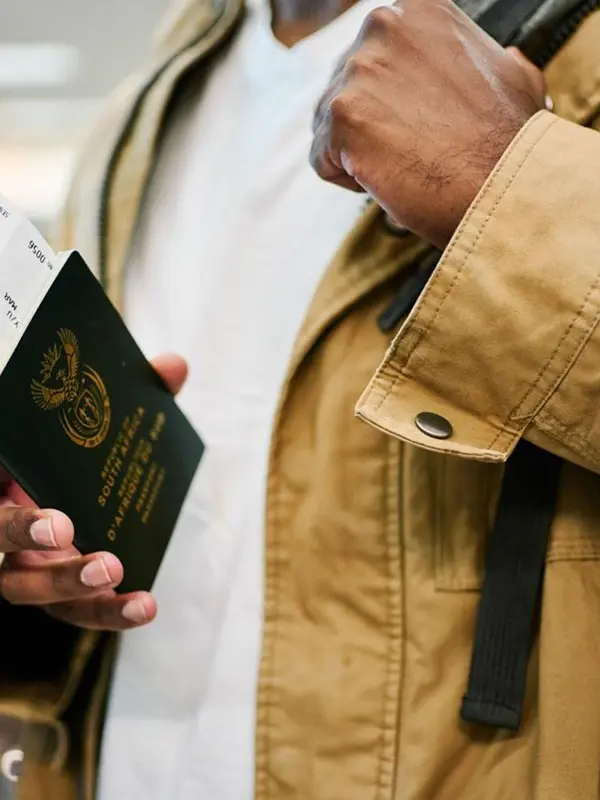
- ✓ Passport (valid 6+ months) and visa confirmation
- ✓ Travel insurance and vaccination documentation
- ✓ Cash in small USD bills for tips and incidentals
- ✓ A soft-sided duffel bag for fly-in transfers
Optional but useful
Small items that make a noticeable difference to comfort.
- ✓ A dust-proof bag or cover for cameras and phones
- ✓ Reusable water bottle — most camps provide filtered water
- ✓ A headlamp or small torch for camp at night
- ✓ Earplugs — nights are lively with bush sounds
Common packing mistakes
Bringing dark blue or black clothing
These colours are known to attract tsetse flies — stick to khaki, olive, and tan tones instead.
Packing a hard-shell suitcase
Light aircraft cargo holds require soft-sided duffels — a rigid case may not be accepted on fly-in transfers.
Skipping binoculars
Camps usually have a pair or two to share, but bringing your own means you won't miss sightings while waiting your turn.
Over-packing clothing
Nearly every camp offers laundry service, often included and returned within 24 hours — 5-6 days of clothing is enough for a trip of any length.
Forgetting a warm layer for morning drives
Open-sided vehicles at dawn feel far colder than the daytime temperature suggests — a fleece or light jacket is essential, even in the warmer months.
Plan the rest of your trip
Packing questions
Ready to plan your Serengeti safari?
Once your packing list is sorted, let's build the itinerary — tell us your travel dates and priorities.