
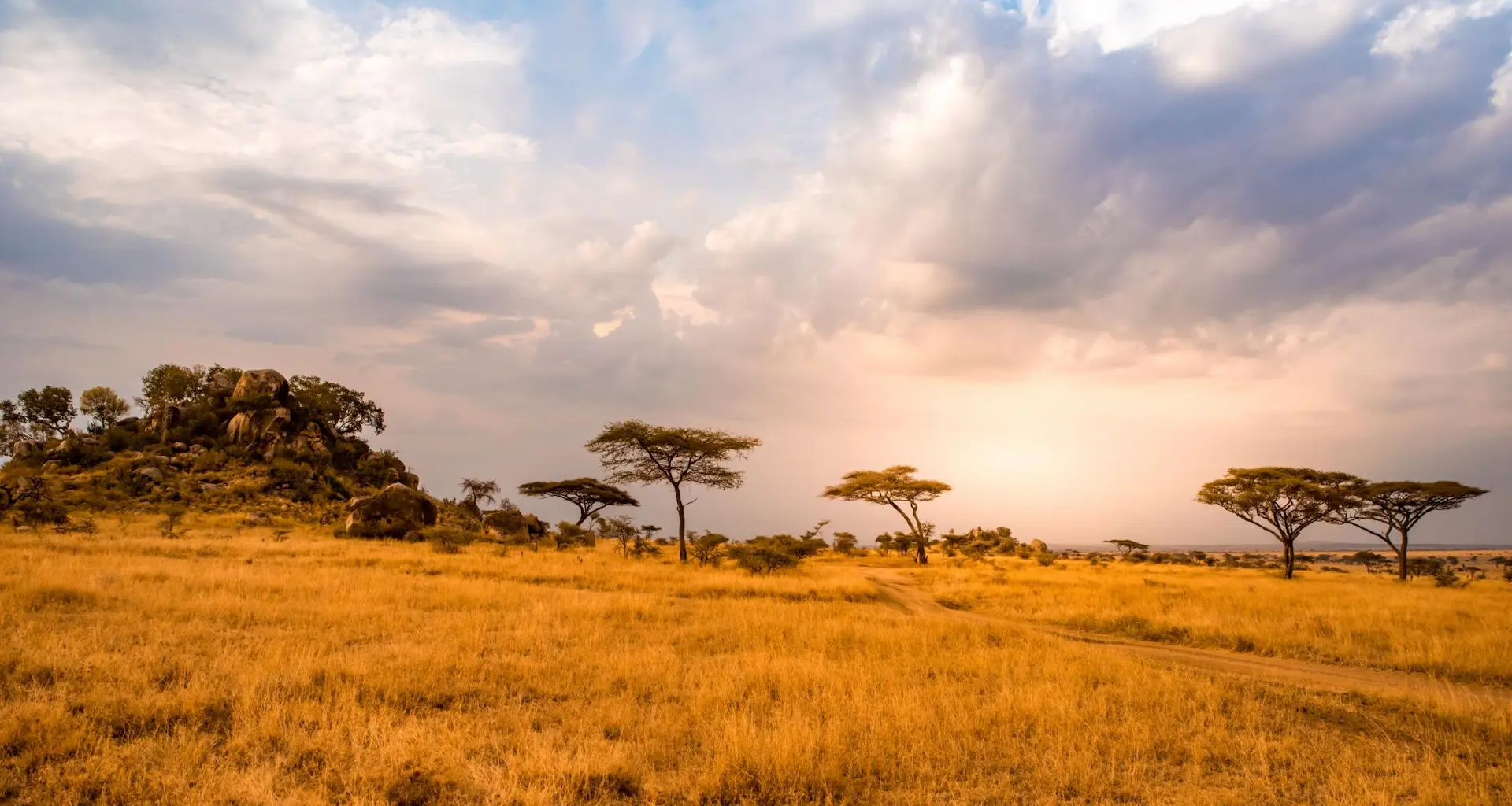
Tanzania Weather Guide
Northern Tanzania stays mild year-round. Two rainy seasons shape your options — but rarely ruin a safari.
The northern safari circuit is mild and dry June-October, with short afternoon showers in November and more sustained rain March-May. Even in wetter months, safaris continue as normal — rain typically clears within an hour.
Why northern Tanzania's climate is easier than you'd expect
The northern safari circuit (Serengeti, Ngorongoro, Tarangire) sits at moderate altitude, giving it a mild, fairly consistent climate year-round — daytime temperatures usually range between 24-27°C, with cooler mornings around 15°C.
Zanzibar and the coast run warmer and more humid year-round than the safari circuit, since they sit at sea level — pack differently if you're combining both.
Tanzania's weather is shaped by the seasonal shift of the Inter-Tropical Convergence Zone (ITCZ), the same broad climate system that governs rainfall across much of East Africa. This is why the region experiences two distinct rainy seasons rather than the four-season pattern familiar to travellers from temperate climates — the "long rains" (Mar-May) and "short rains" (Nov) rather than a single defined wet season.
Altitude matters more than latitude for how the safari circuit actually feels day to day. The Ngorongoro Crater rim, for example, sits at over 2,200 metres and can feel noticeably cooler than the Serengeti plains at a similar time of year — pack an extra layer specifically for crater rim mornings and evenings.
Good to know: even during the rainier months, showers are typically short and fall in the afternoon, leaving mornings clear for game drives.
Tanzania's weather, month by month
Dry season — Jun to Oct
Little to no rain, clear skies, cooler mornings. The most popular travel window.
- ✓ Best visibility for game drives
- ✓ Cooler mornings — pack a warm layer
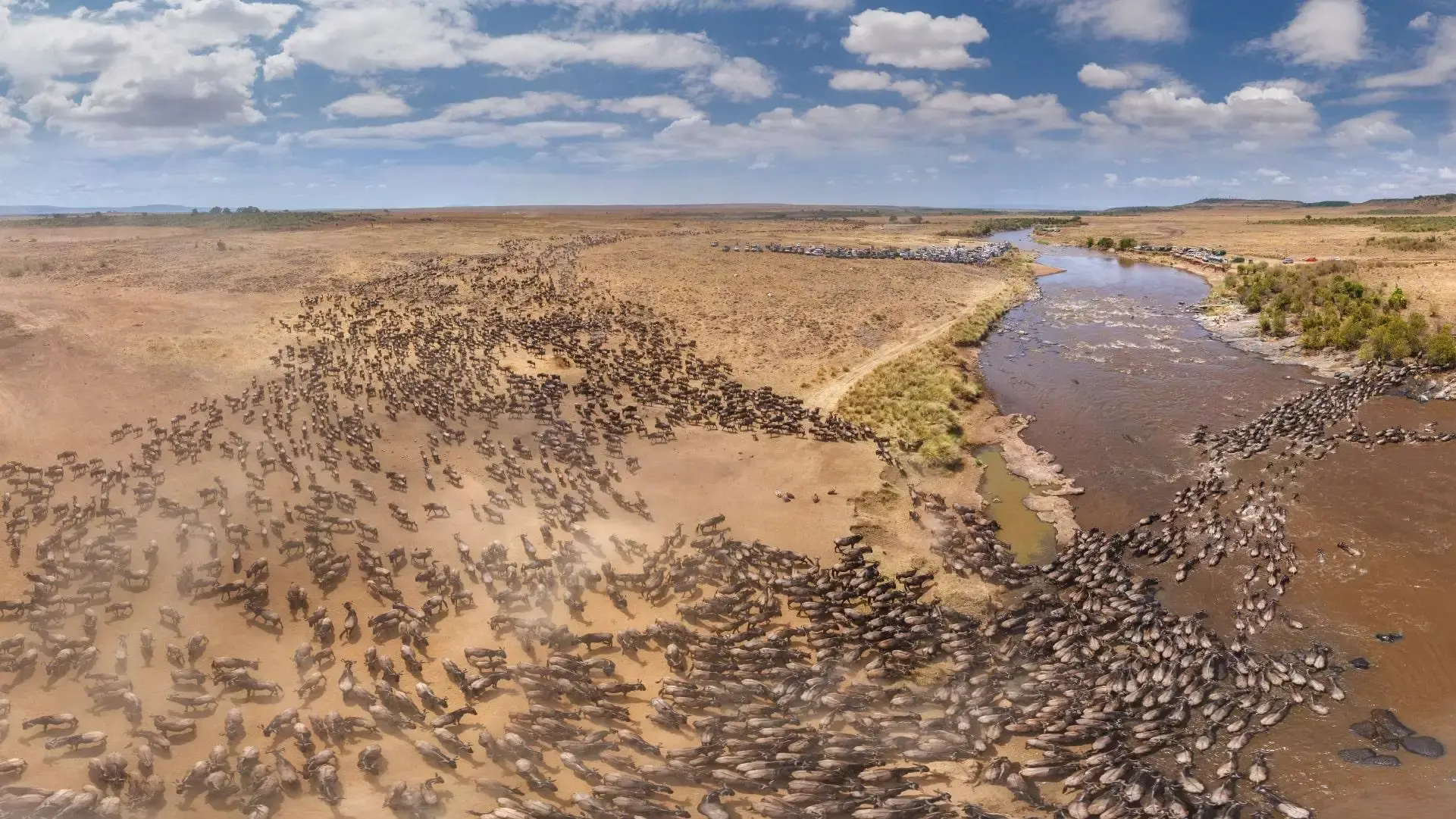
- ✓ Coincides with Mara River crossing season
Short rains — Nov
Brief, often daily afternoon showers that green up the landscape quickly.
- ✓ Short storms, usually clearing within an hour
- ✓ Good value with fewer crowds
- ✓ Landscapes turn lush and photogenic
Green season — Dec to Mar
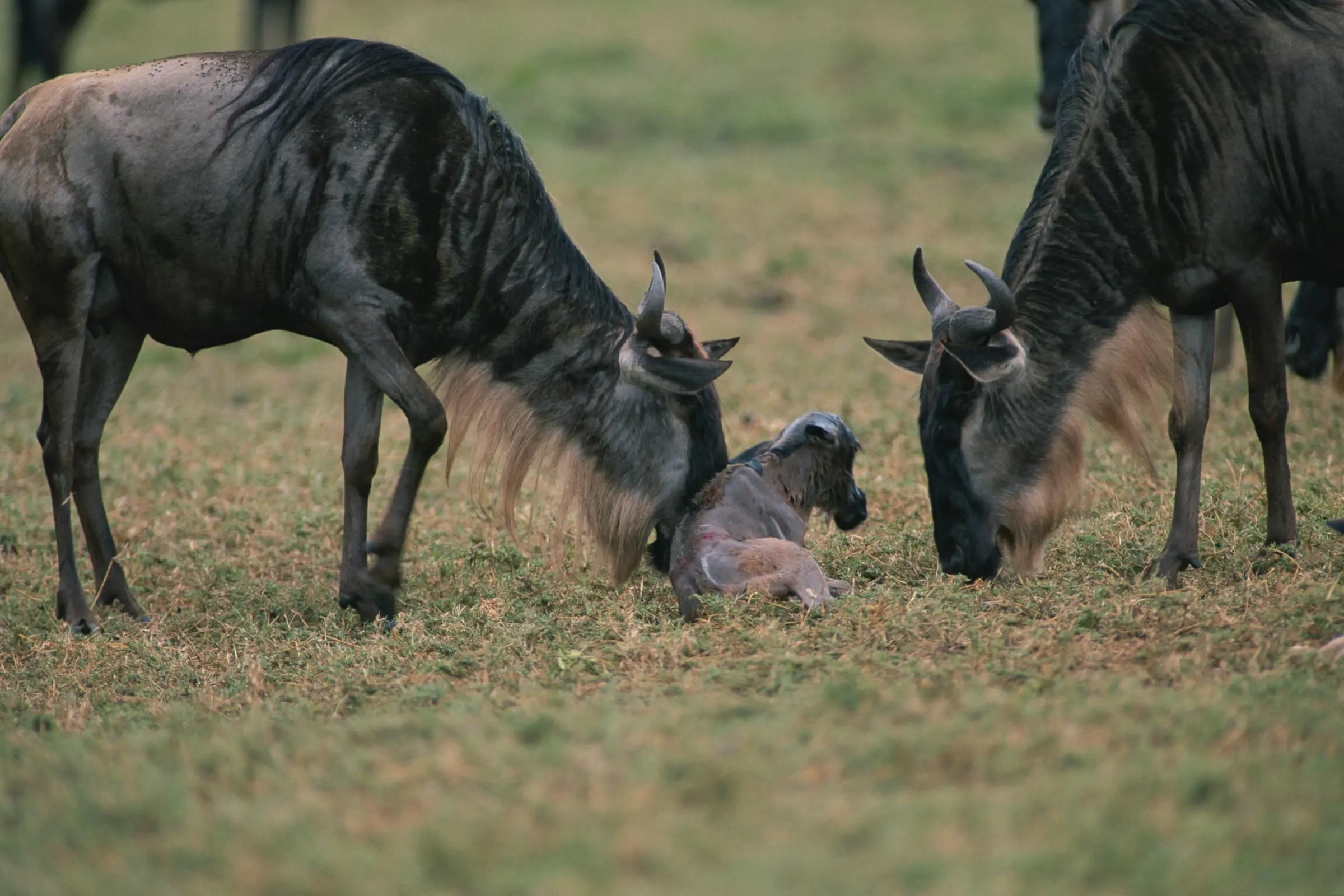
Warm, mostly dry days with occasional rain — calving season on the southern plains.
- ✓ Generally pleasant, sunny days
- ✓ Some short afternoon showers possible
- ✓ Best window for predator action near Ndutu
Long rains — Mar to May
The wettest, quietest, and cheapest months of the year.
- ✓ Some camps close for maintenance
- ✓ Roads can be muddy in places
- ✓ Lowest rates and fewest other travellers
Common weather-planning mistakes
Ruling out the long rains entirely
It's the cheapest, quietest season with wildlife still visible — don't dismiss it if budget or crowds matter more to you than guaranteed dry skies.
Packing only for hot weather
Mornings can be genuinely cold (around 15°C) even in the dry season — bring a warm layer regardless of when you travel.
Assuming Zanzibar's climate matches the safari circuit
The coast is warmer and more humid year-round than the northern parks — check both forecasts if combining a safari with a beach stay.
Not accounting for altitude on the Ngorongoro Crater rim
At over 2,200 metres, the crater rim can feel significantly cooler than the Serengeti plains at the same time of year — pack an extra layer specifically for this leg.
Plan around the weather


Weather questions
Plan around the right season
Tell us your travel window and priorities, and we'll recommend the best timing for your trip.