
Serengeti
Calving Season
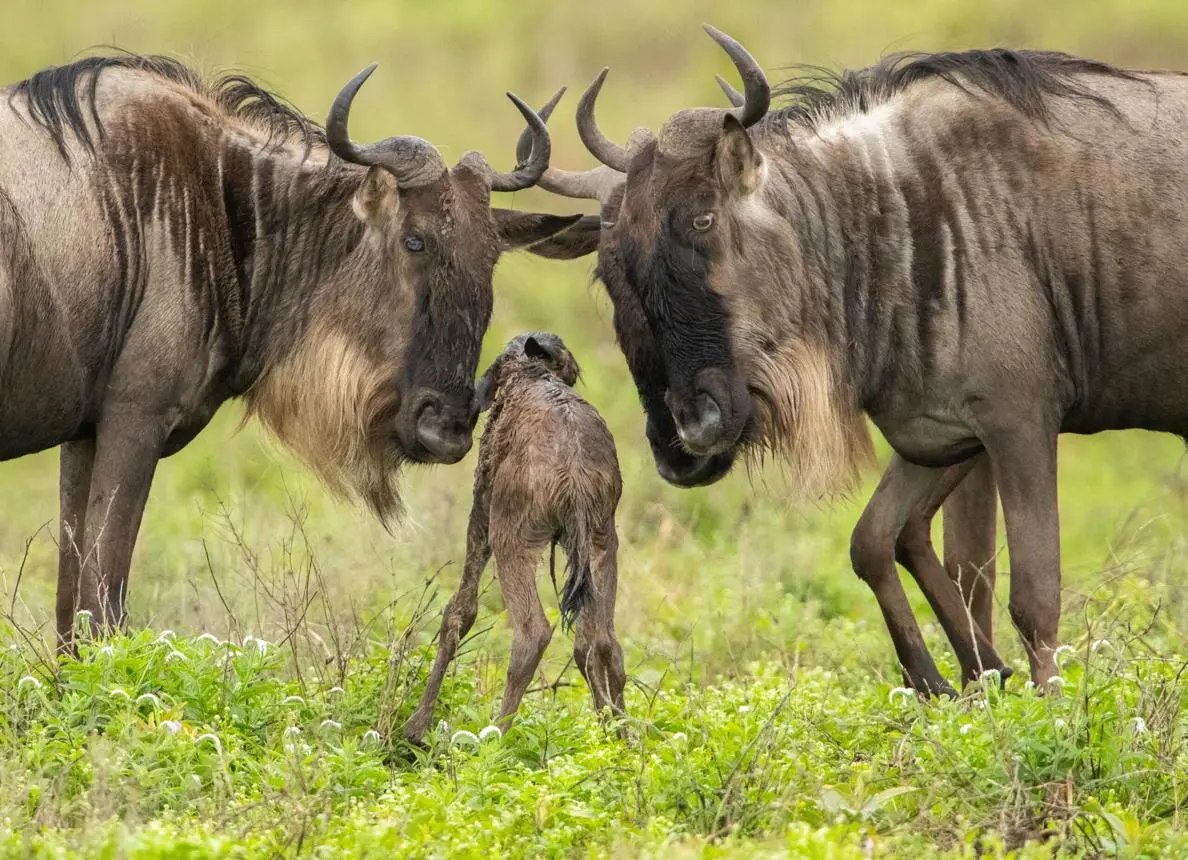
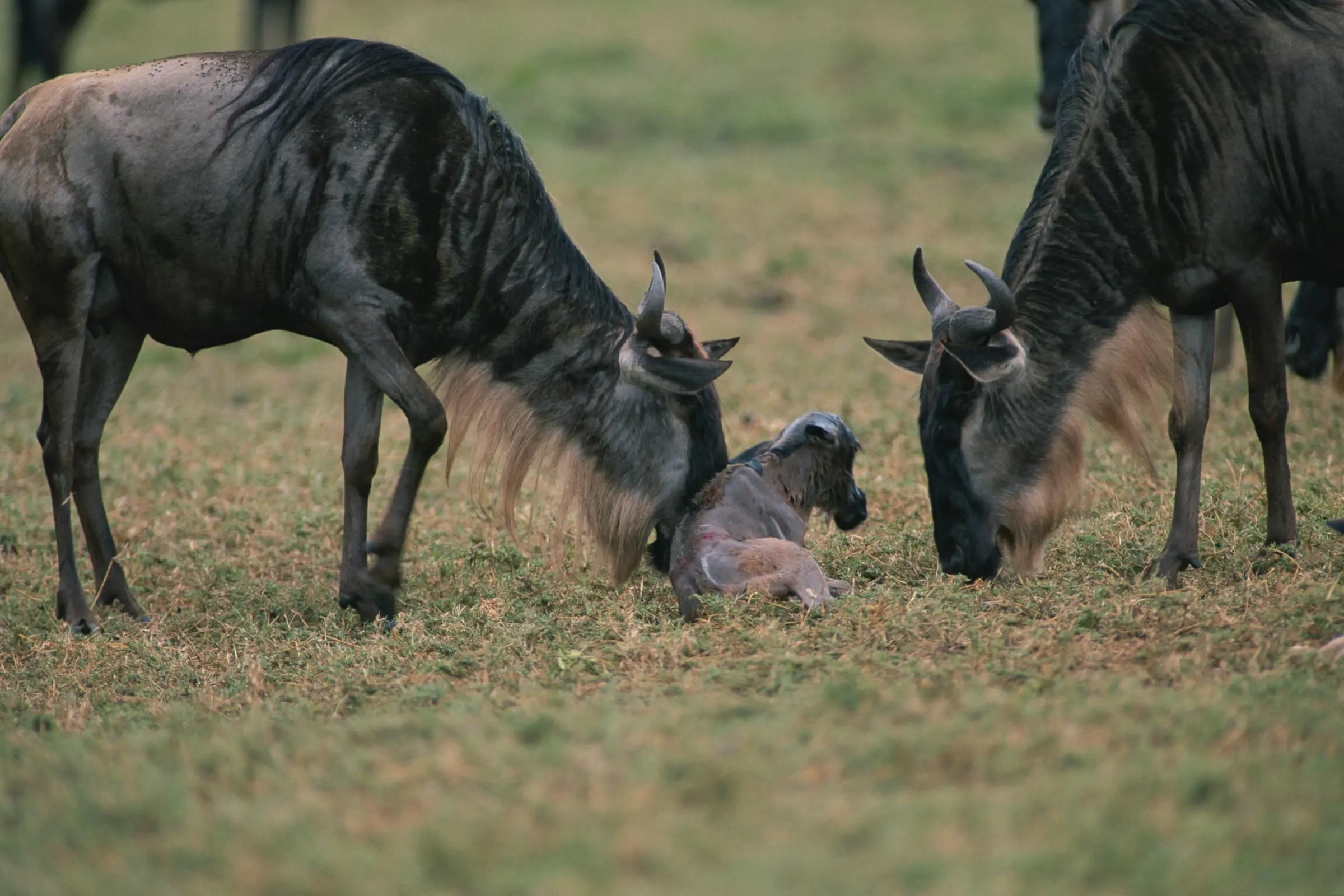
Every December to March, up to 500,000 wildebeest calves are born on the short-grass plains of Ndutu — drawing the highest concentration of predators found anywhere in East Africa.
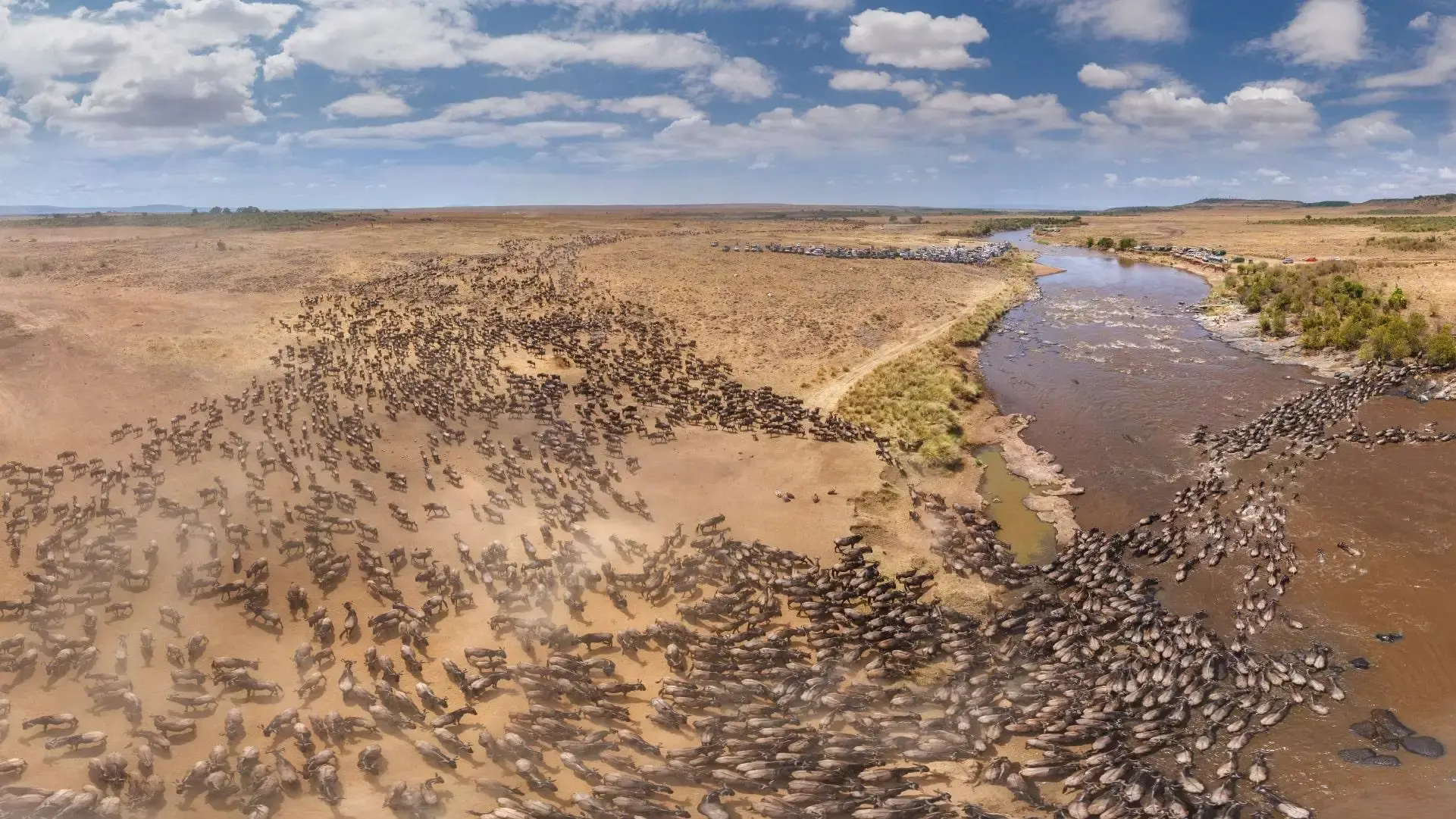
Each year, roughly 1.5 million wildebeest gather on the short-grass plains around Ndutu, in the southern Serengeti and adjoining Ngorongoro Conservation Area, to give birth. Most calves arrive within a tight window in late January and February.
The concentration of vulnerable newborns attracts every major predator — lions, cheetahs, hyenas, jackals, and leopards — making calving season one of the most action-dense periods for game viewing anywhere in Tanzania.
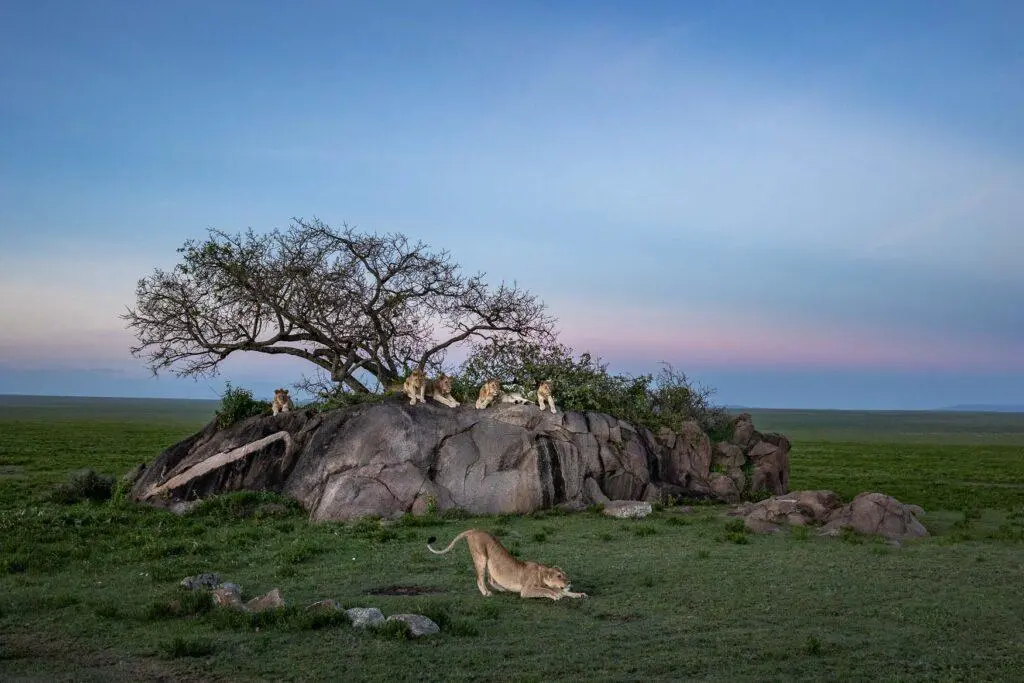
It also happens to be the green season: the plains are lush, skies are dramatic, and light for photography is often exceptional.
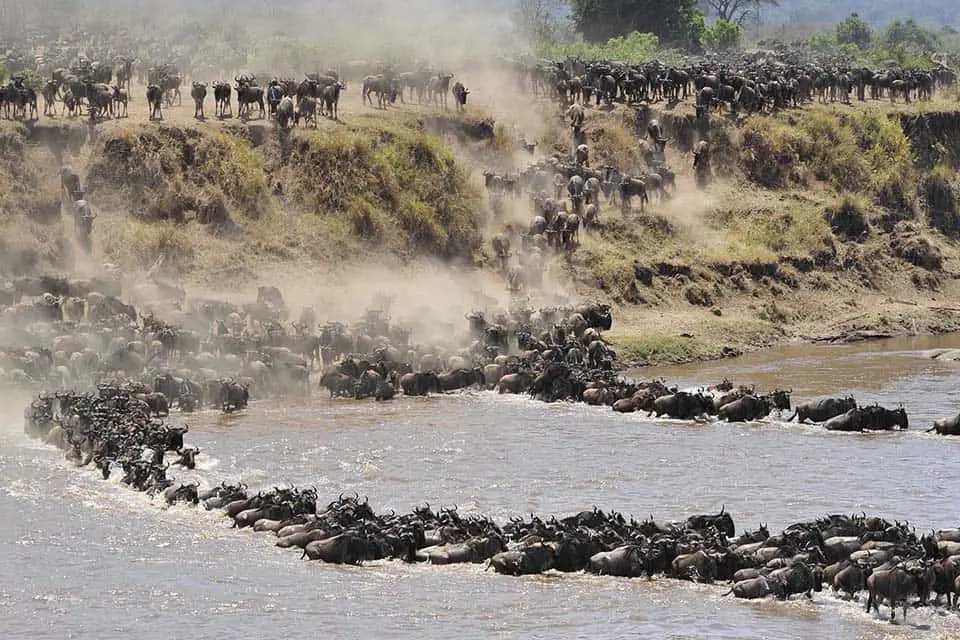
Why guides love it: unlike river crossings, calving-plains action happens constantly and close to camps — you don't need to "get lucky" on one afternoon.
Predictable timing
Unlike river crossings, calving follows a tight seasonal window most years — late January into February.
Constant action
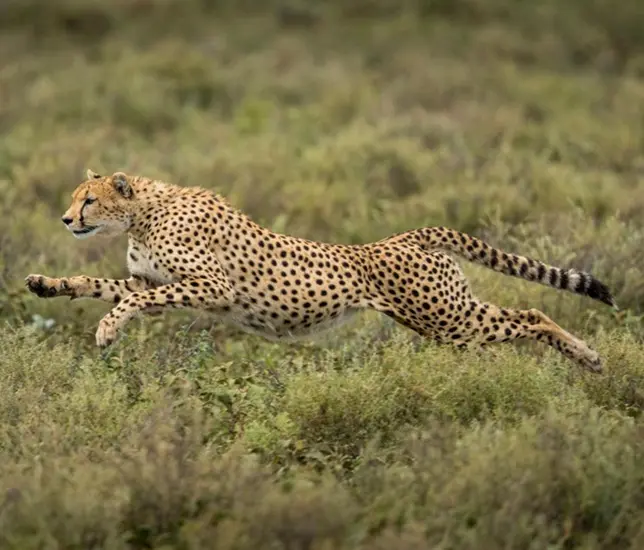
With thousands of calves born daily at peak, predator interactions happen throughout the day, not just at river points.
Green-season scenery
Short rains keep the plains lush and skies dramatic — a strong contrast to dry-season dust.
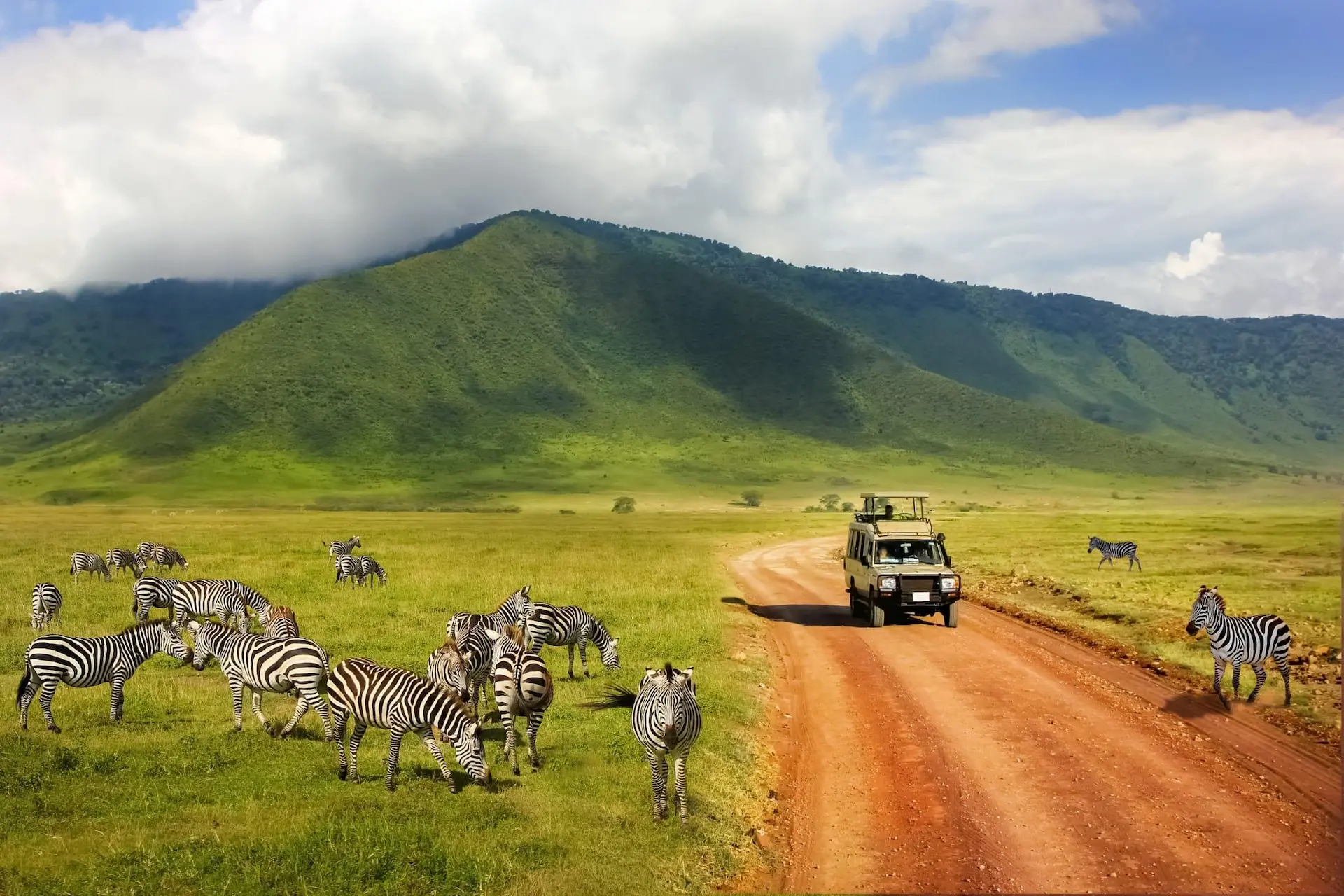
Ngorongoro combination
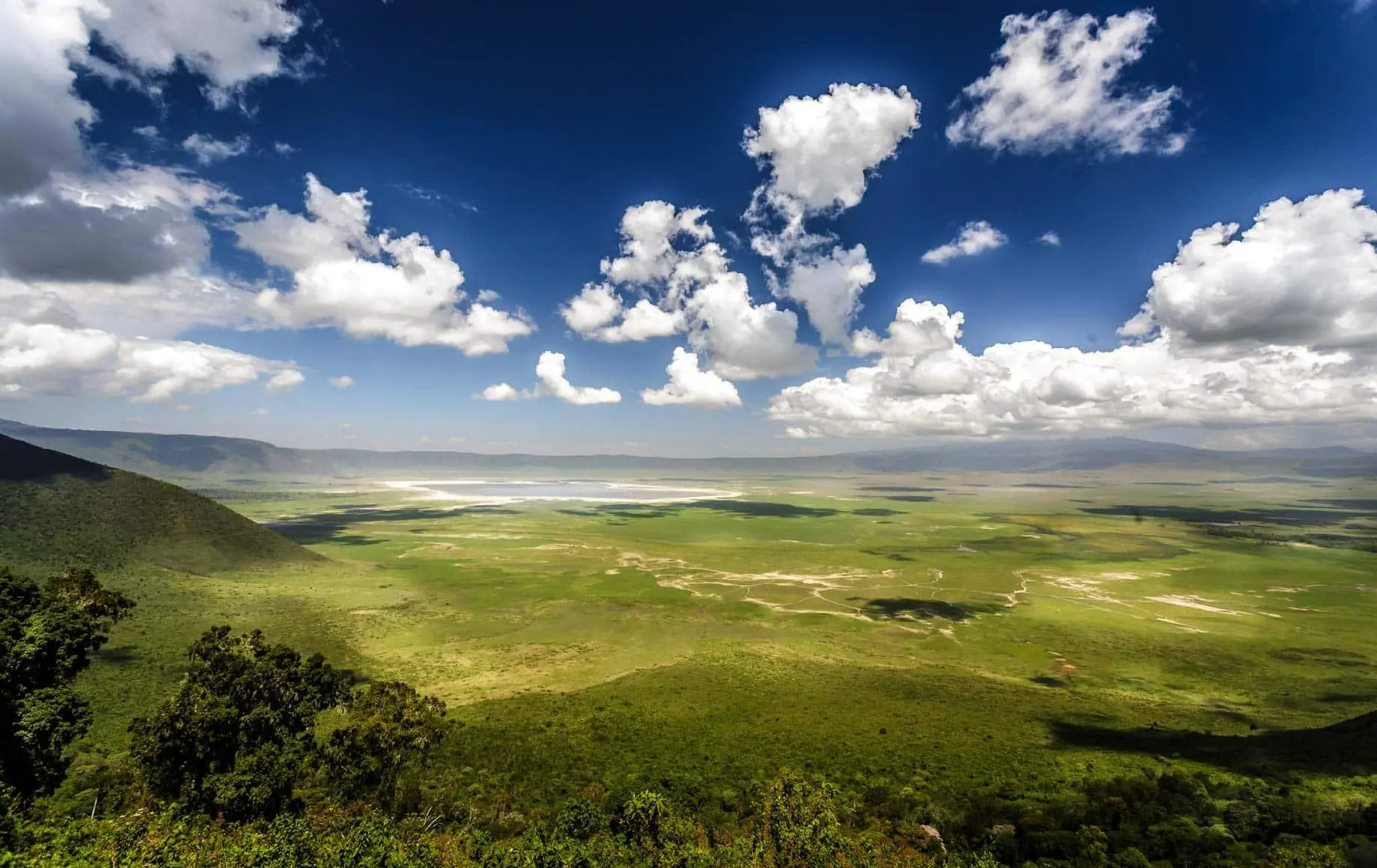
Ndutu sits close to the Ngorongoro Conservation Area, making it easy to combine with a Crater visit.
Early December: herds are arriving on the plains; some early births occur but the bulk of calving hasn't started.
Late January–February: peak calving — this is the window to prioritise if predator action is your main goal.
March: calving winds down; herds begin shifting north, though plenty of young calves are still visible.
- →Book 6–12 months ahead — Ndutu's small mobile camps sell out early for late January and February.
- →Choose a camp inside or near Ndutu, not just "Southern Serengeti" broadly, to minimise drive time to the action.
- →Pack for green season — light rain gear, and expect occasional short afternoon showers even on mostly sunny days.
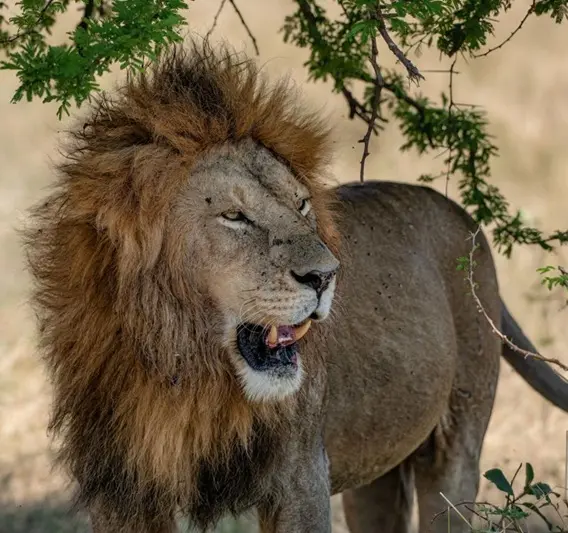
Very high
Prides follow the herds closely, with cubs of their own often timed to calving season abundance.
Very high
Ndutu's open plains are ideal cheetah hunting ground — some of Tanzania's best cheetah sightings happen here.
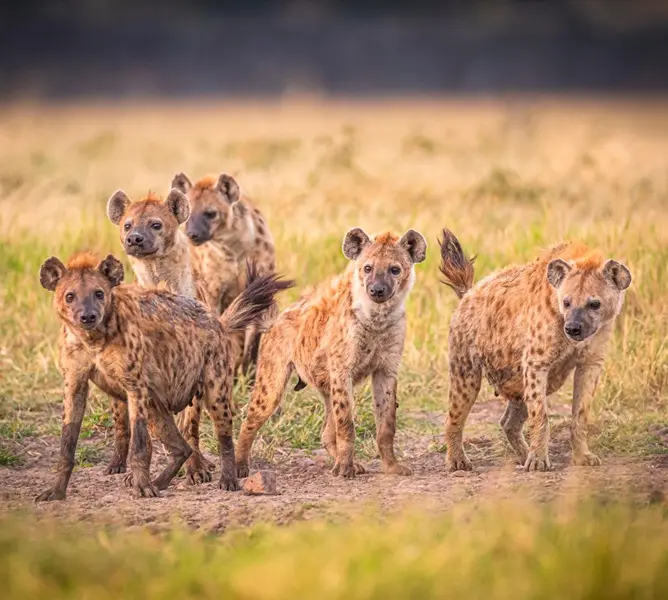
High
Opportunistic and constant, hyenas patrol the plains for vulnerable newborns and carcasses.
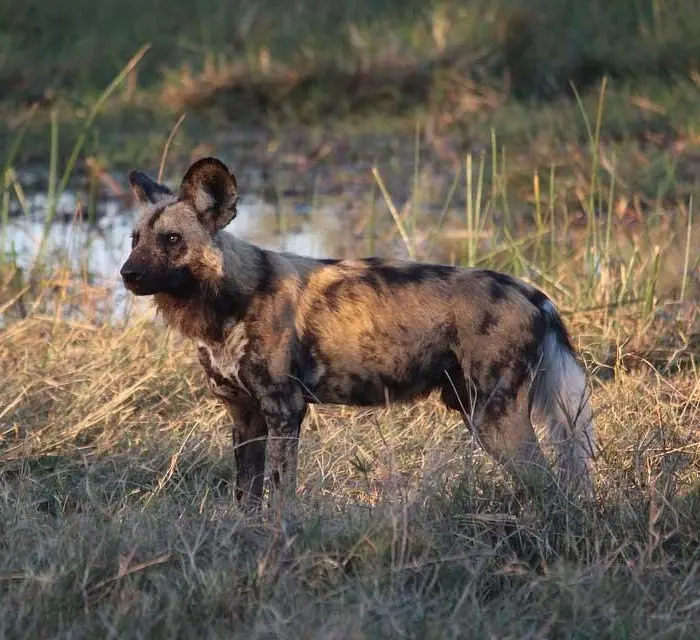
Occasional
Less common but occasionally seen passing through the wider Ndutu-Serengeti ecosystem.
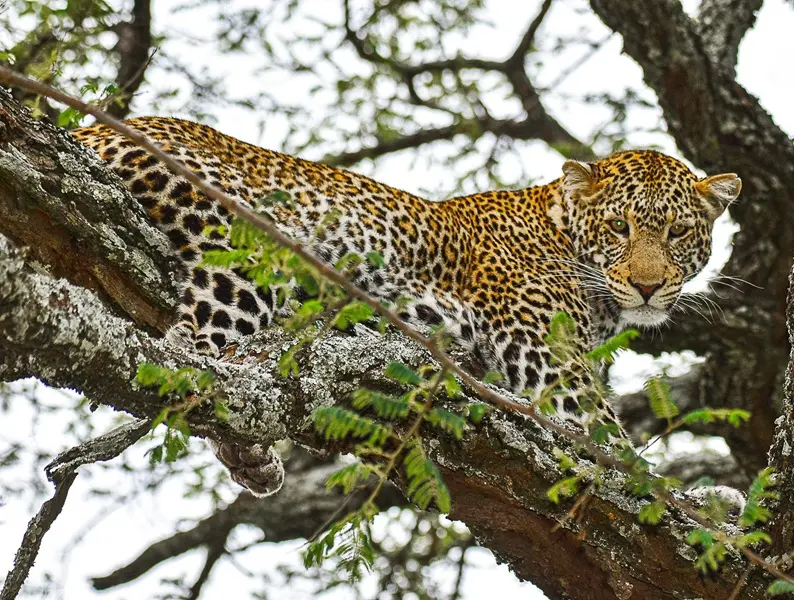
Moderate
Found in the acacia woodland fringing the plains, more elusive than the open-plains hunters.
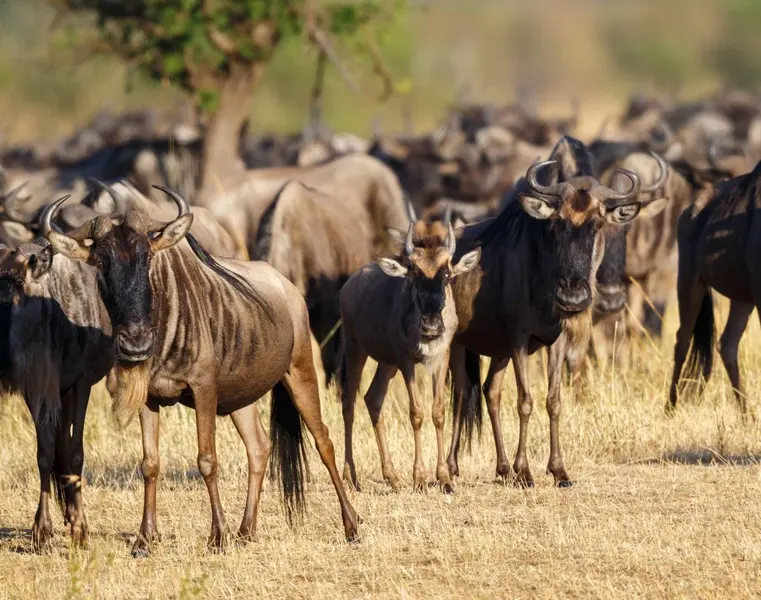
Very likely
The main event — vast herds with newborn calves cover the plains from horizon to horizon.
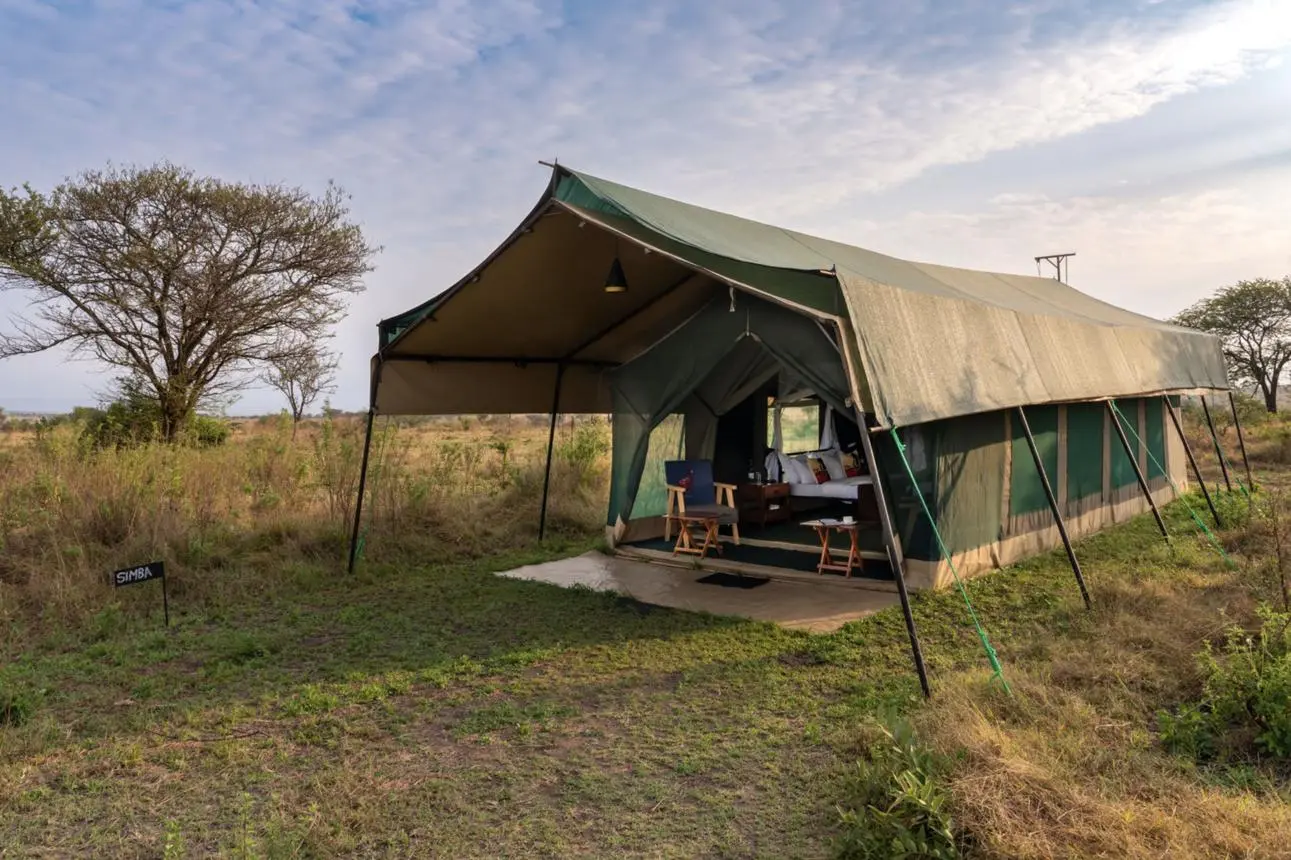
Mobile tented camps
Small, seasonal camps positioned directly on or near the plains — closest to the predator action, moved annually to follow the herds.
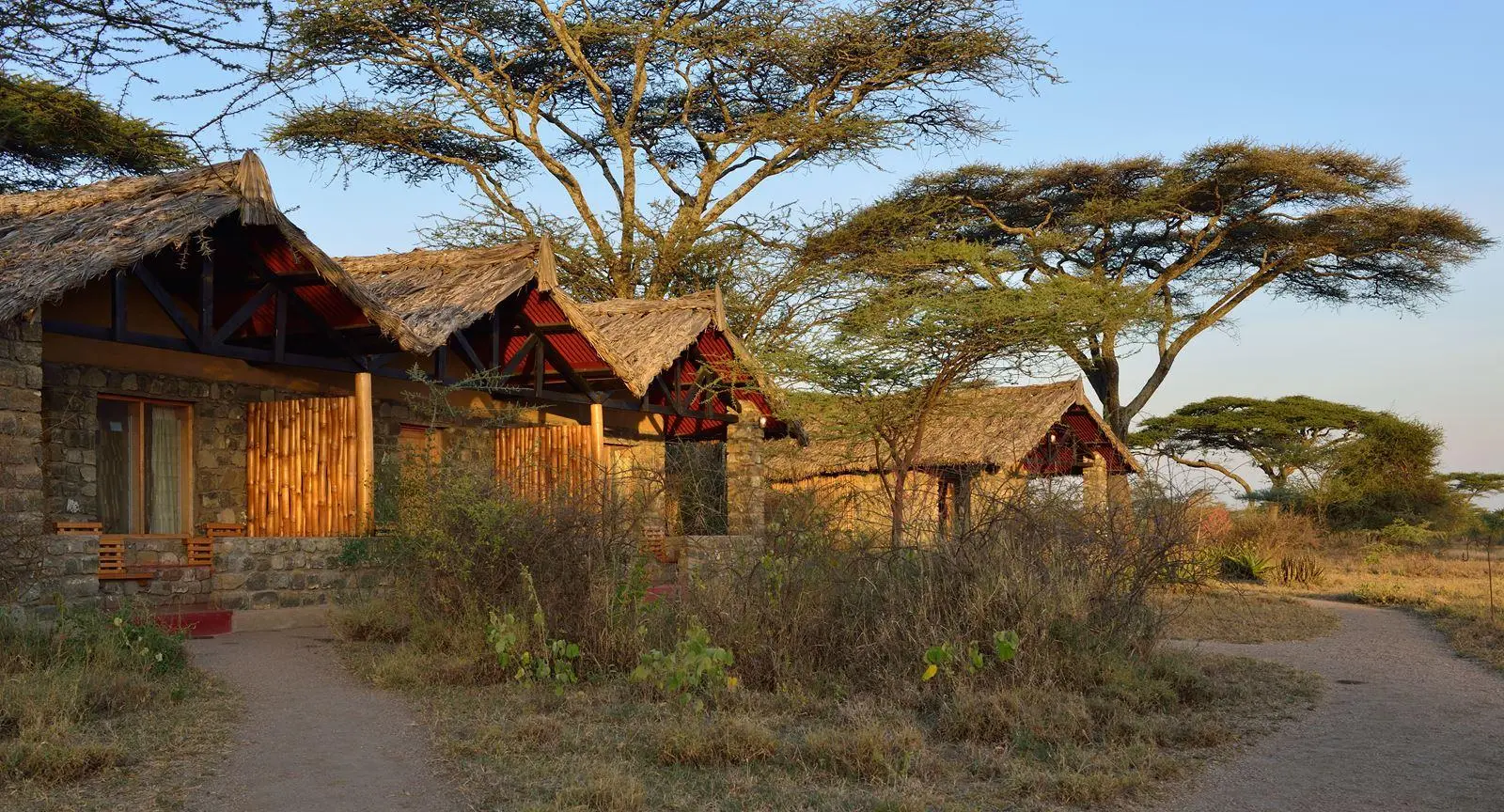
Permanent Ndutu lodges
Fixed-location properties with consistent facilities, still within easy driving range of the calving plains.
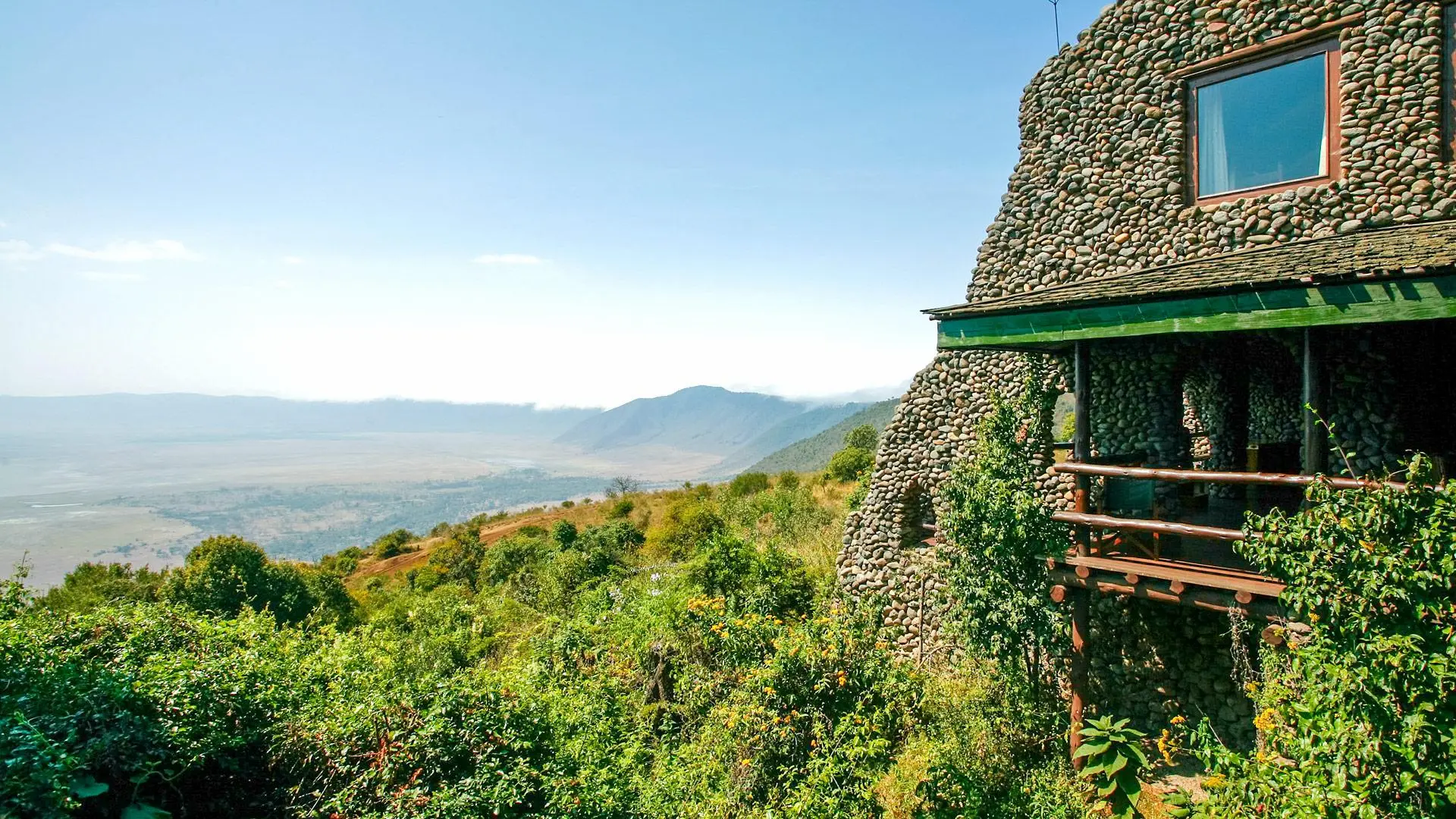
Ngorongoro combination stays
Base partly in Ndutu and partly on the Ngorongoro Crater rim to combine calving season with crater game drives.
Book early: popular Ndutu mobile camps have limited tents and are usually fully booked 6–12 months ahead of the January–February peak.
Most travellers fly into Ndutu or Kusini airstrip via light aircraft from Arusha, Seronera, or the Ngorongoro Crater rim — typically a 20–45 minute flight depending on origin.
Ndutu can also be reached by road from Ngorongoro Crater (roughly 2–3 hours) or Central Serengeti/Seronera (roughly 2 hours), making it easy to combine into a wider Northern Circuit itinerary.
- Fly-in transfers save significant driving time during peak season when road traffic to Ndutu increases.
- Combining a Crater rim night with Ndutu by road is a popular, cost-effective option for shorter trips.
Plan your calving season safari
Tell us your dates around December–March and we'll build an itinerary based in or near Ndutu for the best predator action.