
The Photography Safari
Extended time at sightings, photographer-friendly vehicles, and itineraries built around the best light — a photography safari is designed differently from the start.
Plan a Photography Safari →A great fit if...
- ✓ You want to prioritise time and light over covering many species quickly
- ✓ A private vehicle with beanbag support and window space matters to you
- ✓ You're comfortable with early starts to catch golden-hour light
- ✓ You want your itinerary timed around migration or calving events
Maybe not if...
- ✕ You're happy with quick drive-by sightings and phone photos
- ✕ A shared vehicle with more guests per seat works fine for you
- ✕ Covering the most ground and zones matters more than patience at one sighting
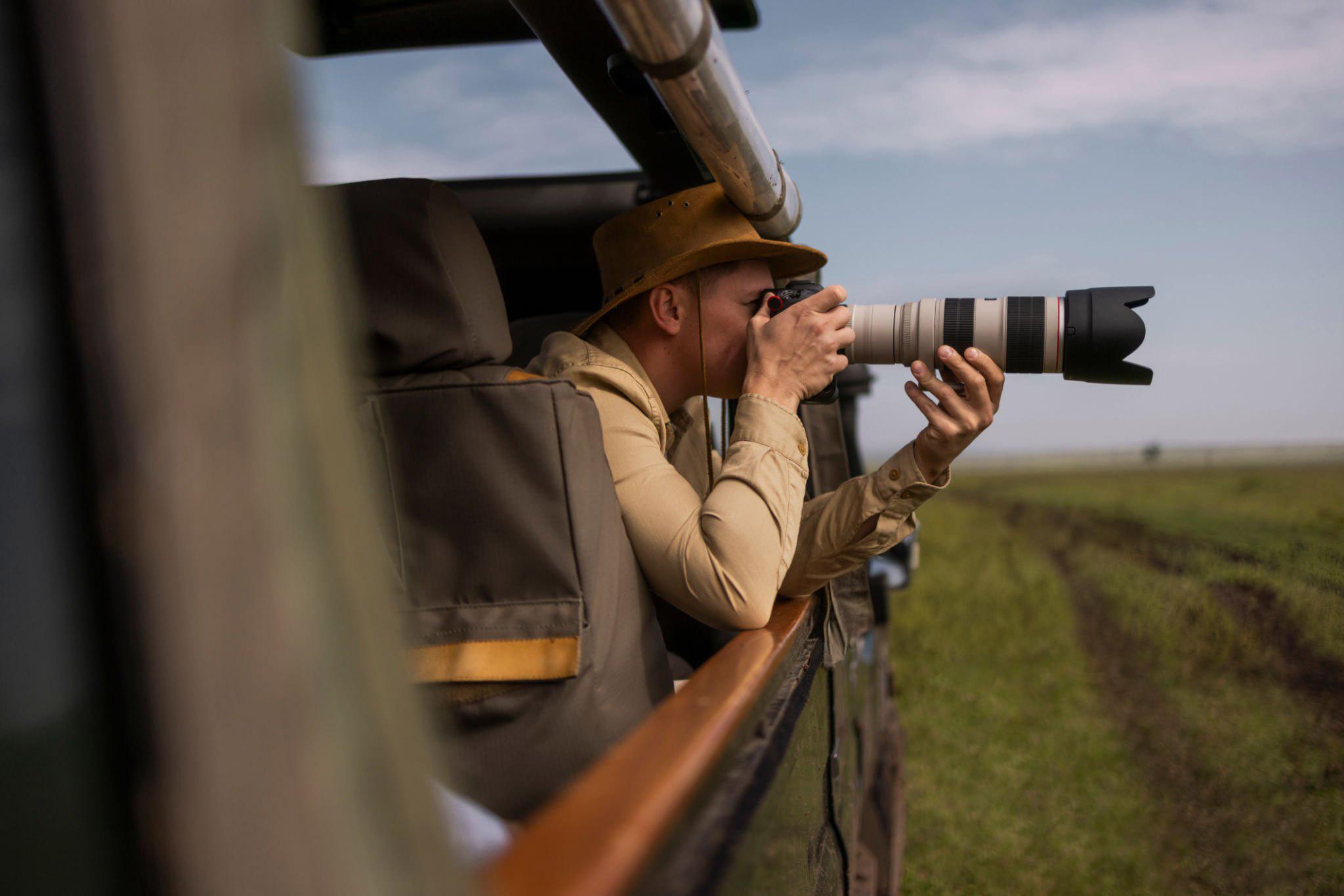
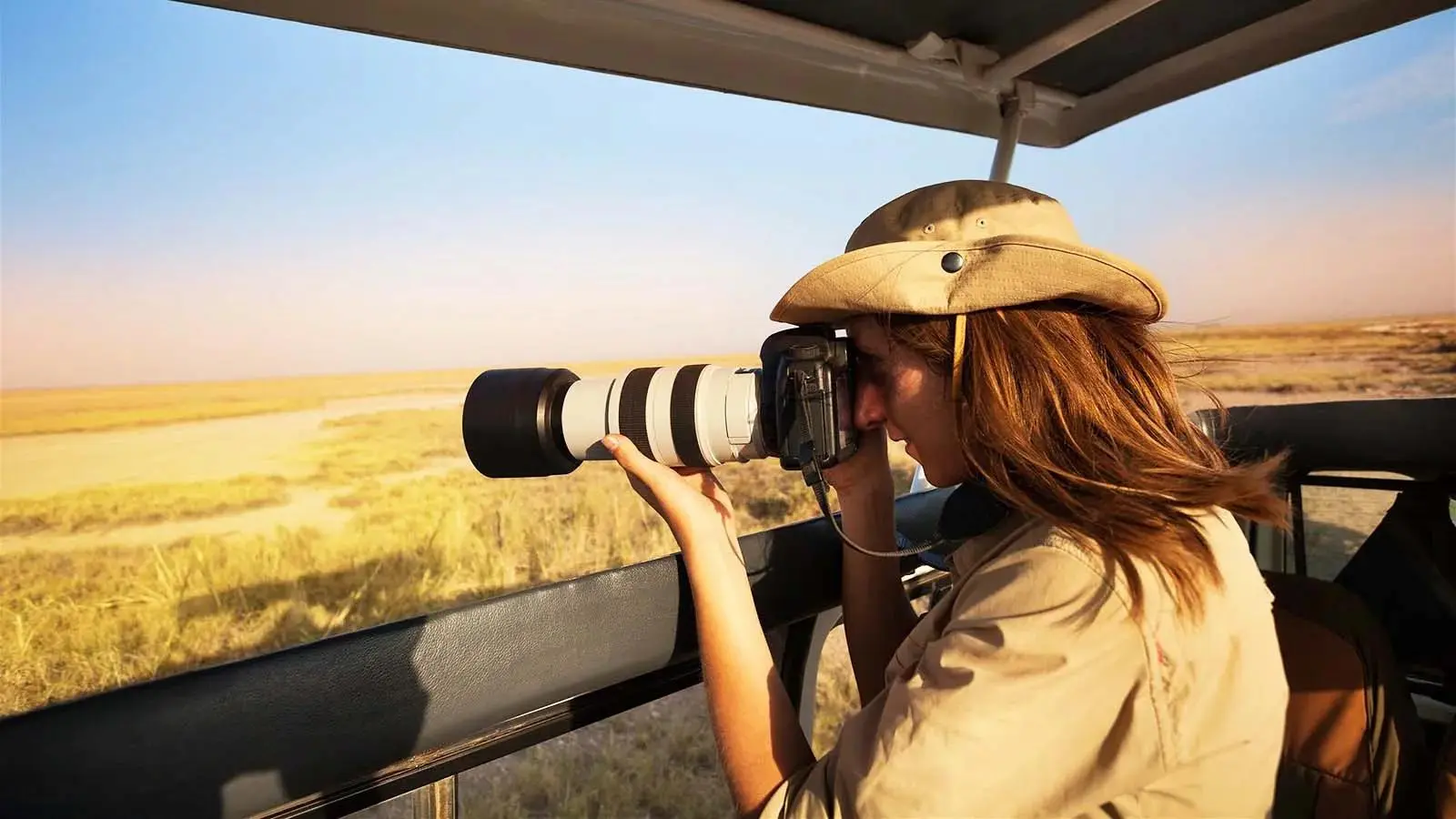
A photography-focused safari prioritises time and light over ticking off species. That means longer stays at productive sightings, drives timed around golden hour, and vehicles configured to support cameras rather than maximise seating.
We recommend limiting vehicles to 4 guests or fewer for photography trips, ensuring everyone has a window seat and enough space for gear.
Vehicle positioning technique matters as much as equipment. Experienced photography guides understand light direction, will approach a sighting at an angle that avoids other vehicles in your frame, and know how to hold a position patiently rather than repositioning every few minutes — small habits that separate a good photography guide from a standard game-drive guide, even though both may be equally skilled at finding wildlife.
Roof hatches versus open sides is also worth considering when choosing a vehicle: pop-up roof hatches give a stable, elevated shooting position ideal for beanbag support, while fully open-sided vehicles offer wider unobstructed angles but less stability for long lenses — we'll match vehicle type to your specific photography style and gear.
Pro tip: book a private vehicle for photography safaris — shared vehicles rarely allow the flexibility to wait out a sighting or reposition for light.
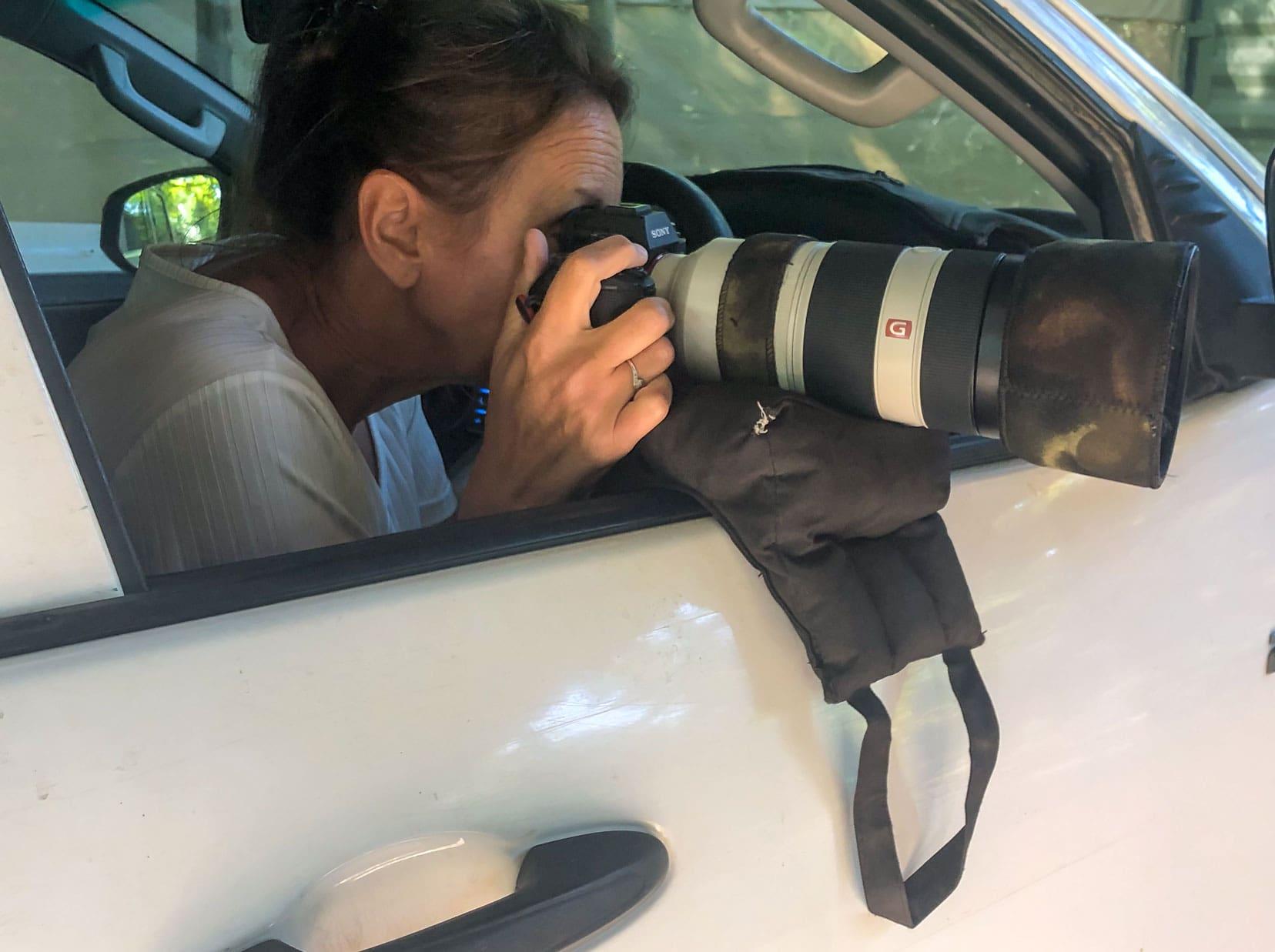
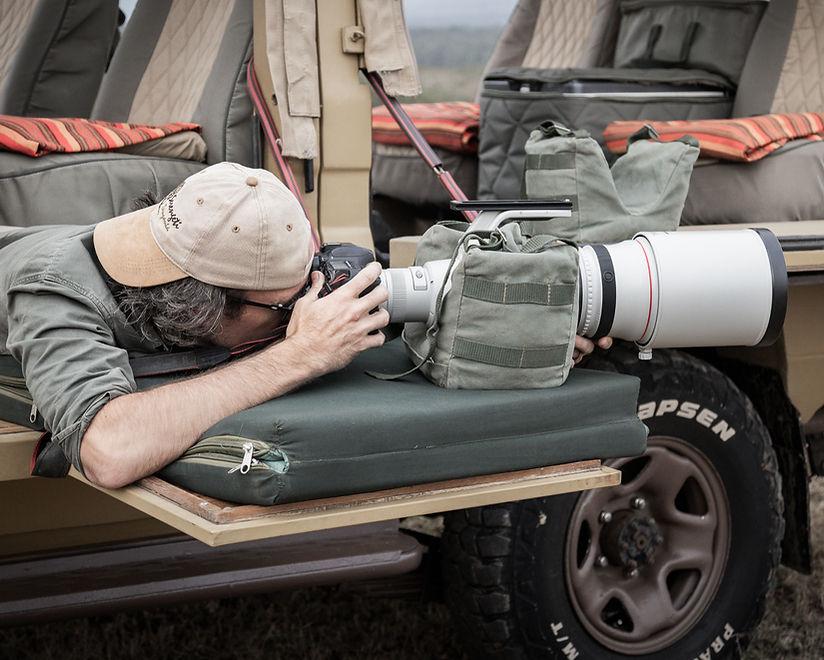
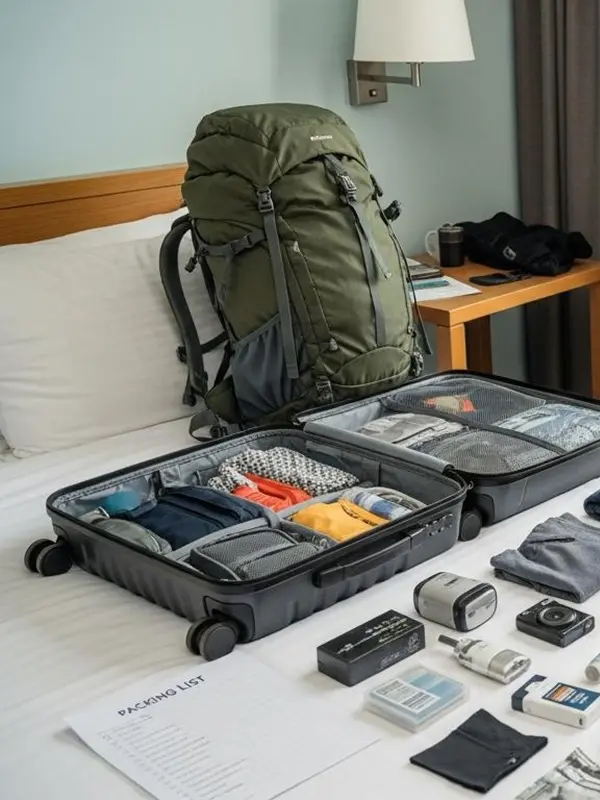
Zoom lens (200mm+)
The single most valuable piece of gear for distant sightings like resting big cats or crossing herds.
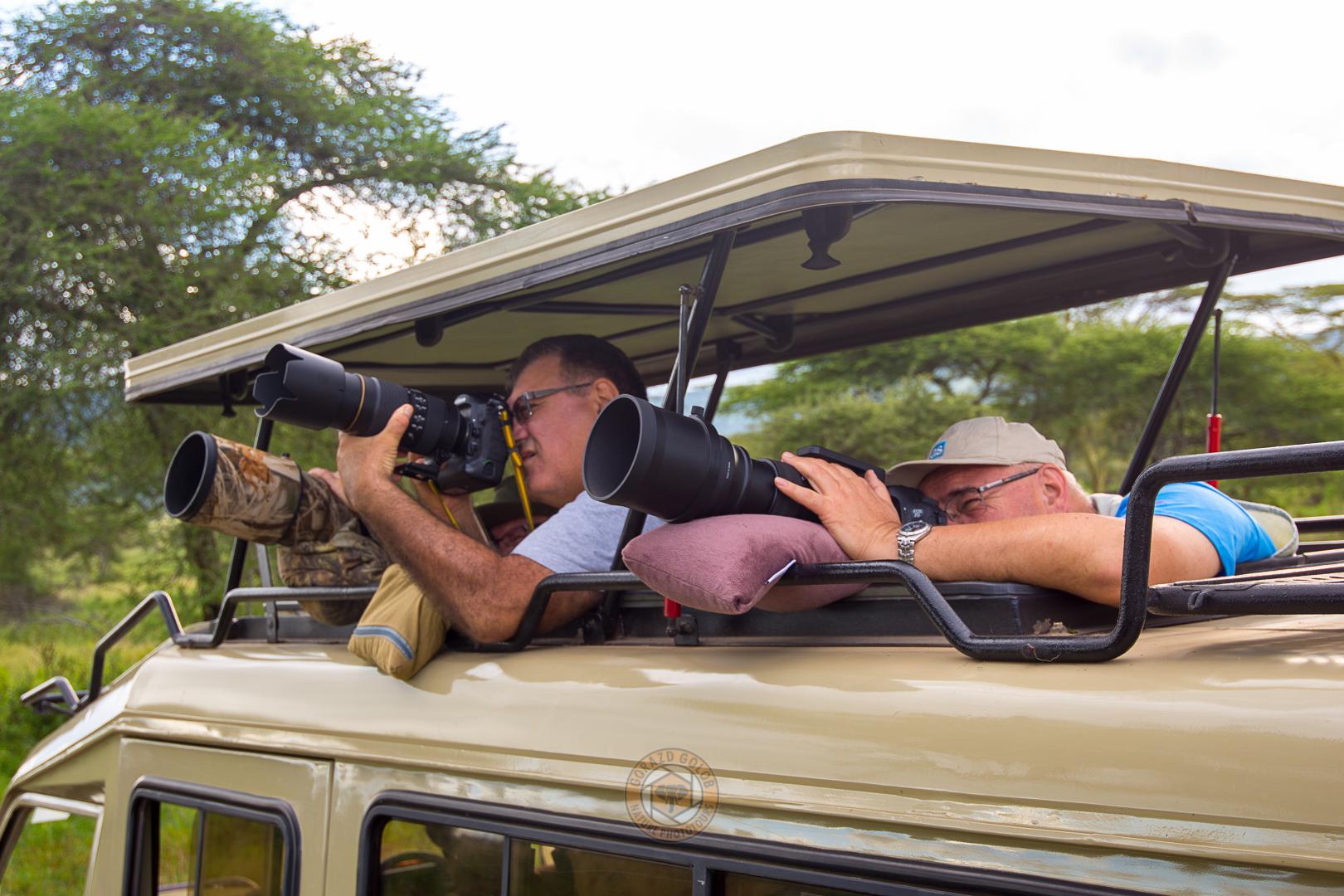
Beanbag support
More stable than a tripod in a moving vehicle — rests directly on the window frame or roof hatch edge.
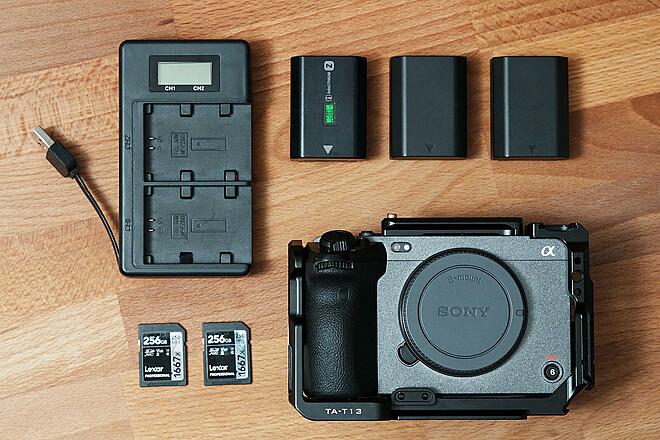
Extra batteries & storage
Charging options are limited in remote camps — bring more capacity than you think you'll need.
Dust protection
A rain cover or dry bag protects gear on dusty roads and during sudden weather changes.
Pre-dawn departure
Leaving camp before sunrise to be in position for golden-hour light.
Golden hour at a productive sighting
Extended time with one subject rather than rushing between multiple.
Return to camp, review images
A break to back up files and review the morning's shots with your guide.
Second afternoon window
A repositioning drive timed for a different productive area.
Extended dusk light session
Staying out later than a typical drive to capture last light.
Image review over dinner
Discuss the day's best shots and plan tomorrow's timing with your guide.
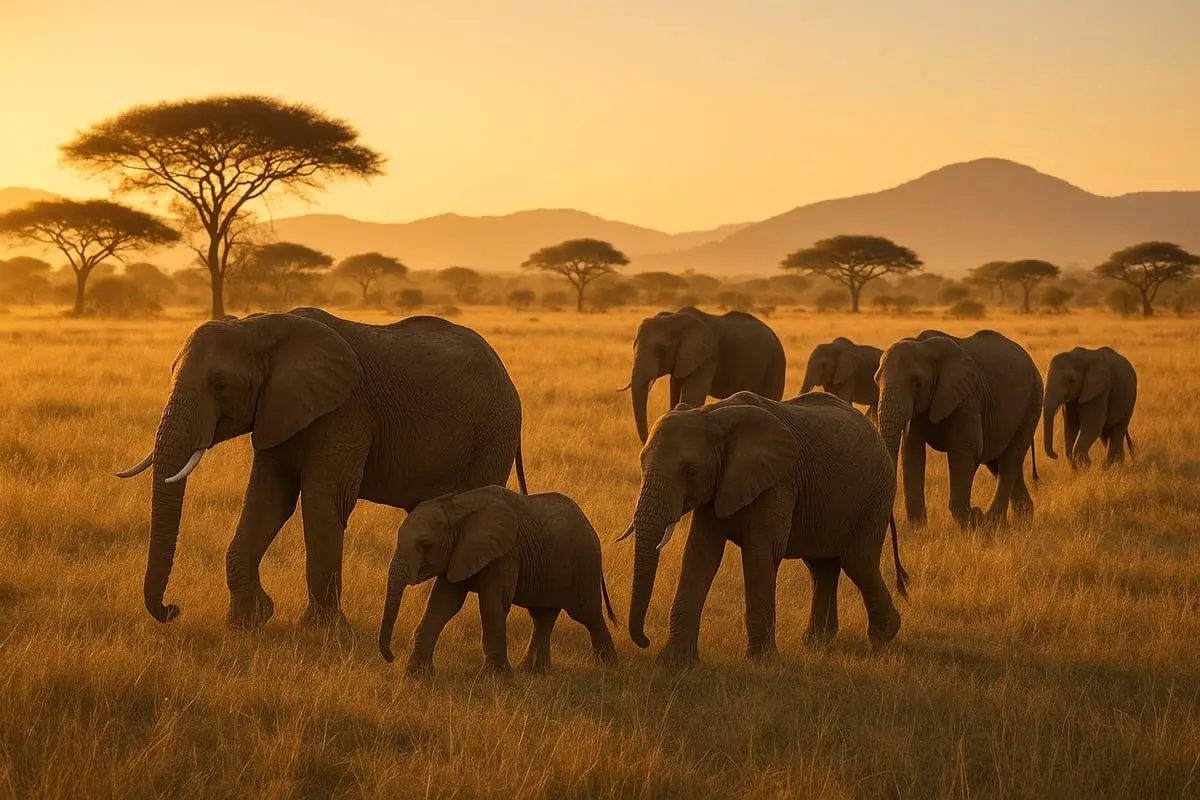
Golden hour timing
Drives scheduled around sunrise and sunset light, the most flattering conditions for wildlife photography.
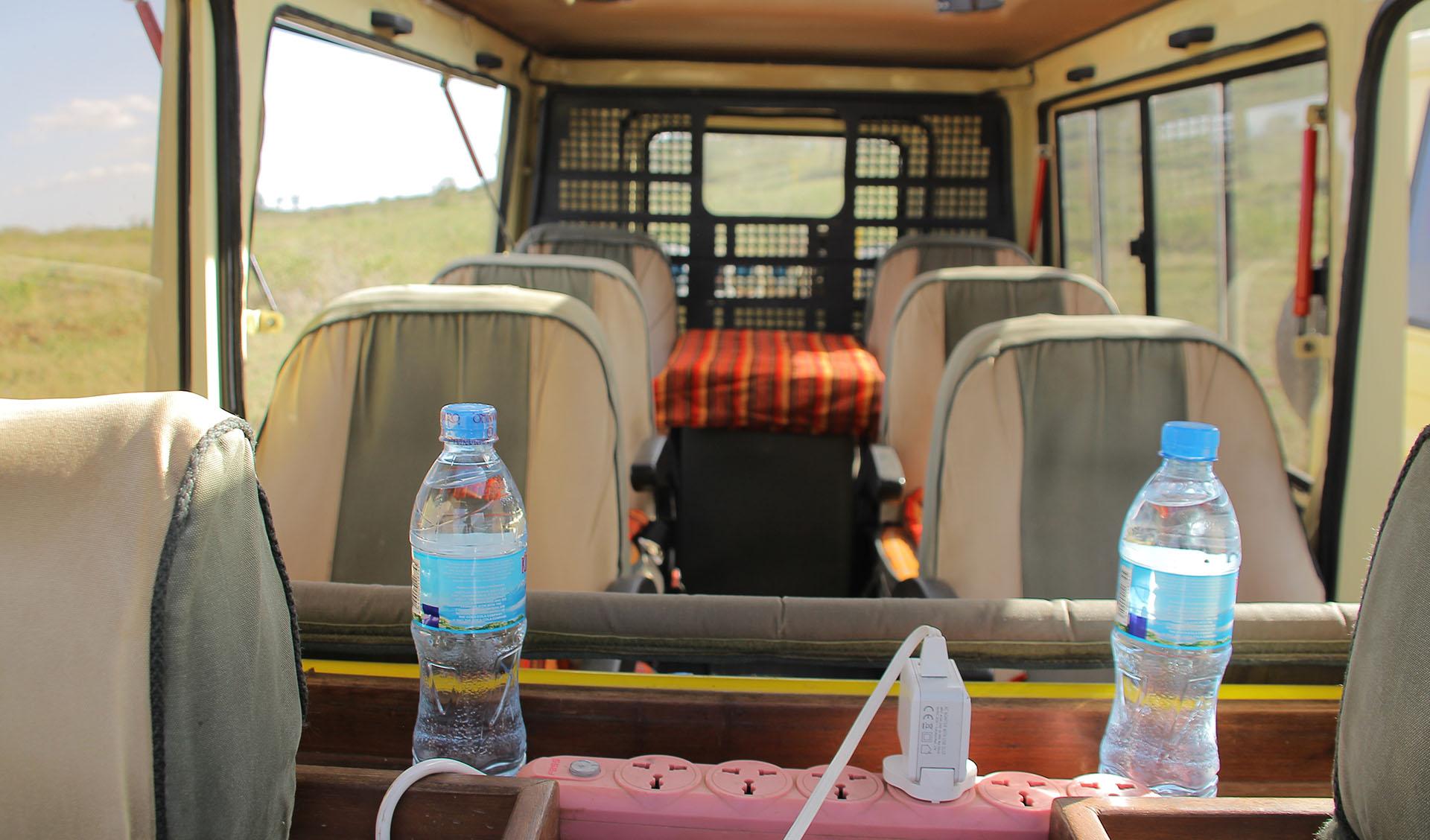
Photographer-friendly vehicles
Beanbag supports, charging ports, and reduced seating for more space and stability per guest.
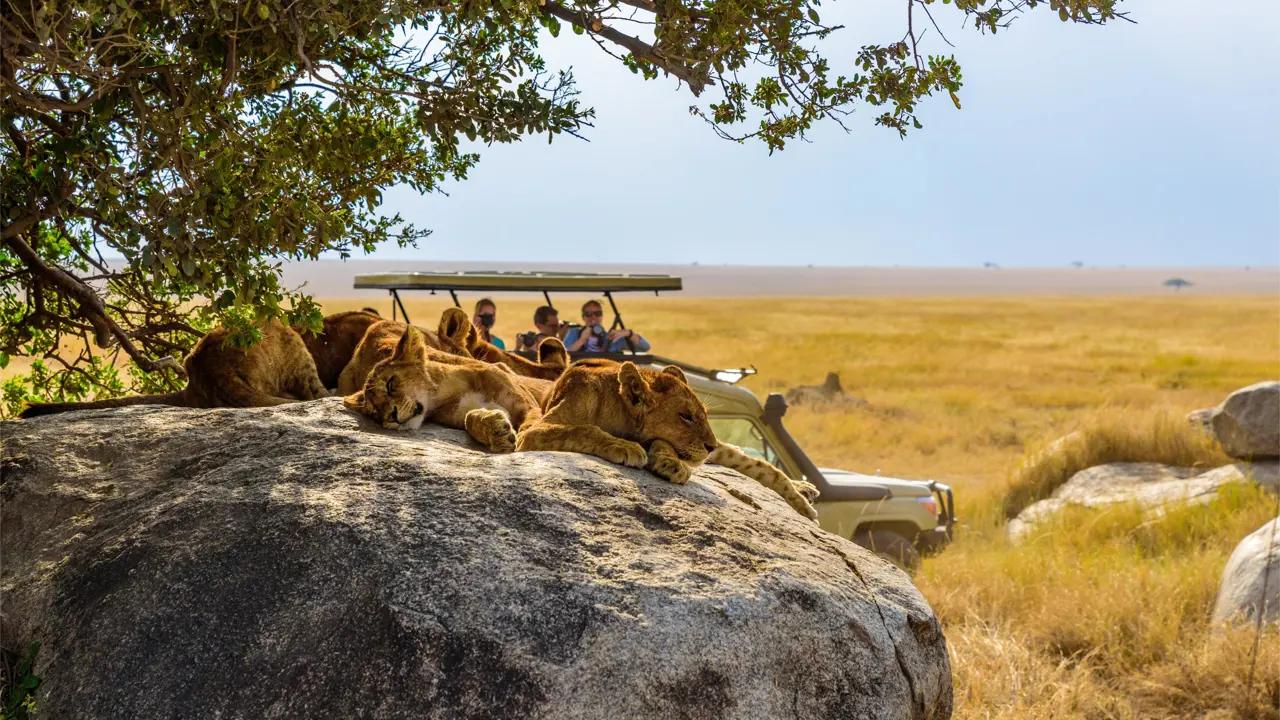
Extended sighting time
Private vehicles allow you to stay with a sighting as long as it's productive, rather than moving on quickly.
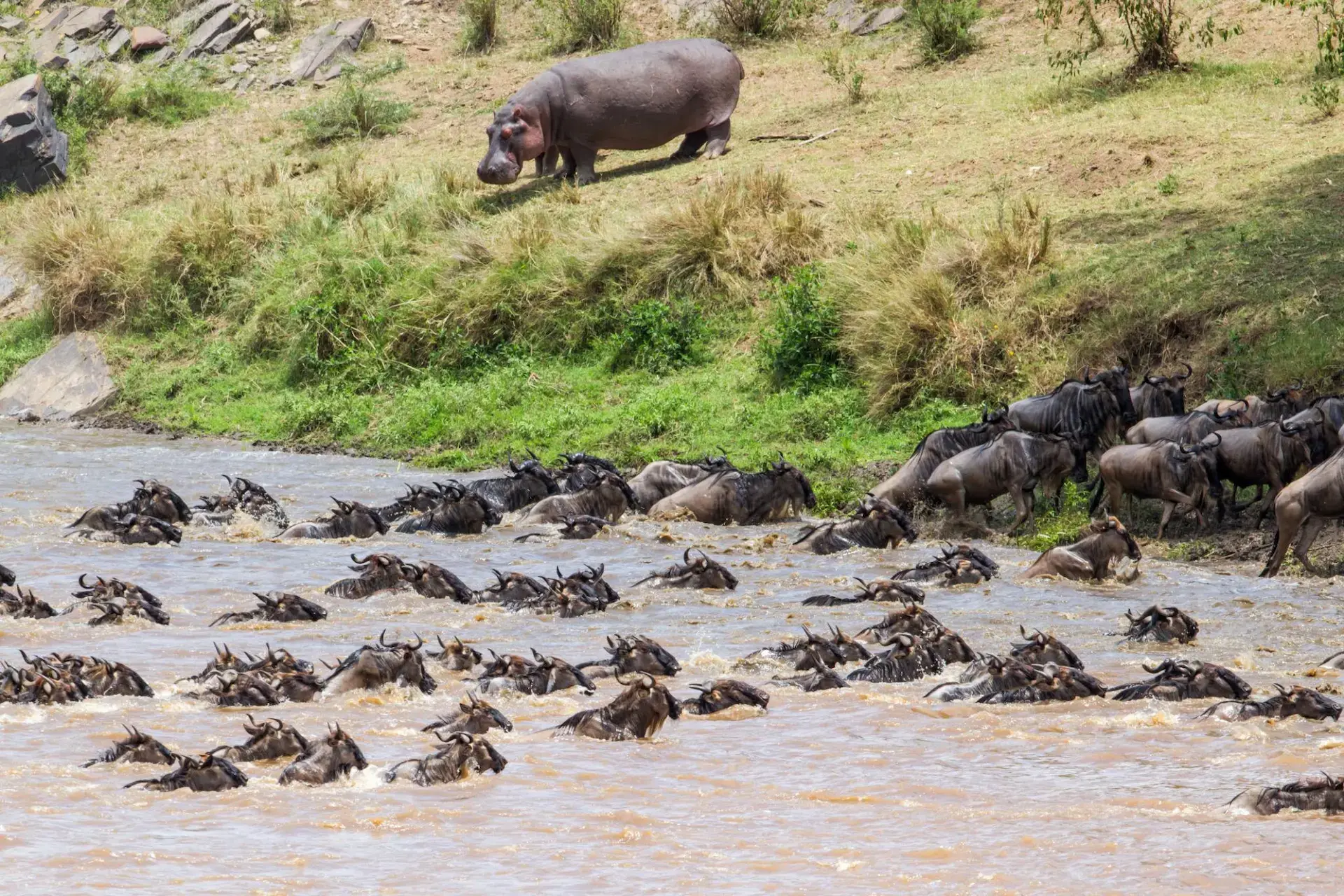
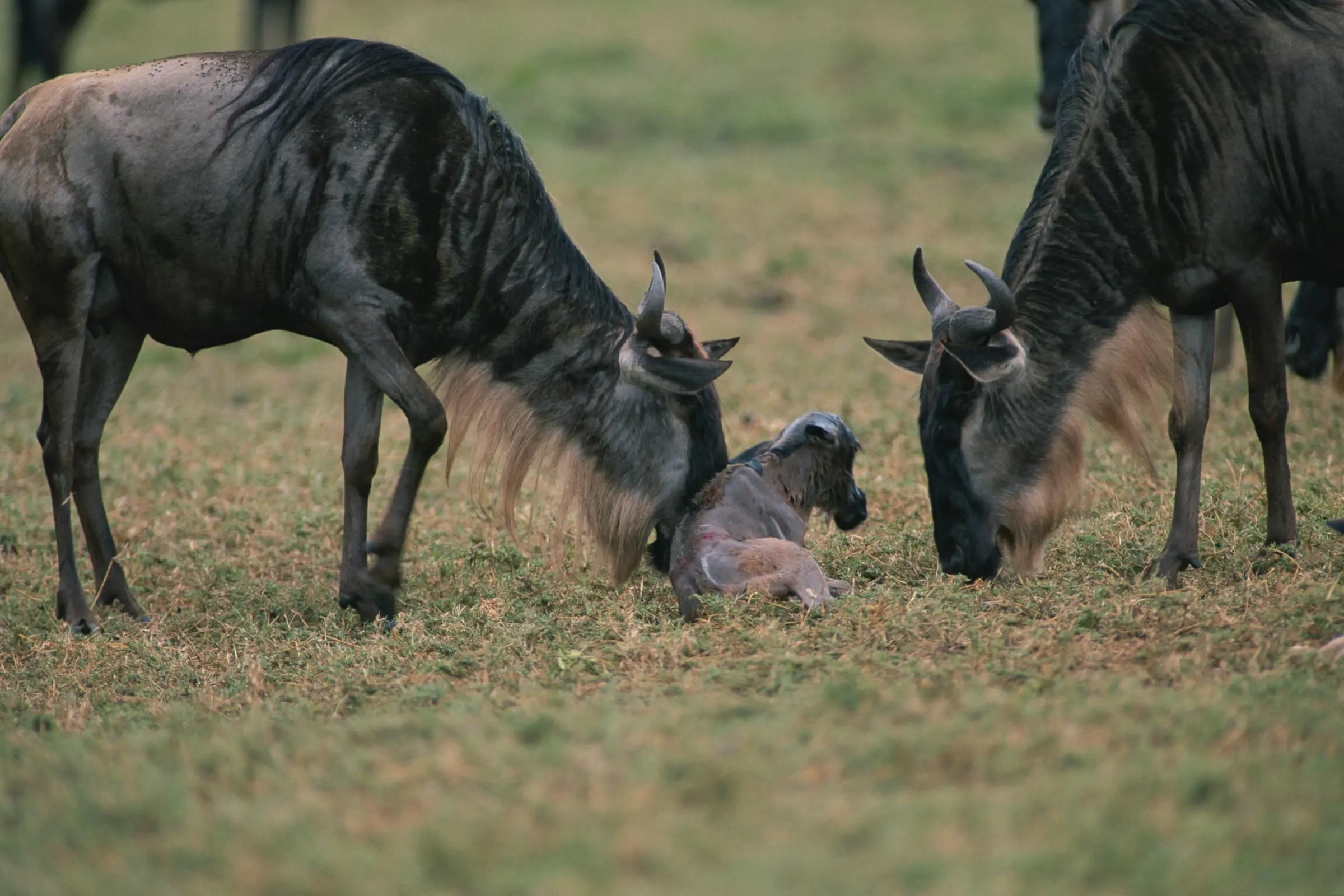
Zone timing for events
Itineraries timed to migration crossings, calving season, or other high-action wildlife events.
“Light waits for no one. Neither should you.”
Tell us your subjects of interest and travel dates, and we'll build a light- and timing-optimised itinerary.