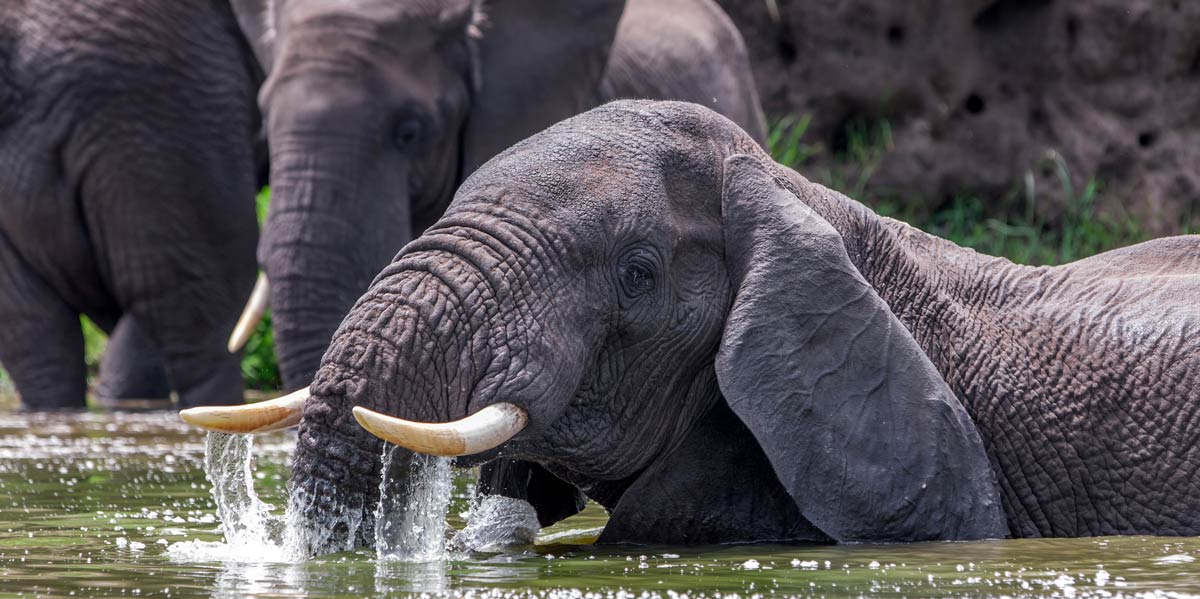
Expert Trackers
Our guides have decades of experience tracking the Big Five across Tanzania. They read the land, follow animal behavior patterns, and position you for unforgettable sightings with deep knowledge of each species' habits.
Track the legendary Big Five — lion, leopard, elephant, rhino and buffalo — across Tanzania's most iconic wilderness. Expert guides lead you to Africa's most magnificent creatures on an unforgettable safari adventure.
A Big 5 safari in Tanzania is the pinnacle of African wildlife adventure. Tracking the legendary five — lion, leopard, African elephant, black rhino, and Cape buffalo — across Tanzania's pristine wilderness is a life-changing experience that connects you deeply with the natural world.
From the vast Serengeti plains to the ancient Ngorongoro Crater floor, Tanzania offers the best Big 5 viewing on the continent. Our expertly guided safaris combine luxury accommodations, exceptional wildlife tracking, and an intimate safari experience that brings you face-to-face with Africa's most iconic animals.
Discover what makes our Big 5 safaris the finest in Tanzania — expert guides, prime viewing locations, and an unwavering commitment to ethical wildlife encounters.
Our guides have decades of experience tracking the Big Five across Tanzania. They read the land, follow animal behavior patterns, and position you for unforgettable sightings with deep knowledge of each species' habits.
We access exclusive game-viewing areas in Serengeti, Ngorongoro, Tarangire, and Lake Manyara. These prime locations offer the highest density of Big Five species in their natural habitats.
We prioritize responsible wildlife viewing. Our safaris follow strict ethical guidelines — maintaining safe distances, limiting vehicle numbers, and never disrupting natural animal behavior for photographs.
Enjoy premium safari lodges and camps, gourmet bush dining, and personalized service throughout your journey. Every detail is crafted for comfort without compromising the authentic wilderness experience.
Our guides understand photographer needs — optimal angles, golden hour positioning, and vehicle placement. We ensure you return with portfolio-worthy images of every Big Five member.
Our safari vehicles are equipped with safety features, communication systems, and first-aid kits. Professional guides are trained in wilderness safety, ensuring your adventure is both thrilling and secure.
Tanzania is home to four world-class safari destinations, each offering exceptional Big Five viewing opportunities in dramatically different landscapes.
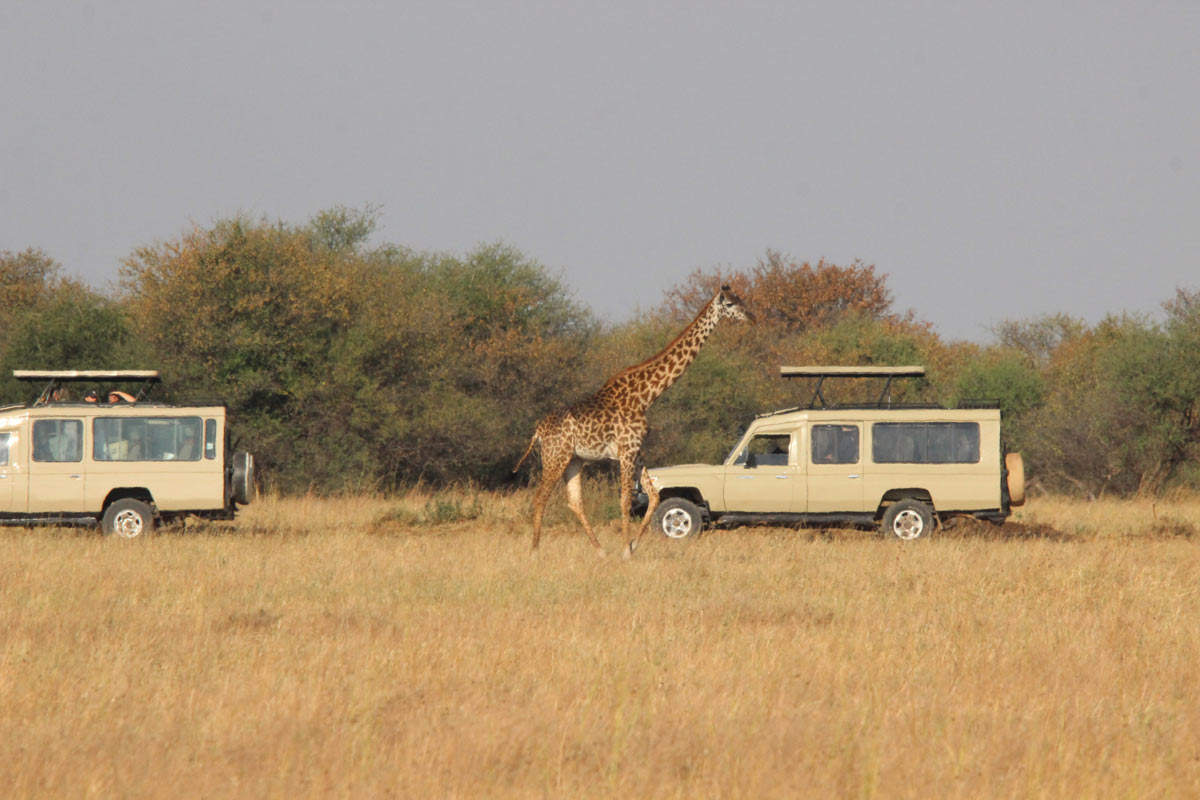
The Serengeti offers unparalleled Big Five viewing across its vast savannahs. Lions dominate the kopjes, leopards laze in riverine trees, elephants roam the woodlands, and buffalo herds darken the plains. Black rhinos are spotted in the park's remote Moru Kopjes area.
The Ngorongoro Crater is the best place in East Africa to see the Big Five in a single day. The crater floor's concentrated ecosystem hosts a dense population of lions, spotted hyenas, elephants, buffalo, and a healthy black rhino population — all against a backdrop of dramatic caldera walls.
Tarangire's baobab-dotted landscape hosts Tanzania's largest elephant herds, with some family groups exceeding 300 individuals. Lions are abundant, leopards frequent the ancient trees, and buffalo gather in large herds along the Tarangire River. The park's dry season concentration of wildlife rivals the Serengeti.
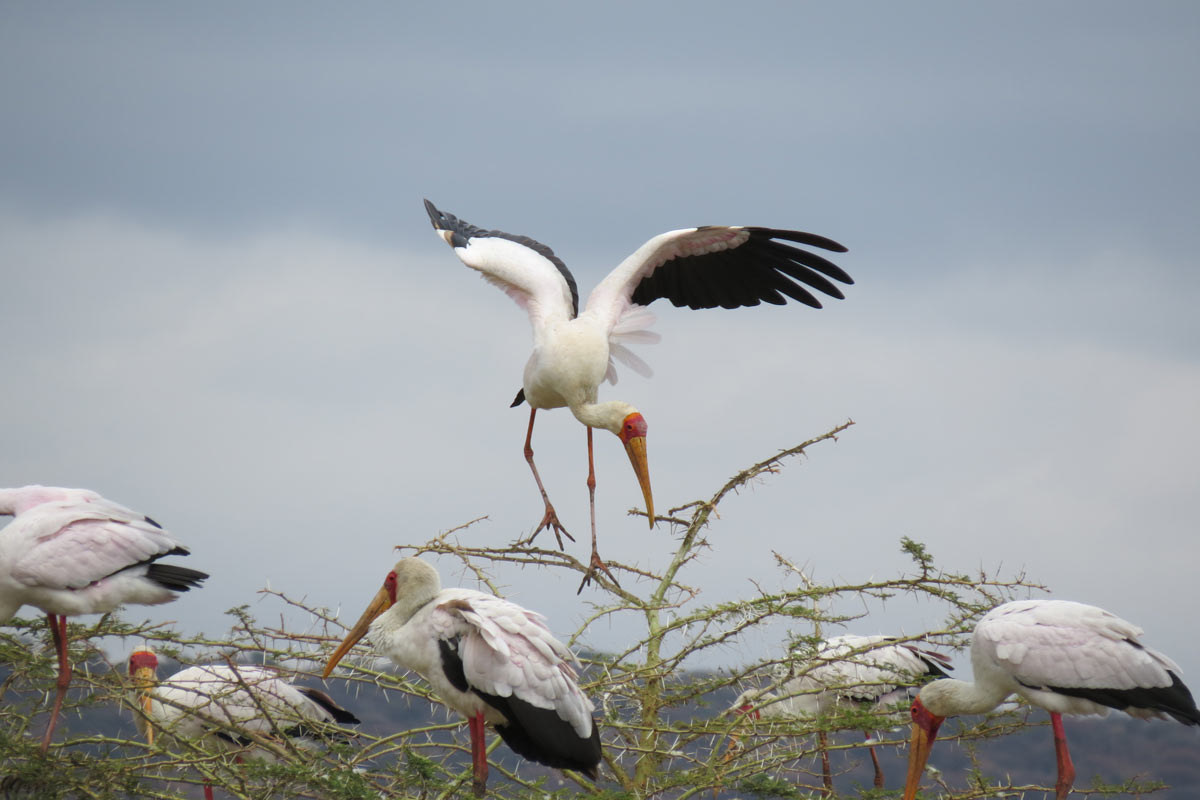
Lake Manyara is famous for its tree-climbing lions — a rare behavior found in only two places in Africa. The park's groundwater forest supports large buffalo herds, elephants, and leopards. The soda lake attracts thousands of flamingos, adding a vibrant pink fringe to Big Five sightings.
The term "Big Five" was coined by big-game hunters for the five most dangerous animals to hunt on foot. Today, these magnificent species are the most sought-after sightings on any African safari.
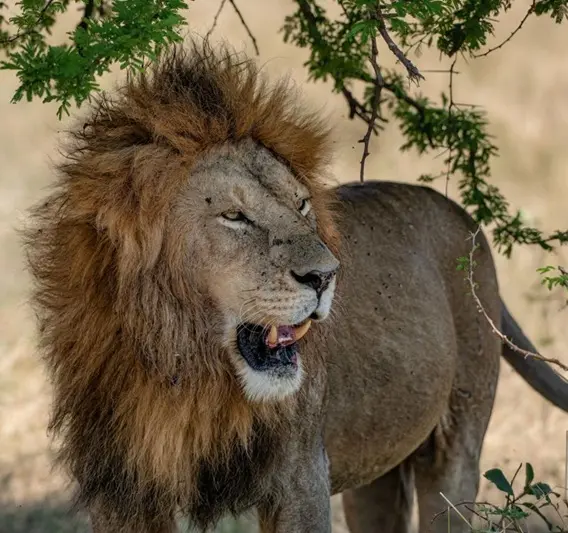
Tanzania is home to the largest lion population in Africa, with an estimated 15,000 individuals. The Serengeti's vast prides are world-famous, often exceeding 20 members. Watch them hunt, rest, and raise cubs on the endless plains.
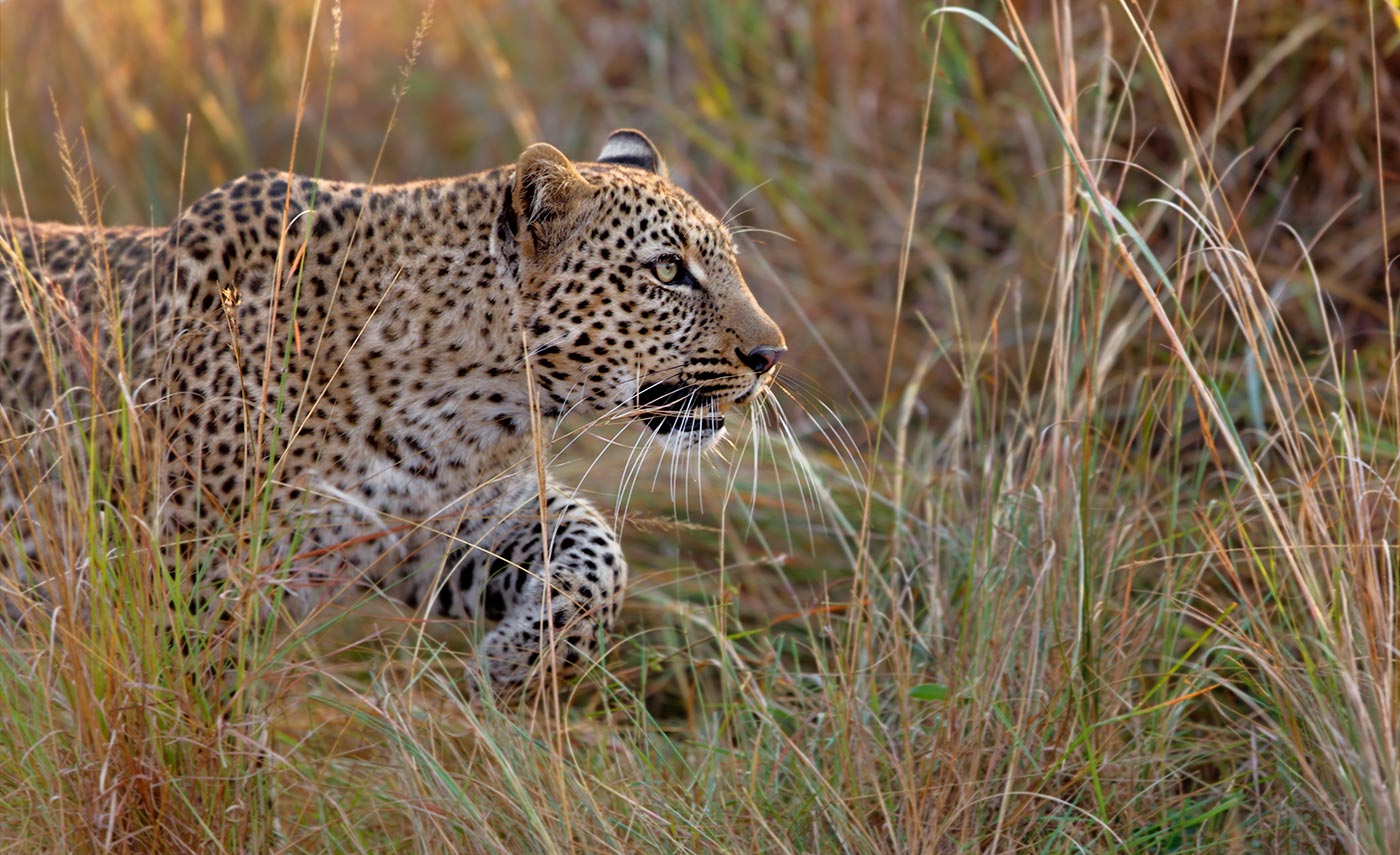
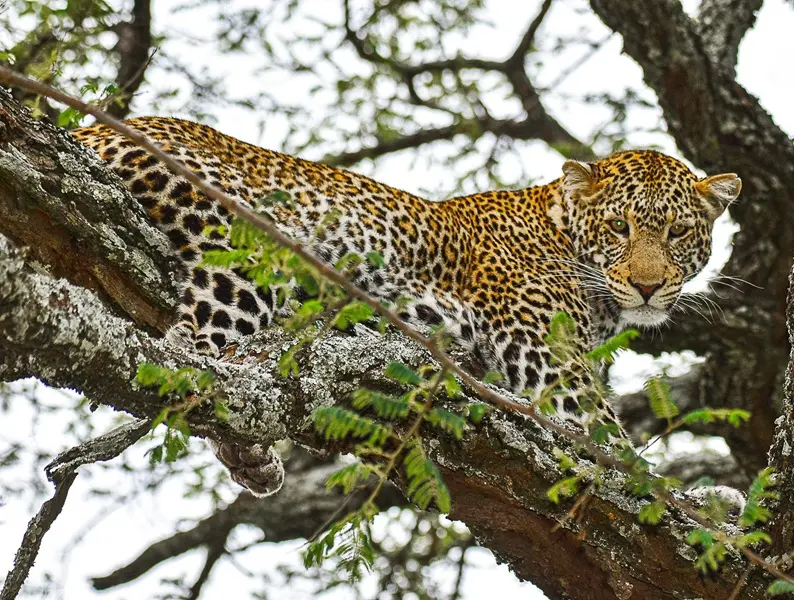
The most elusive of the Big Five, leopards thrive in Serengeti's riverine forests and Tarangire's baobab trees. Our expert trackers know their favorite resting branches and hunting grounds, offering exceptional viewing opportunities of these solitary cats.
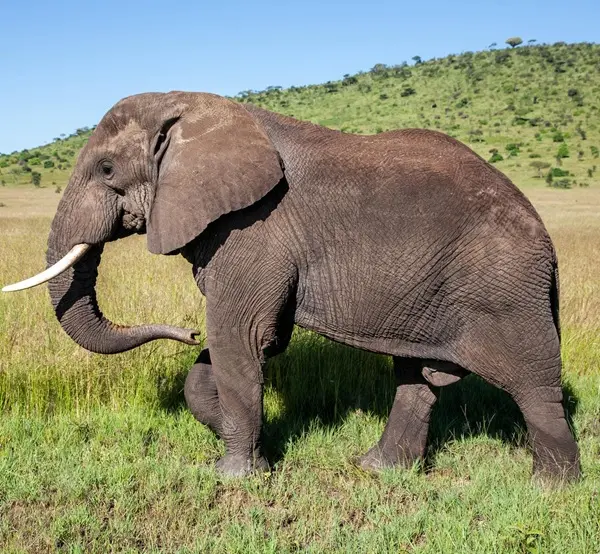
Tarangire hosts Tanzania's largest elephant herds, with some family units numbering over 300. Watch these intelligent giants interact at waterholes, their deep family bonds and complex social structures on full display in the wild.
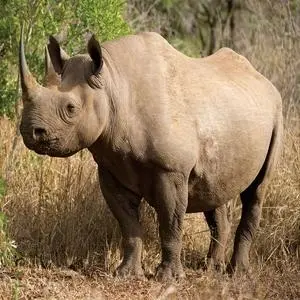
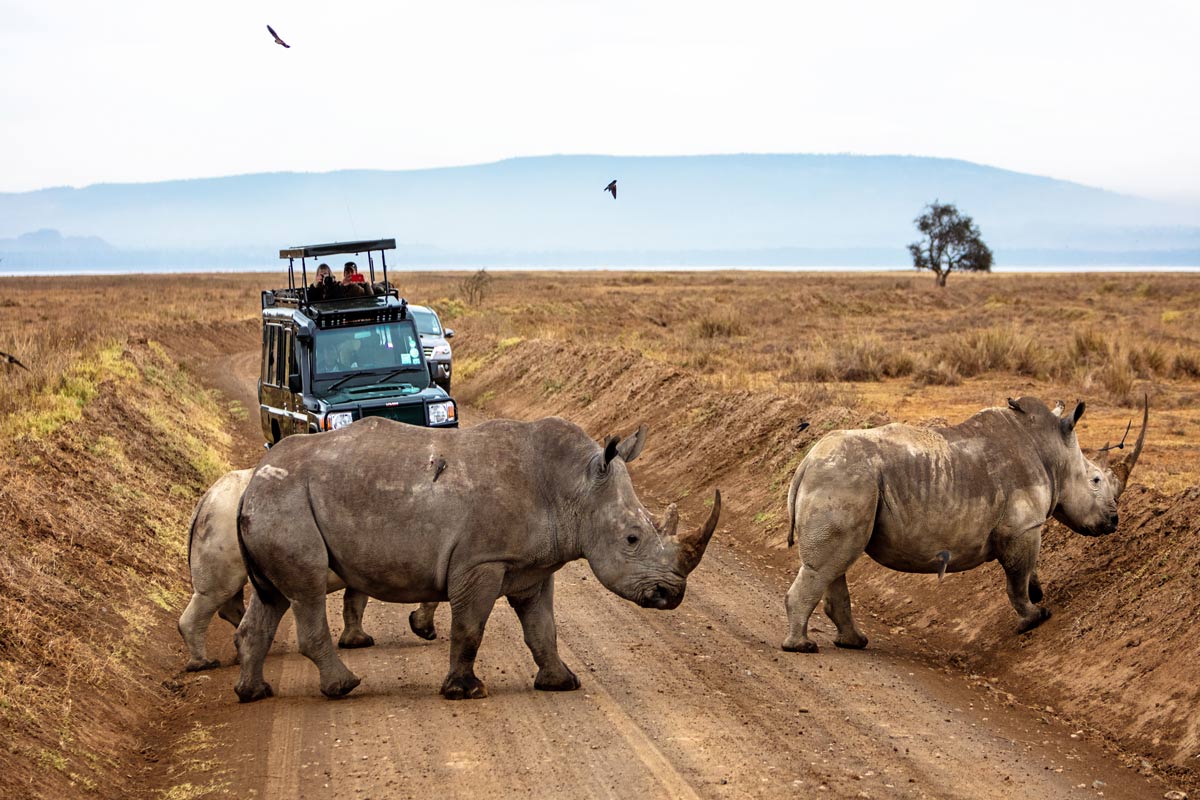
The critically endangered black rhino finds sanctuary in Ngorongoro Crater and Serengeti's Moru Kopjes. With fewer than 5,000 remaining in the wild, every sighting is a privilege. Our guides know the protected zones where these prehistoric creatures browse.
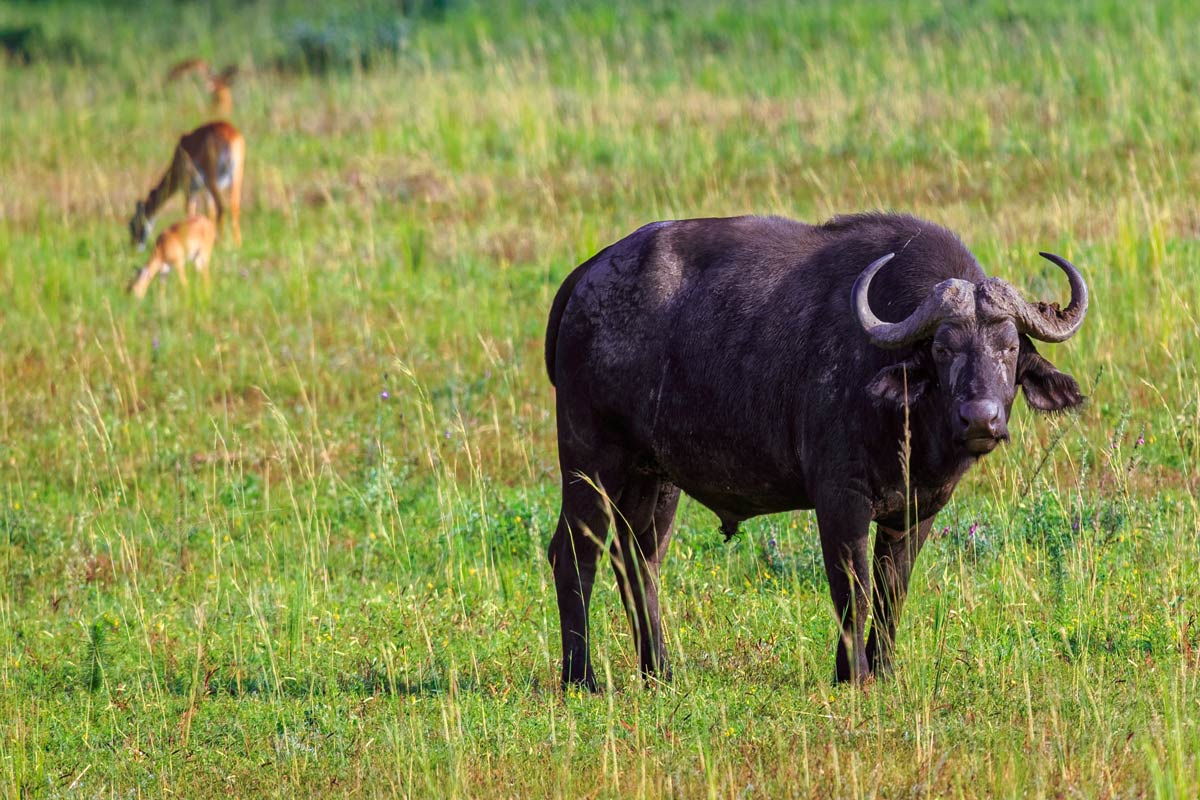
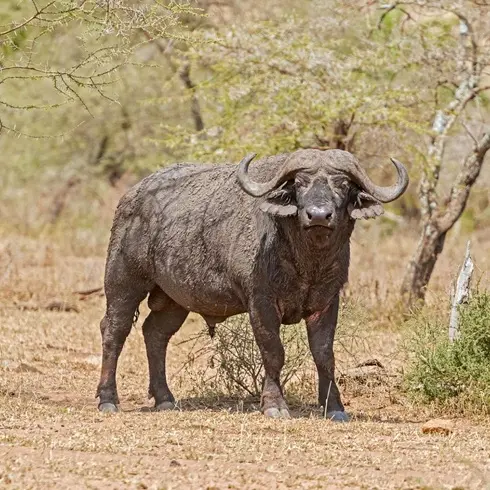
Cape buffalo are among Africa's most formidable animals, living in vast herds that can number over 1,000. Serengeti and Tarangire offer spectacular buffalo viewing as these powerful animals graze across the savannah in dark, moving masses.
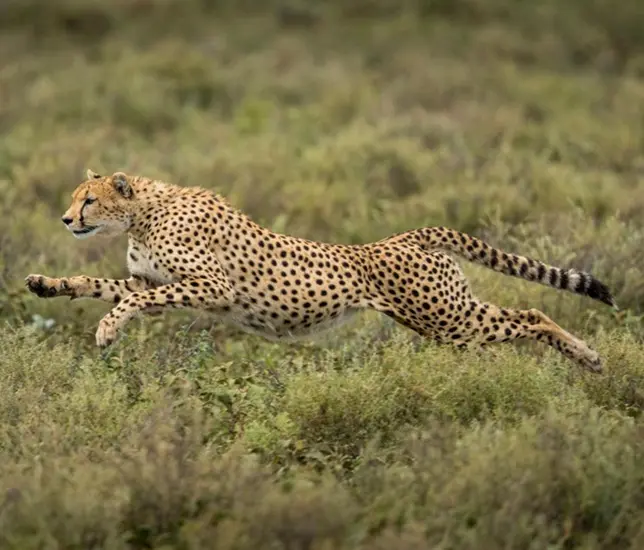
Though not officially part of the historical Big Five, cheetahs are a coveted sighting on any Tanzania safari. The Serengeti's open plains are ideal cheetah habitat, where these fastest land animals hunt gazelles at breathtaking speeds.
A day on a Big 5 safari in Tanzania is a carefully orchestrated journey through prime wildlife habitats, timed for the best sightings and most magical light.
Depart before sunrise with coffee and light snacks in hand. The early morning is prime Big Five viewing time as nocturnal predators return from hunting and the day's first light illuminates the savannah. Your guide tracks fresh prints and listens for alarm calls.
Pause at a scenic spot for a full bush breakfast served under an acacia tree. Freshly brewed coffee, hot breakfast, and fresh fruits replenish you as your guide shares stories and plans the next route based on wildlife movement patterns.
Continue the search as the day warms. Lions and leopards settle in shady spots, making them easier to locate. Elephants gather at waterholes, and buffalo herds move toward grazing areas. Your guide navigates to prime viewing locations based on radio updates.
Return to your lodge or camp for a gourmet lunch. Rest during the midday heat beside the pool or on your veranda. Many lodges offer stunning views of waterholes where animals come to drink, providing excellent photography opportunities from camp.
The golden hour approaches as you head back into the bush. Predators become active as temperatures cool. This is prime time for leopard and lion sightings, with warm golden light creating spectacular photography conditions across the savannah.
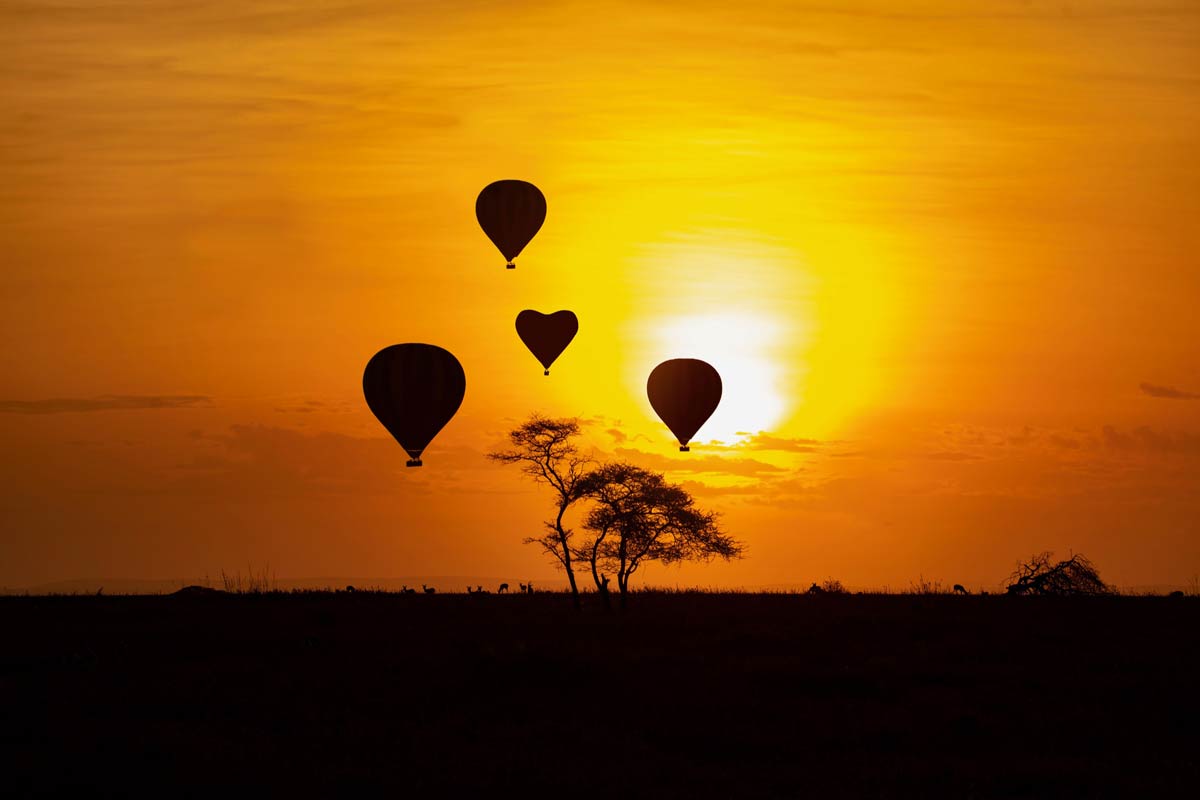
Stop at a scenic viewpoint for sundowners — chilled drinks and snacks as the sun sets over the African bush. Reflect on the day's sightings as the sky ignites in shades of orange and gold. Return to camp for a gourmet dinner under the stars.
A glimpse into the extraordinary Big Five encounters that await you in Tanzania. Each image captures a moment of pure wilderness magic.
Interactive map showing our Big Five safari locations across Tanzania's premier national parks and conservation areas where each species is most commonly found.
Interactive map showing our Big Five safari locations across Tanzania's premier national parks and conservation areas where each species is most commonly found.
Tanzania offers year-round Big Five viewing, but each season provides a unique experience. Understanding the best time ensures optimal sightings and comfortable safari conditions.
The prime Big Five viewing season. Sparse vegetation and animals concentrated around water sources make wildlife spotting exceptional. Lions are highly visible on the Serengeti plains, elephants gather at permanent waterholes, and Ngorongoro Crater offers the most reliable black rhino sightings. Clear skies and comfortable temperatures create perfect safari conditions.
The landscape transforms into a lush green paradise. While vegetation is thicker, this is calving season with abundant predator-prey interactions. Lions and cheetahs are active as wildebeest calves are born. Fewer tourists mean exclusive game-viewing experiences. January and February offer the best combination of green scenery and clear mornings.
The wettest months bring spectacular green landscapes and fewer crowds. Big Five viewing is more challenging due to thicker vegetation, but rates are significantly lower. This period is excellent for birdwatchers and photographers seeking dramatic storm-lit landscapes. Many lodges offer significant discounts during this time.
Our top recommended windows for Big Five safaris. January–February offers lush green scenery, calving season action, and excellent lion and cheetah sightings. July–September provides dry-season game viewing at its finest with animals concentrated around water sources and the Great Migration in the northern Serengeti.
Your safety is our highest priority. Our Big Five safaris follow strict protocols to ensure secure wildlife encounters while respecting the animals and their natural habitat.
All our guides are licensed, trained in wilderness first aid, and have extensive knowledge of animal behavior. They undergo rigorous certification through Tanzania's professional guide associations and complete annual safety training.
Our 4x4 safari vehicles are custom-built for wildlife viewing with pop-up roofs, spacious seating, and safety equipment including first aid kits, fire extinguishers, satellite phones, and GPS tracking systems. Vehicles undergo daily safety inspections.
Strict rules govern all wildlife encounters: maintaining minimum 25-meter distance from predators, never blocking animal movement, limiting vehicles at sightings to prevent crowding, and observing silent protocols near sensitive species.
Full emergency protocols including evacuation plans, medical evacuation insurance, first aid trained staff, and satellite communication devices. Every safari vehicle carries a comprehensive medical kit and emergency supplies for remote areas.
We provide ample water, sun protection, and regular breaks. Guides monitor guest wellbeing throughout the day. Pre-safari health briefings cover sun safety, hydration, and what to pack for a comfortable experience in the bush.
We adhere to a strict code of conduct: no off-road driving in sensitive areas, no feeding or attracting animals, no loud noises or sudden movements that disturb wildlife. Our safaris prioritize animal welfare and conservation above all else.
Maximize your Big Five sightings with insider tips from our experienced safari guides who have spent decades tracking Tanzania's most iconic wildlife.
The first and last hours of daylight are prime Big Five viewing time. Predators are most active at dawn and dusk, and animals gather at waterholes. Early departures and late returns dramatically increase your chances of exceptional sightings.
Your guide's experience is invaluable. They read animal tracks, understand seasonal movement patterns, and communicate with other guides via radio. Trust their instincts — they know where and when to find each Big Five species.
Binoculars (8x or 10x magnification), a camera with a 200-400mm lens, neutral-colored clothing, a wide-brimmed hat, and sunscreen are essential. Bring layers — mornings are cool, afternoons are hot. Avoid bright colors that scare wildlife.
Big Five sightings require patience. Lions may sleep for hours, leopards are masters of concealment. Silence is golden — loud conversations scare wildlife. Let the bush come to you, and your guide will position you for the best views.
Each park offers different strengths for Big Five viewing. Ngorongoro Crater is best for rhinos, Serengeti for lions and leopards, Tarangire for elephants. A multi-park itinerary gives you the best chance of seeing all five species.
Dry season (June-October) offers the easiest Big Five viewing with sparse vegetation and animals at water sources. However, the green season (November-March) provides spectacular predator action during calving and dramatically fewer tourists.
The Big Five refers to five iconic African species: lion, leopard, African elephant, black rhino, and Cape buffalo. The term originated from big-game hunting but is now the ultimate checklist for wildlife enthusiasts on safari. Tanzania is one of the best places in Africa to see all five in their natural habitat.
The dry season from June to October offers the best Big Five viewing due to sparse vegetation and animals congregating around water sources. However, January to February provides excellent predator sightings during calving season. Year-round safaris are possible with each season offering unique advantages. Our team can recommend the optimal timing for your priorities.
Yes, Ngorongoro Crater is one of the few places in Africa where you can see all Big Five in a single day due to its concentrated wildlife population and enclosed ecosystem. The crater floor hosts healthy populations of each species. However, a 3-5 day safari across multiple parks offers a more relaxed and comprehensive experience.
Absolutely. Big Five safaris are extremely safe when conducted with professional guides who understand animal behavior. Your guide will maintain safe distances and follow strict protocols. You remain inside the safari vehicle during game drives, which animals view as a non-threatening object. Our safety record is excellent with thousands of successful safaris completed.
Essential items include: neutral-colored clothing (khaki, olive, beige), a warm jacket for morning drives, comfortable walking shoes, wide-brimmed hat, sunglasses, sunscreen (SPF 50+), insect repellent, binoculars, camera with telephoto lens, extra batteries, and a reusable water bottle. Your detailed packing list will be provided upon booking.
Lions are best viewed in Serengeti National Park with its large prides. Leopards thrive in Serengeti's riverine forests and Tarangire's baobab trees. Elephants are most abundant in Tarangire, home to Tanzania's largest herds. Black rhinos are most reliably seen in Ngorongoro Crater. Cape buffalo are widespread but spectacular in Serengeti and Tarangire.
We recommend a minimum of 5 days for a comprehensive Big Five safari. This allows time to visit 2-3 different parks, maximizing your chances of seeing all five species. A 7-day safari provides a relaxed pace with deeper wildlife experiences, including the option to add a balloon safari, night drives, or walking safaris for a complete Tanzania adventure.
Yes, children aged 6 and above are welcome on private Big Five safaris. Many lodges offer family-friendly accommodations and activities. Private vehicles allow flexible scheduling with breaks suited to children's needs. We recommend speaking with our team to select family-appropriate parks and lodges that cater to younger safari-goers.
Book your Tanzania Big Five safari today and experience Africa's most iconic wildlife in their natural habitat. Our expert team is ready to craft your perfect safari itinerary.