Ornithologist Guides
Our birding safaris are led by expert ornithologist guides with decades of field experience in East Africa. They identify species by call, know local behaviours, and ensure you tick off your target birds.
Discover over 1,100 bird species across Tanzania's most iconic landscapes. From the flamingos of Lake Manyara to the fish eagles of the Serengeti — a birder's paradise awaits.
Tanzania is one of Africa's premier birding destinations, with over 1,100 recorded species — more than virtually any other country on the continent. From the soda lakes of the Rift Valley to the montane forests of the Eastern Arc, the diversity of habitats creates an unmatched avian paradise.
Our expert-led bird watching safaris take you to the richest birding zones with seasoned ornithologist guides who know every call, every plumage, and every prime viewing spot. Whether you're a seasoned lister or a casual enthusiast, Tanzania's birdlife will leave you spellbound.
Discover what makes a Januz Safaris bird watching experience the finest in Tanzania — expert knowledge, prime locations, and an intimate connection with Africa's avian wonders.
Our birding safaris are led by expert ornithologist guides with decades of field experience in East Africa. They identify species by call, know local behaviours, and ensure you tick off your target birds.
We take you to Tanzania's richest birding habitats — soda lakes, floodplains, acacia woodlands, montane forests, and coastal mangroves — each hosting a unique community of endemic and migratory species.
Our groups are capped at 6 guests per guide — ensuring personalised attention, minimal disturbance to birds, and optimal viewing opportunities for every participant. No crowded safari vehicles.
Our itineraries are designed with photographers in mind: golden hour positioning, hide access at key waterholes, and guides who understand camera craft. Dedicated photo trips available.
With resident species, Afro-tropical endemics, and Palearctic migrants, Tanzania delivers superb birding every month. We design itineraries around seasonal peaks for each region.
We operate with a low-impact ethos: responsible waste management, support for conservation areas, local community partnerships, and adherence to ethical wildlife viewing standards.
Tanzania's diverse ecosystems host an extraordinary variety of bird species. Each destination offers a unique birding experience set against breathtaking African scenery.
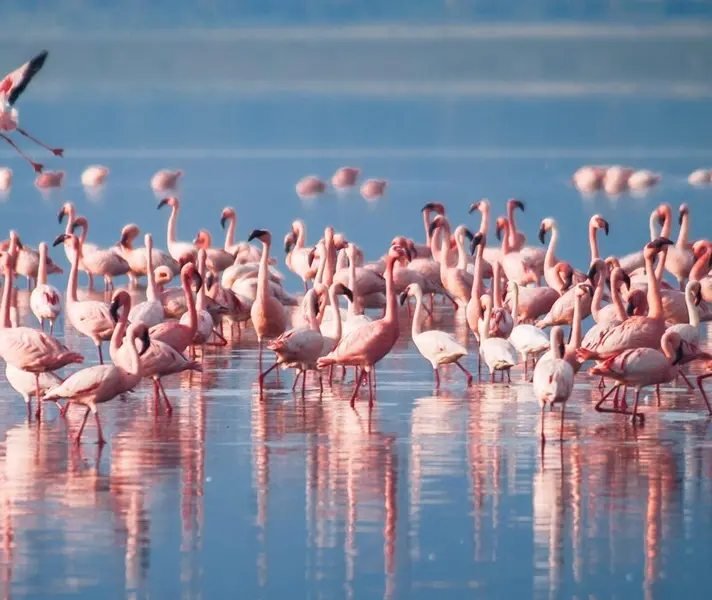
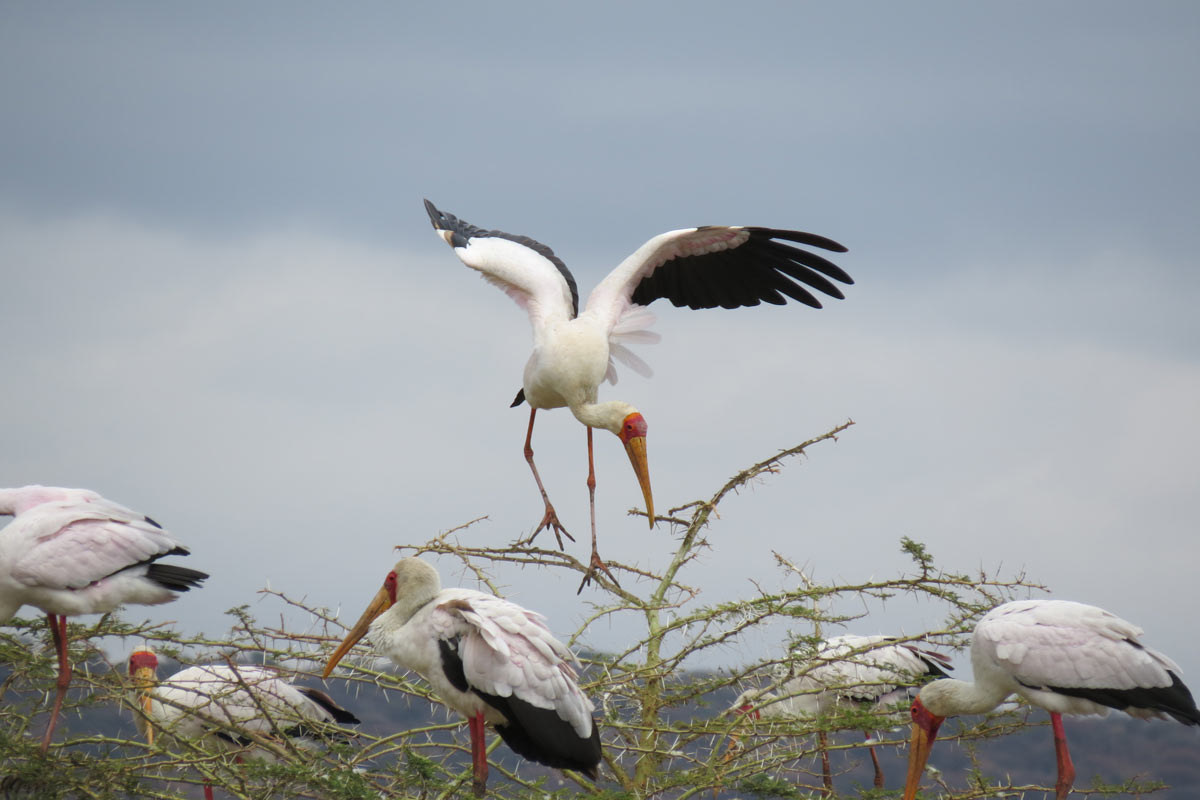
A birder's dream — the alkaline lake hosts thousands of lesser and greater flamingos creating a pink shoreline. Over 400 species recorded including pelicans, storks, kingfishers, and the striking silvery-cheeked hornbill. The groundwater forest adds another rich habitat layer.
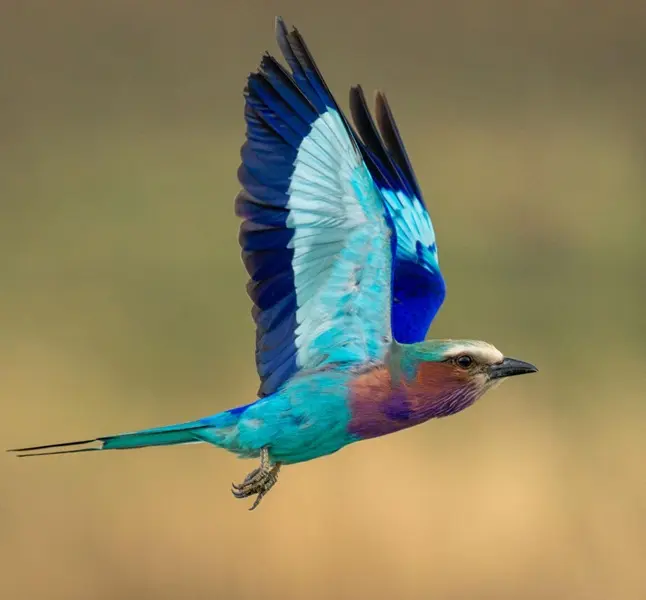
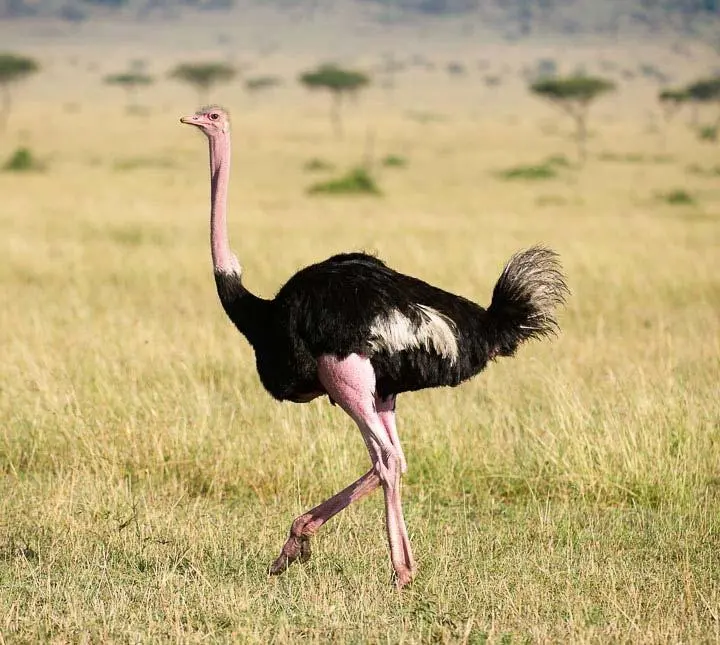
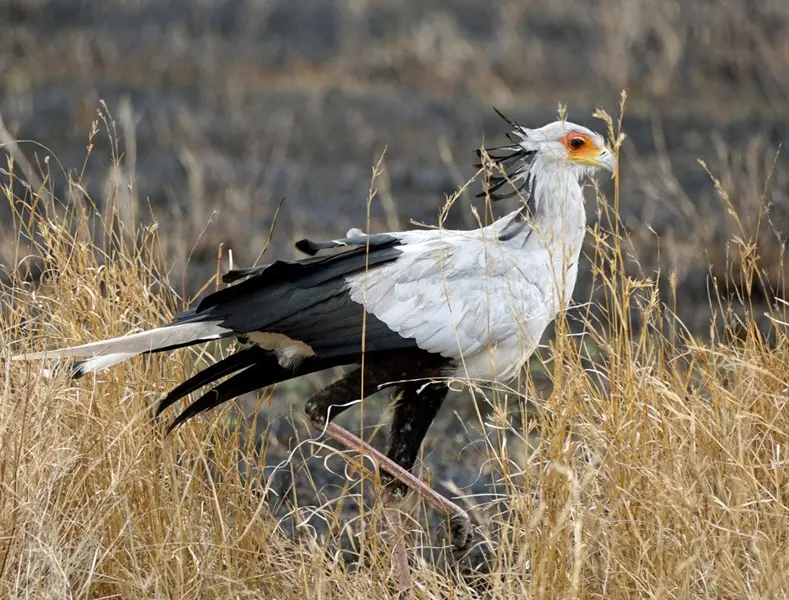
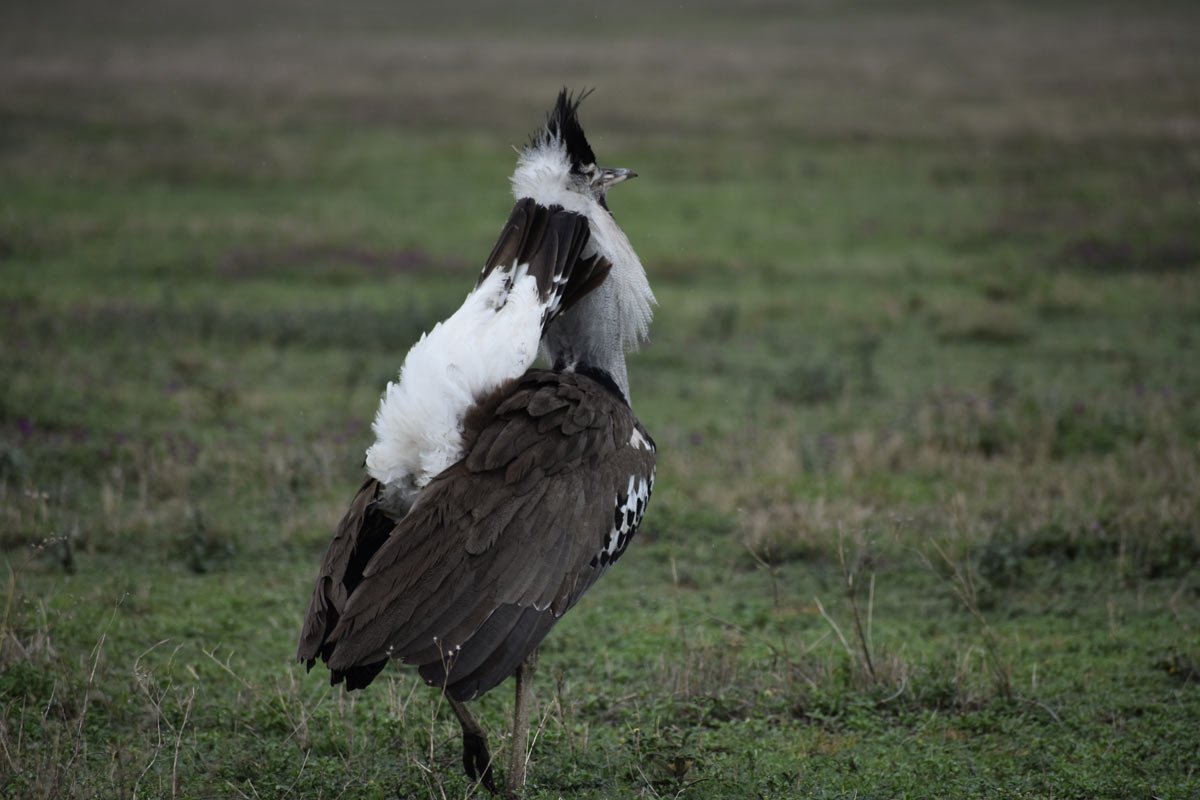
The Serengeti ecosystem boasts over 500 bird species. Open plains yield ostriches, secretary birds, and kori bustards. Woodlands hide turacos, barbets, and the exquisite lilac-breasted roller — Kenya's national bird but found abundantly here too. Kopjes attract raptors and cliff-nesting species.
The crater floor and surrounding highlands provide diverse habitats from soda lakes to montane forest. Spot Egyptian geese, crowned cranes, and the endangered grey crowned crane. The Lerai Forest hosts the beautiful Schalow's turaco, while the crater rim offers breathtaking bird's-eye views.
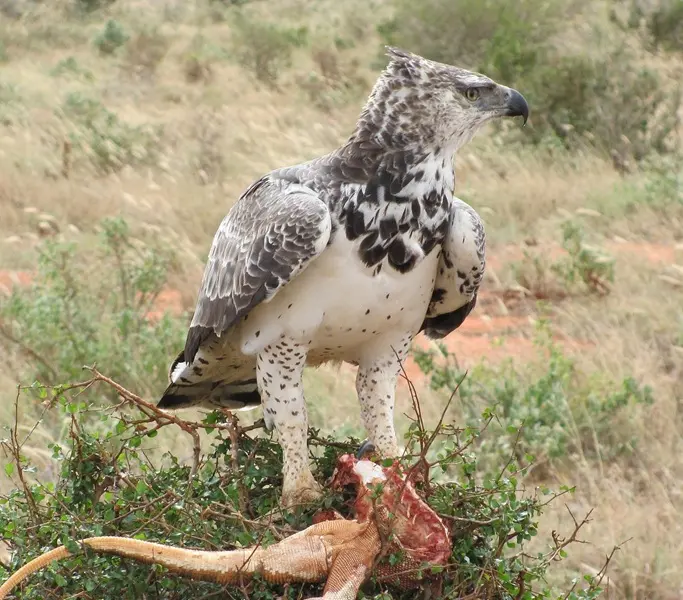
During the dry season, Tarangire becomes a birding magnet with over 550 species. The Tarangire River attracts waterbirds, while baobab-studded savannahs host hornbills, hoopoes, and the striking yellow-collared lovebird. Watch for the magnificent martial eagle and bateleur overhead.
Tanzania is home to over 1,100 bird species. Here are some of the most iconic and sought-after birds you can expect to see on our bird watching safaris.
Thousands of greater and lesser flamingos paint the soda lakes of Tanzania in stunning shades of pink. Best viewed at Lake Manyara and Lake Natron, these elegant waders are a photographer's dream.
With its iconic call that epitomises the African wilderness, the African fish eagle is a powerful raptor found near lakes and rivers. Watch them swoop to catch fish with remarkable precision.
Arguably Africa's most colourful bird, the lilac-breasted roller displays an astonishing palette of lilac, turquoise, green, and rust. A favourite perch-hunter on the Serengeti plains.
The world's largest bird, standing up to 2.7 metres tall. Ostriches are a common sight on the open plains of the Serengeti and Ngorongoro, often seen in small family groups.
This distinctive raptor on long legs stalks the grasslands hunting snakes and insects. Its elegant crest of quills and striking grey-and-black plumage make it unmistakable on the savannah.
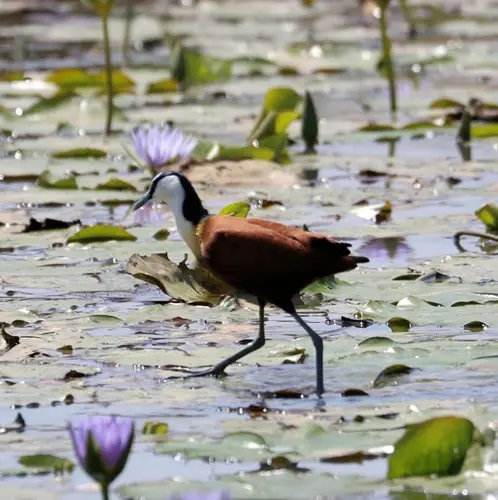
Known as the "Jesus bird" for its ability to walk on floating vegetation, the African jacana uses its incredibly long toes to distribute weight across lily pads in Tanzania's wetlands and lakes.
A typical day on a Januz Safaris bird watching tour is designed to maximise sightings during peak bird activity while ensuring your comfort and enjoyment throughout.
Your ornithologist guide collects you from your lodge. Travel in the crisp morning air to the day's first birding hotspot. Early morning is prime time for bird song and the most active feeding period.
Arrive at the site as the sun rises. This is the best time for photography and observing species as they emerge to feed. Your guide uses expert calls and knowledge to locate target species.
Pause for a hot bush breakfast prepared by your crew — fresh coffee, fruits, and hot dishes served in the wild. Review your morning sightings and plan the next leg of the day with your guide.
Continue birding through diverse habitats — woodlands, wetlands, or rocky kopjes. Your guide focuses on habitat-specific species, from turacos in the canopy to sandpipers along shorelines.
Return to your lodge for a relaxing lunch and afternoon break. Review the morning's species list, download photos, and rest during the hottest part of the day when bird activity slows.
Head out again for late afternoon birding as temperatures cool. Evening brings a second peak of activity — great for raptors on the hunt and waterbirds returning to roost at lakes and pans.
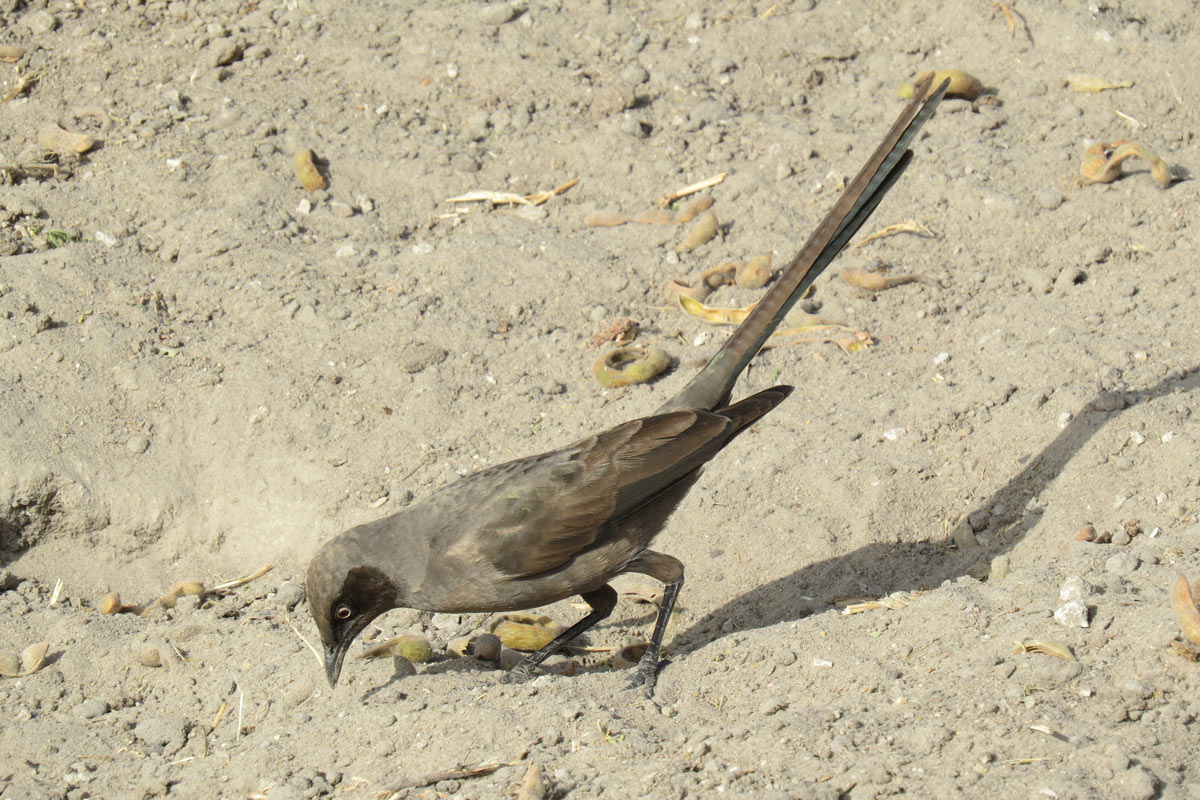
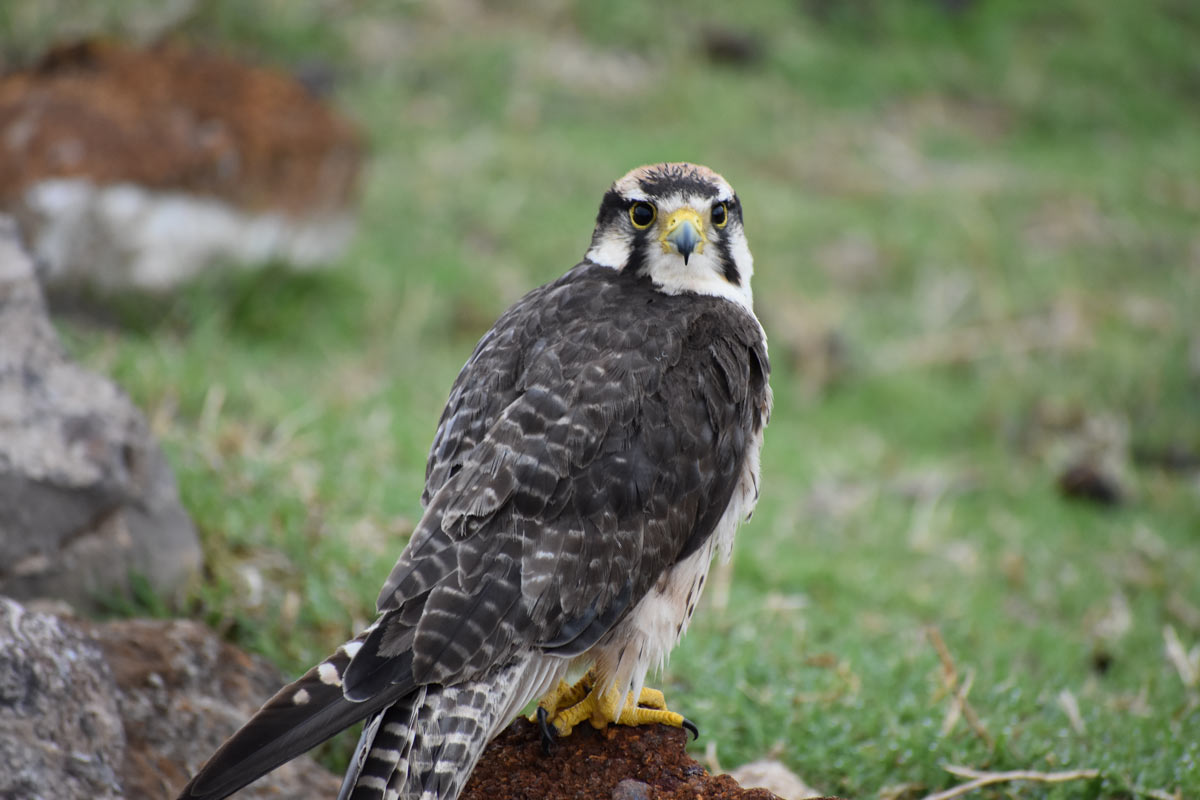
A glimpse into the extraordinary bird life of Tanzania. Each image captures the beauty and diversity of East Africa's avian wonders.
Interactive map showing our prime bird watching locations across Tanzania's premier national parks and conservation areas.
Interactive map showing our prime bird watching locations across Tanzania's premier national parks and conservation areas.
Tanzania offers excellent birding year-round, but the experience varies dramatically by season. Understanding the cycles helps plan your trip for maximum sightings.
Excellent birding as resident species concentrate around water sources. Migratory European birds (barn swallows, white storks, willow warblers) arrive from August. Clear skies and comfortable temperatures make for outstanding safari conditions. Best for waterbird viewing at lakes and rivers.
The landscape transforms into lush green paradise. Palearctic migrants are present in full force. This is the peak birding season for species diversity. Resident birds are in breeding plumage — many species displaying courtship behaviours. Excellent for photography with vibrant backdrops.
Spectacular for dedicated birders despite rain. Abundant insects attract a wealth of insectivorous birds. Fewer tourists mean exclusive experiences. Many endemic species are active. Waterbirds thrive in full wetlands. Shorter days of rain between sunny periods still offer fine birding windows.
Our top recommended windows. December–February offers migrants plus resident breeding activity. August–October provides dry-season concentrations at water sources with European migrants arriving. Both periods deliver exceptional bird diversity and outstanding viewing conditions.
Your safety and the wellbeing of Tanzania's birds and habitats are our highest priorities. We adhere to strict guidelines for responsible bird watching.
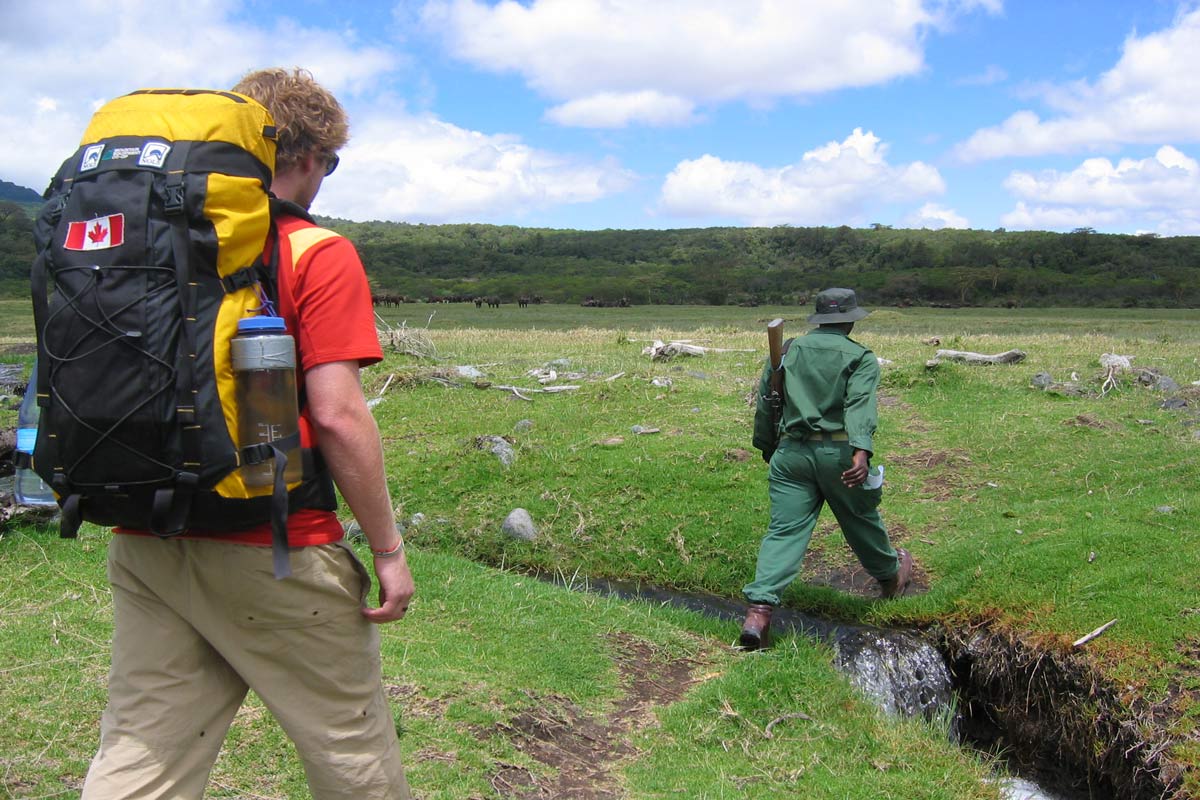
All our birding guides are professionally trained, certified by Tanzania's tourism authorities, and carry extensive first aid training and wilderness safety certification.
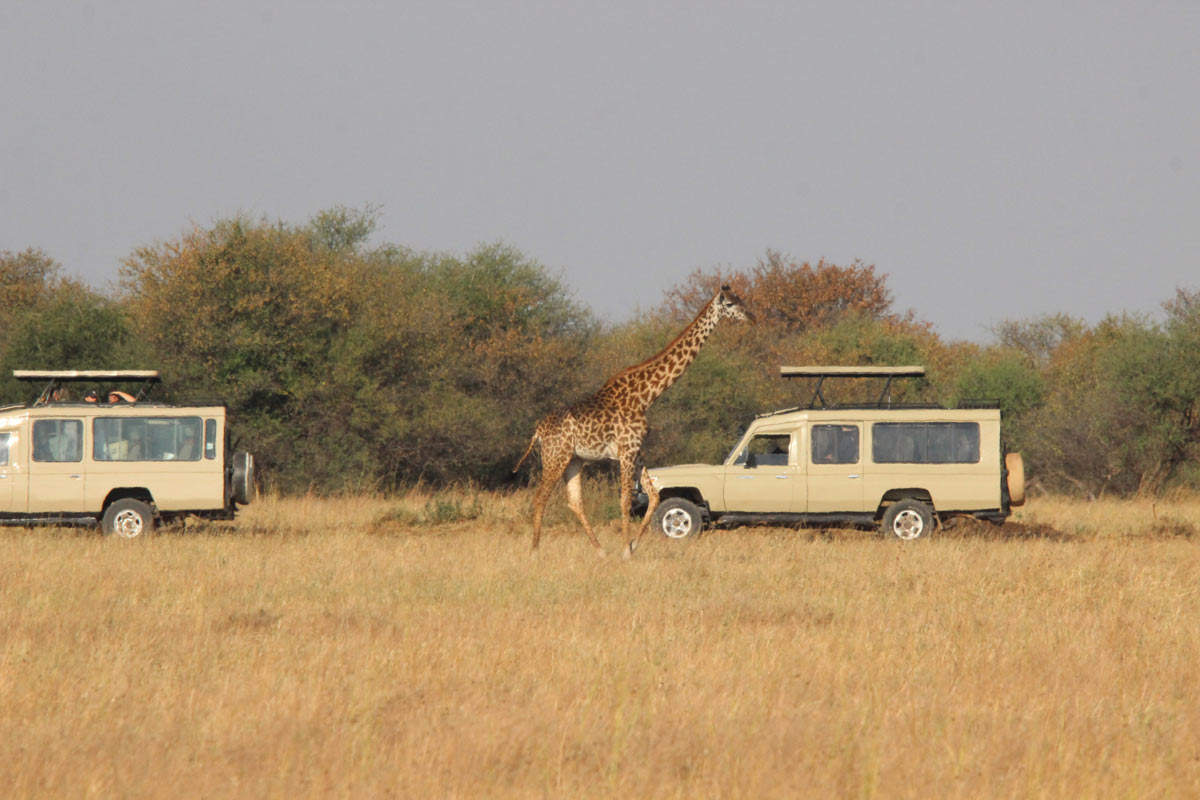
Our safari vehicles are brand new, serviced after every tour, equipped with satellite phones, medical kits, and stocked drinking water for all guests.
Our operations centre in Arusha is staffed 24/7. Every tour is tracked in real-time and we maintain direct communication with guides and lodges at all times.
We follow strict ethical guidelines: no playback of calls to stress birds, maintaining respectful distances, staying on designated paths, and never disturbing nesting sites.
Guides carry comprehensive medical kits. We collect medical information before tours and coordinate with local clinics and evacuation services in each region.
Comprehensive travel insurance is included with all our birding packages, covering medical evacuation, trip cancellation, and personal belongings.
Make the most of your Tanzania birding safari with insider tips from our expert ornithologist guides and seasoned bird photographers.
The first two hours after dawn and the last hour before dusk are when birds are most active. Plan your energy accordingly — early starts are rewarded with the best sightings and light for photography.
Bring quality binoculars (8x42 or 10x42 recommended), a field guide (Birds of East Africa by Stevenson & Fanshawe is the best), and a notebook. A scope is useful for wetland and open-plain birding.
Wear neutral, muted colours — olive, khaki, beige. Avoid bright colours that startle birds. Long sleeves and trousers protect from sun and insects. A wide-brimmed hat and sturdy walking shoes are essential.
Download bird call apps before your trip (BirdNET or Merlin). Many species are heard more often than seen. Your guide will help, but familiarising yourself with common calls enhances the experience.
A DSLR or mirrorless with a 400mm+ lens is ideal. Use a fast shutter speed (1/1000+) for birds in flight. A bean bag for the vehicle window is invaluable. Shoot in golden hour for best light and detail.
Birds respond to movement and noise. Stay still, speak in whispers, and let the birds come to you. Your guide will position the vehicle for optimal viewing. Patience is the bird watcher's greatest virtue.
Tanzania offers superb birding year-round, but the peak season for species diversity is November to March when Palearctic migrants join resident species. The dry season (June to October) offers excellent waterbird concentrations around lakes and rivers. Each season has unique highlights, and we tailor itineraries accordingly.
Depending on the duration of your safari and the parks visited, typical sightings range from 150–300 species on a 6-day safari to 350–500+ species on a 12-day grand tour. Tanzania has over 1,100 recorded species, and our expert guides know precisely where and when to find target birds.
Not at all. Our safaris cater to all levels from absolute beginners to seasoned listers. Our guides are skilled at tailoring the experience to your interests and knowledge level. Beginners receive patient instruction on identification, use of binoculars, and birding etiquette.
Essential items: quality binoculars (8x42 or 10x42 recommended), a field guide to East African birds, notebook and pen, camera with a telephoto lens (300mm+), neutral-coloured clothing, wide-brimmed hat, sunscreen, insect repellent, and sturdy walking shoes. We provide high-quality spotting scopes on all tours.
Absolutely. Tanzania's national parks offer spectacular mammal viewing alongside world-class birding. You'll see the Big Five, giraffes, zebras, wildebeest, and more while pursuing your avian targets. Our itineraries are designed to deliver the complete African safari experience.
We cap birding groups at a maximum of 6 guests per guide to ensure personalised attention, minimal disturbance to birds, and optimal viewing opportunities. Private safaris with a dedicated guide and vehicle are also available for those seeking a completely exclusive experience.
Yes, we offer dedicated photography birding safaris timed around golden hour light, with access to hides at key waterholes, guides who understand photographic needs, and itineraries that prioritise the best light conditions. These tours include additional photographic support and post-processing guidance.
We use carefully selected lodges and tented camps that combine comfort with proximity to prime birding habitats. Accommodation ranges from comfortable mid-range lodges to luxury safari camps, all with en-suite facilities, excellent cuisine, and knowledgeable local staff who enhance the birding experience.
Book your Tanzania bird watching safari today and experience over 1,100 species across East Africa's most spectacular landscapes. Our expert team is ready to craft your perfect birding itinerary.