
Southern Serengeti
Ndutu Calving
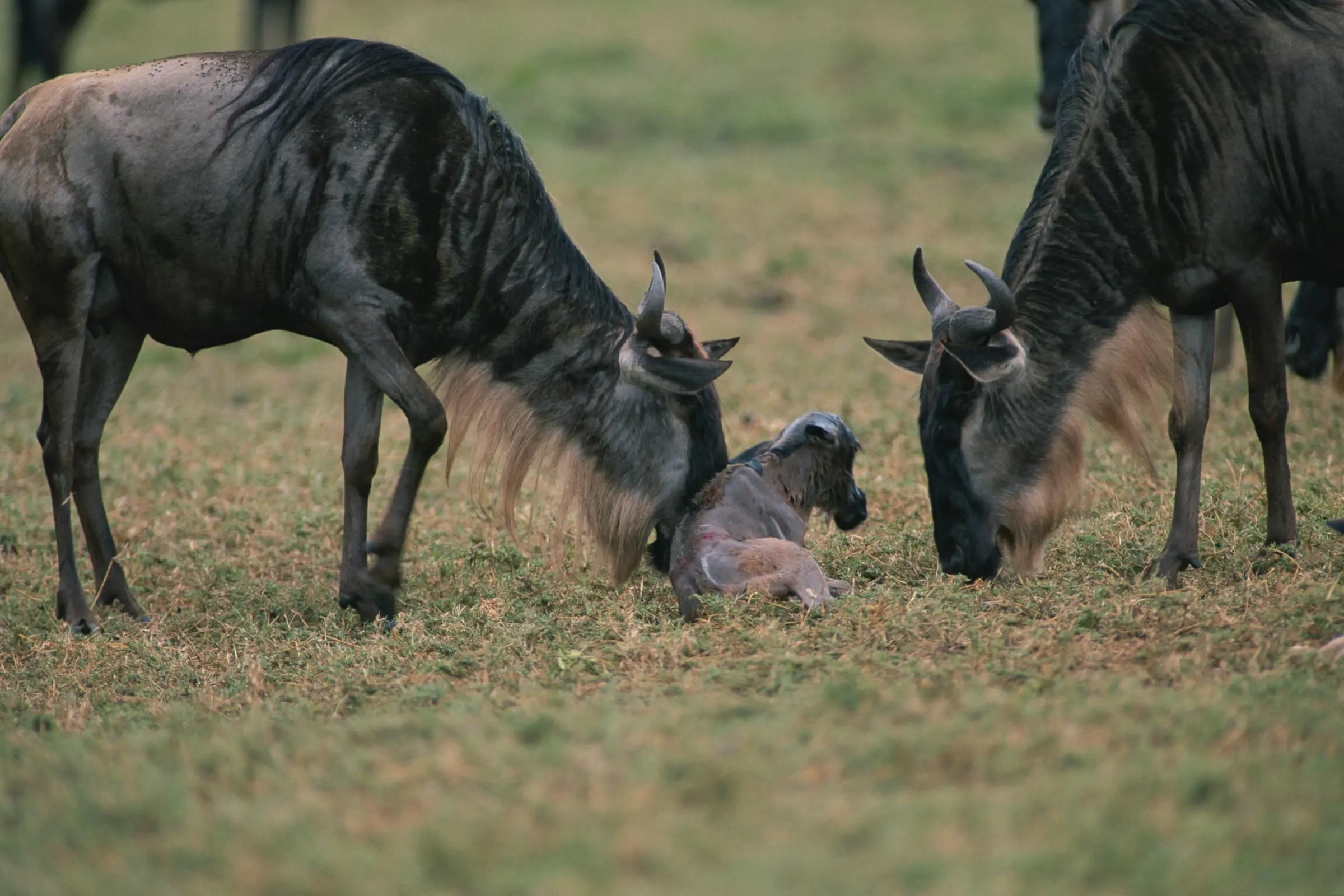
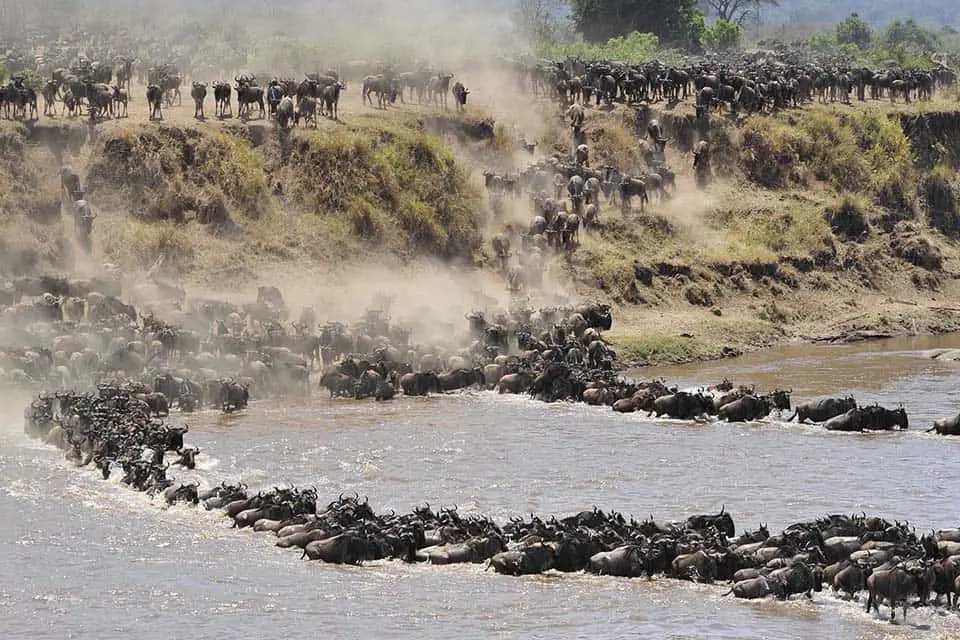
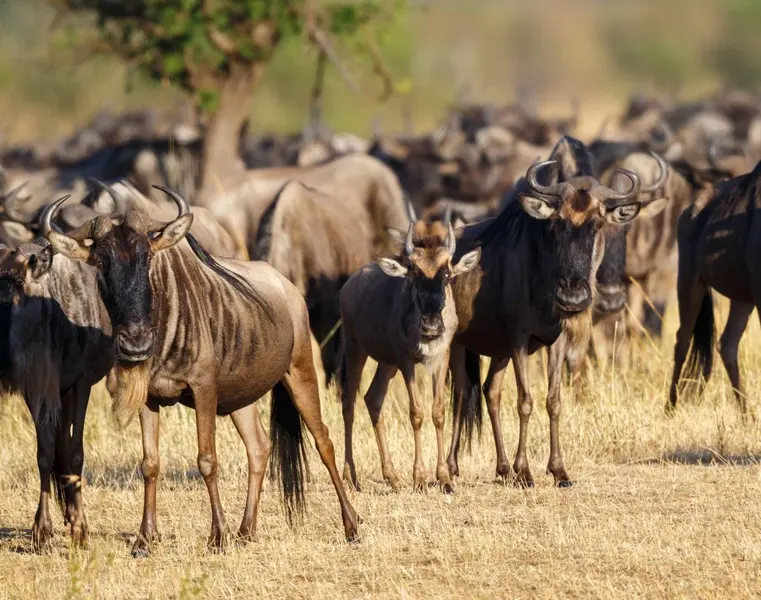
Short-grass plains around Lake Ndutu — the Great Migration’s nursery. From December to March, thousands of wildebeest calves are born daily and predators gather in extraordinary numbers.
Southern Serengeti’s Ndutu region sits on the border of the national park and the Ngorongoro Conservation Area. In the short rains, nutrient-rich short grass draws the herds south to give birth.
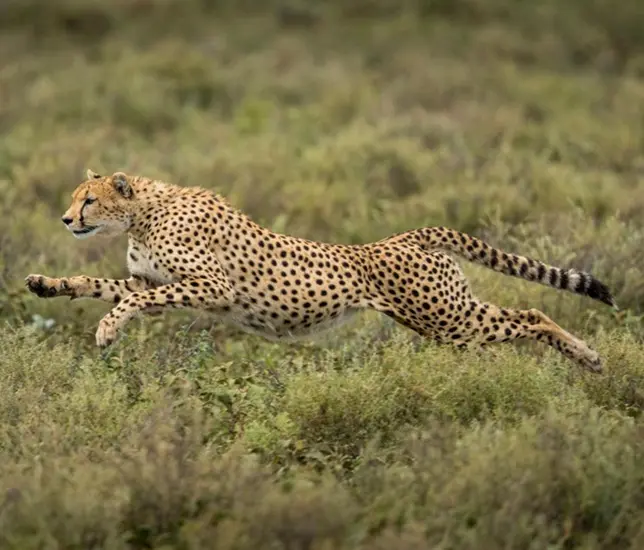
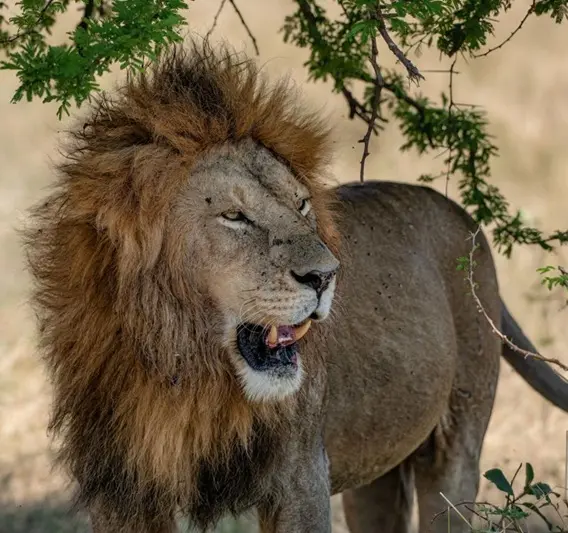
January and February are peak calving weeks: predators — lions, cheetahs, hyenas, jackals, and occasionally wild dogs — capitalize on vulnerable newborns. The drama is intimate and constant compared with a single river crossing moment.
Ndutu also offers a different safari feel: big sky, open plains, and in some camps the chance of walking safaris in NCA areas. It is the smart seasonal alternative when travellers want migration energy without July–September crowds up north.
The reason the plains here are so fertile traces back to volcanic ash deposits from the Ngorongoro highlands, which give the soil unusually high calcium and phosphorus content — precisely the minerals a pregnant or nursing wildebeest needs. That single geological fact is why over a million wildebeest converge on this specific stretch of grassland every year rather than spreading evenly across the wider ecosystem.
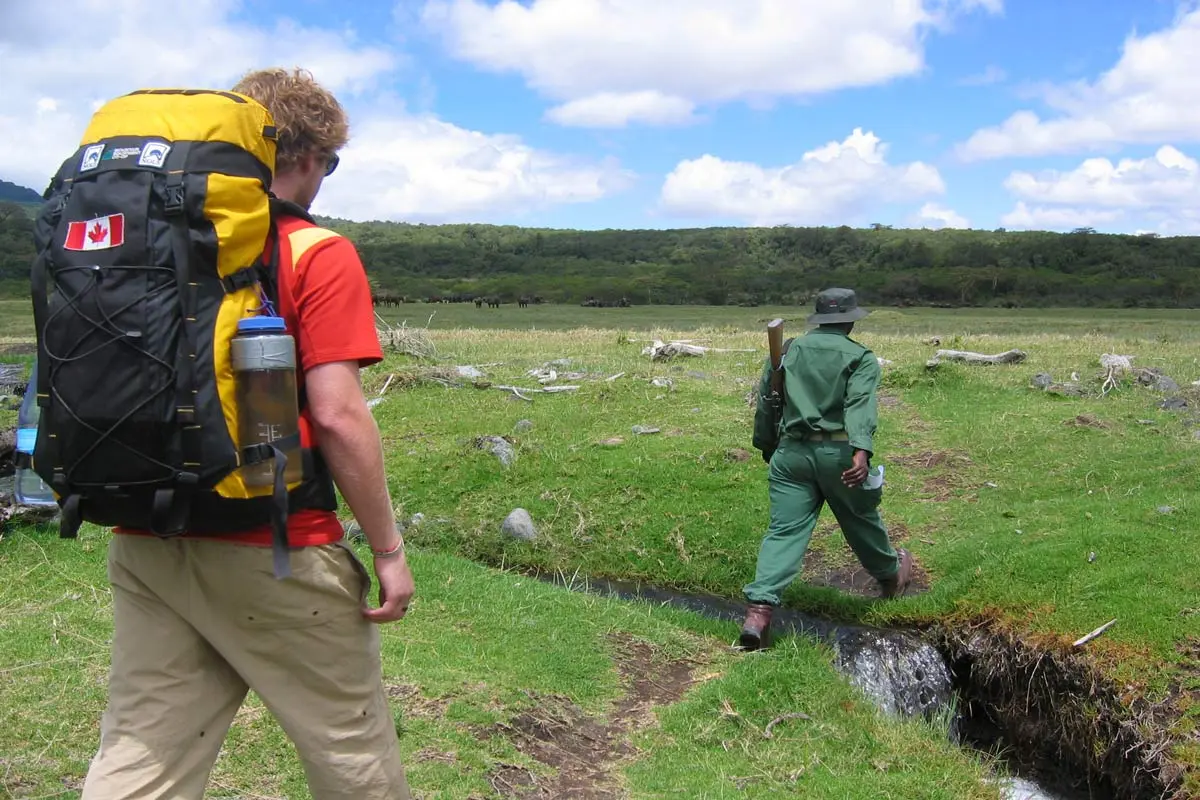
Because Ndutu sits in the Ngorongoro Conservation Area rather than the national park itself, rules here are slightly different — walking safaris and night drives are permitted at select camps, offering an experience simply not available anywhere else in the core Serengeti.
Best for: Calving season, cheetah lovers, green-season value, and combining with Ngorongoro Crater.
Calving spectacle
Up to thousands of births per day in peak weeks — a defining African wildlife event.
Predator density
Lions and cheetahs hunt in open terrain with outstanding visibility.
Walking safari options
Selected NCA camps offer ranger-escorted walks not possible inside the national park core.
Quieter than peak north
Busy in season, yet often calmer than Mara-crossing viewpoints in August.
Plan December through March, with January–February as the classic calving window. Exact herd positions shift with rainfall — flexible camp choices help.
Outside this window, Ndutu is less central to migration itineraries. Use Central Serengeti year-round or Northern Serengeti for Jul–Oct crossings instead.
- →Dec: Herds arriving; building predator interest.
- →Jan–Feb: Peak calving and predator action.
- →Mar: Still excellent; herds begin gradual northward push.
- →Pairing: Ndutu + Ngorongoro + Seronera is a superb green-season circuit.
- →Rain gear: short afternoon showers are common in this window — pack a light rain jacket even in the dry-looking early morning.
Very high (peak)
The defining Ndutu experience Dec–Mar, with up to 8,000 calves born per day at the height of the season, most within a tight two-to-three week window.
High
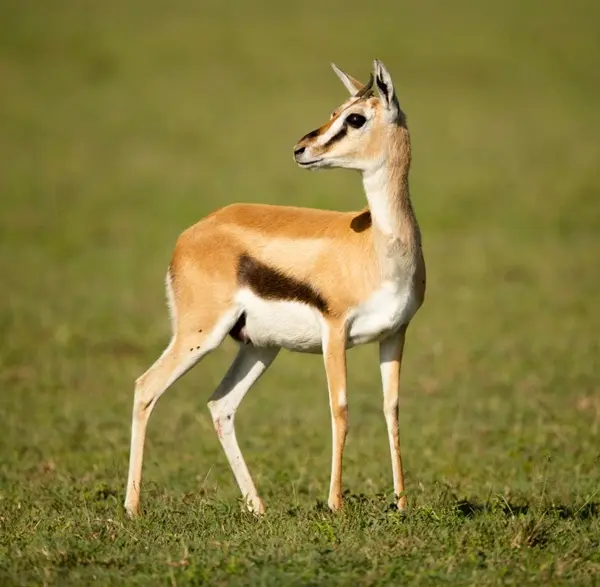
Open short grass is ideal cheetah habitat, giving them the sightlines needed to hunt at full speed.
Very high
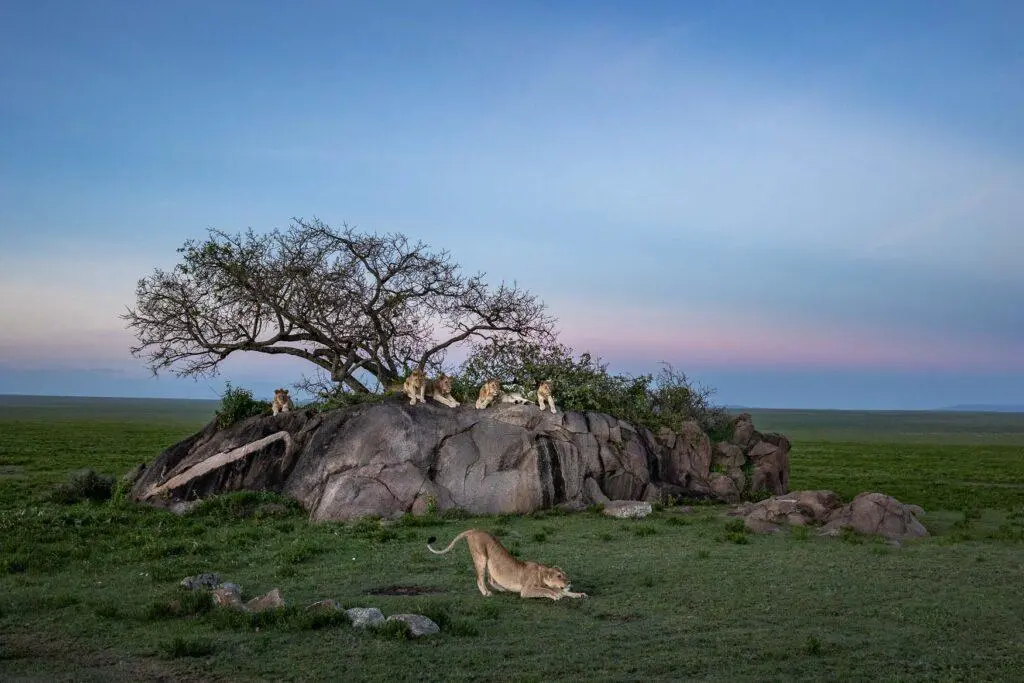
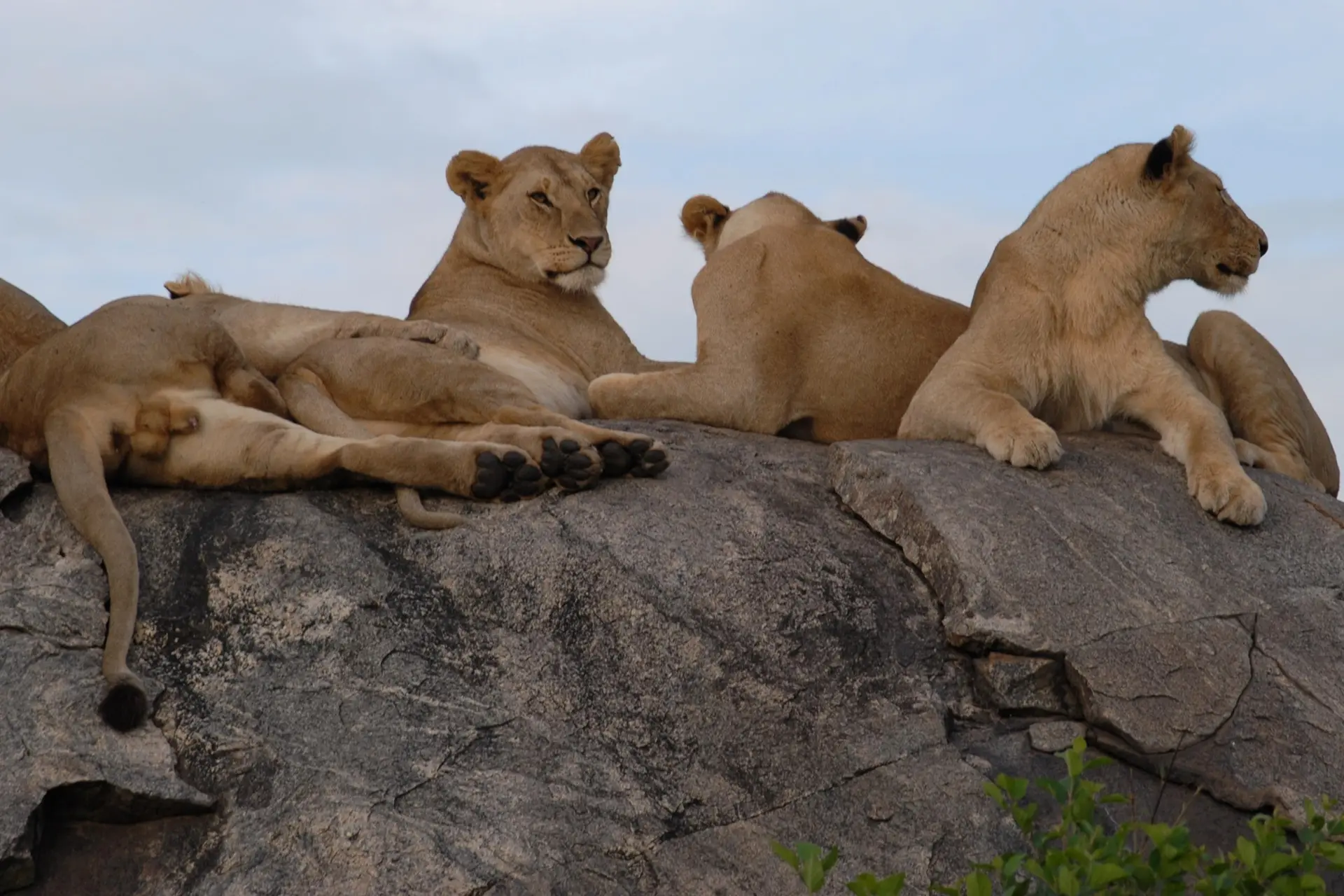
Prides follow the calving herds closely, taking advantage of an easy, abundant food source.
Very high
Highly active around birthing plains, often working in coordinated clans to isolate weaker calves.
Rare–possible
Best odds in denning season windows (Jan–Mar); never guaranteed given Tanzania's small overall population.
High
Smaller, opportunistic predators that thrive during calving season, often first on the scene at a birth.
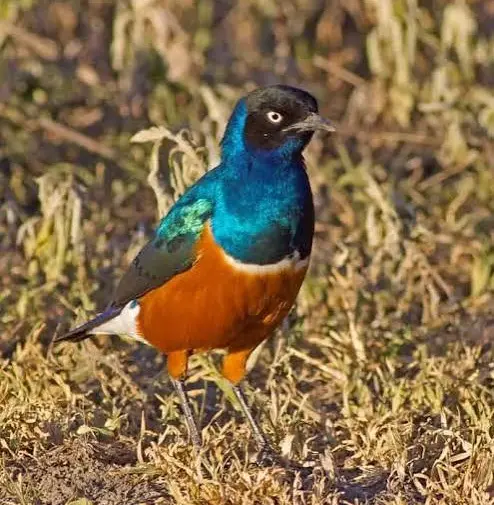
Seasonal
Lake Ndutu and surrounding alkaline waters attract large flocks after rains fill the basin.
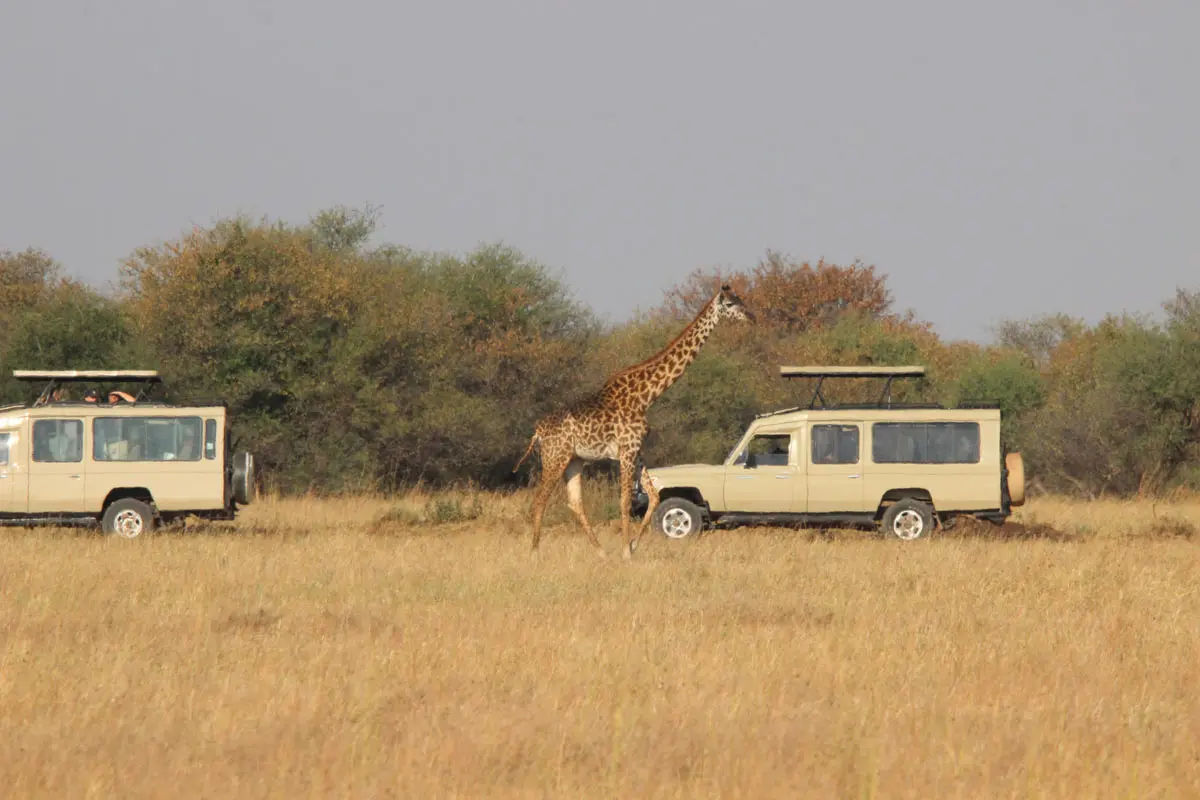
Calving-plain game drives
Long sightlines make predator–prey interactions easy to follow across open country.
- →Stay low and patient near active herds
- →Morning light is magical on short grass
Cheetah tracking
Guides scan termite mounds and ridges where cheetahs survey the plains.
- →Binoculars essential
- →Give space — cheetahs are sensitive to vehicle pressure
Walking safaris (NCA)
Where permitted, walks reveal tracks, insects, and the bush at a human pace — a genuinely different perspective from a vehicle-based drive.
- →Armed ranger required
- →Not a Big Five walking product — expect subtlety and learning
Newborn calf watching
At the height of calving season, it's genuinely possible to watch a calf take its first wobbly steps within minutes of birth — one of the more moving wildlife moments available anywhere in Africa.
- →Best in the early morning hours
- →Ask your guide to explain herd behaviour around a birth
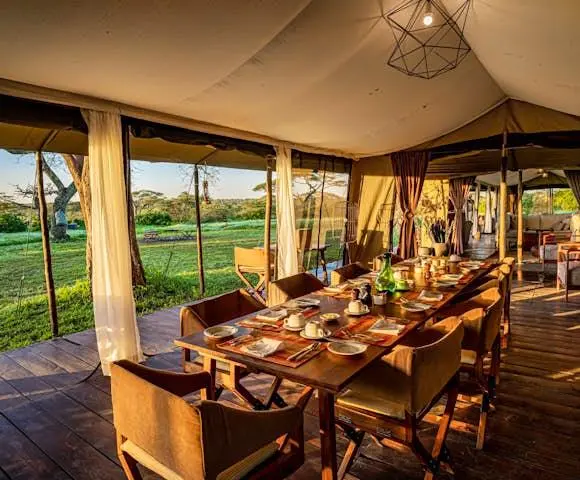
Ndutu tented camps
Seasonal camps positioned for calving plains access — book early for Jan–Feb.
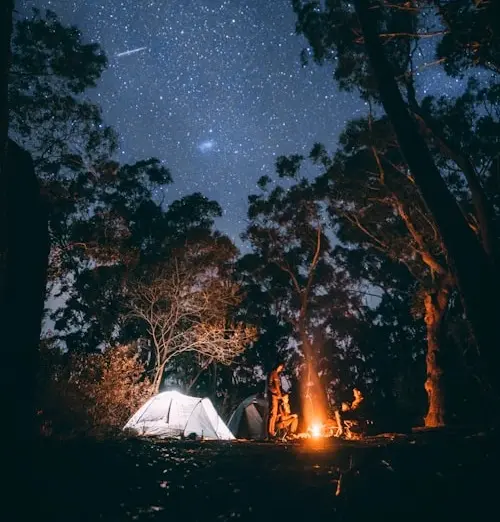
Mobile calving camps
Follows short-grass concentrations with flexible setups.
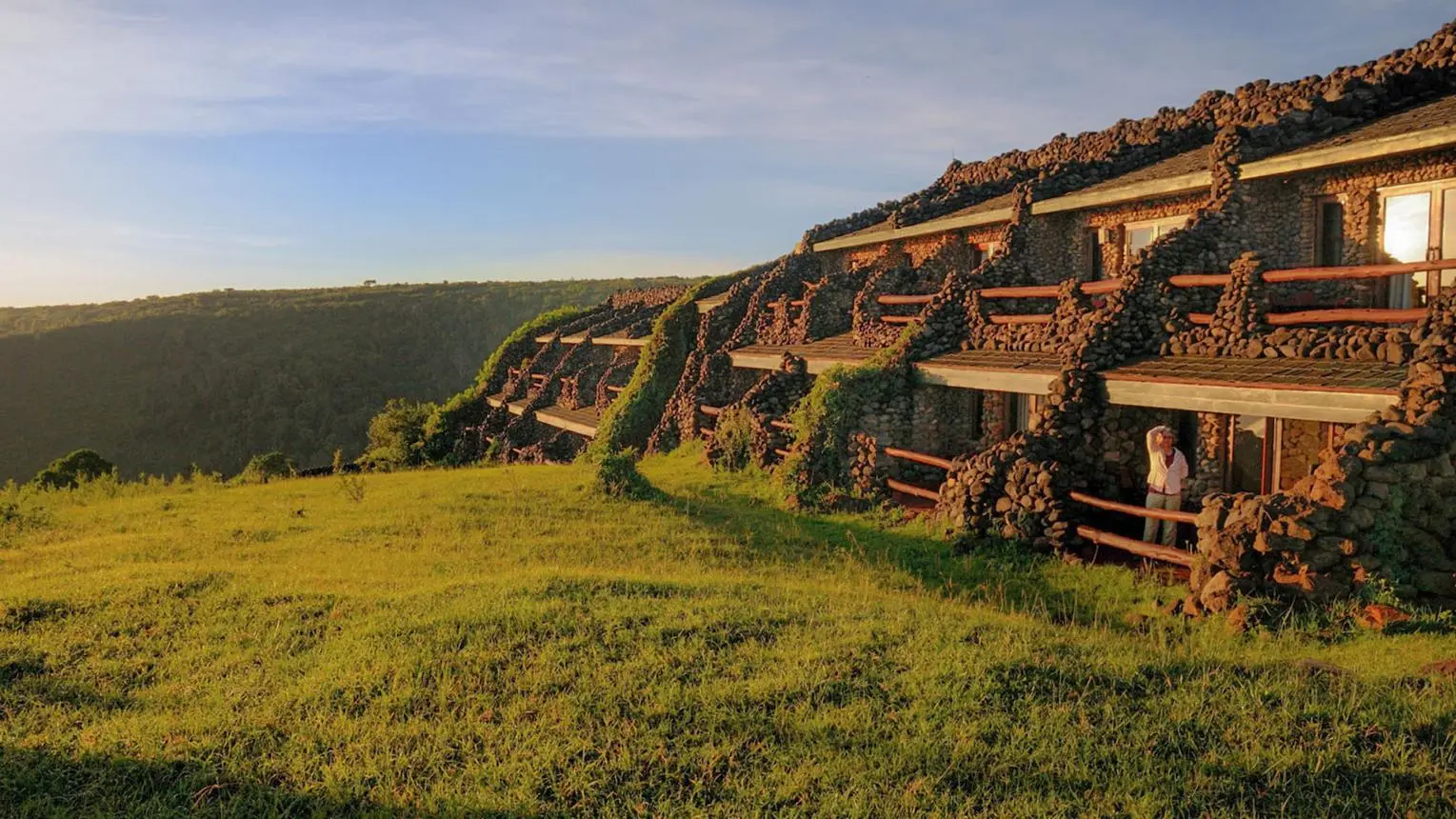
Ndutu + Crater rim
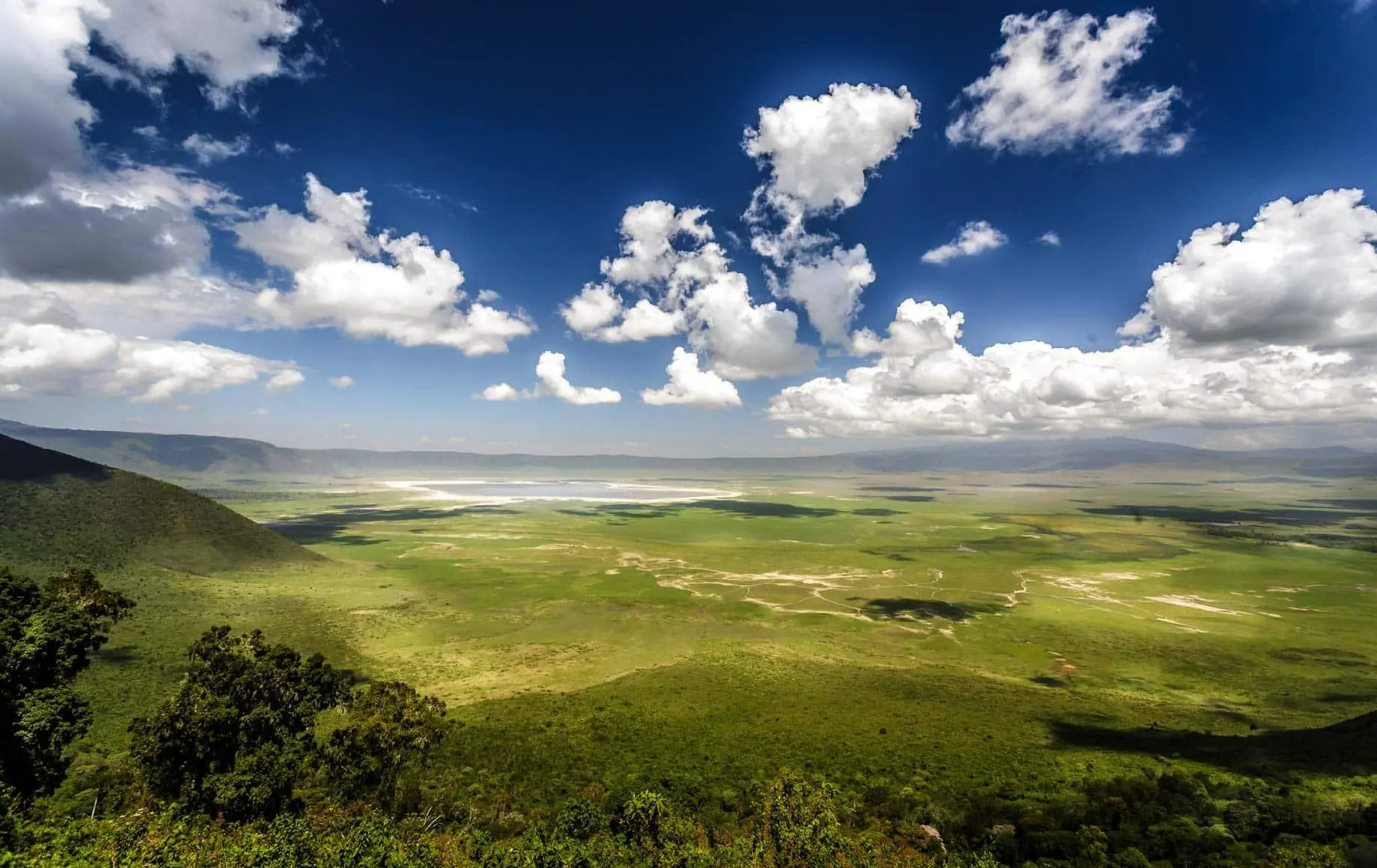
Pair Ndutu nights with Ngorongoro rim lodges for crater floor access.
Zone tip: Ndutu camps are seasonal. If you travel outside Dec–Mar, do not force Ndutu — choose Central or North instead.
Reach Ndutu by road via Ngorongoro or by light aircraft to Ndutu airstrip. Many green-season itineraries drive Arusha → Ngorongoro → Ndutu → Seronera.
Road conditions vary with rain. A good operator monitors access and may adjust routes day to day, sometimes rerouting entirely if a section becomes impassable after a heavy downpour.
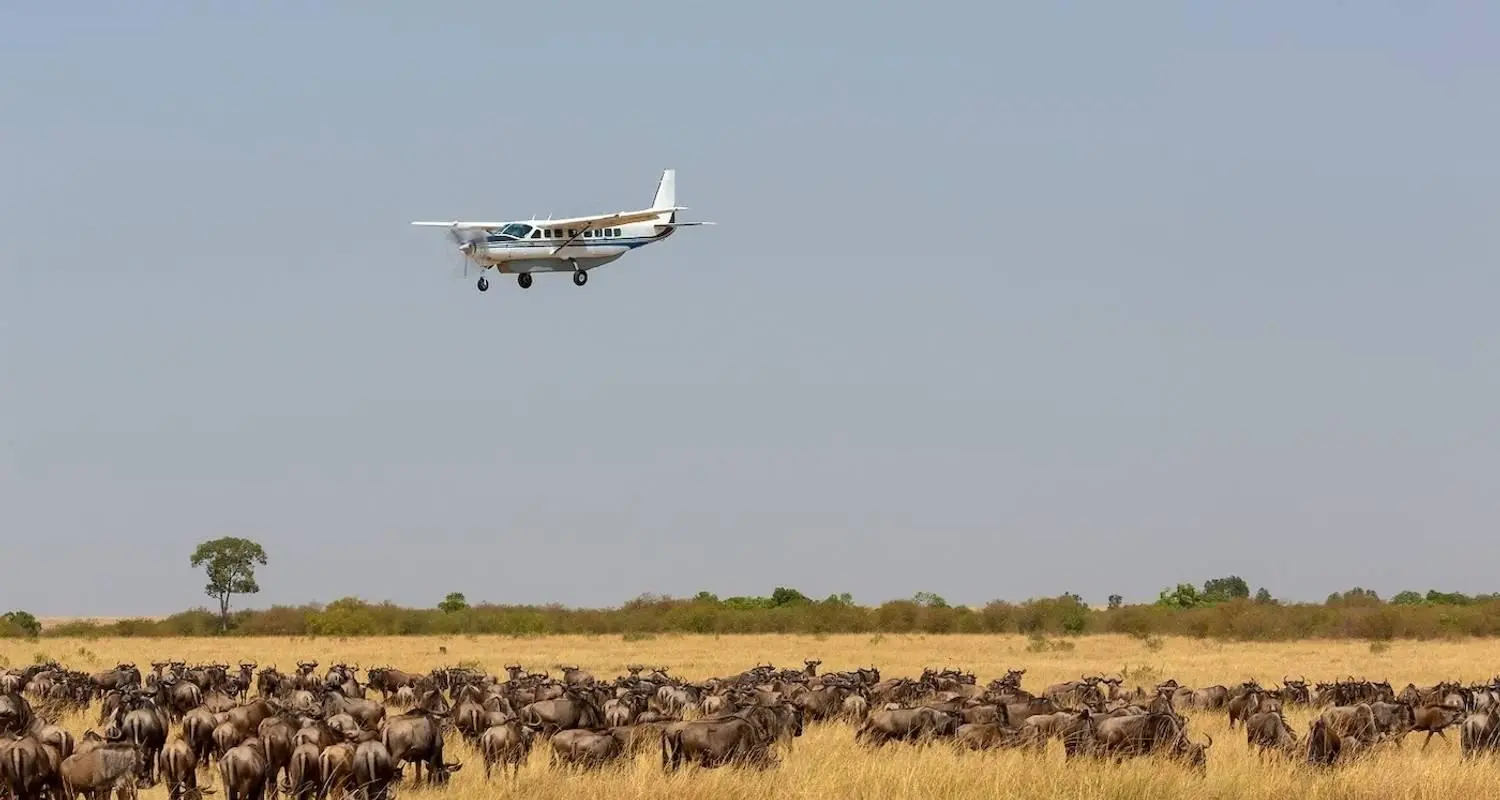
- Airstrip: Ndutu airstrip serves calving camps.
- Rain: Expect mud in peak green season — 4x4 is mandatory.
- Circuit: Natural pairing with Ngorongoro Crater.
2 nights
Possible if combining tightly with crater and Seronera.
3–4 nights
Best for calving action and predator follows.
5 nights
Ideal for photographers chasing multiple hunts and soft light.
Ready for Southern Serengeti (Ndutu)?
Share your dates and priorities — migration, Big Five, photography, or camp style — and we’ll design a zone-matched Serengeti safari.