Great Migration
Safari
Follow roughly 1.5–2 million wildebeest and hundreds of thousands of zebra through the Serengeti — calving on the southern plains, Grumeti crossings, and Mara River drama — with zone-matched camps and realistic timing.
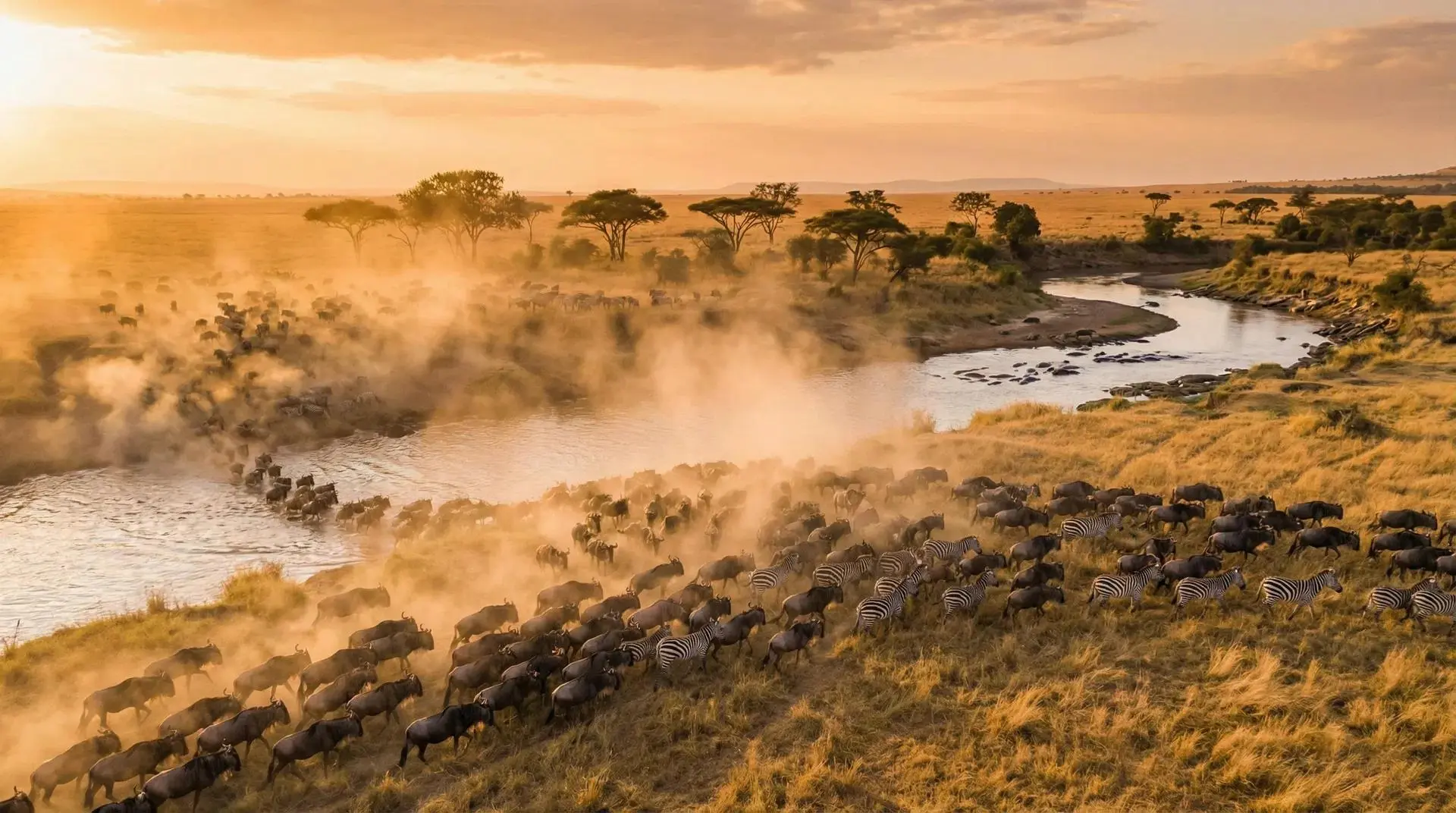
The Great Migration is not a single event in one place, and it does not run on a fixed calendar. It is a continuous, clockwise circuit of roughly 1.5–2 million wildebeest, joined by 300,000–500,000 zebra and Thomson's gazelle, moving through the 30,000 km² Serengeti–Mara ecosystem in search of fresh grass and water. There is no start or finish line — only a rhythm of calving, moving, crossing, and returning that repeats every year.
The herds are driven by rainfall, not habit. Short-grass plains in the south green up first after the November rains because volcanic ash from the Ngorongoro highlands makes the soil unusually rich in calcium and phosphorus — exactly what a wildebeest cow needs to nurse a calf. That single fact explains why almost the entire population converges on the Ndutu and southern Serengeti plains every January, rather than spreading out evenly across the ecosystem.
As the southern grass is grazed down and the rains taper off around April, the herds begin a slow push north and west, following greener pasture toward the Western Corridor. This is where the first river obstacle appears — the Grumeti — and where the migration's first serious crocodile encounters happen, usually with far fewer vehicles watching than the famous Mara crossings later in the year. From July onward the bulk of the herd funnels into northern Serengeti and across the Mara River into Kenya's Masai Mara, then back again, sometimes multiple times in a single season as grass and water conditions shift on either bank. By November the rains return to the south and the cycle reverses, with columns of wildebeest streaming back across the Serengeti's eastern and central plains toward Ndutu in time for the next calving season.
Honest truth: No operator can promise a crossing on a specific day. Herds can wait at a riverbank for hours, cross somewhere else entirely, or not cross at all that day. Building in enough nights near the river — not a single drive-by visit — is what actually improves your odds.
Calving season (Ndutu)
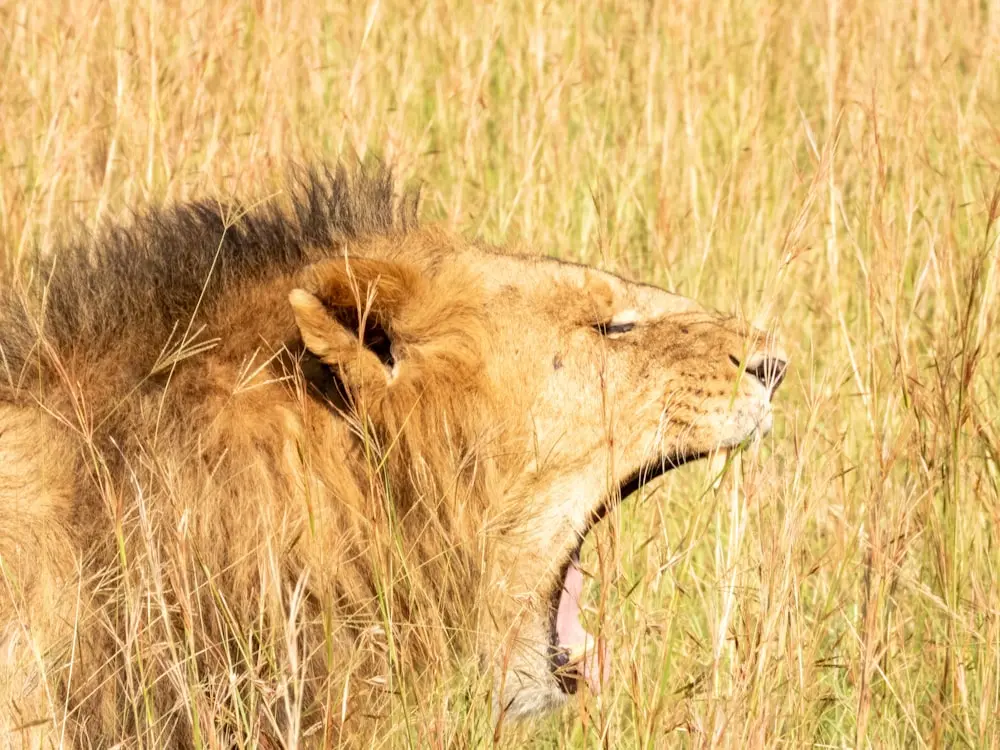
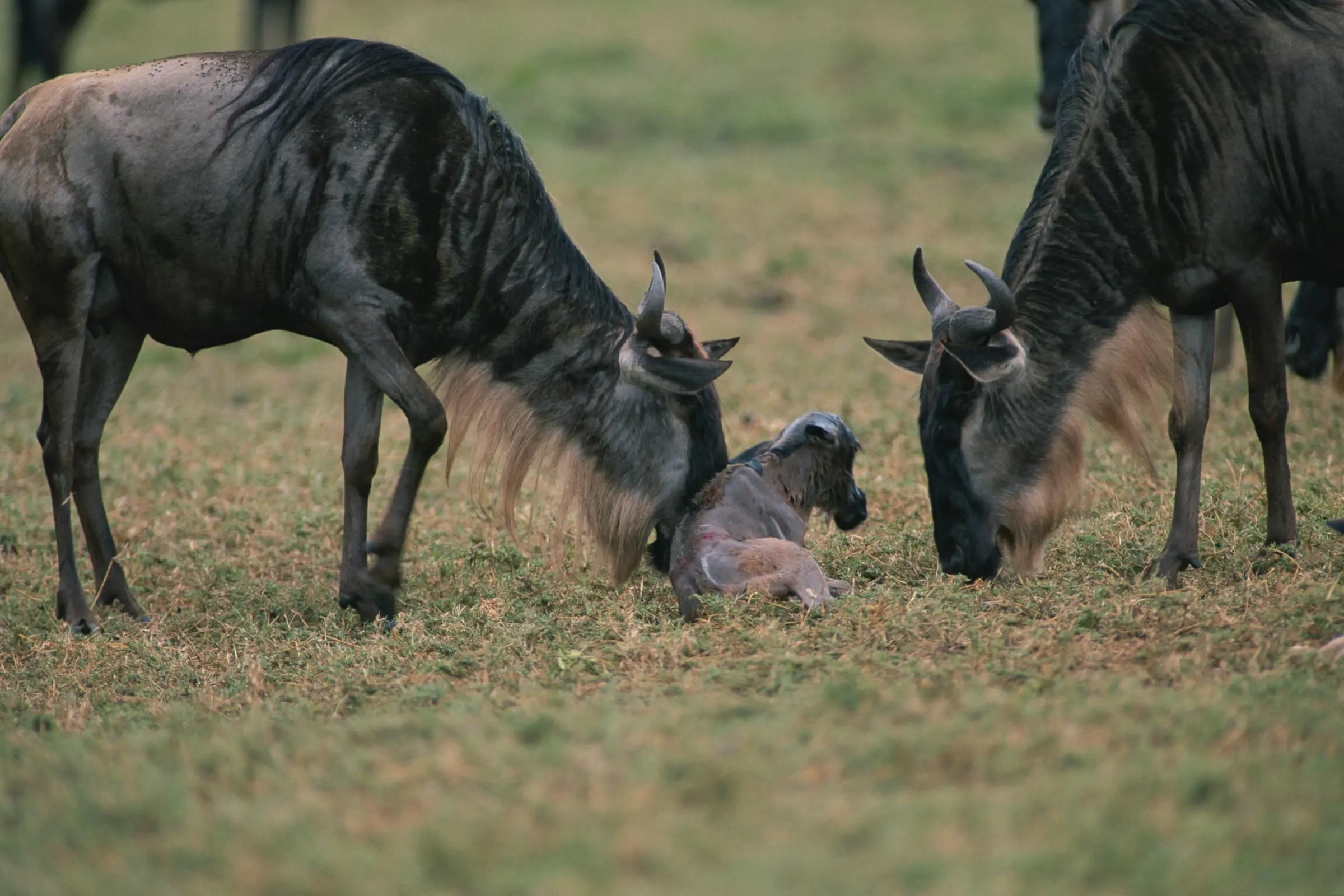
Late January–March on the short-grass plains south of the Serengeti. Around 8,000 calves are born per day at the peak, drawing lion, cheetah, and hyena into open, easy-to-watch terrain — arguably the best predator action of the entire year.
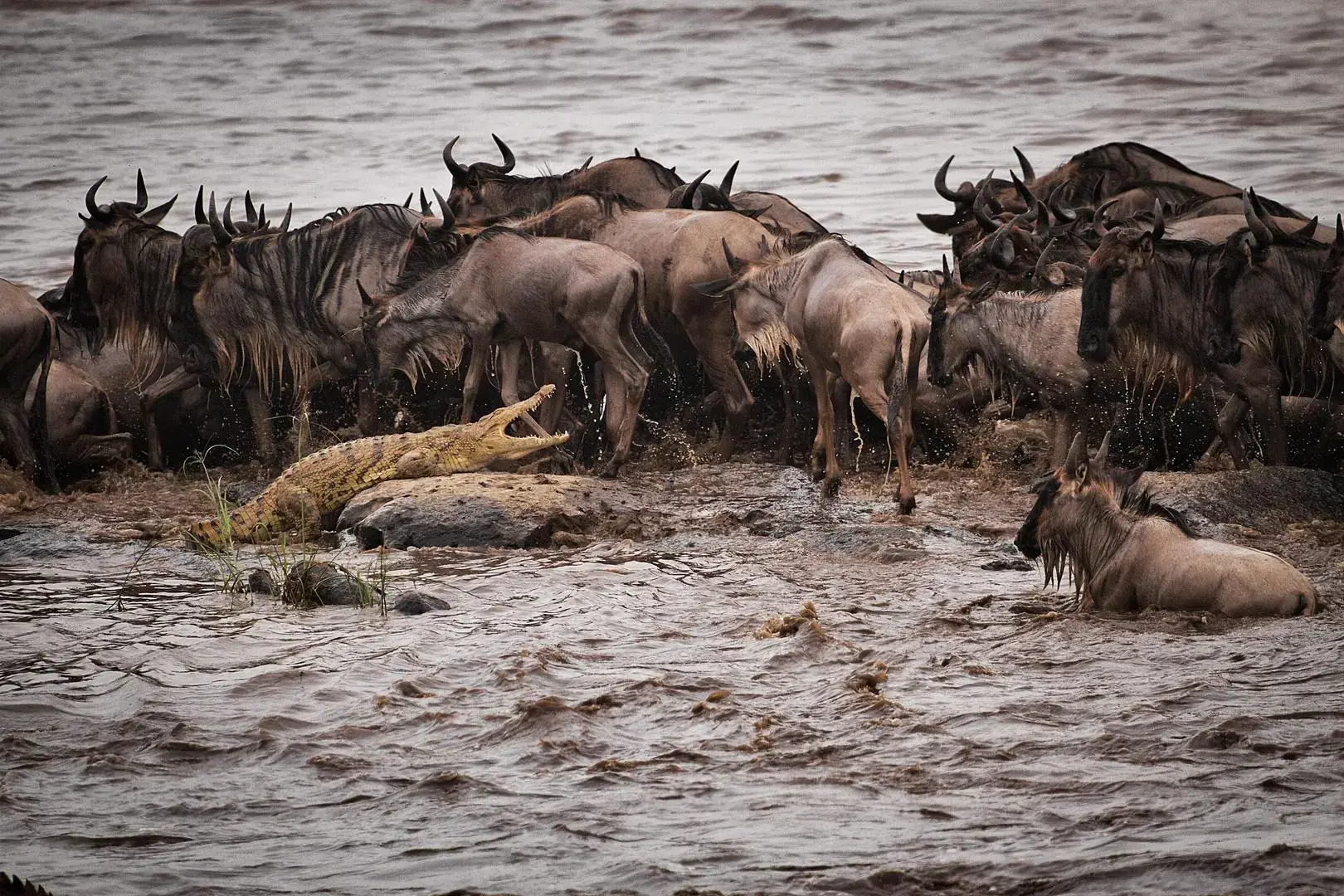
Grumeti River crossings
May–July in the Western Corridor. Smaller and less crowded than the Mara, but the crocodiles here are some of the largest in the ecosystem, and the herds are often easier to reach without a long convoy of vehicles.
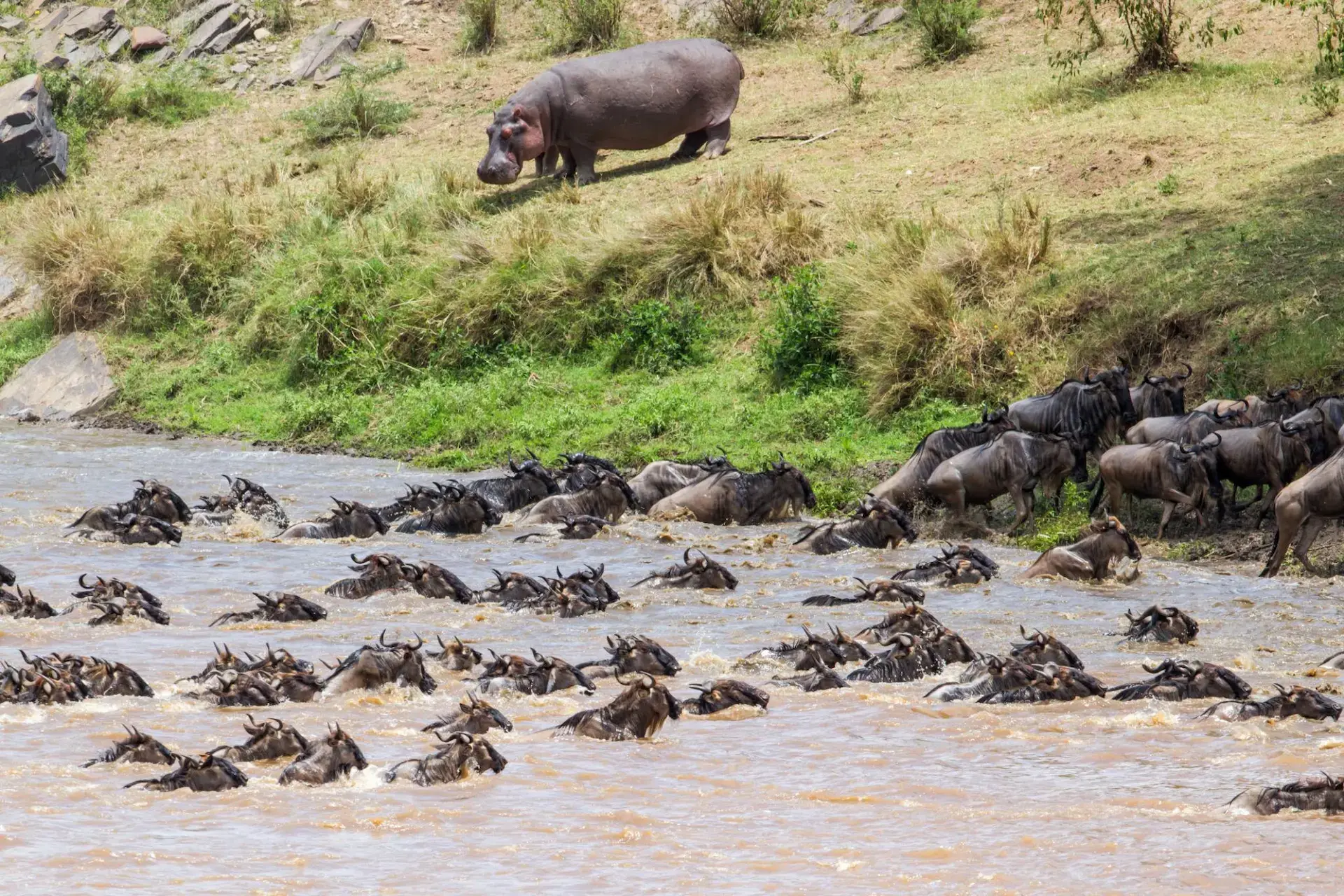
Mara River crossings
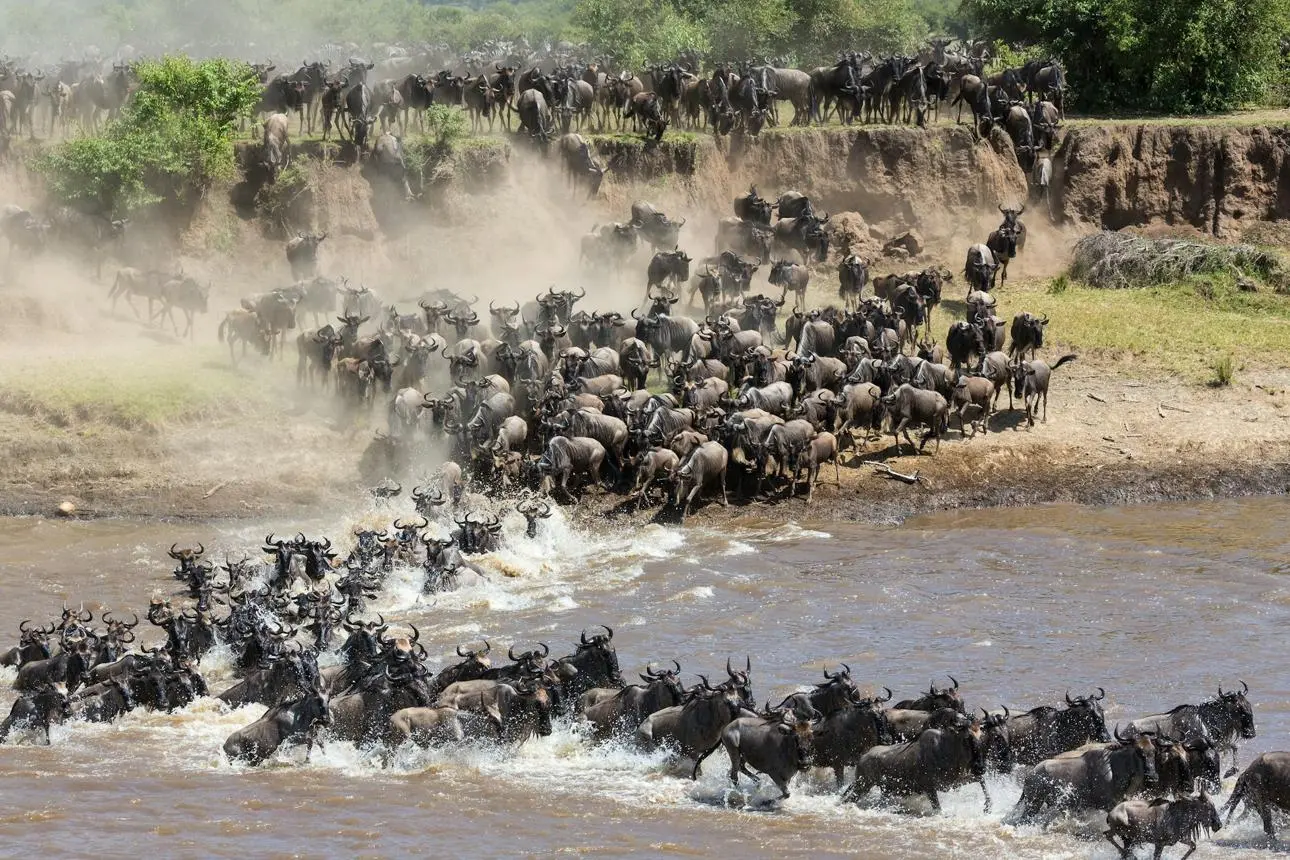
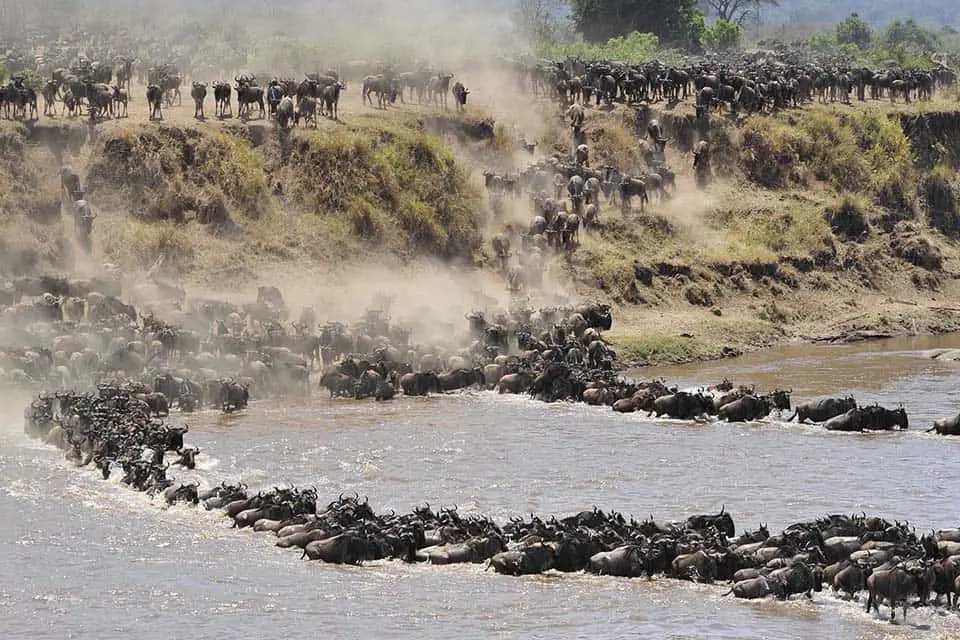
July–October in Northern Serengeti and the Masai Mara. The iconic images — thousands of wildebeest launching down steep banks into fast water — with the highest concentration of camps, guides, and vehicles built around this single event.
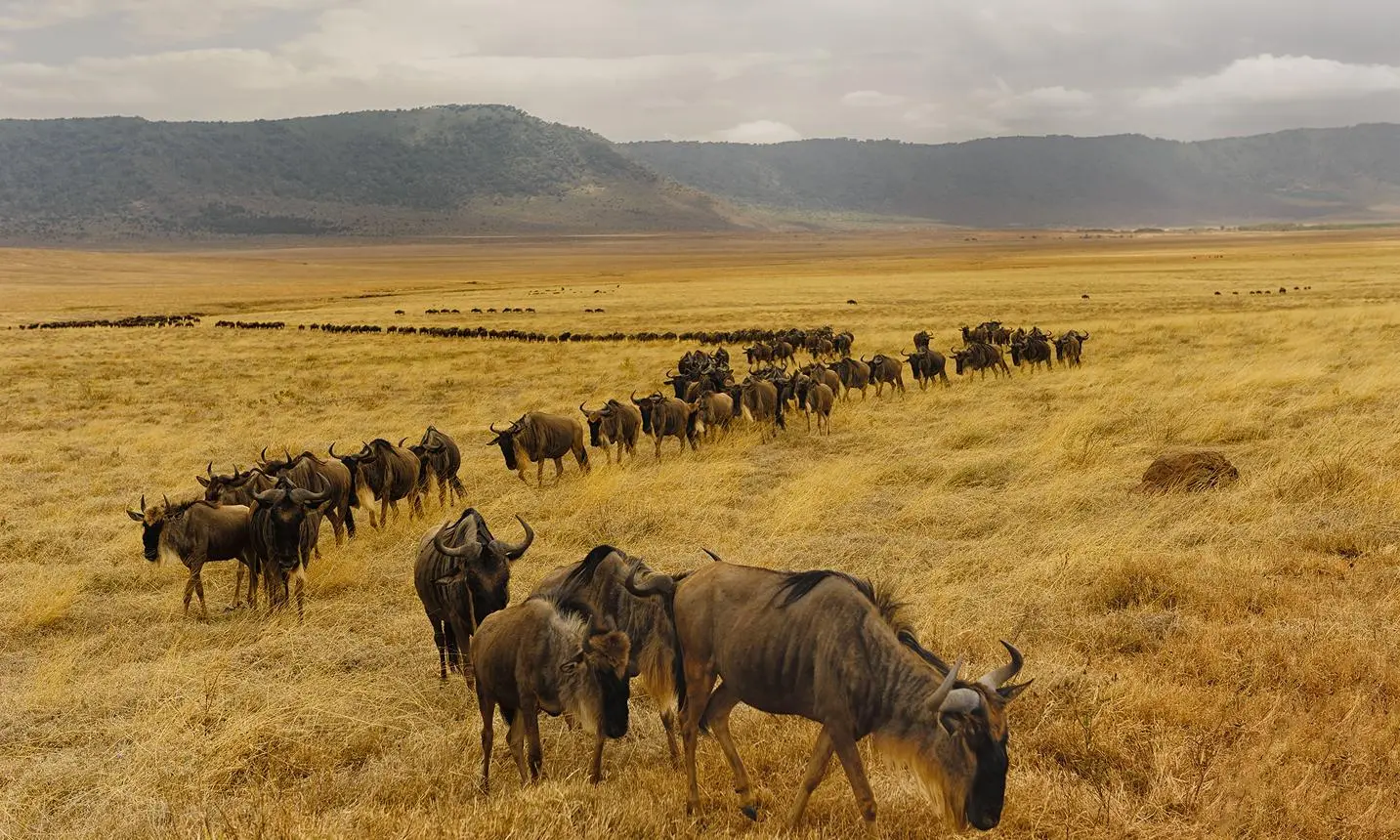
Southward return
November–December through Lobo and the eastern/central Serengeti. Herds move faster and more dispersed here, but it's an excellent add-on to a Central Serengeti or Ngorongoro-based itinerary without the crowds of peak season.
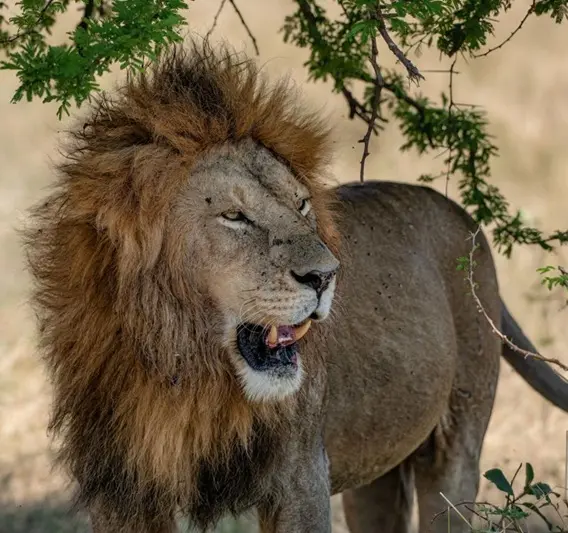
Central Serengeti as a connector
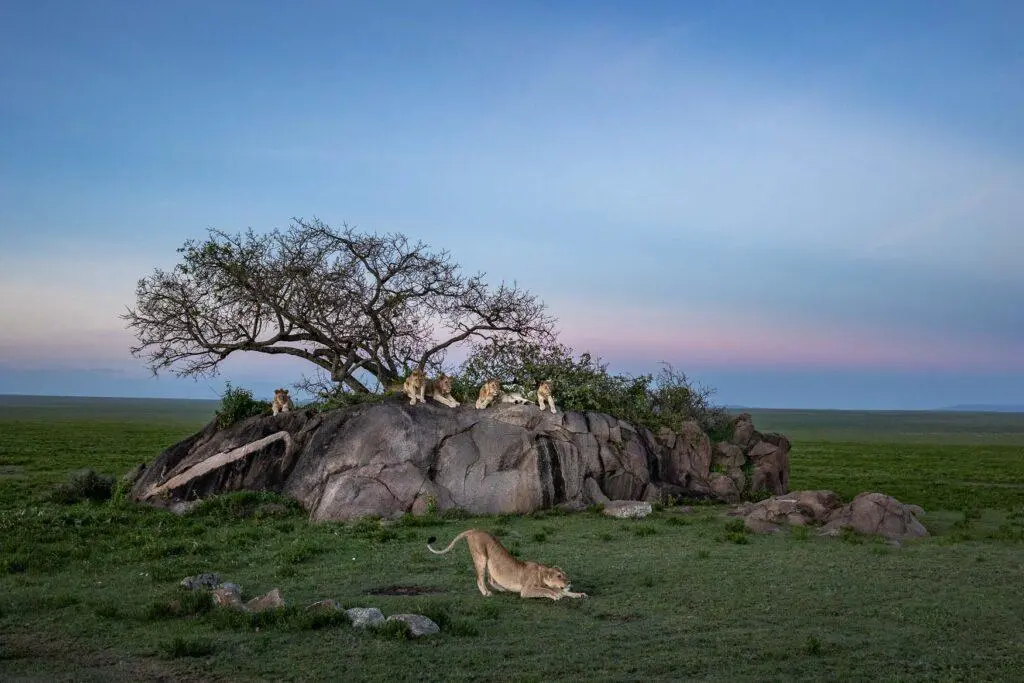
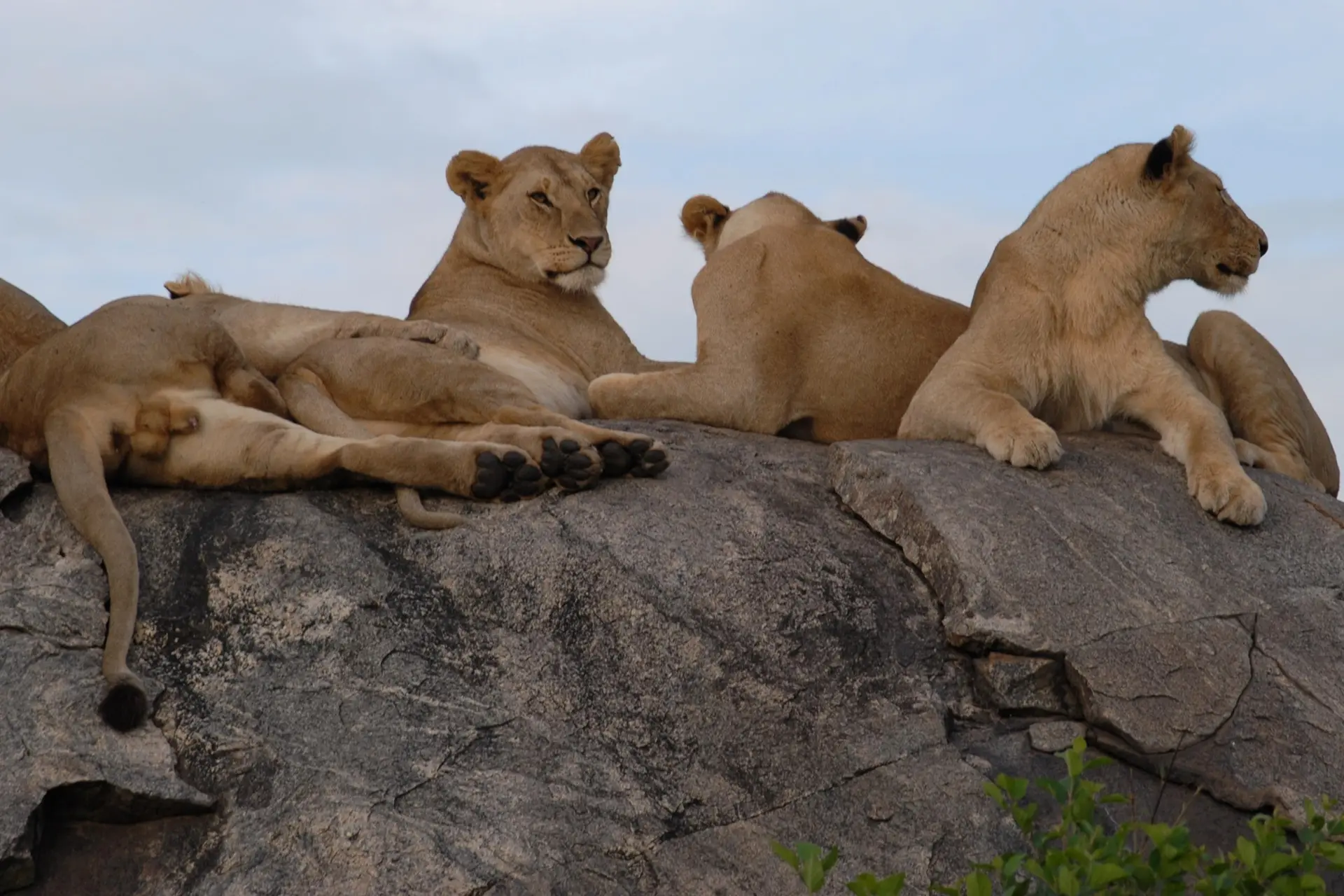
Seronera holds resident lion, leopard, and cheetah populations year-round, so it bridges itineraries and still delivers strong wildlife viewing on the weeks the migration itself is elsewhere.
If your priority is predator action and newborn calves, aim for late January through March in the Ndutu/southern plains area. This is also one of the better-value windows, since it falls outside the peak July–October rush and camps are easier to book on shorter notice.
If you specifically want river crossings, July through September in northern Serengeti gives the highest probability, but also the highest vehicle density at popular crossing points. May–June in the Western Corridor is a genuine alternative if you'd rather trade a slightly lower crossing probability for noticeably fewer vehicles.
Travellers comparing Tanzania's Serengeti to Kenya's Masai Mara for crossings should know both parks sit on the same river system and see the same herds — the Mara is smaller and gets busy fast in August, while the Serengeti side offers more space, more accommodation styles, and easy combination with Ngorongoro Crater and the calving plains.
Shoulder months — April, May, and November — are consistently underrated. Rain is more likely, but rates drop, camps are quieter, and the migration is still moving through predictable zones; you simply need a guide who tracks it closely rather than relying on brochure dates.
- →Book July–September camps in northern Serengeti 9–12 months ahead — this is the single most requested window on the calendar.
- →Plan at least 4–5 nights near the river if a crossing is your main goal; a one- or two-night stop is a gamble.
- →Pair Ndutu calving season with a Ngorongoro Crater day for an efficient, predator-dense 5–6 night loop.
- →Crossings can happen at any hour of daylight — a guide willing to wait, not just drive past, matters more than luck.
- →The same herd can cross and re-cross a river several times in one day as conditions on either bank change.
- →May–June Western Corridor trades a lower crossing probability for a noticeably quieter, less-vehicle-heavy experience.
- →If your dates are fixed and fall outside peak crossing months, ask us — we'll tell you honestly what to expect rather than oversell the timing.
- →Overcast, cooler mornings often trigger more crossing attempts than hot, sunny ones — herds are more willing to move when they're not conserving energy against heat.
Full-day game drives
For river crossings especially, a half-day drive rarely cuts it — herds can sit at the water's edge for hours before committing. A packed lunch and a guide willing to wait near a known crossing point beats driving between several distant options.
- →Best for: Mara & Grumeti crossings
- →Bring: binoculars, telephoto lens, patience
Hot air balloon safari
A dawn balloon flight over the Serengeti plains during calving season or a major herd movement gives a genuinely different perspective — columns of wildebeest stretching to the horizon that a ground vehicle simply can't show you.
- →Best for: calving season, Central Serengeti
- →Typical timing: sunrise launch, 1-hour flight
Migration-focused photography safaris
Serious photographers should prioritise a guide who understands herd behaviour and river-crossing build-up cues — the animals often signal a crossing attempt 15–30 minutes before committing, and being positioned correctly matters more than gear.
- →Best lens range: 100–400mm or 150–600mm
- →Position at the exit bank, not just the entry point
Combine with walking safaris
In areas adjacent to the main migration corridors, a short guided walk (usually near your lodge or in a designated concession) adds a slower-paced, on-foot perspective on tracks, dung, and smaller wildlife the herds leave behind.
- →Best for: Central Serengeti, private concessions
- →Not permitted inside the core national park on foot
Night game drives (concession areas only)
Standard national park rules prohibit night driving, but several private concessions bordering the Serengeti allow spotlighted evening drives — a genuine chance to see hyena clans, leopards, and other nocturnal hunters that intersect with the migrating herds after dark.
- →Best for: private concessions near Grumeti & Northern Serengeti
- →Ask your guide which camps offer this
Seasonal mobile camps
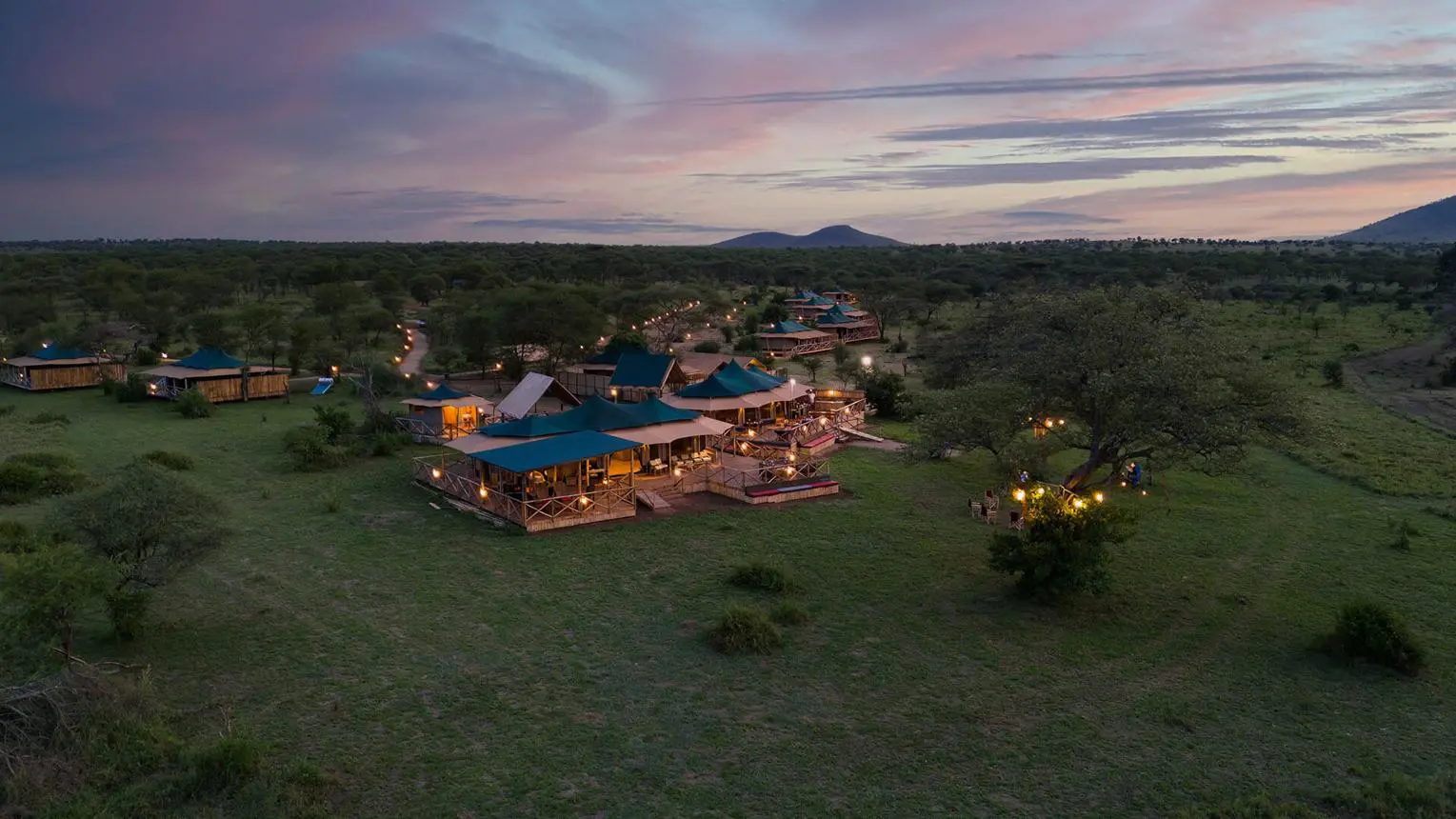
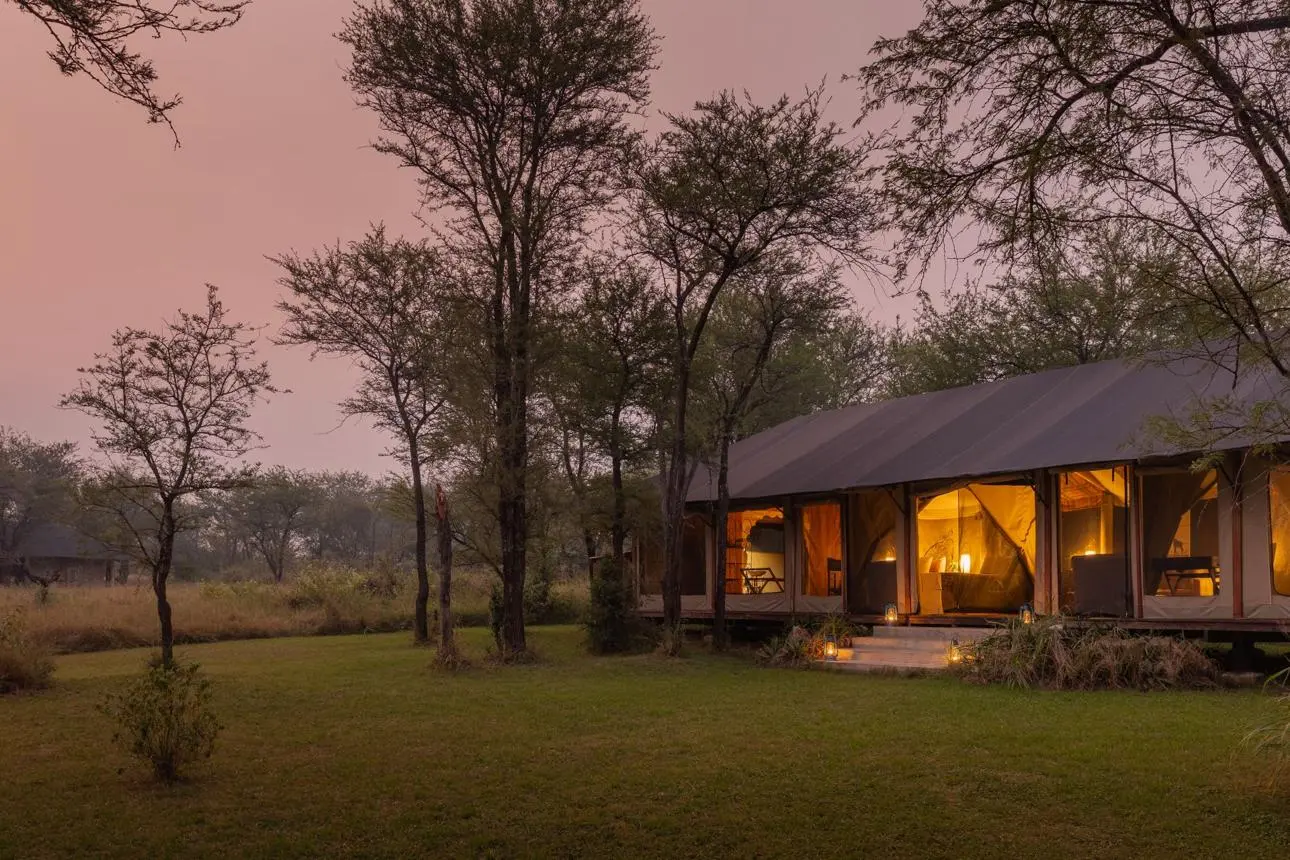
Genuine mobile camps physically relocate with the migration — typically to Ndutu for calving season (Dec–Mar) and to the Kogatende/Lamai area for Mara crossings (Jul–Oct) — putting you inside the action rather than driving long distances to reach it.
Permanent Central Serengeti lodges
Seronera-area lodges and camps stay open all year and deliver strong resident wildlife regardless of where the migration currently is, making them a reliable base if your dates don't line up with a specific migration stage.
Multi-camp fly-in circuits
Linking two or three camps by light aircraft — for example Ndutu then Northern Serengeti — lets you follow the actual migration stage rather than committing every night to one fixed location, at a higher cost than a single-camp stay.
3 nights in the key zone
The bare minimum to give a crossing or calving-season focus a fair chance — fewer nights than this and a single bad-weather or quiet day can define your whole trip.
4–5 nights
Gives your guide the flexibility to reposition for a promising crossing build-up or a hunt in progress, rather than sticking to a fixed daily plan.
Split zones, 6–7 nights
Combining two zones — e.g. Northern Serengeti + Central, or Ndutu + Seronera + Ngorongoro Crater — covers more of the migration circuit and adds reliable non-migration wildlife as a backup.
- Dec–Jan: Herds arrive on the short-grass plains around Ndutu and southern Serengeti as the rains green up nutrient-rich soil; the first calves of the season begin arriving late December.
- Feb: Peak calving — up to 8,000 calves born per day across the plains, drawing dense concentrations of lion, cheetah, and hyena for some of the most reliable predator sightings of the year.
- Mar–Apr: As the short grass is grazed down, herds begin drifting north and west; this transition period sees longer travelling columns and can coincide with the start of the long rains.
- May–Jun: The front of the migration reaches the Western Corridor and the Grumeti River — the first serious river crossings of the year, generally with far fewer vehicles than the Mara later on.
- Jul–Aug: Herds push into Northern Serengeti and begin crossing the Mara River into Kenya's Masai Mara; this is the busiest, most photographed stretch of the calendar.
- Sep: Crossings continue and often reverse — herds move back and forth across the Mara multiple times as grazing and water conditions shift on either bank.
- Oct: The northward push slows and the return journey begins; some late crossings still occur while the leading edge of the herd starts moving south again.
- Nov–Dec: Herds stream back through Lobo and the eastern/central Serengeti toward the southern plains, arriving in time for the short rains and the next calving season.
Plan your Great Migration safari
Share your travel month and whether you want calving season, river crossings, or a wider Northern Circuit — we will propose a clear, honest route.