
Central Serengeti
(Seronera)
The heart of Serengeti National Park — riverine forests, open plains, granite kopjes, and the highest year-round density of resident predators. Ideal for first visits and any travel month.
Central Serengeti around Seronera is the park’s logistical and wildlife hub. The Seronera River corridor draws lions, leopards, hippos, crocodiles, elephants, and endless plains game throughout the year.
Unlike the far north or Ndutu, you do not need perfect migration timing to have an outstanding safari here. Resident prides, leopard territories along riverine trees, and kopje landscapes deliver sightings in every season — including green-season months when northern camps are quiet or closed.
Most Northern Circuit itineraries spend nights in Central Serengeti because road access via Ngorongoro is straightforward, the Seronera airstrip is well connected, and guides know the resident wildlife intimately. It is the best default zone for first-time visitors.
The name Seronera comes from a Maasai word referring to the place where a river disappears underground during the dry season, and the river valley it describes remains the single most productive stretch of habitat in the entire national park — a mix of permanent water, riverine forest, and open plains within a compact, easily driveable area.
Because prides and leopard territories here have been studied and tracked for decades, guides can often predict which pride is likely to be near a given kopje on any given morning — a level of local knowledge that's simply not possible in the more remote, less-studied corners of the ecosystem.
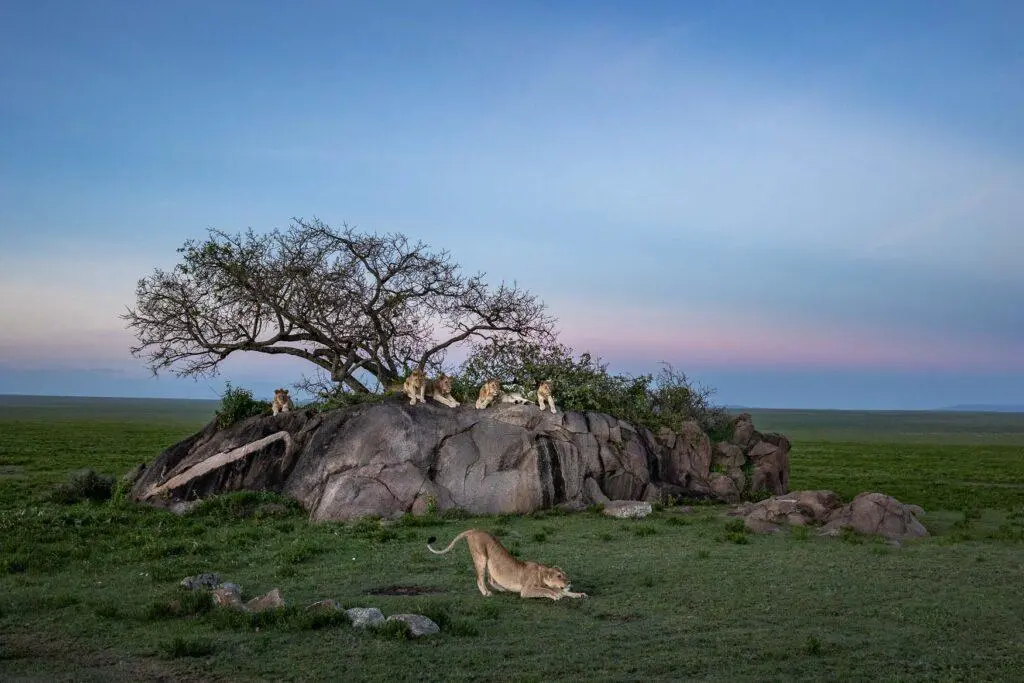
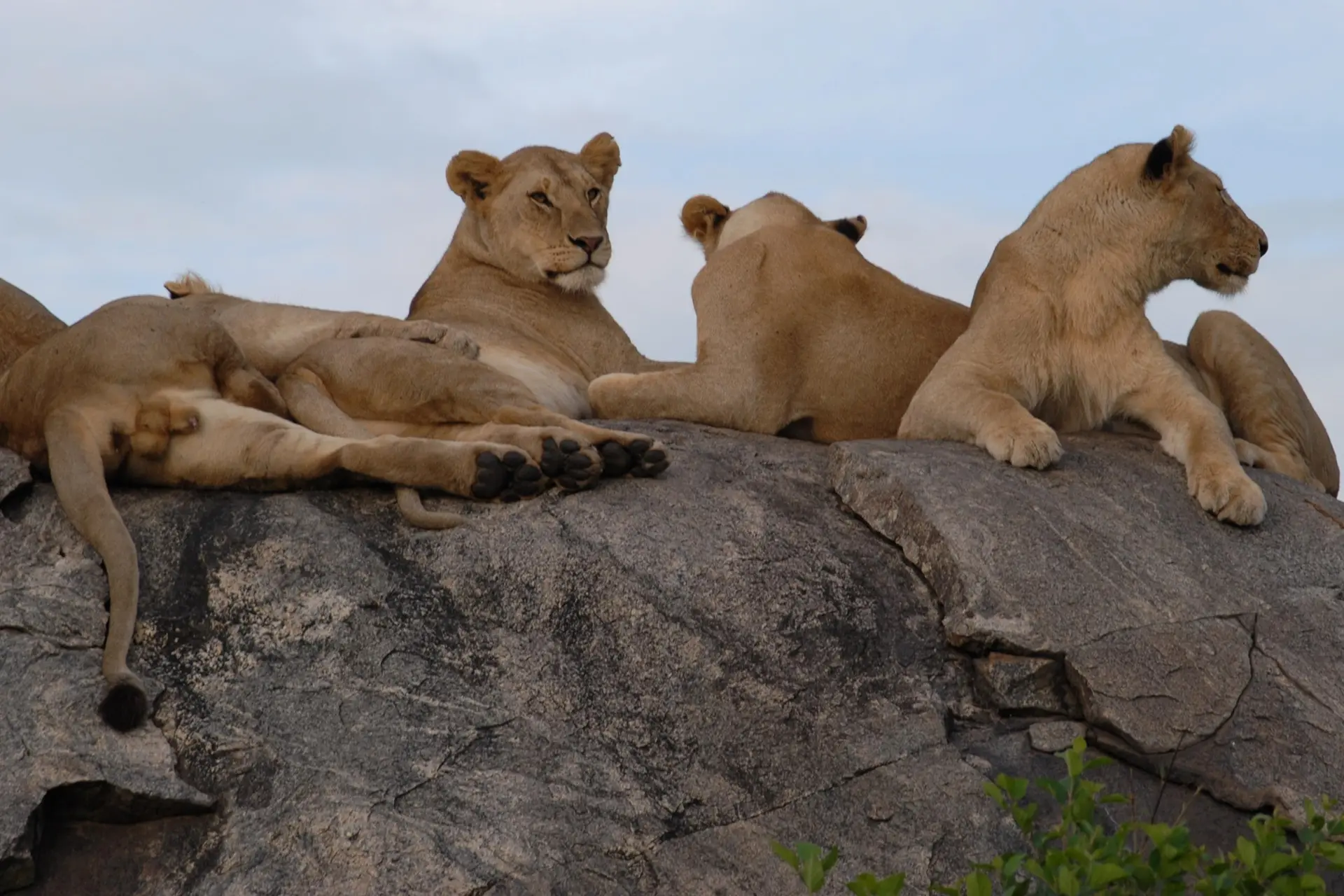
The granite kopjes scattered across the plains here are more than scenic backdrops — these ancient rock outcrops, some over 500 million years old, create their own micro-ecosystems with pockets of shade, hidden water, and vegetation that support everything from rock hyraxes to nesting raptors. They are also prime lion real estate, offering an elevated vantage point over the surrounding plains and a cool refuge from the midday heat.
Best for: First Serengeti safari, Big Five focus, families, and travellers visiting outside peak Mara-crossing months.
Resident lion country
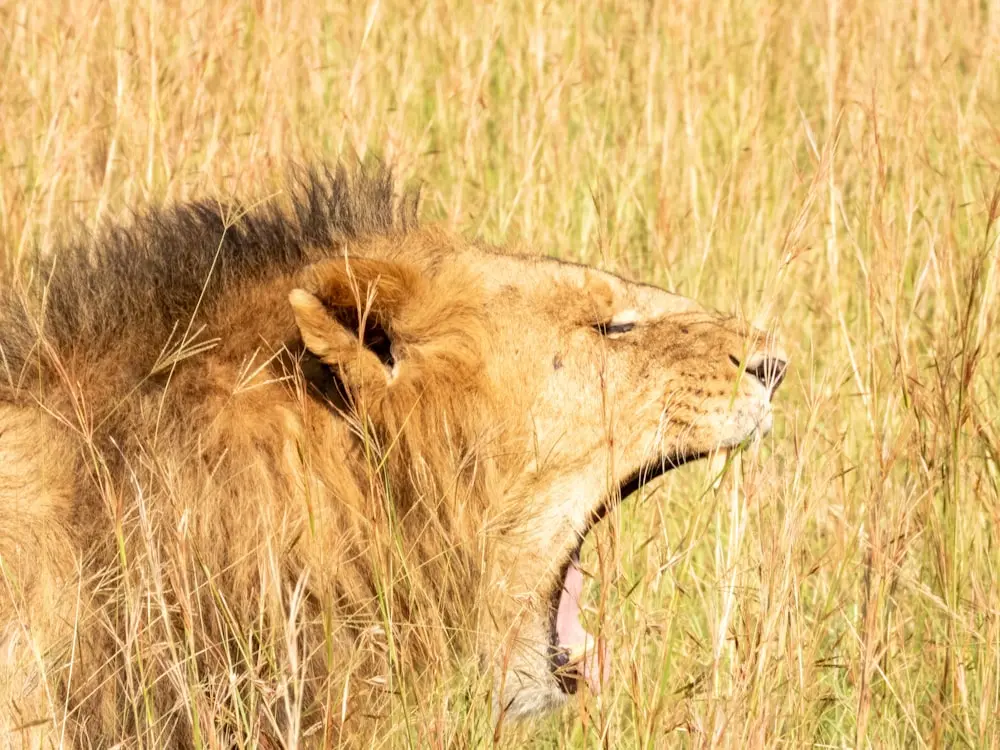
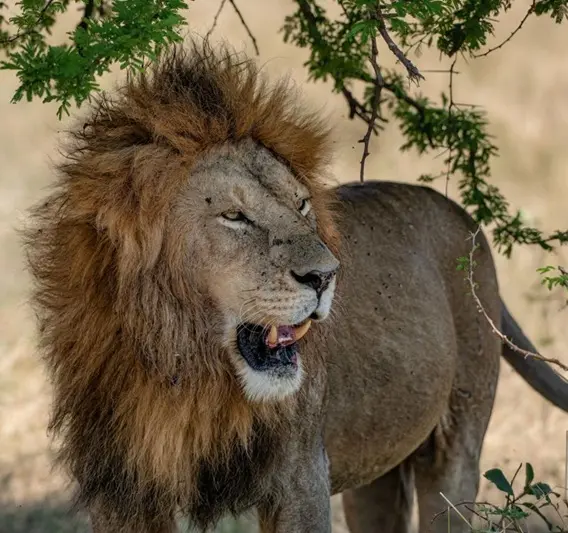
Seronera’s open plains and kopjes hold habituated prides that are frequently seen resting on rocks in the heat of the day and hunting at dawn.
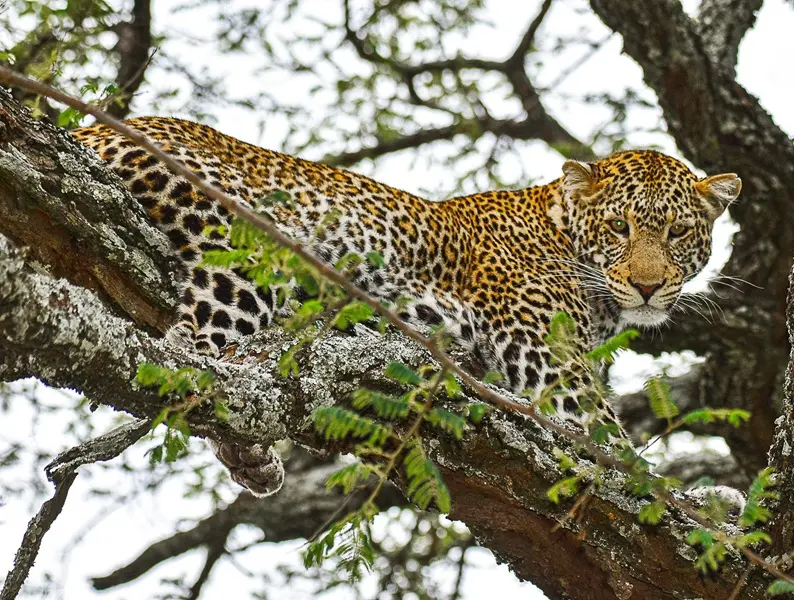
Leopard trees along the river
Scan sausage trees and fig trees along the Seronera River — one of Tanzania’s most reliable leopard habitats.
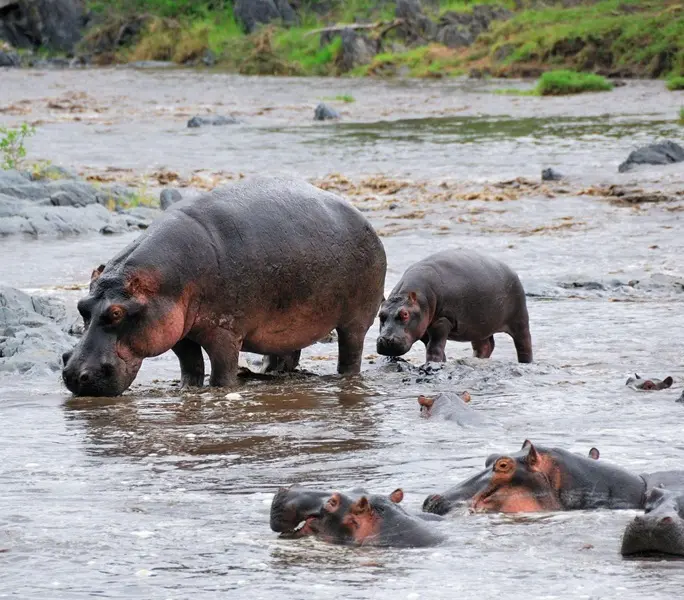
Hippo pools & crocs
Permanent water means hippo pods and Nile crocodiles are easy highlights even on a short stay.
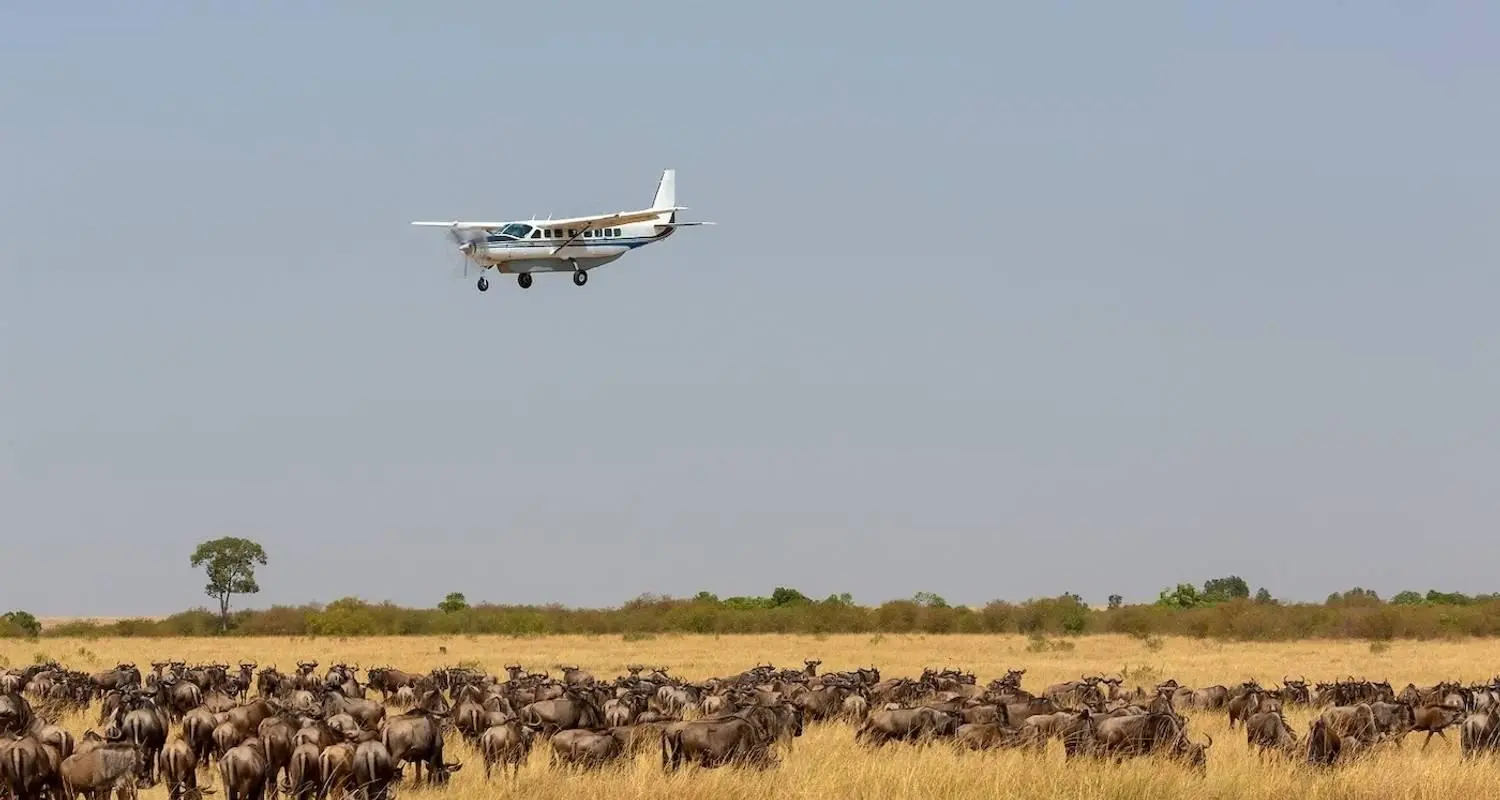
Flexible logistics
Combine easily with Ngorongoro by road, or fly in/out via Seronera. Works as a solo base or as the middle of a multi-zone safari.
Central Serengeti is the park’s true year-round zone. Dry months (June–October) offer crisp viewing and concentrated animals near water. Green season (November–May) brings dramatic skies, fewer vehicles in some areas, and excellent birdlife.
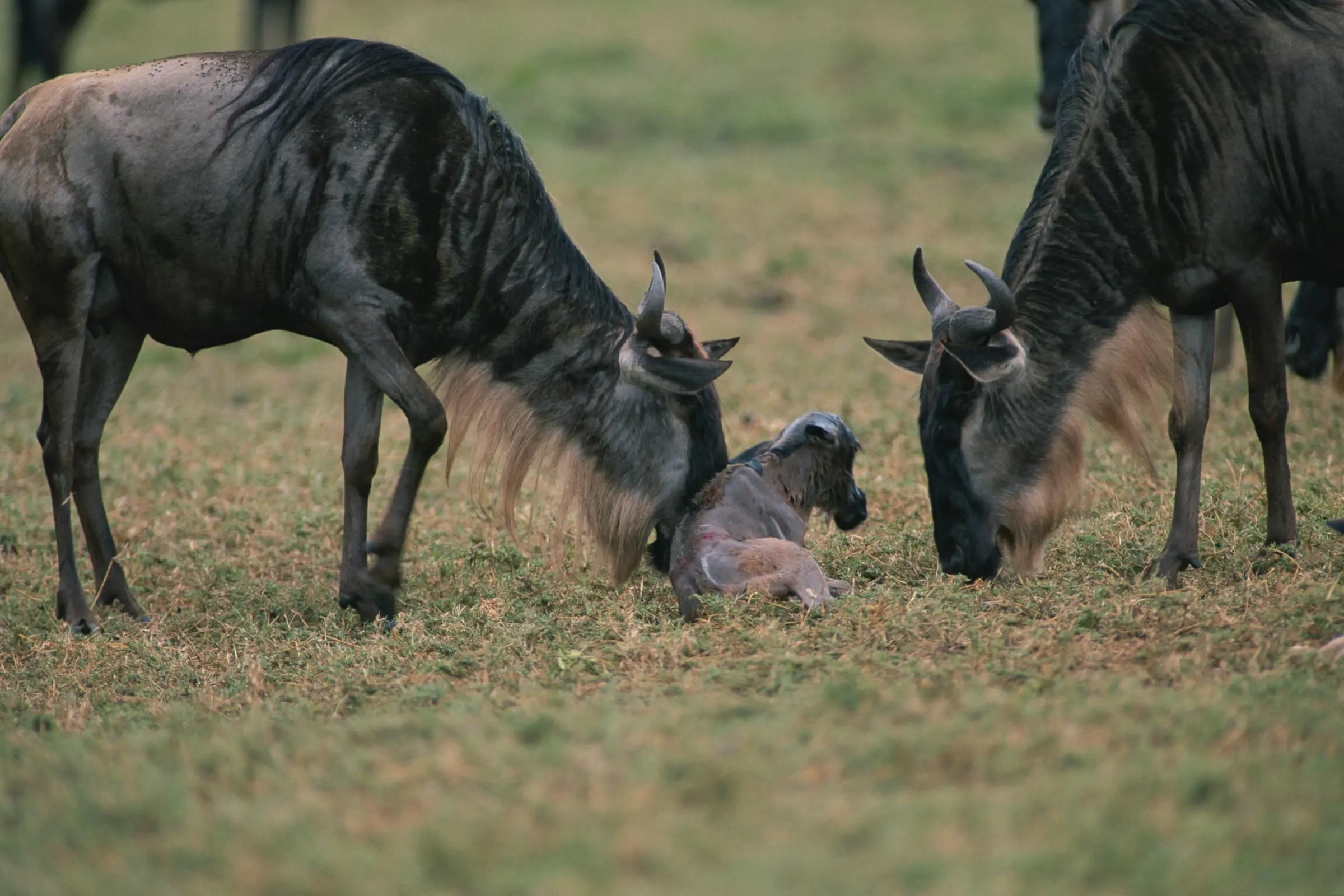
If your dates fall in July–October and river crossings are your priority, pair Central with Northern Serengeti. If you travel December–March, pair it with Ndutu for calving — then use Seronera for classic predator viewing.
- →Jun–Oct: Excellent clarity, busy but productive game drives.
- →Nov–May: Lush landscapes, strong resident wildlife, often better value.
- →Any month: Plan dawn and late-afternoon drives; midday is quieter for animals.
- →Photography: Golden hour light on kopjes and river corridors is outstanding year-round.
- →Combine wisely: pair with Northern Serengeti in Jul–Oct or Ndutu in Dec–Mar rather than trying to force one zone to cover the whole year.
Very high
Resident prides around Seronera plains and kopjes; often seen daily on multi-day stays.
Good
Best odds along the Seronera River — patience and skilled guiding matter.
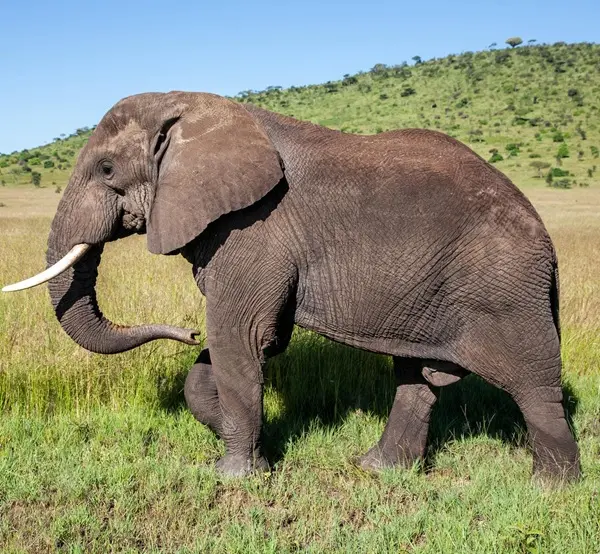
High
Regular along the riverine woodland and plains edges.
Very high
Reliable at known Seronera hippo pools.
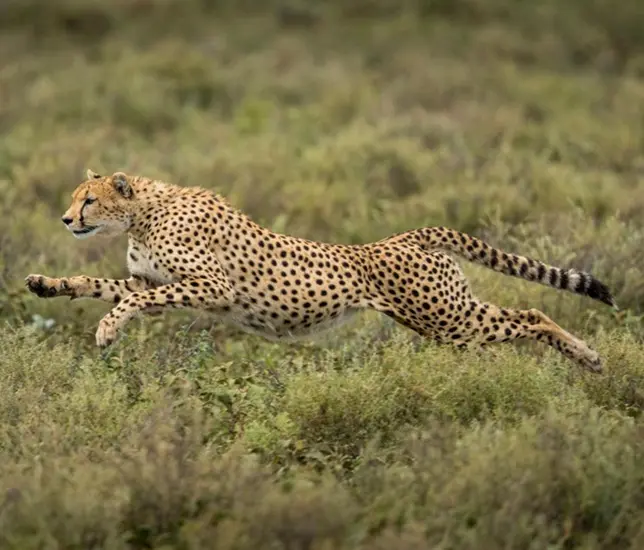
Moderate
Possible on open plains; more consistent in southern short-grass areas in season.
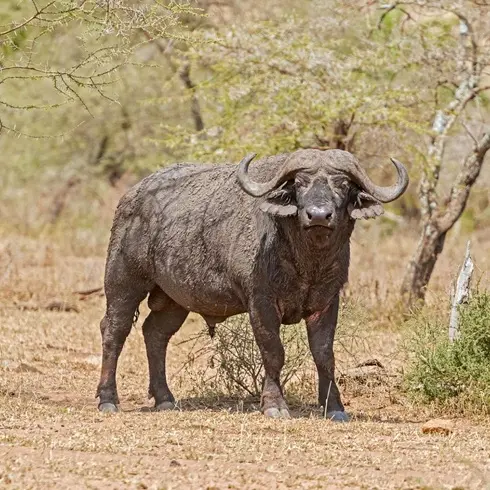
Very high
Zebra, wildebeest, gazelle, giraffe, and buffalo are common throughout, especially near the river during the dry season.
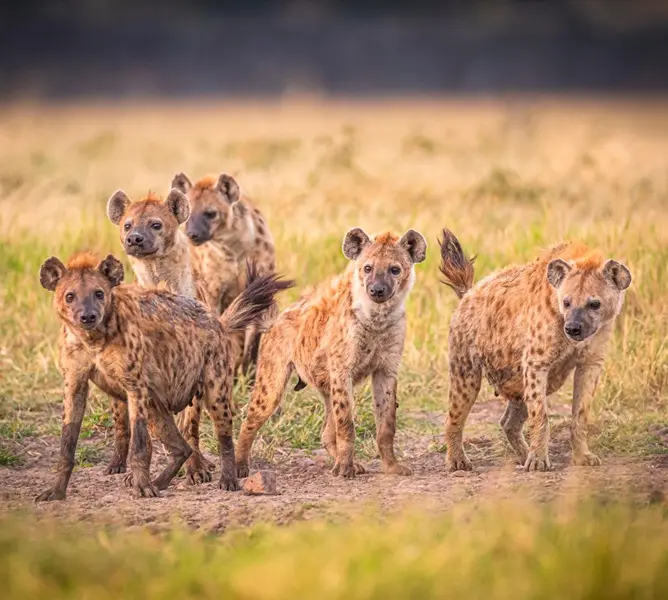
High
Highly visible clans den in the open plains and kopjes, active both day and night around Seronera.
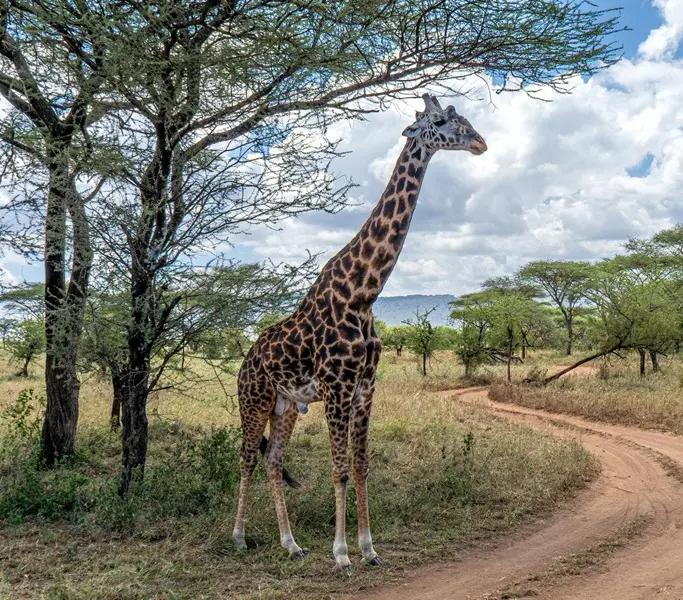
Very high
Masai giraffe browse the acacia woodland throughout Central Serengeti, seen on nearly every game drive.
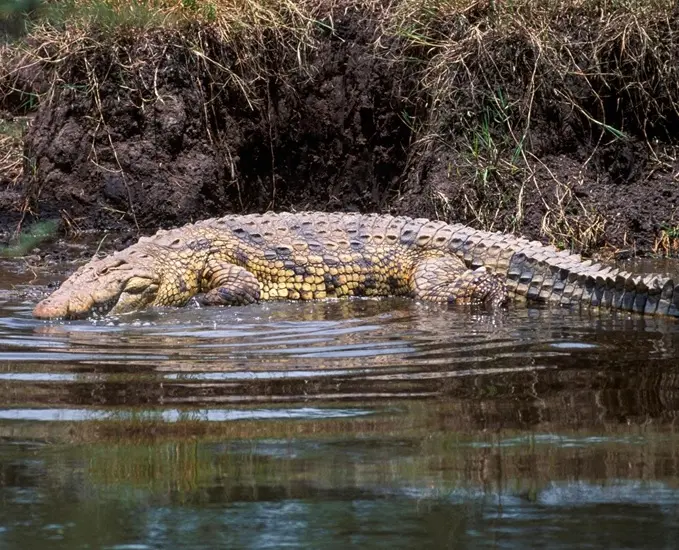
High
Resident in the Seronera River's permanent pools alongside the hippo pods, visible year-round.
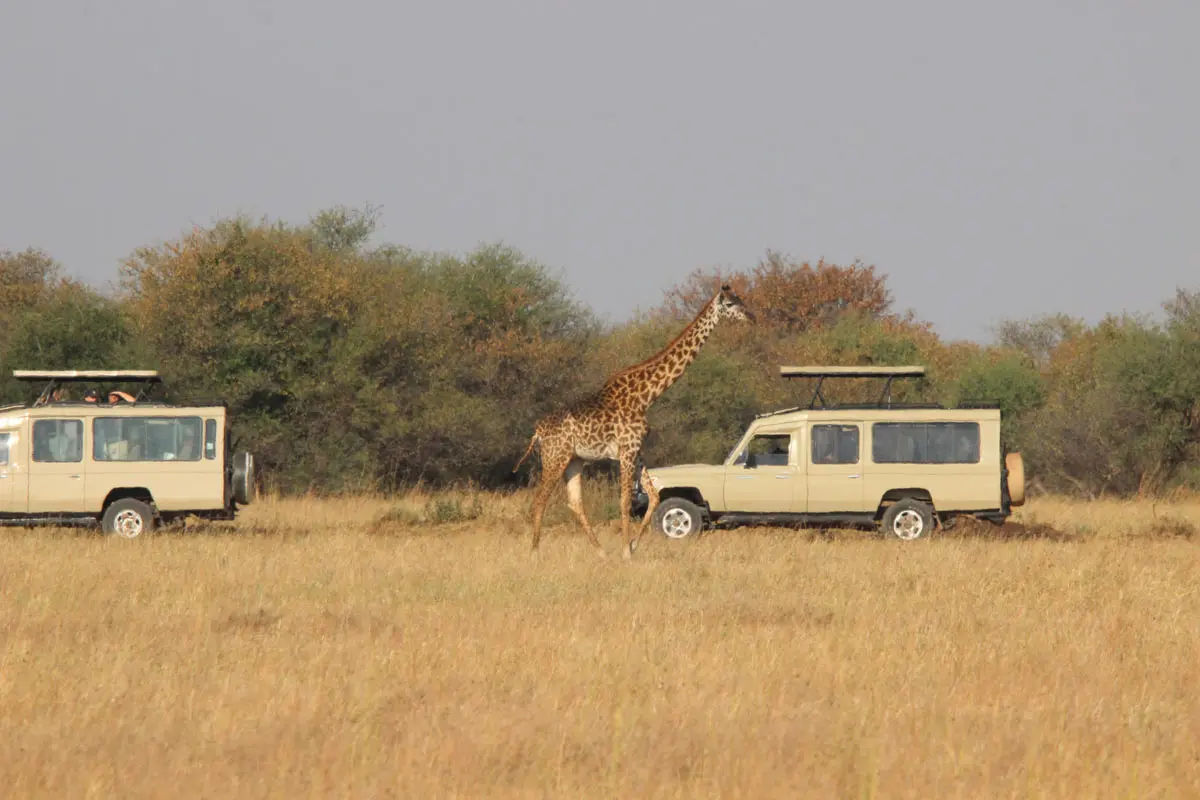
Morning & afternoon game drives
The foundation of a Seronera safari — leave camp early, return mid-morning, then go out again for golden hour.
- →Focus river corridors for leopard and hippo
- →Check kopjes for resting lions
- →Ask your guide to linger rather than chase radio calls only
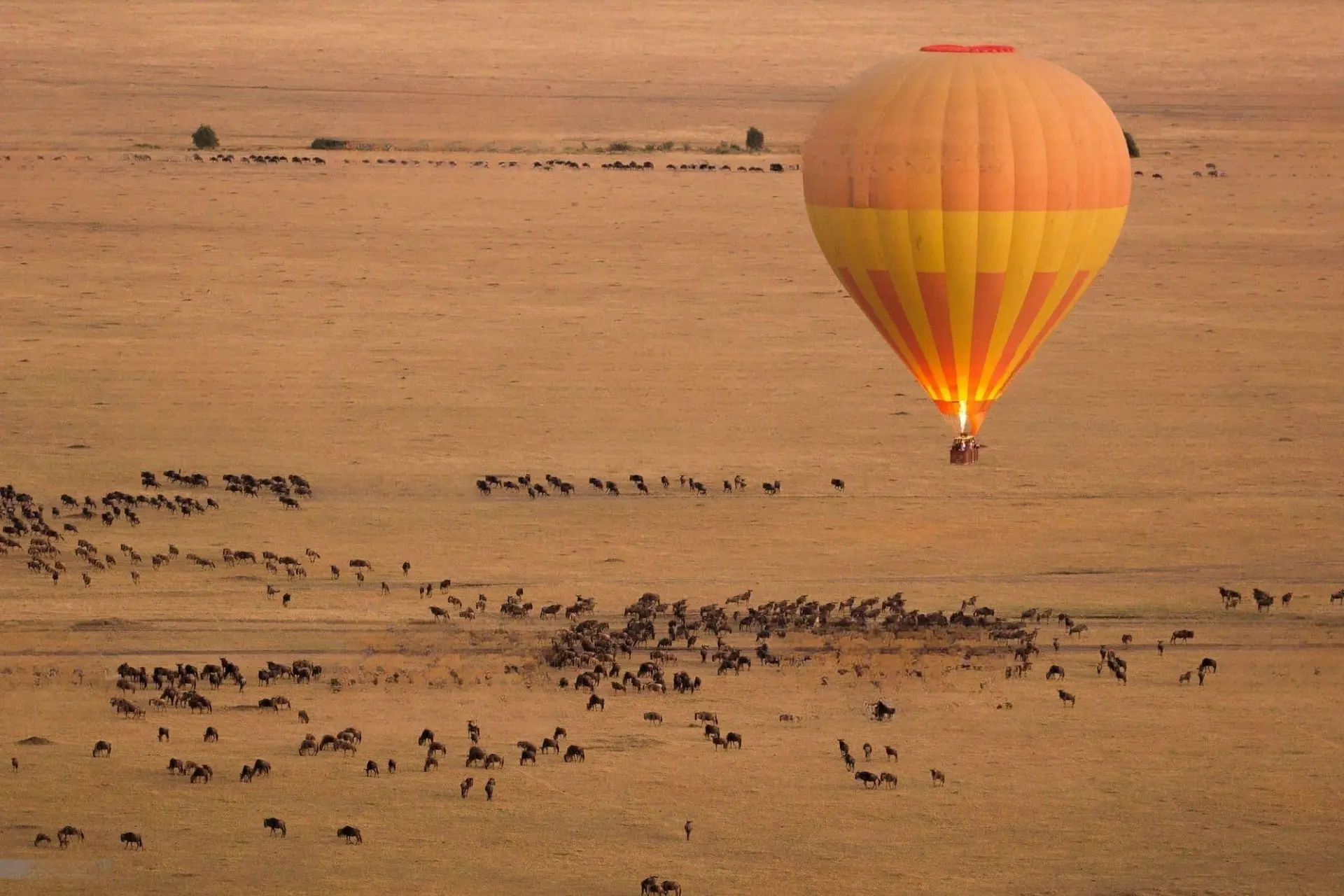
Hot-air balloon safari
Many balloon launch sites operate from the central plains — sunrise over acacia and herds, then a bush breakfast.
- →Book before travel in peak months
- →Pair with 3+ nights in Central for a relaxed schedule
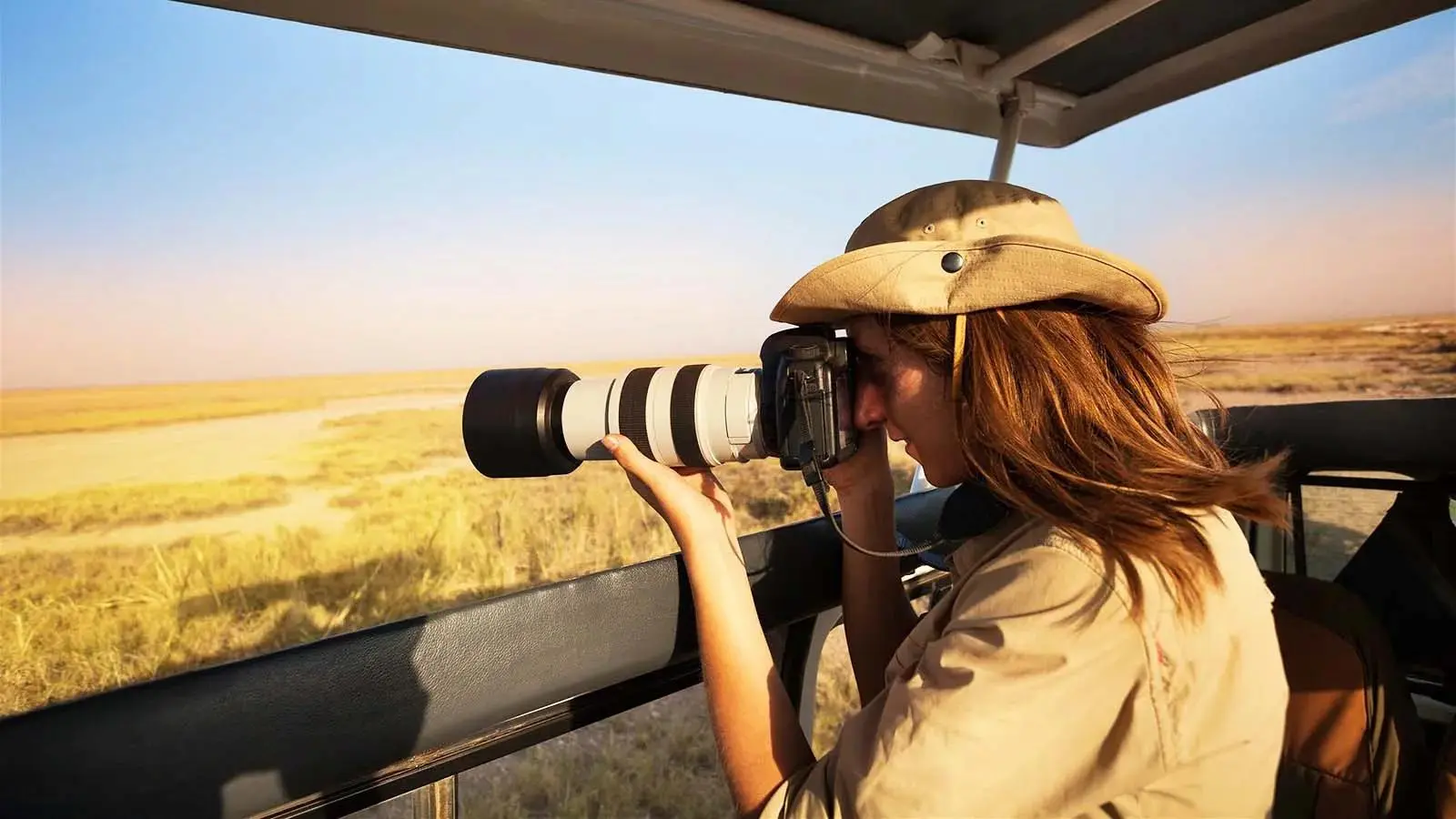
Photographic game drives
Central Serengeti's mix of open plains and riverine forest suits both wide landscapes and intimate predator shots, with habituated wildlife allowing genuinely close approaches.
- →200–400mm lens recommended
- →Bean bag / window mount for sharp handheld work
Walking with a ranger (select camps)
A small number of camps near the park boundary offer short guided walks with an armed ranger — a slower, ground-level way to learn tracks, plants, and smaller wildlife.
- →Not permitted freely inside the core national park
- →Ask your operator which nearby camps offer this option
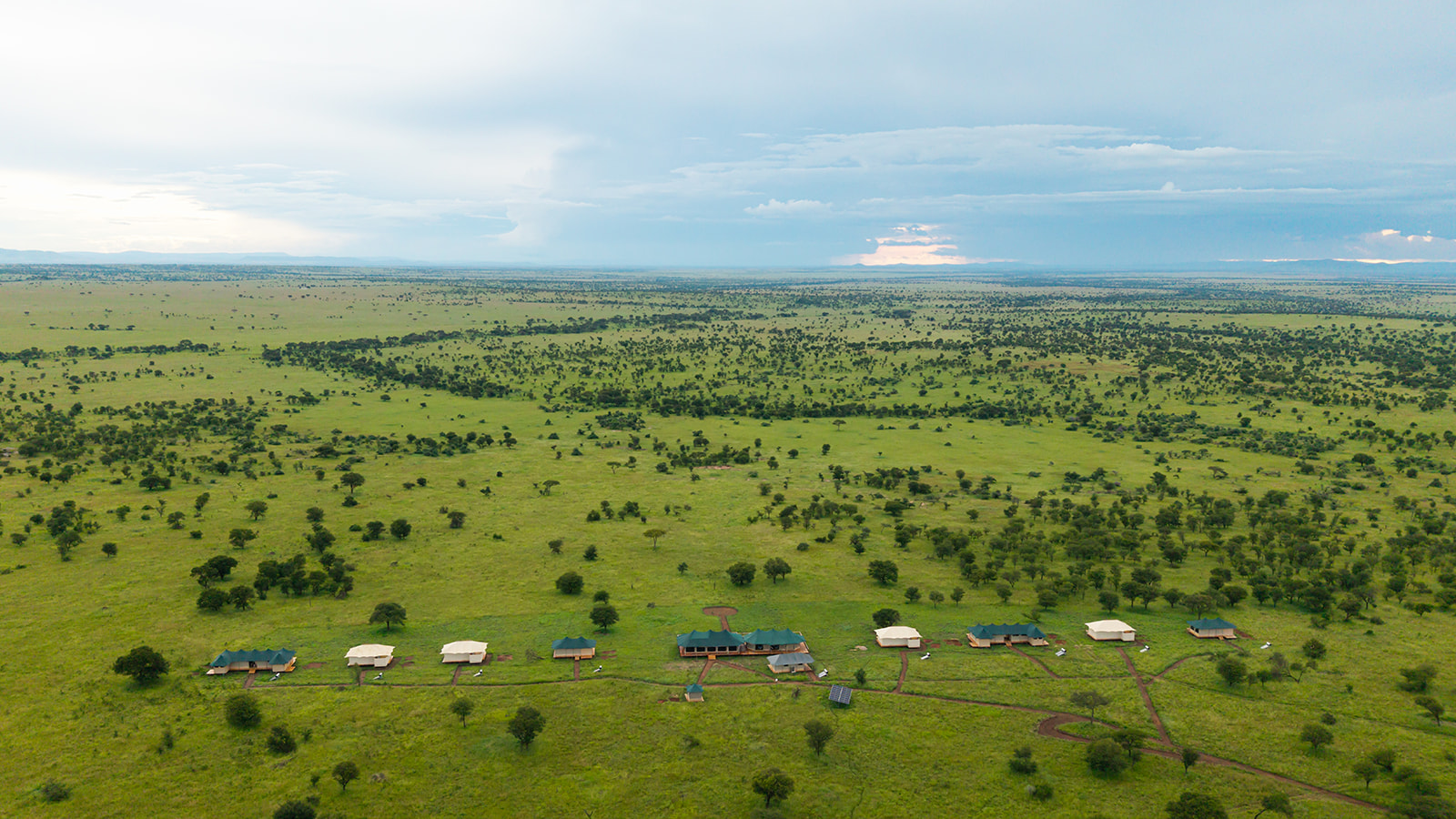
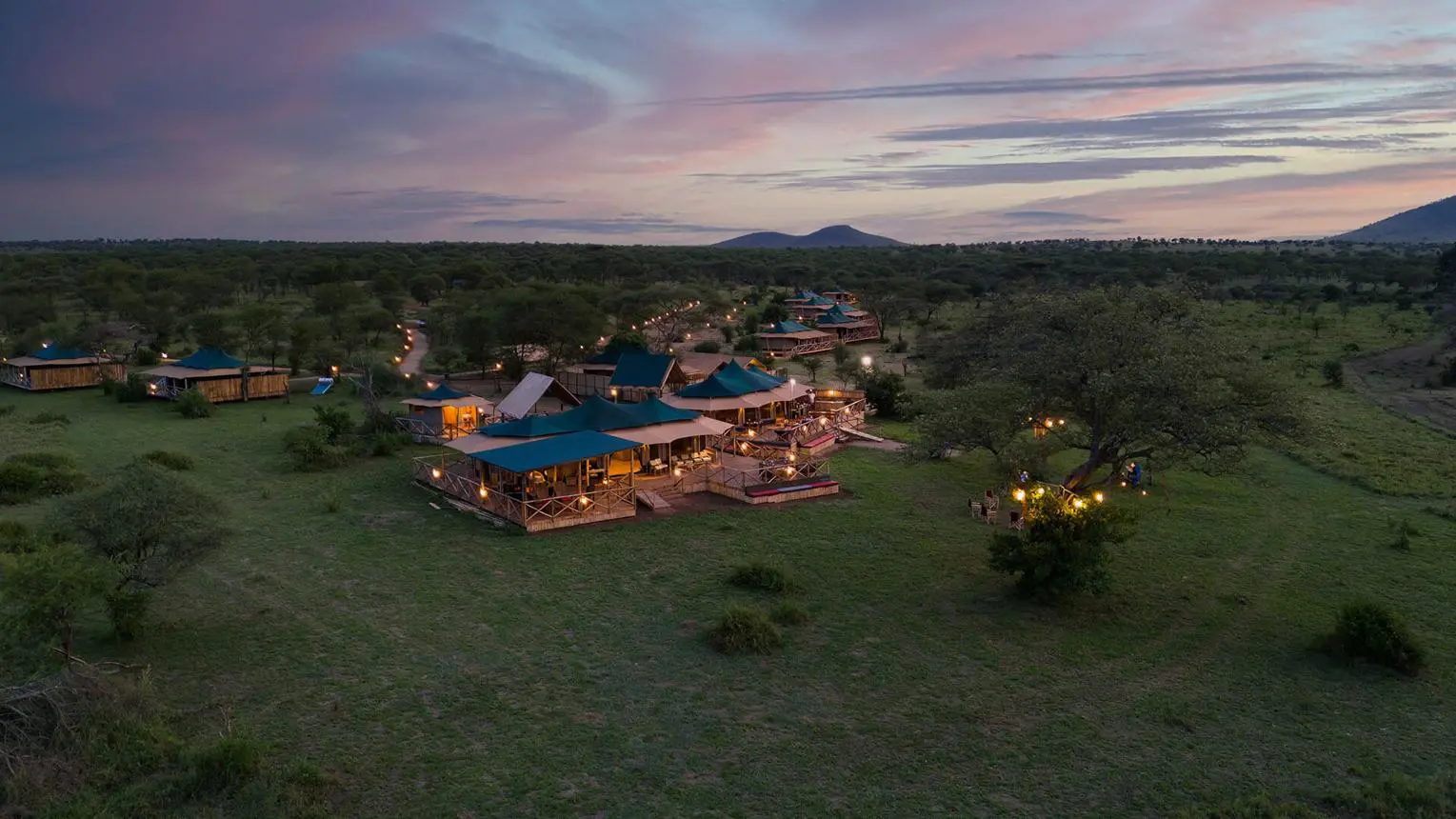
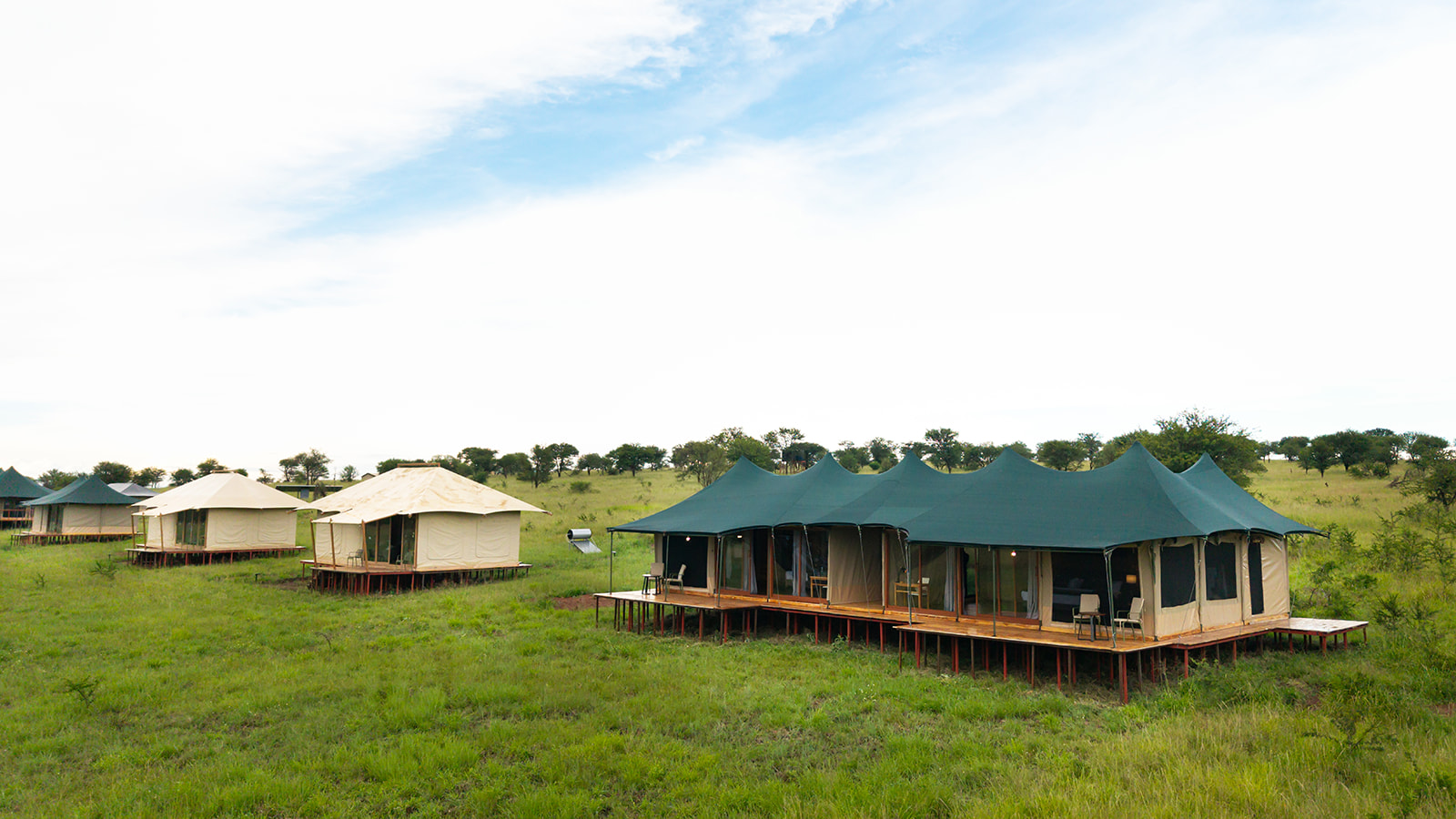
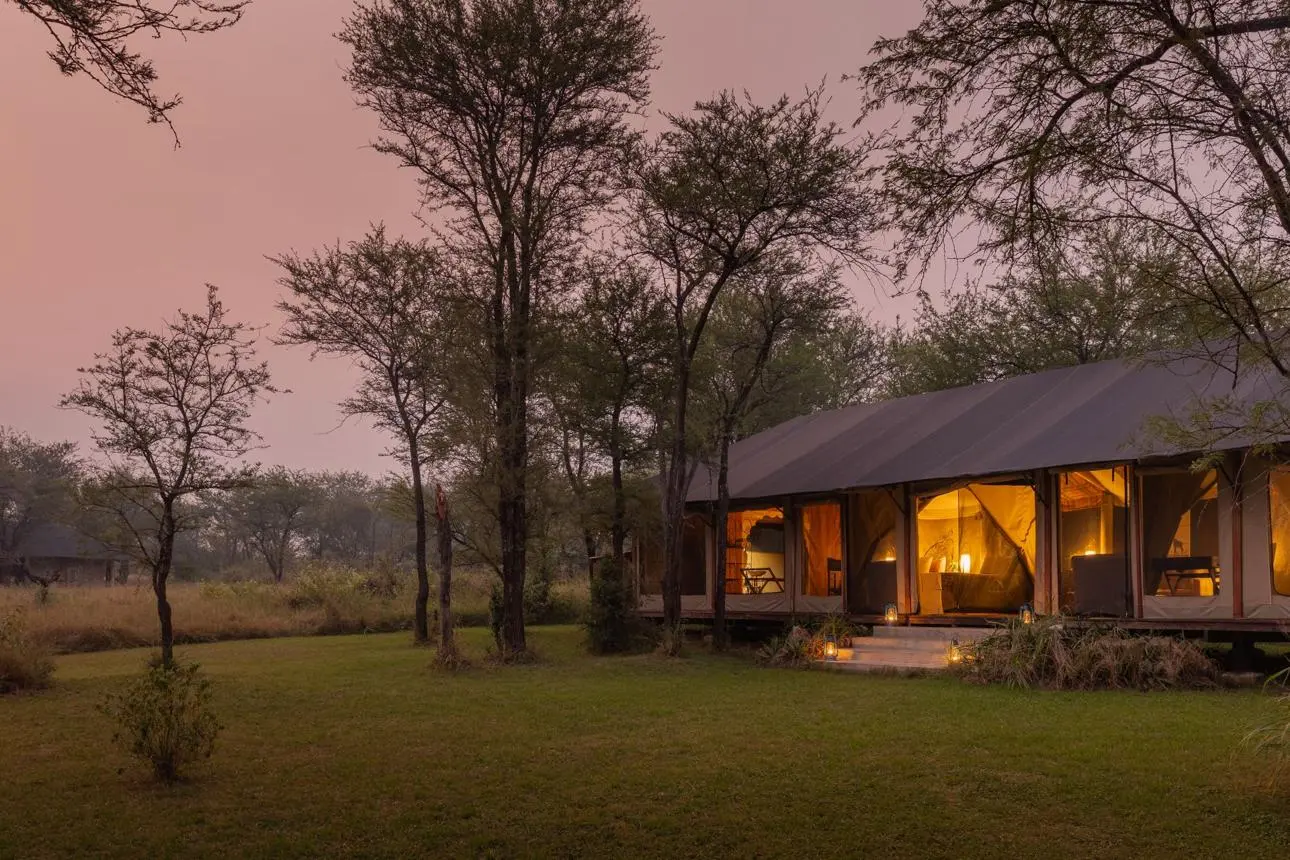
Nakupenda Serengeti Luxury Camp
Januz Safaris’ own Central Serengeti tented camp — spacious luxury tents, chef-prepared meals, and year-round Seronera wildlife at your doorstep.
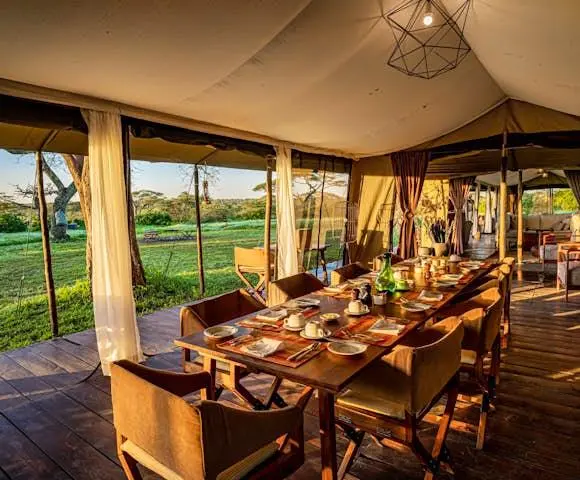
Tented camps near Seronera
Comfortable tents, shared or private vehicles, excellent for first-timers who want location over ultra-luxury.
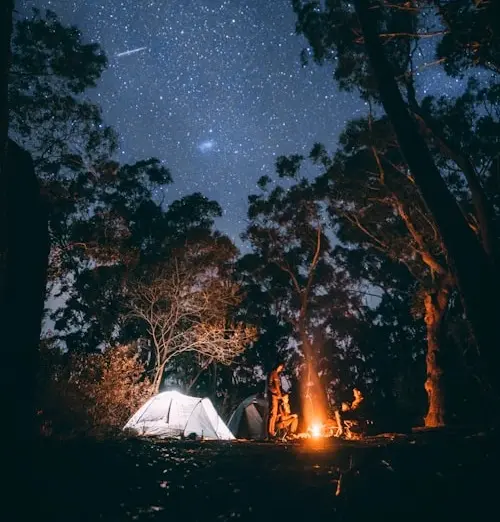
Public / special campsites
Basic park campsites for mobile safaris — authentic and budget-friendly with the right operator setup.
Camp tip: In Central Serengeti, prioritize location and guiding quality over spa features. A well-placed camp saves hours of driving every day — many well-positioned properties sit within a 15–20 minute drive of the Seronera River's most productive stretches.
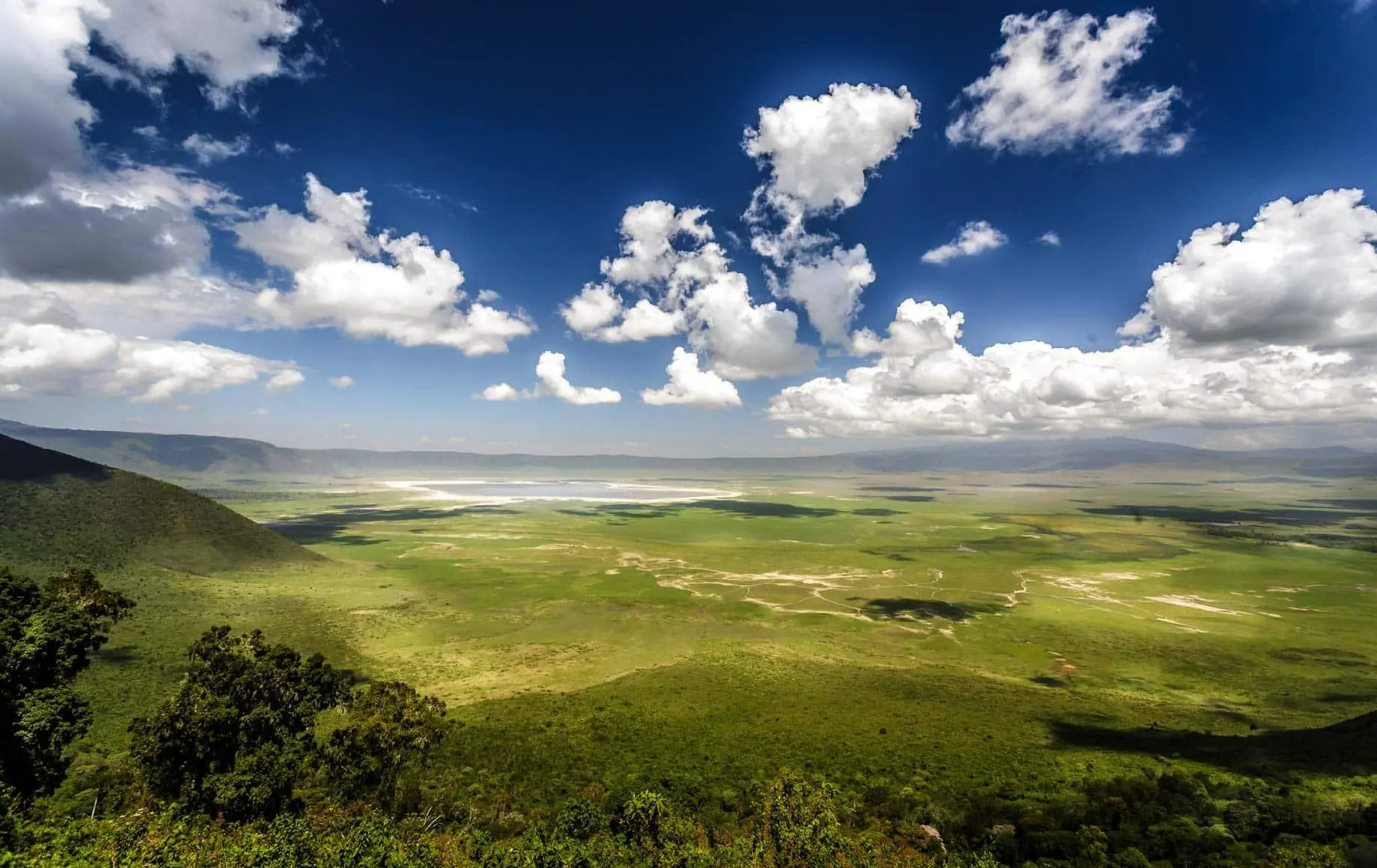
Most guests reach Central Serengeti by road from Arusha via Ngorongoro (typically a full day’s scenic transfer with crater viewing options) or by light aircraft into Seronera airstrip (about 45 minutes from Arusha).
Flying saves rough road hours and maximizes game-drive time if your safari is short. Driving works well when Ngorongoro is already on the itinerary, since the crater rim makes a natural, scenic stop en route.
Once inside the park, expect dusty, sometimes corrugated roads between sightings — this is standard Serengeti driving, not a sign of a poorly maintained park, and most guests find the discomfort quickly forgotten once wildlife appears.
- Airstrip: Seronera is the main central gateway.
- Road: Combine with Ngorongoro Crater for an efficient Northern Circuit loop.
- Transfers: Expect dusty tracks inside the park — that is normal Serengeti travel.
2 nights
A taste only — possible on tight schedules, but wildlife needs more time.
3–4 nights
The sweet spot for Seronera: multiple dawn drives and room for a balloon flight.
5+ nights
Add a second zone (North or Ndutu) or slow photography days without rushing.
Ready for Central Serengeti?
Share your dates and priorities — migration, Big Five, photography, or camp style — and we’ll design a zone-matched Serengeti safari.