
Northern Serengeti
Mara River
Remote plains above the Mara River — home to the legendary wildebeest crossings from July to October. Fewer vehicles than Seronera, enormous drama, and fly-in access recommended.
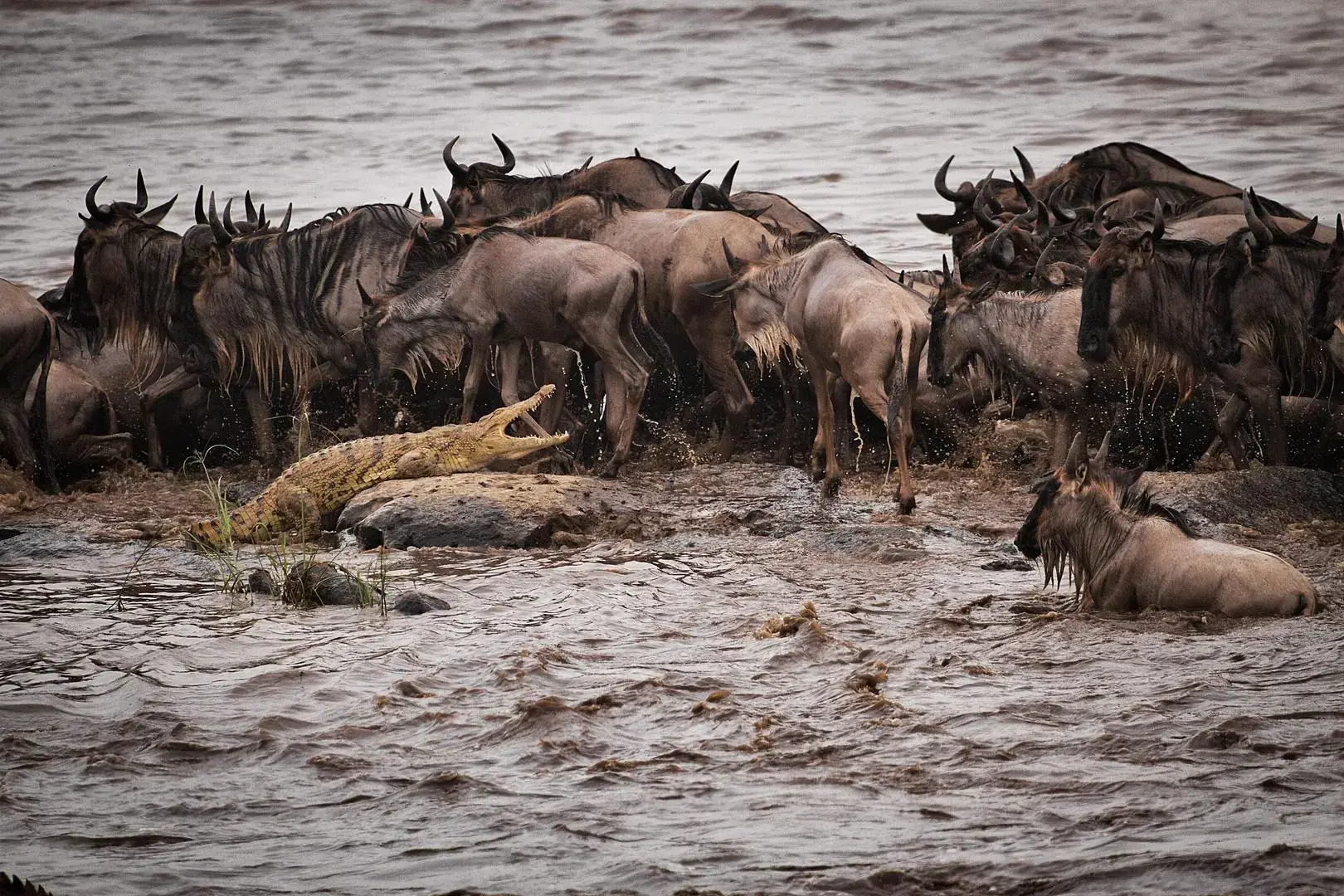
Northern Serengeti around Lamai and Kogatende is the stage for Africa’s most famous wildlife spectacle: wildebeest and zebra massing on the Mara River, then plunging across while giant Nile crocodiles wait.
The landscape feels wilder and more exclusive than Central Serengeti. Camps are seasonal, airstrips are close to the action, and when herds are present the daily rhythm becomes river stakeouts, predator follows, and long golden-hour drives.
This is not a casual add-on. Northern Serengeti rewards travellers who time their visit for peak months, stay at least three nights, and accept that crossings are never guaranteed — only probable with enough time on the river.
The zone is split between two areas with slightly different characters: the Lamai Wedge, a narrow strip of land pinched between the Mara River and the Kenyan border, and Kogatende further south, which offers slightly easier access and a broader spread of crossing points along the river's bends. Guides typically choose between the two based on where recent herd movement and river conditions suggest a crossing is most likely.
Because this area sits so far from Arusha and Seronera, it has historically drawn far fewer vehicles than the equivalent crossing points on the Kenyan side of the border in the Masai Mara — even during the busiest weeks of August and September, it's possible to watch a crossing with a handful of other vehicles rather than dozens.
Rangers and long-time guides in this zone often talk about "reading the herd" in the same way a fisherman reads water — subtle cues like a lead animal pacing the bank, a sudden hush in the grunting chorus, or vultures beginning to circle upstream can all signal that a crossing is imminent. This local knowledge, built over years of watching the same stretches of river, is one of the biggest reasons an experienced ground team matters more here than almost anywhere else in the Serengeti.
Best for: Migration river crossings, photographers, and travellers who want fewer vehicles than Seronera in peak season.
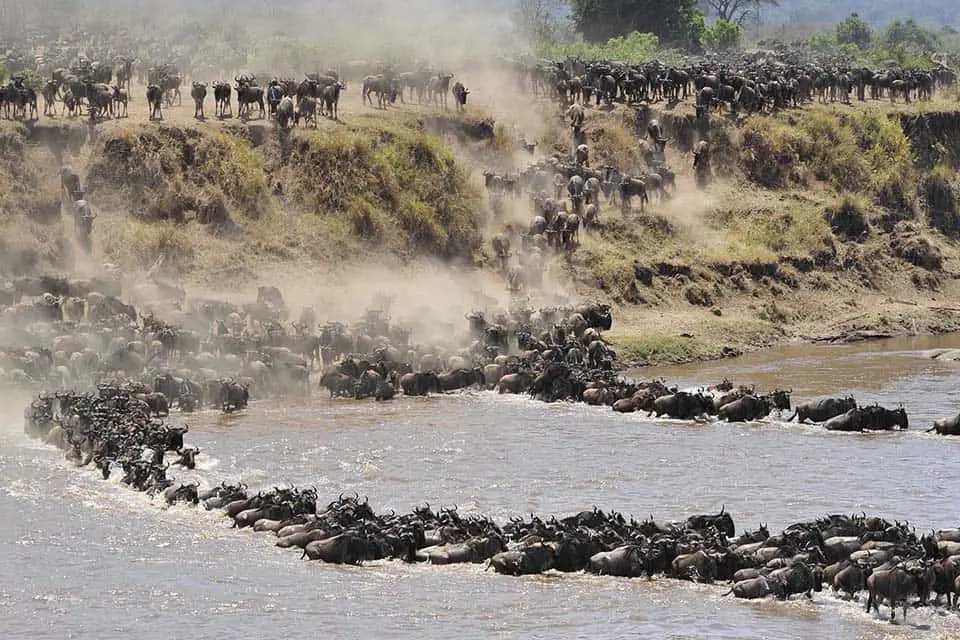
Mara River crossings
When conditions align, thousands of wildebeest surge into the river within minutes — chaotic, emotional, and genuinely unforgettable to witness in person.
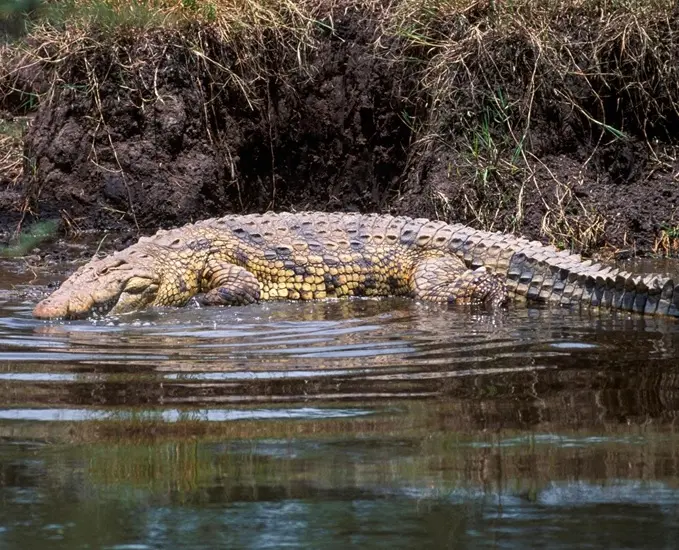
Giant crocodiles
Even without a crossing, the resident crocs and tense waiting herds along the riverbank are a spectacle of their own, worth the visit alone.
Remote atmosphere
Compared with Seronera, northern loops often feel quieter once you leave the busiest crossing viewpoints — a genuine sense of wilderness that's increasingly rare.
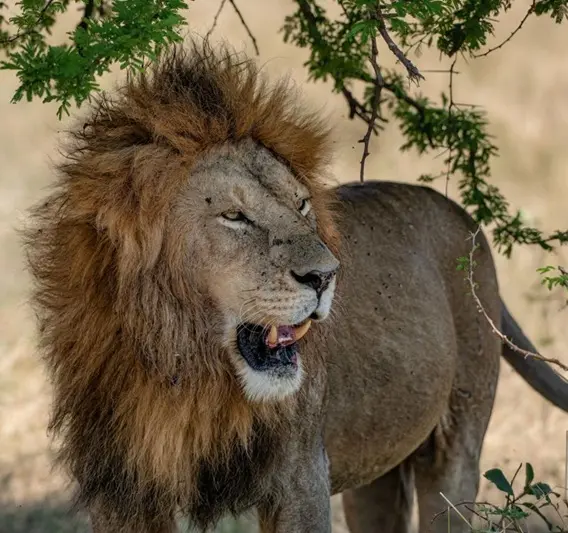
Peak-season predators
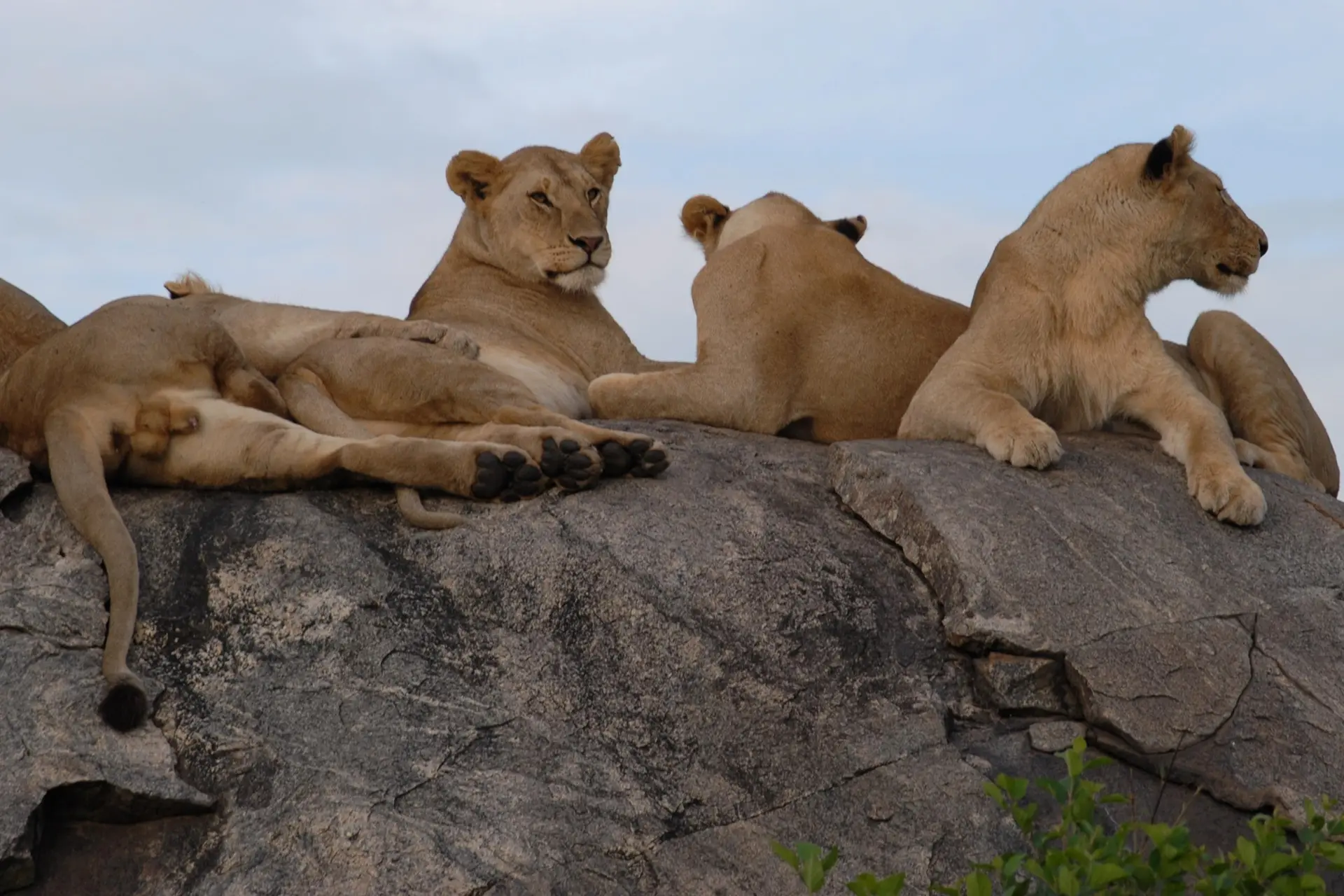
Lions, hyenas, and crocodiles all capitalize on the migration passing through; vultures circling overhead mark kills and crossing sites across the plains.
Target July through October for the highest chance of Mara crossings. August and September are classic peak weeks. June can be transitional; late October often sees herds beginning to push south again.
Outside these months, many northern camps close and the migration focus shifts to other zones. If you travel November–May, prioritize Ndutu or Central instead of forcing a northern itinerary.
Even within the peak window, conditions shift week to week — a dry July can push crossings earlier, while a wet season lingering into July can delay the herds' arrival. This is exactly why we check current reports from guides and camps on the ground close to your travel dates rather than relying purely on historical averages.
- →Jul–Sep: Highest crossing energy — book camps early, ideally 9–12 months ahead.
- →Oct: Still excellent; herds may start returning south, with fewer vehicles than peak August.
- →Stay 3–4 nights: Crossings are unpredictable hour-to-hour, and a single day rarely gives good odds.
- →Fly-in: Road from Arusha is long; flying maximizes river time and reduces travel fatigue.
- →Weather watch: Unseasonal rain either side of the border can shift crossing timing by several weeks.
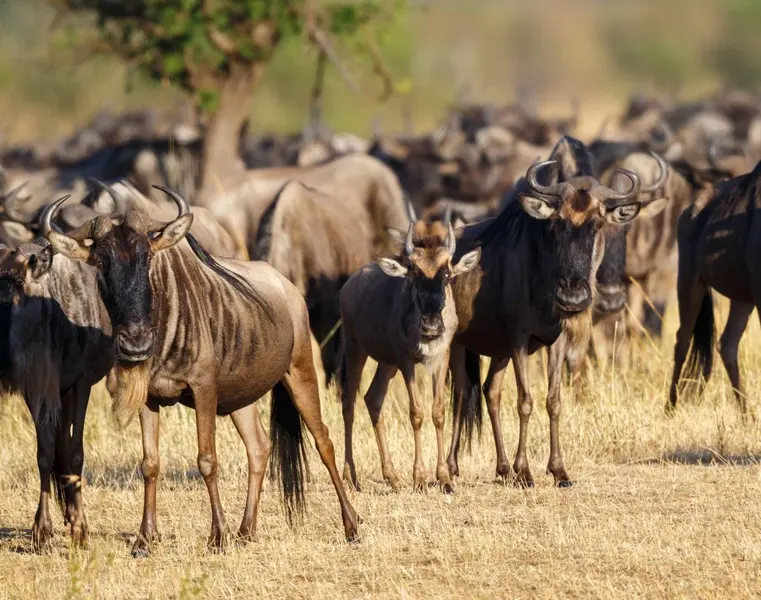
Very high (peak)
Massive herds gather in the thousands along the riverbank in Jul–Oct, sometimes queuing for hours before a crossing begins.
Very high
Resident giants, some over 5 metres long, wait at known crossing points and are visible basking on riverbanks even outside crossing hours.
High
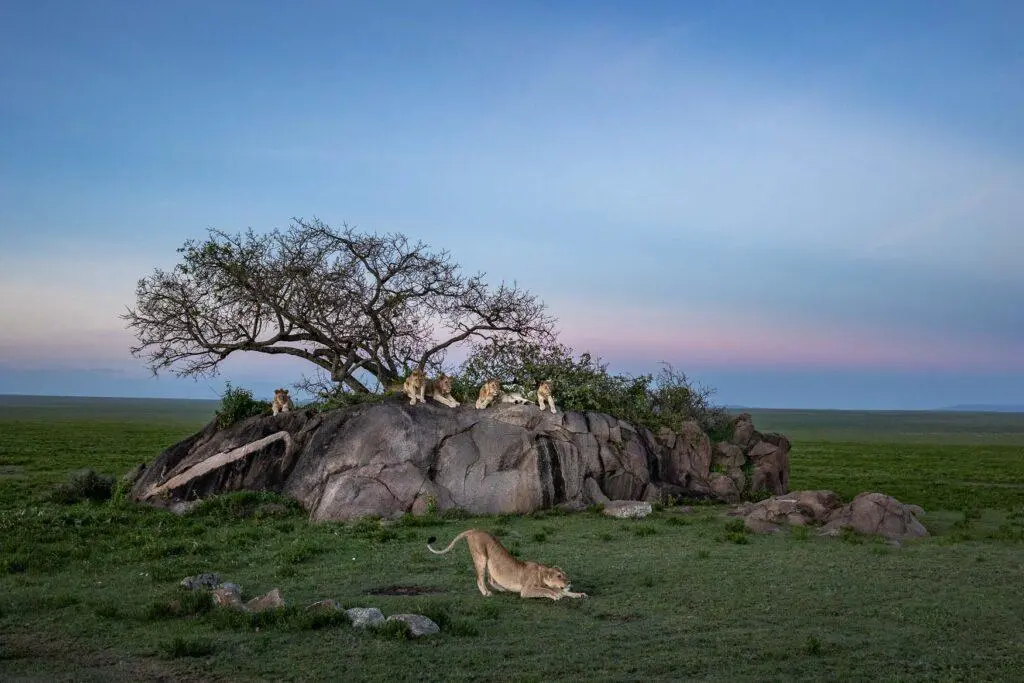
Prides follow herds and riverine cover, with peak drama around crossings as they target stragglers on the exit bank.
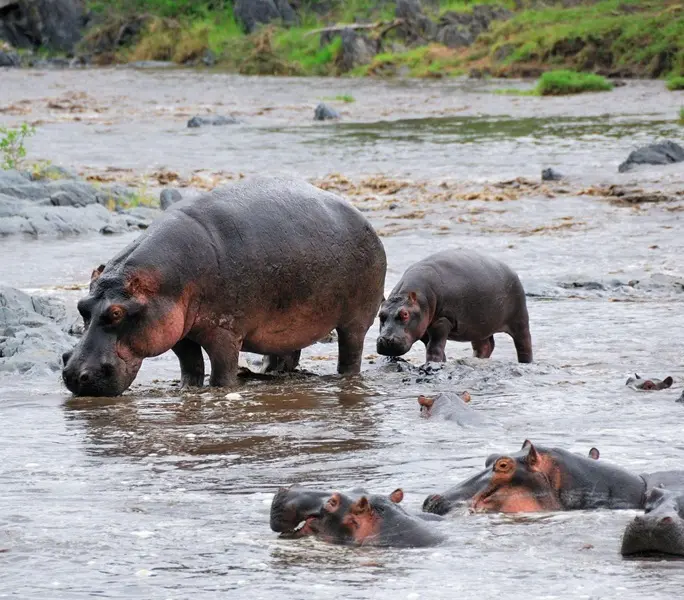
High
Mara River pods of a dozen or more are a constant northern soundtrack, best viewed from designated overlooks early morning.
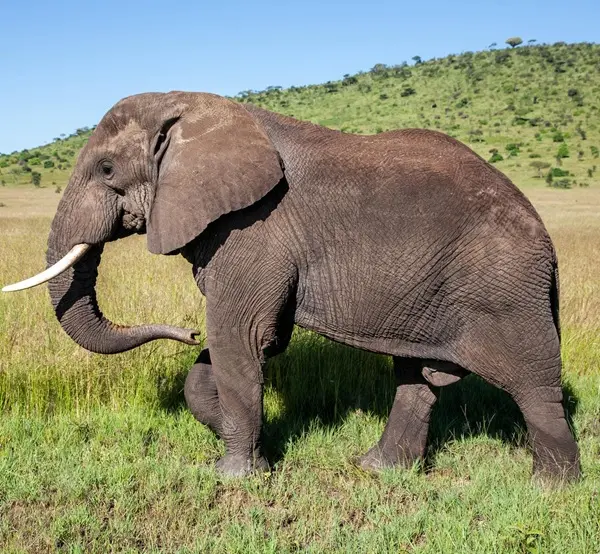
Good
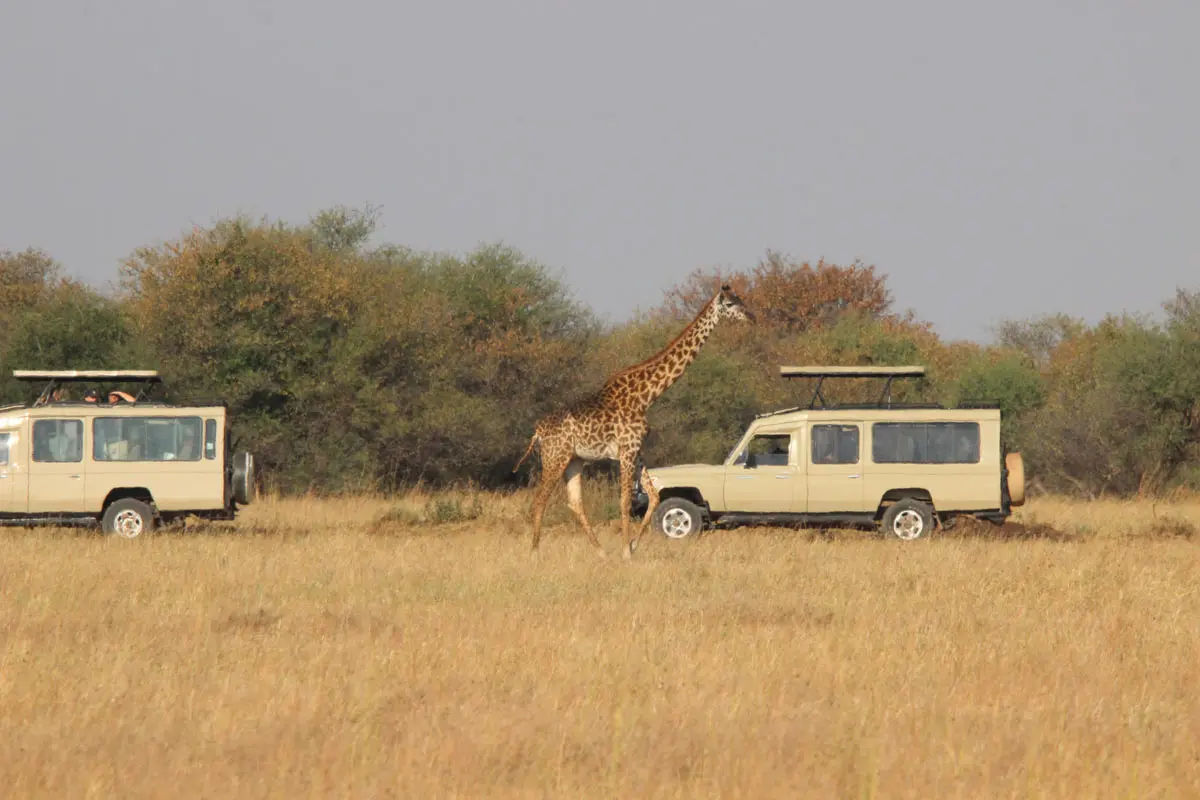
Regular in woodland and river margins, often in small family groups browsing along the tree line.
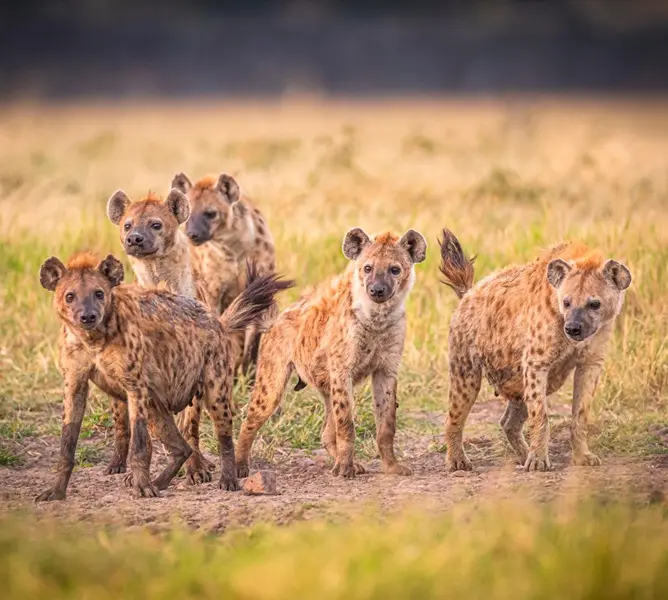
High
Clans capitalize on migration season, both scavenging crossing casualties and hunting weakened stragglers.
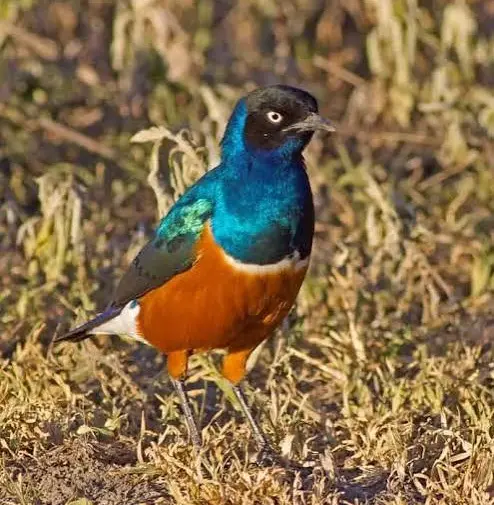
High
Raptors, vultures, and waterbirds thrive along the Mara corridor, with vulture activity often the first visual sign of a completed crossing.
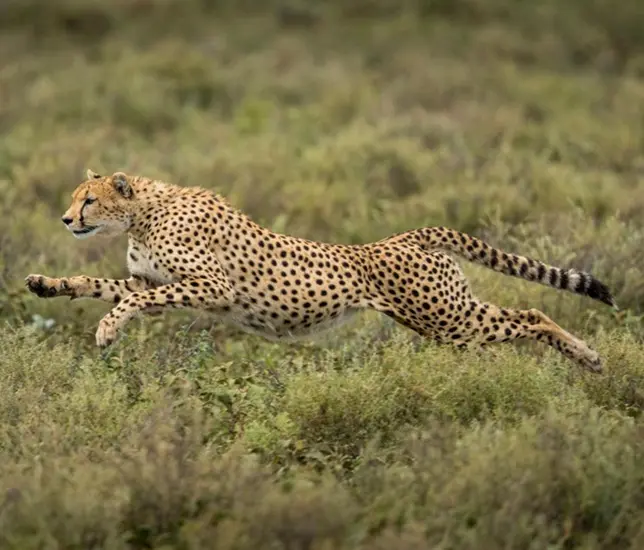
Moderate
Fewer than in the open plains further south, but sightings do occur in the more open grassland sections away from the riverine woodland.
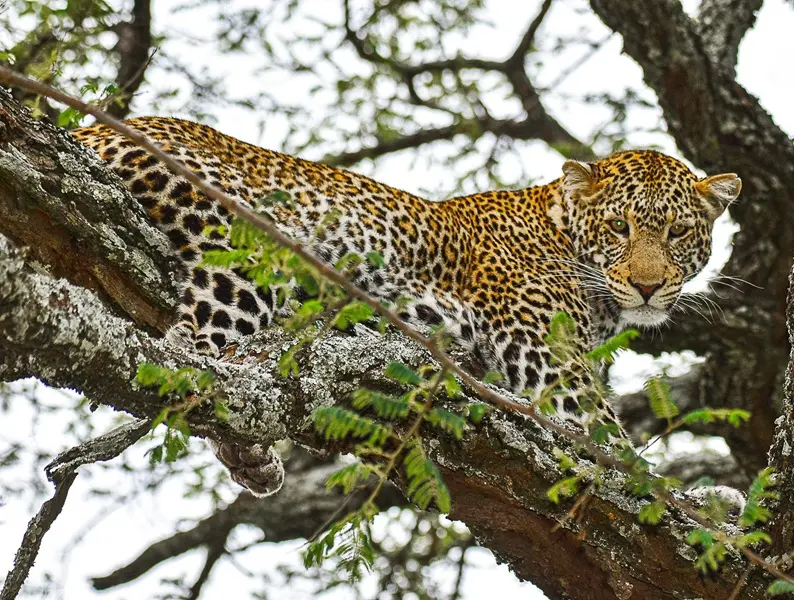
Moderate
The riverine forest and rocky outcrops near the Mara provide good cover for leopards, though sightings require a sharp-eyed guide.
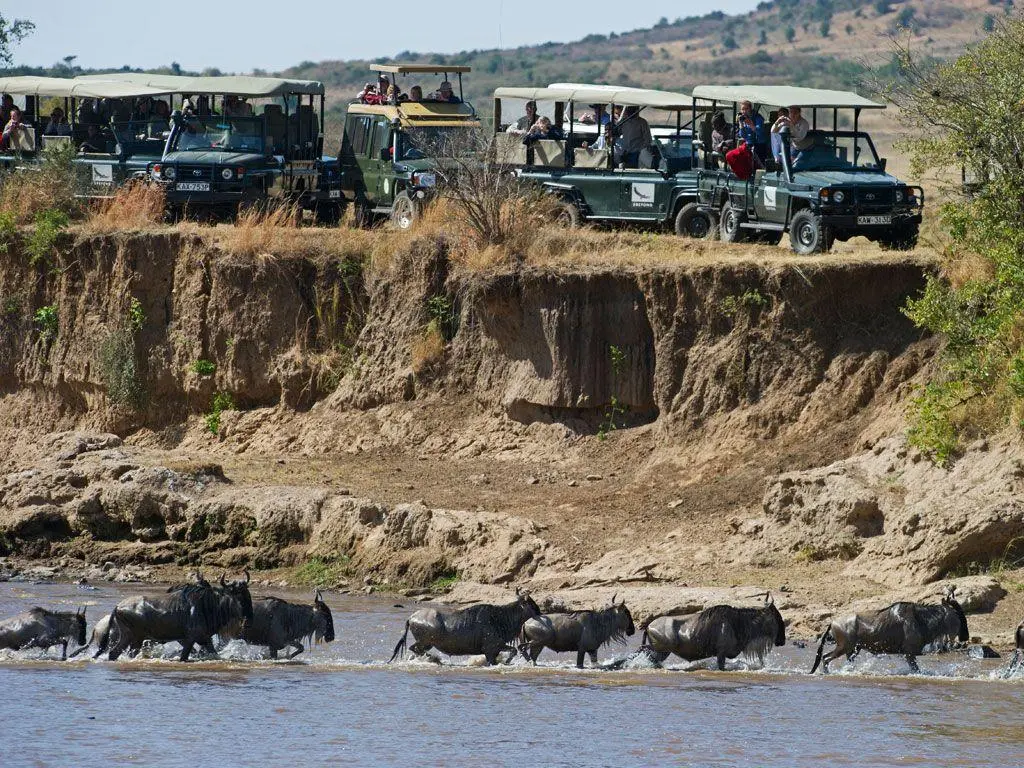
River-crossing stakeouts
Guides position at active crossing points based on herd build-up and wait — sometimes minutes, sometimes hours — reading cues like nervous pacing and vulture activity that signal a crossing is close.
- →Silence phones and keep voices low
- →Do not pressure guides to drive off-road unsafely
- →A patient morning can outperform a rushed loop between multiple points
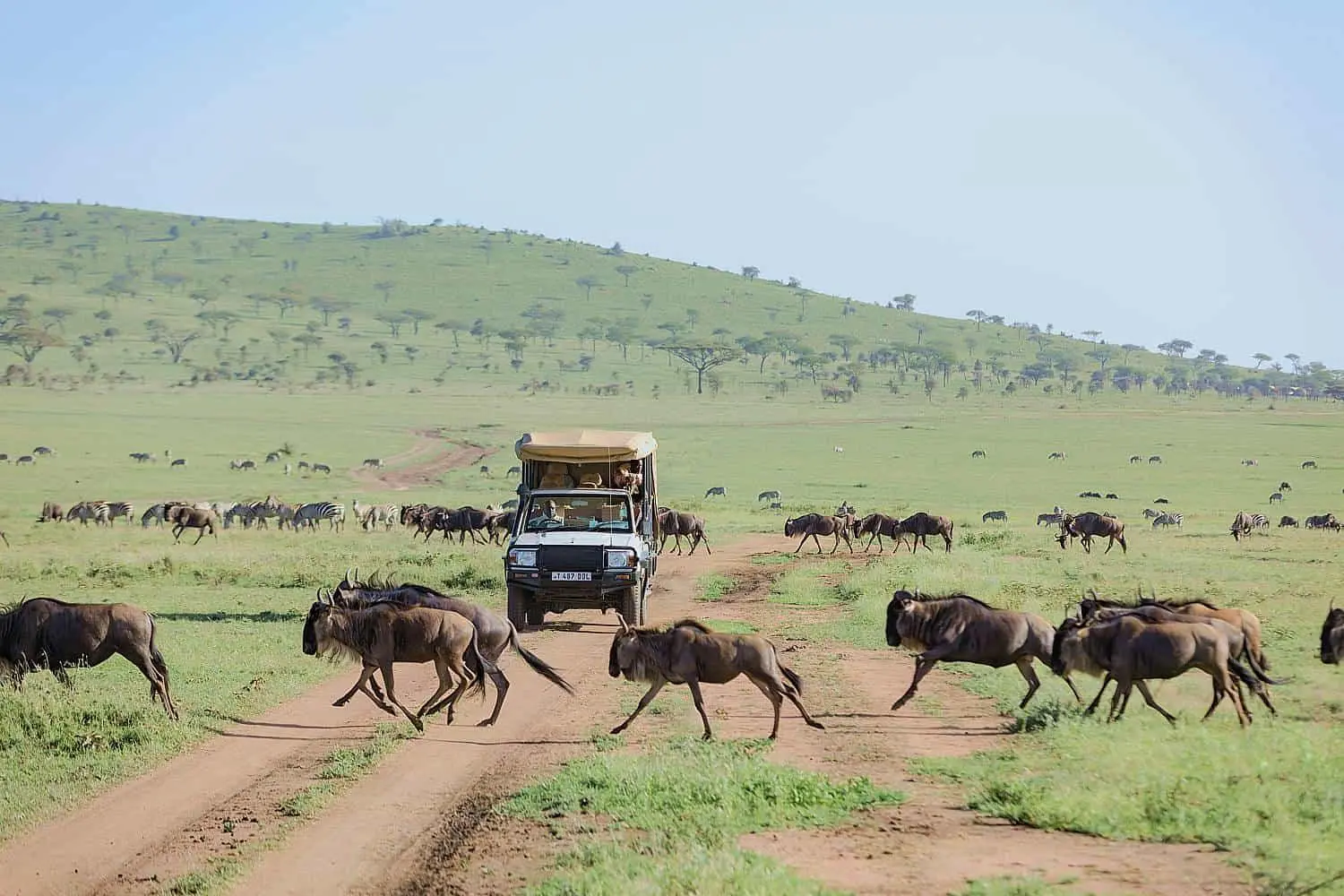
Full-day game drives
Long days with picnic lunches keep you near the herds when action builds late morning, avoiding the wasted time of returning to camp and back out again.
- →Bring layers — cool starts, hot middays
- →Binoculars essential for scanning banks at a distance
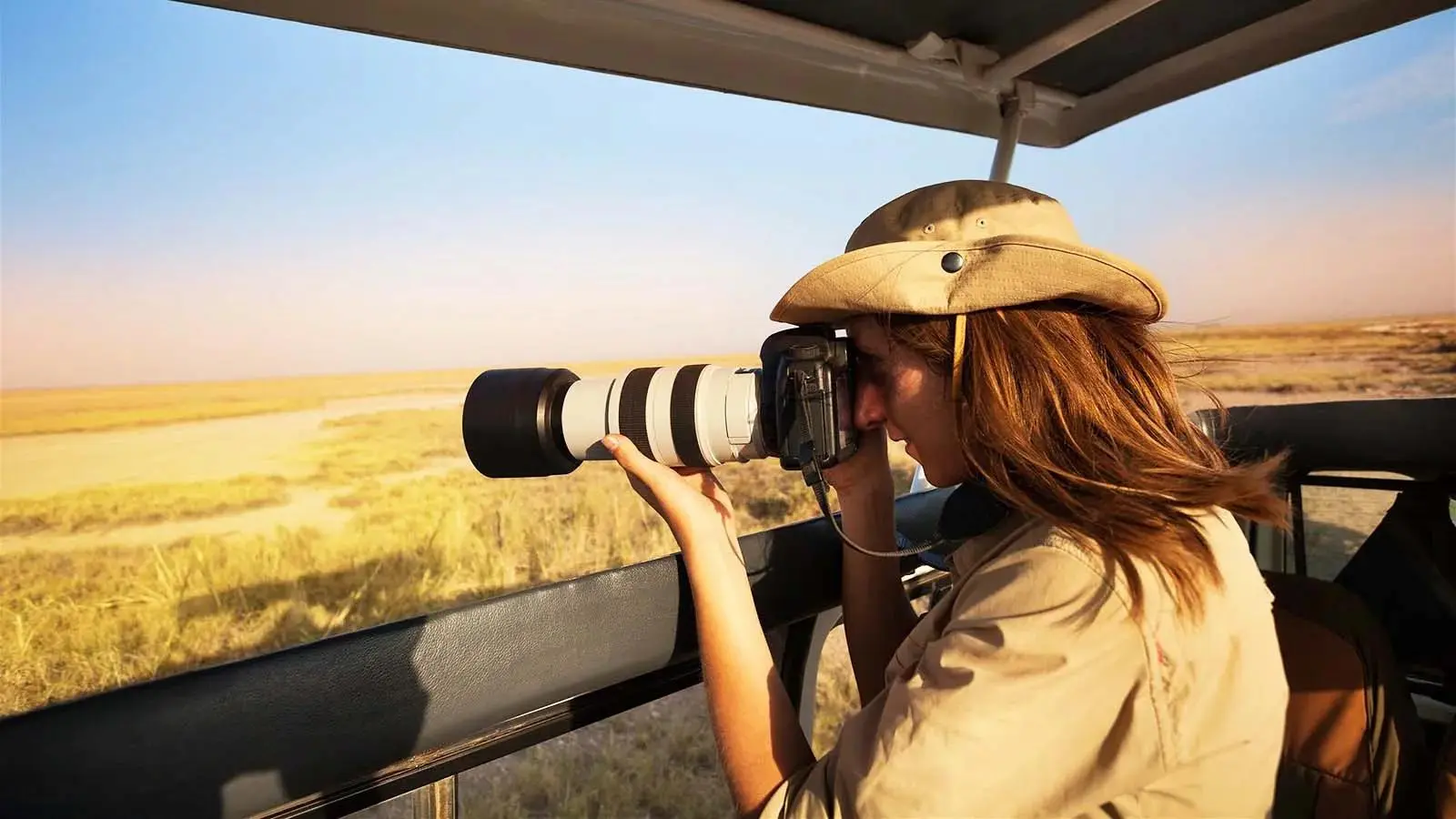
Photography focus
Northern Serengeti is a photographer's theatre — dust, drama, and wide river landscapes that reward both fast action shots and slower, wide environmental portraits of the herds massing.
- →Fast continuous shooting for crossings
- →Protect gear from dust with a rain cover or dry bag
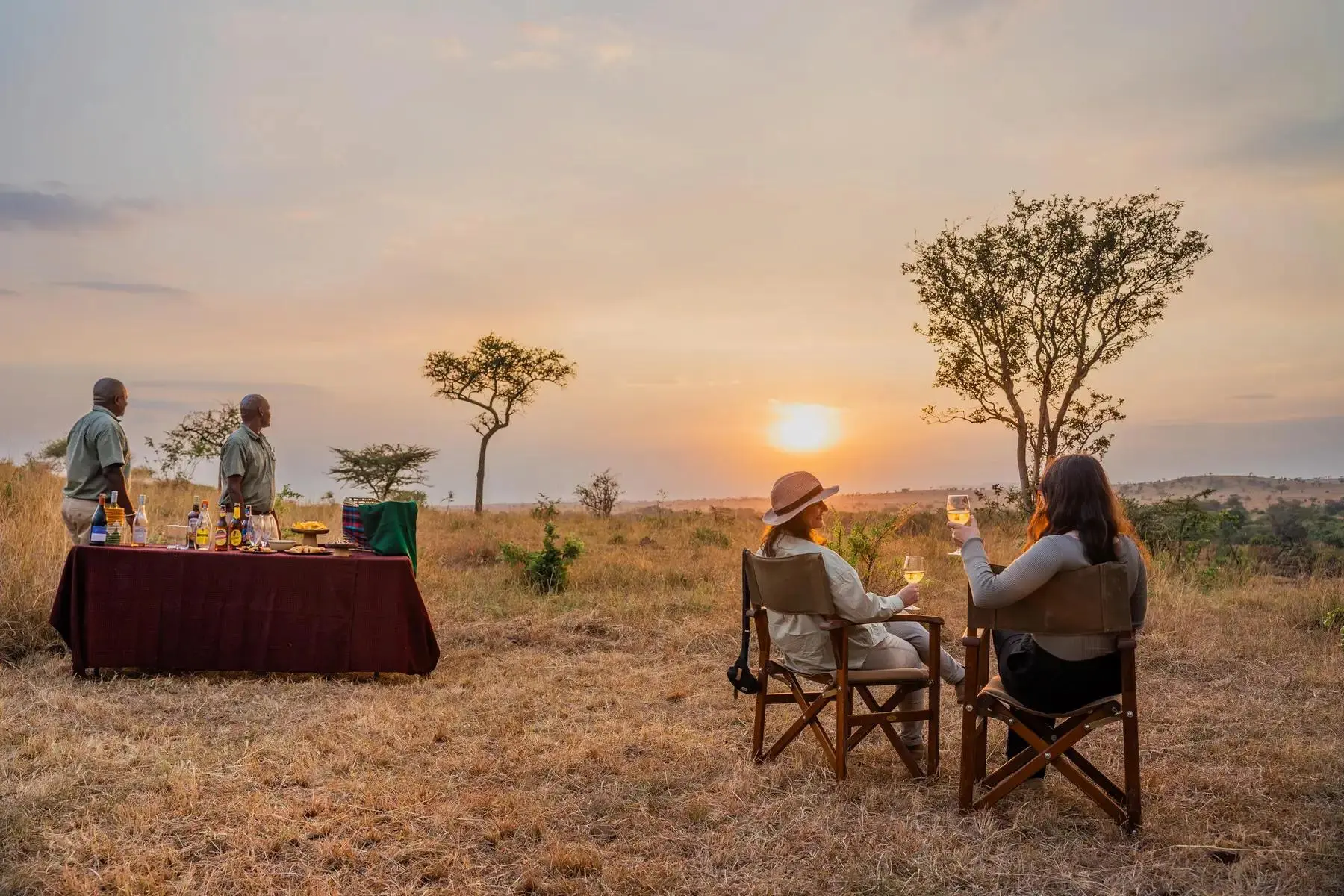
Sundowners over the plains
Many camps offer an evening drink stop overlooking the river valley — a quieter, reflective way to close out a day of high-adrenaline game viewing.
- →Ask your guide about scenic sundowner spots near camp
- →Bring a light jacket — temperatures drop quickly after sunset
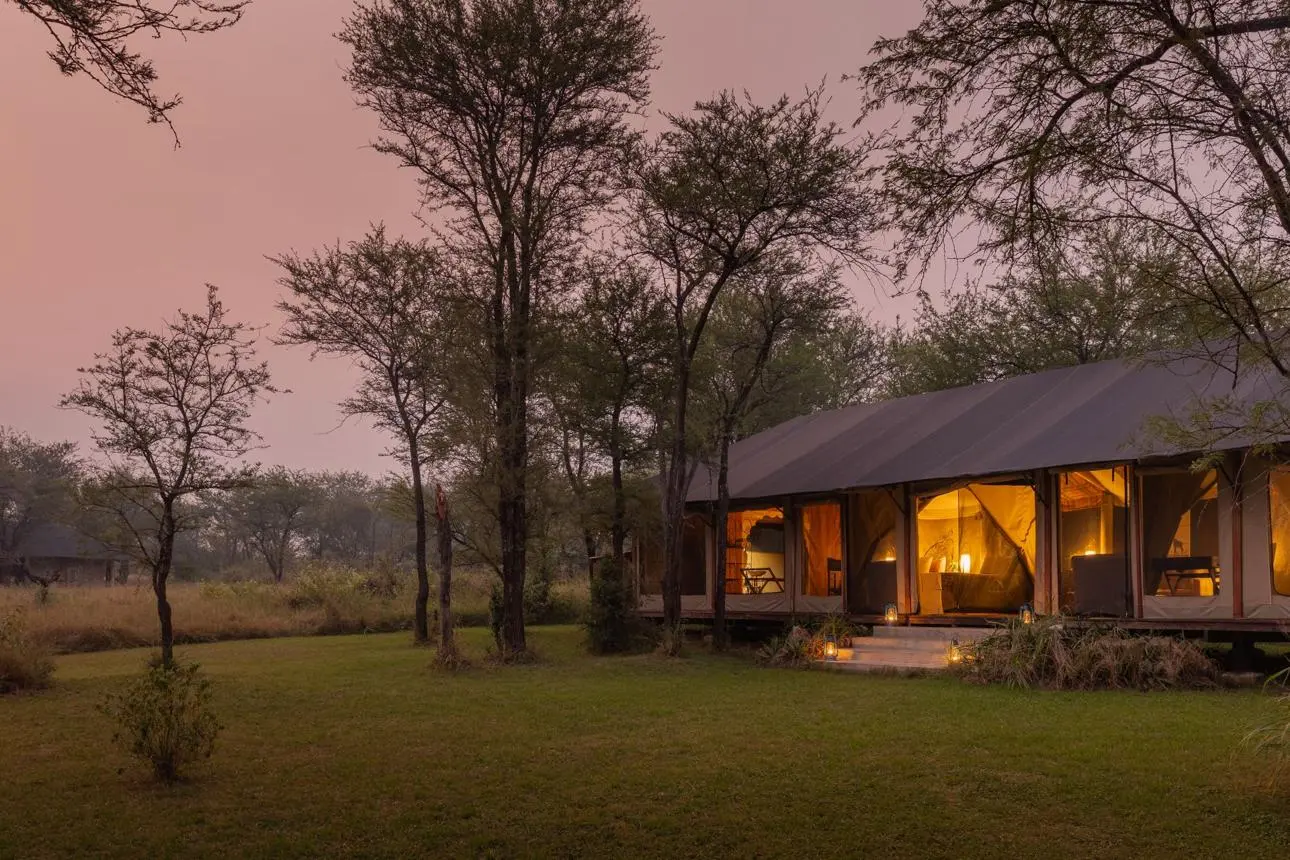
Lamai / Kogatende tented camps
Seasonal camps overlooking the Mara with exclusive atmospheres and migration positioning.
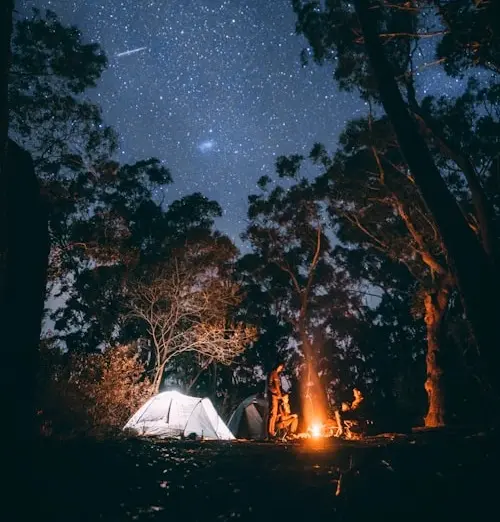
Seasonal mobile camps
Follows the herds with lighter footprints — excellent when fixed camps are full.
Airstrip-linked stays
Short transfers from Kogatende / other northern strips maximize time on game drives.
Booking tip: Northern camps sell out for July–September. Reserve early if crossings are your main reason to visit Tanzania.
Fly-in is strongly recommended. Road transfers from Arusha can take 8+ hours over rough tracks and eat into precious crossing days. Light aircraft to Kogatende or nearby strips is the practical standard, typically taking under an hour.
Many itineraries fly Arusha → North Serengeti for 3–4 nights, then fly or drive to Central Serengeti or Ngorongoro Crater for the rest of the safari — a routing that avoids doubling back over the same long road twice.
It's also possible to combine a northern Serengeti stay with a short hop across the border into Kenya's Masai Mara for travellers who want both sides of the same ecosystem, though this requires additional visa and logistics planning that we can help coordinate.
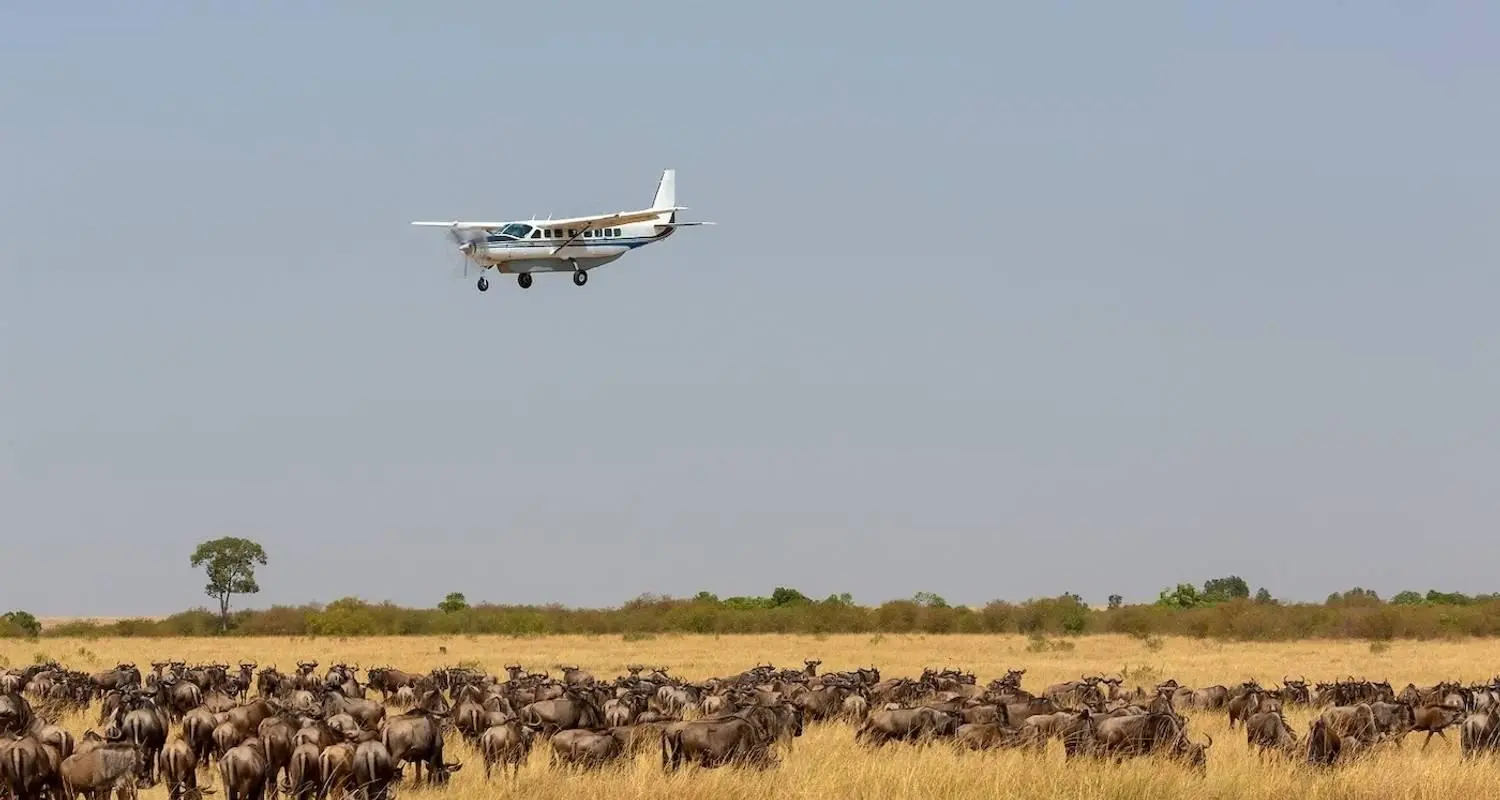
- Airstrips: Kogatende / Lamai area strips serve peak camps.
- Luggage: Soft bags only on bush flights — confirm weight limits.
- Connections: Build buffer time around weather delays in peak season.
1–2 nights
Too short for crossing odds — easy to miss the river action entirely.
3–4 nights
Best balance of patience at the river and overall safari flow.
5 nights
More chances at multiple crossings and better light conditions.
Ready for Northern Serengeti?
Share your dates and priorities — migration, Big Five, photography, or camp style — and we’ll design a zone-matched Serengeti safari.