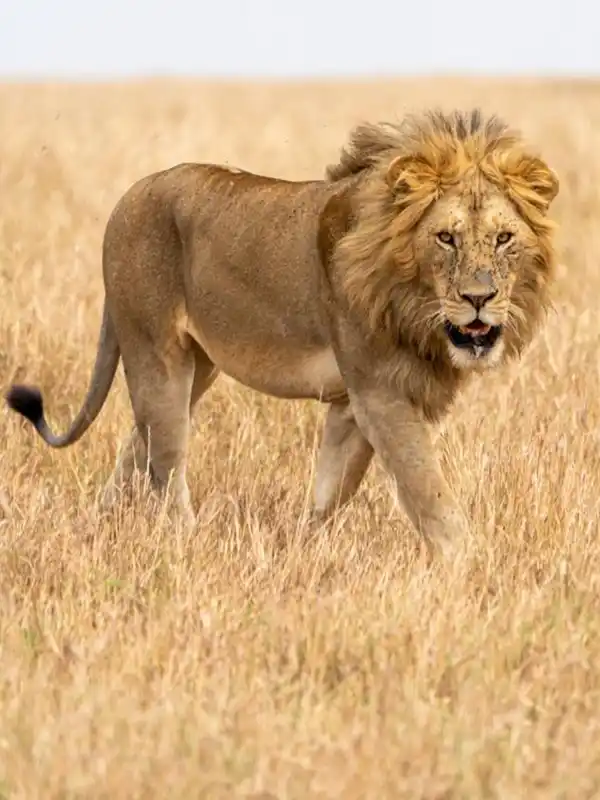
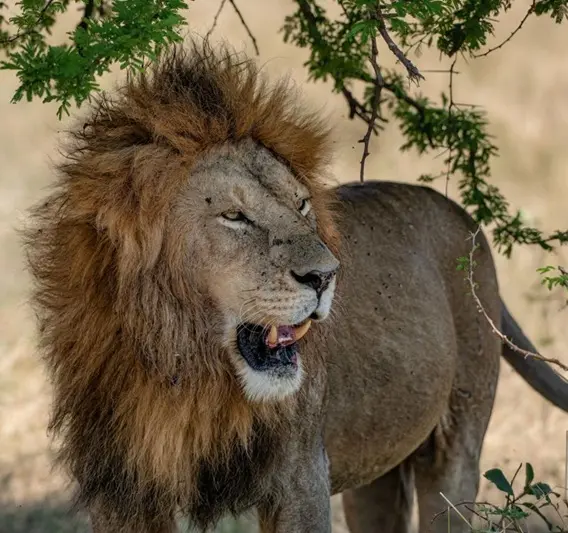
Lion
Very HighSeronera / Kopjes· Year-round
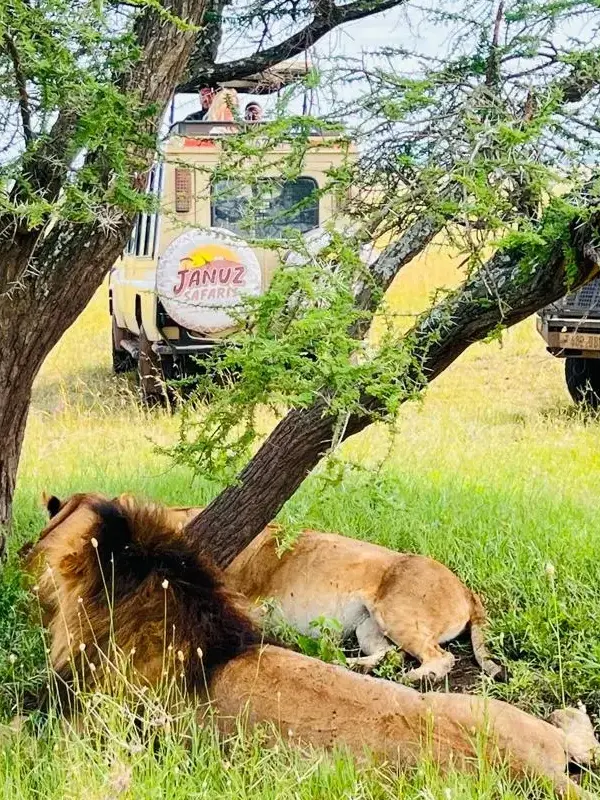
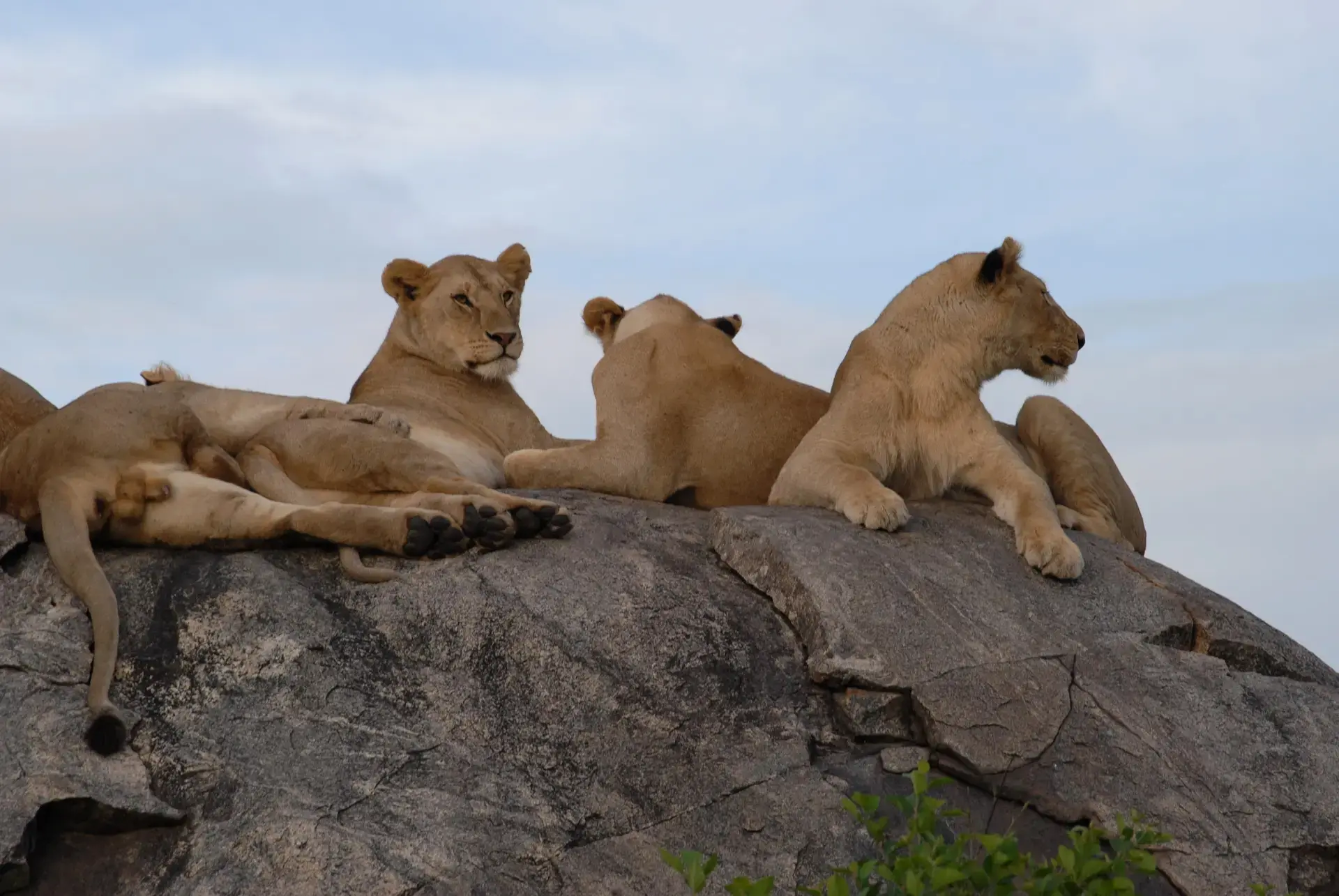
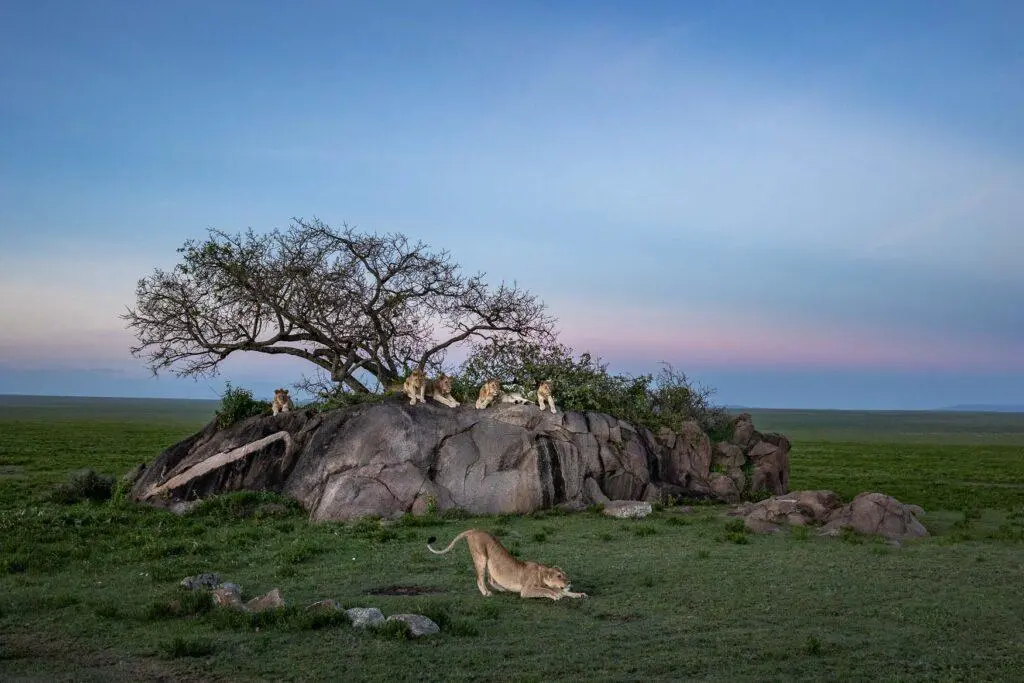
Resident prides at Seronera number among the best-studied lion populations in Africa; males rest on kopjes (rocky outcrops) during the heat of the day and are usually easy to approach
The complete guide to one of the world's most iconic wildlife sanctuaries — zones, migration calendar, wildlife, game drive tips, popular camps, and what to expect on your first visit.
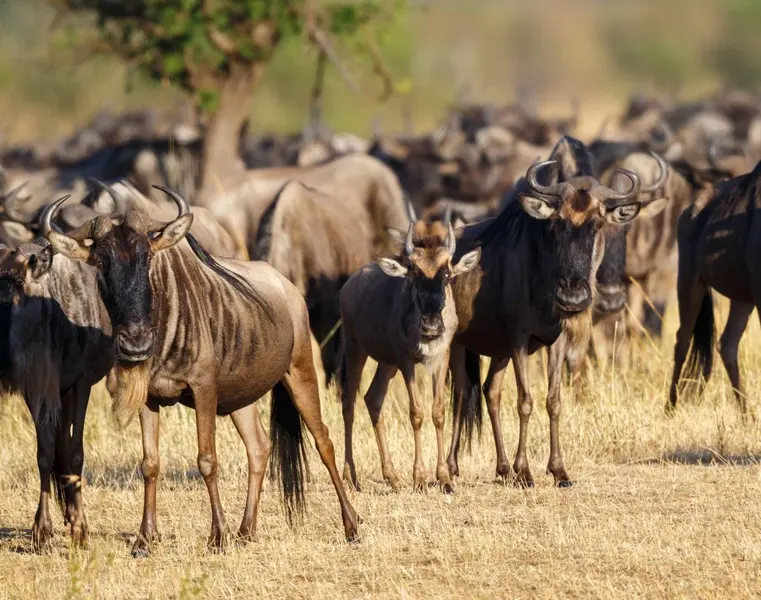
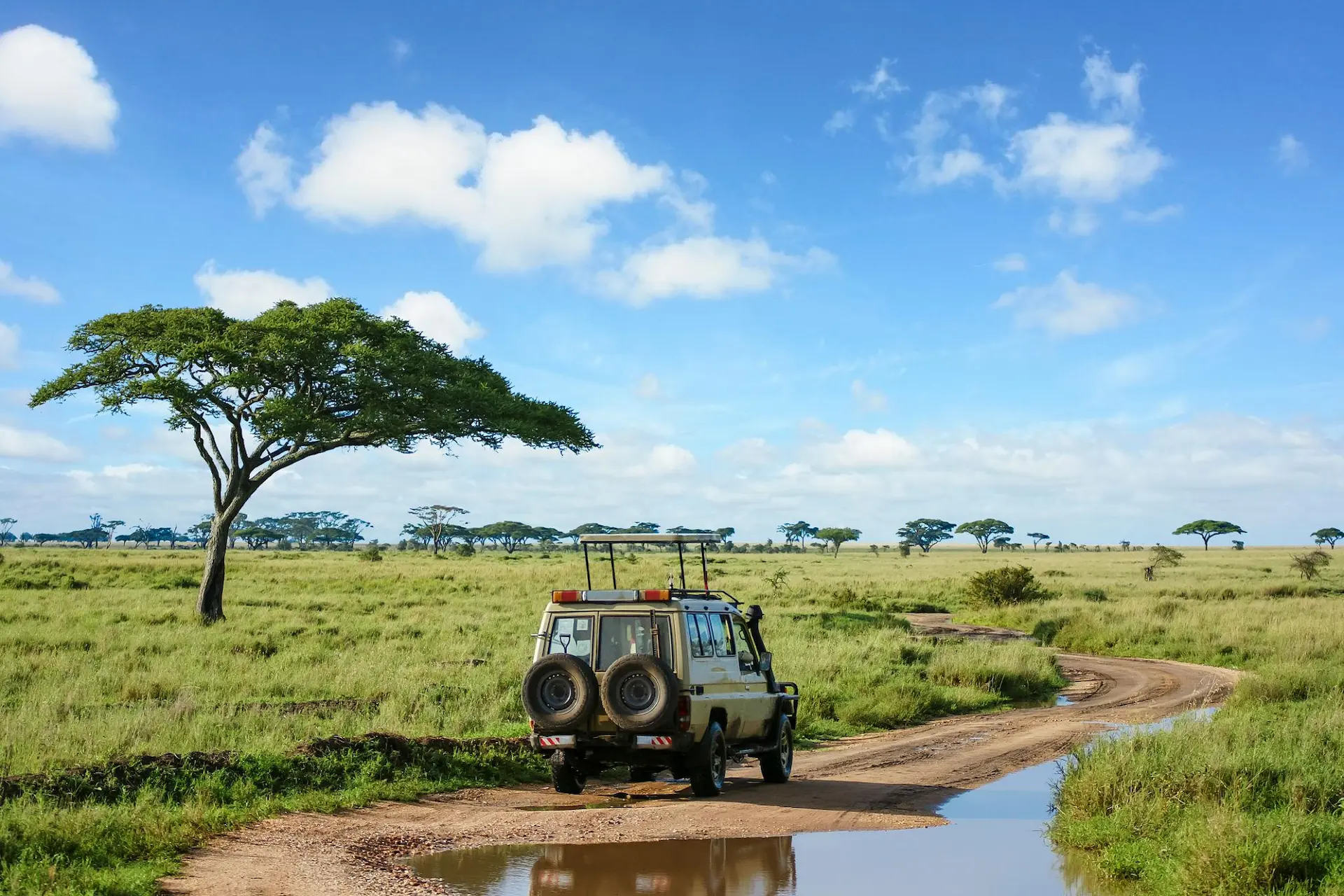
The Serengeti National Park in northern Tanzania is one of Africa's most extraordinary wildlife sanctuaries and the stage for the world's greatest wildlife spectacle — the Great Migration. Covering 14,763 km² of open savanna, woodland, riverine forest, and granite kopjes, it supports vast herds of wildebeest, zebra, and gazelle — along with the predators that follow them.
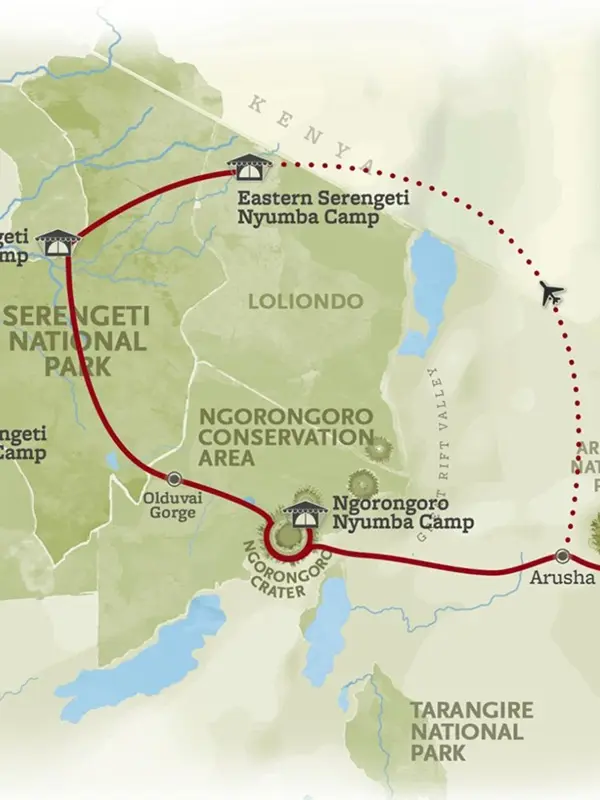
The name comes from the Maasai word Siringet, meaning "the land that runs on forever." Gazetted as a national park in 1951 and declared a UNESCO World Heritage Site in 1981, the Serengeti forms the core of a 30,000 km² transboundary ecosystem that continues north into Kenya's Masai Mara. Together with the neighbouring Ngorongoro Conservation Area, it makes up Tanzania's Northern Circuit — the most-visited safari region in East Africa.
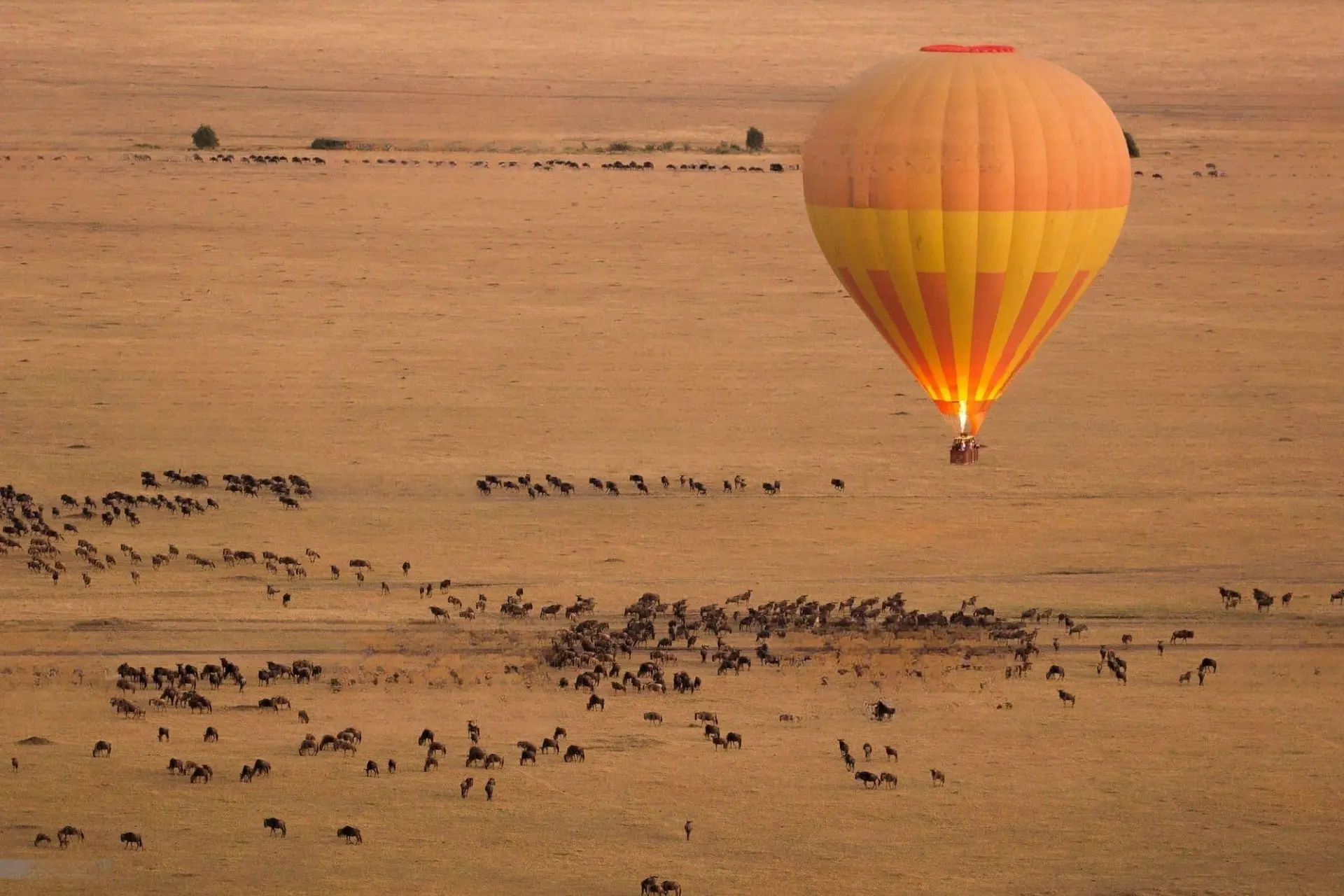
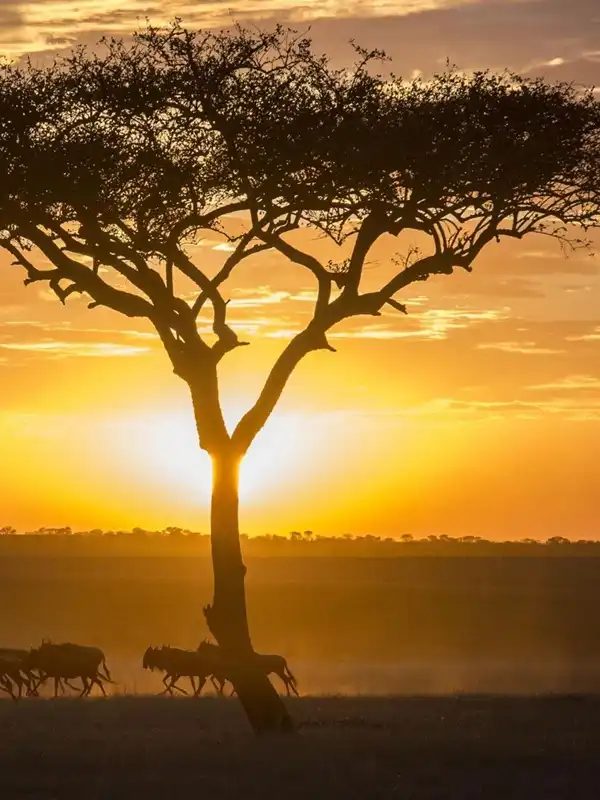
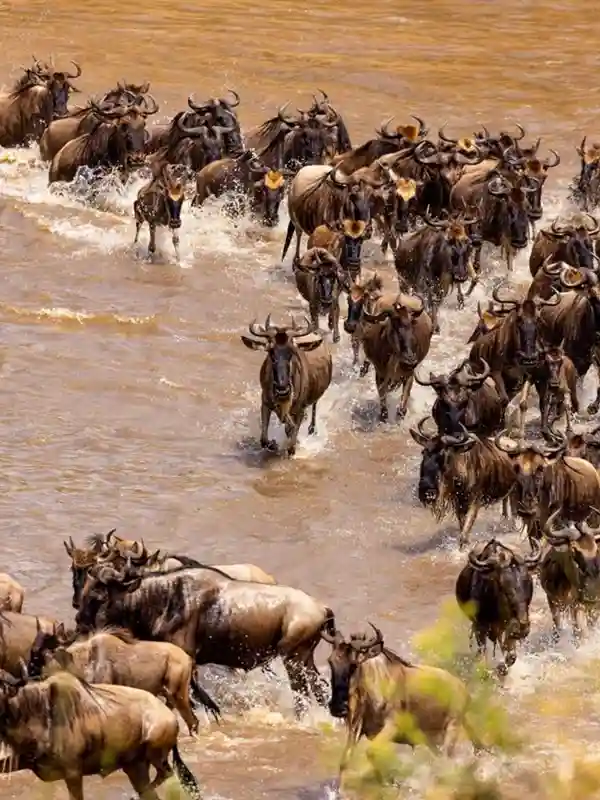
The Serengeti is accessible year-round, but the experience changes dramatically by season — from wildebeest crossing the Mara River in July to calving season in January, when predators gather across the southern plains. Beyond the migration, it supports an estimated 4,000+ lions, healthy leopard and cheetah populations, and over 500 recorded bird species, which is why it remains the benchmark against which every other safari destination is measured.
First visit? Don't worry about choosing the "perfect" month — every month in the Serengeti delivers incredible wildlife. The key is choosing the right zone for the right time. Our guide helps you do exactly that.
The Serengeti is divided into distinct zones — each with its own character, wildlife density, camp infrastructure, and peak season. Knowing the zones, rather than just picking a travel month, is the single most important factor in how good your safari turns out to be. Most itineraries combine two zones rather than trying to see all four in one trip.
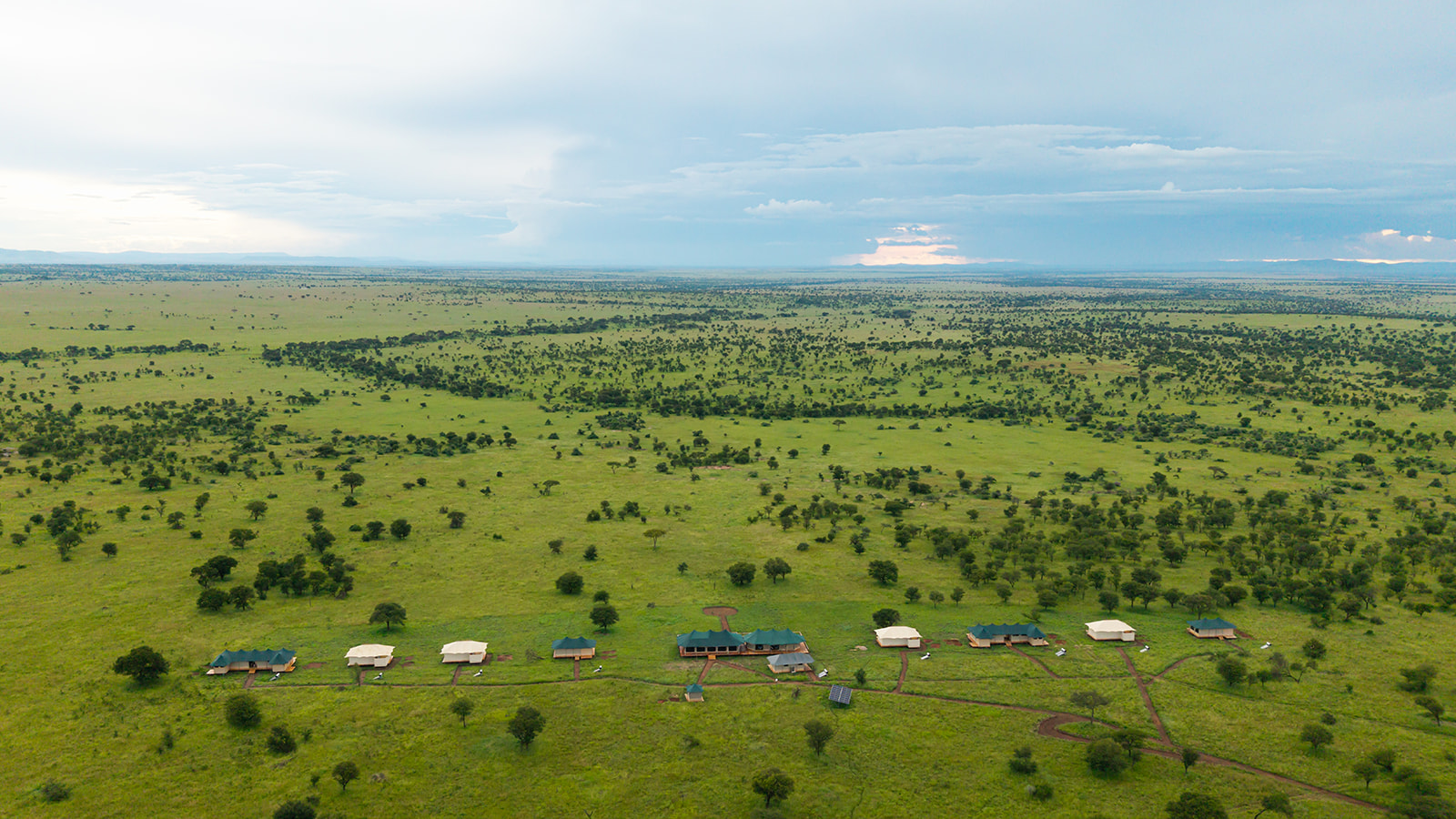
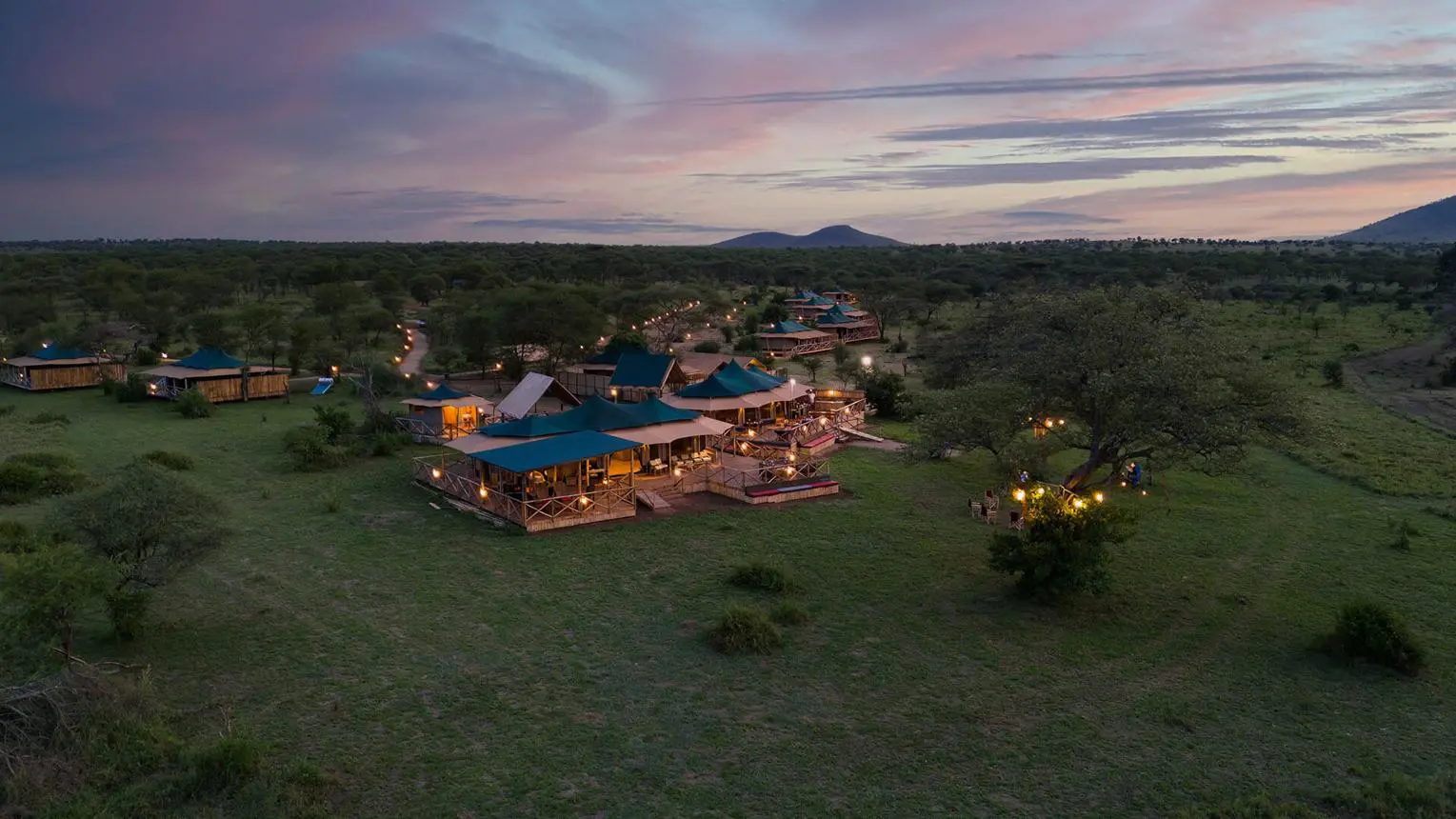
The heart of the park and the easiest to access. Home to the Seronera River, which attracts enormous concentrations of animals year-round — lions, leopards, hippos, crocodiles, and more. The most-photographed zone for good reason: resident prides of lions are habituated and frequently seen, and the density of predators here rivals almost anywhere else on the continent. Seronera is the park's main hub with the widest range of camps and lodges, an airstrip with multiple daily flights, and reliable road access from both Ngorongoro and the western gate — making it the natural first stop for most first-time visitors and a dependable choice no matter which month you travel.
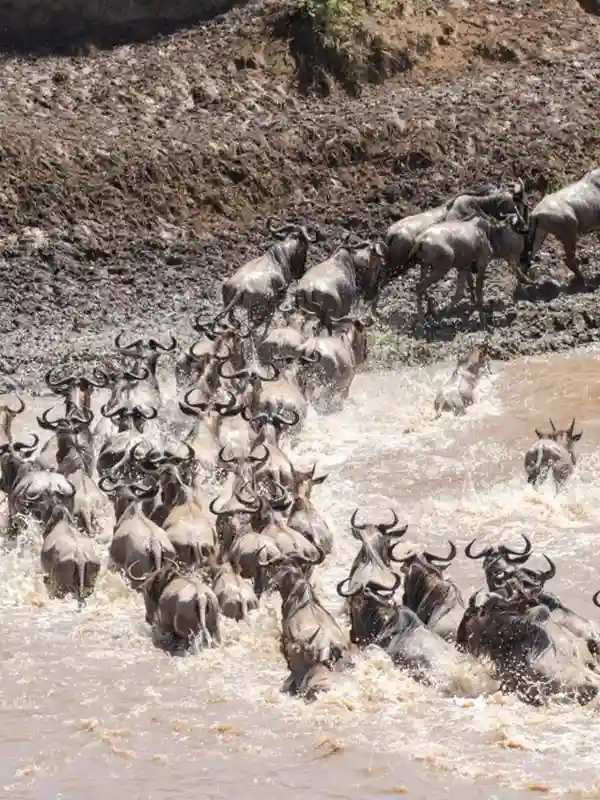
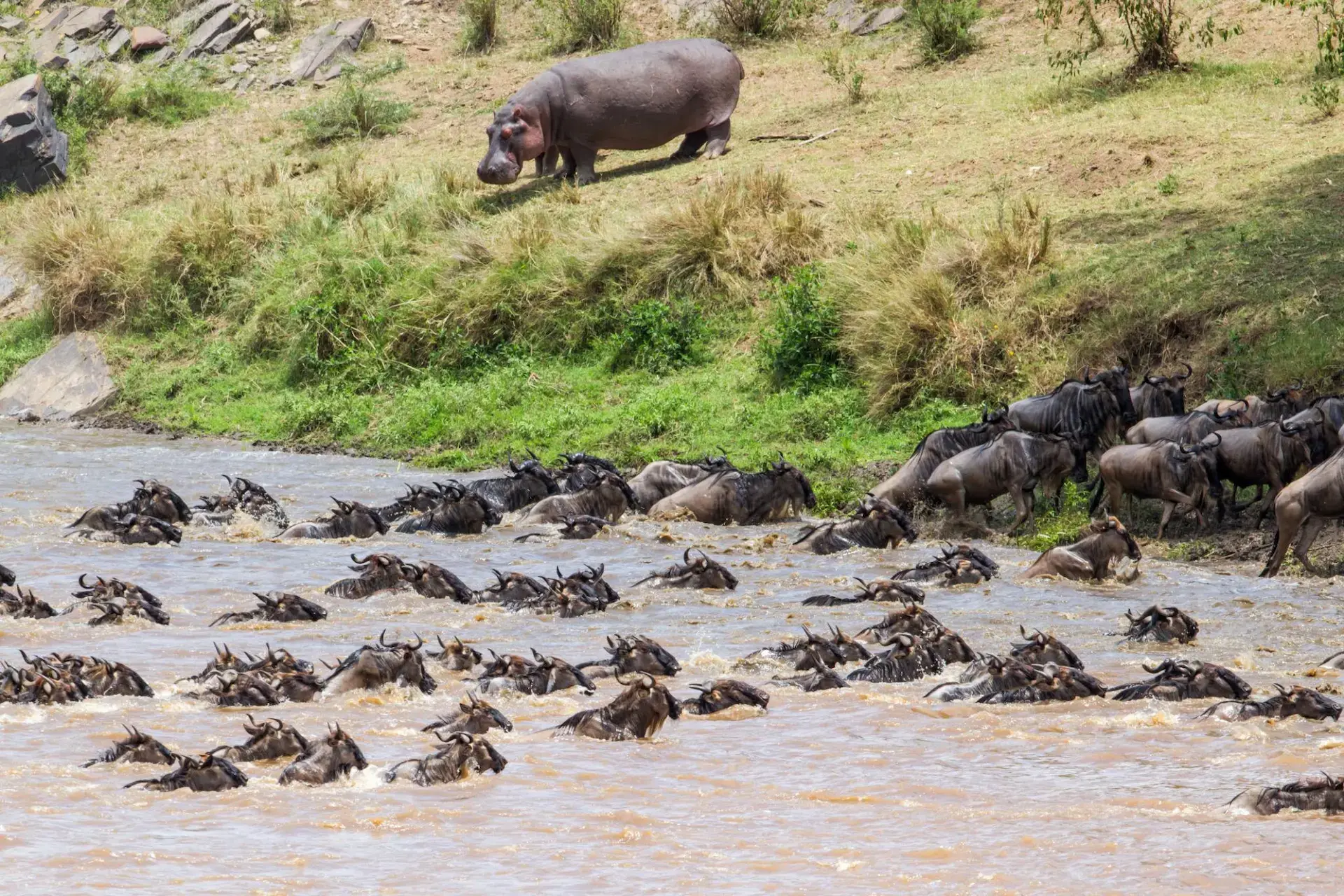
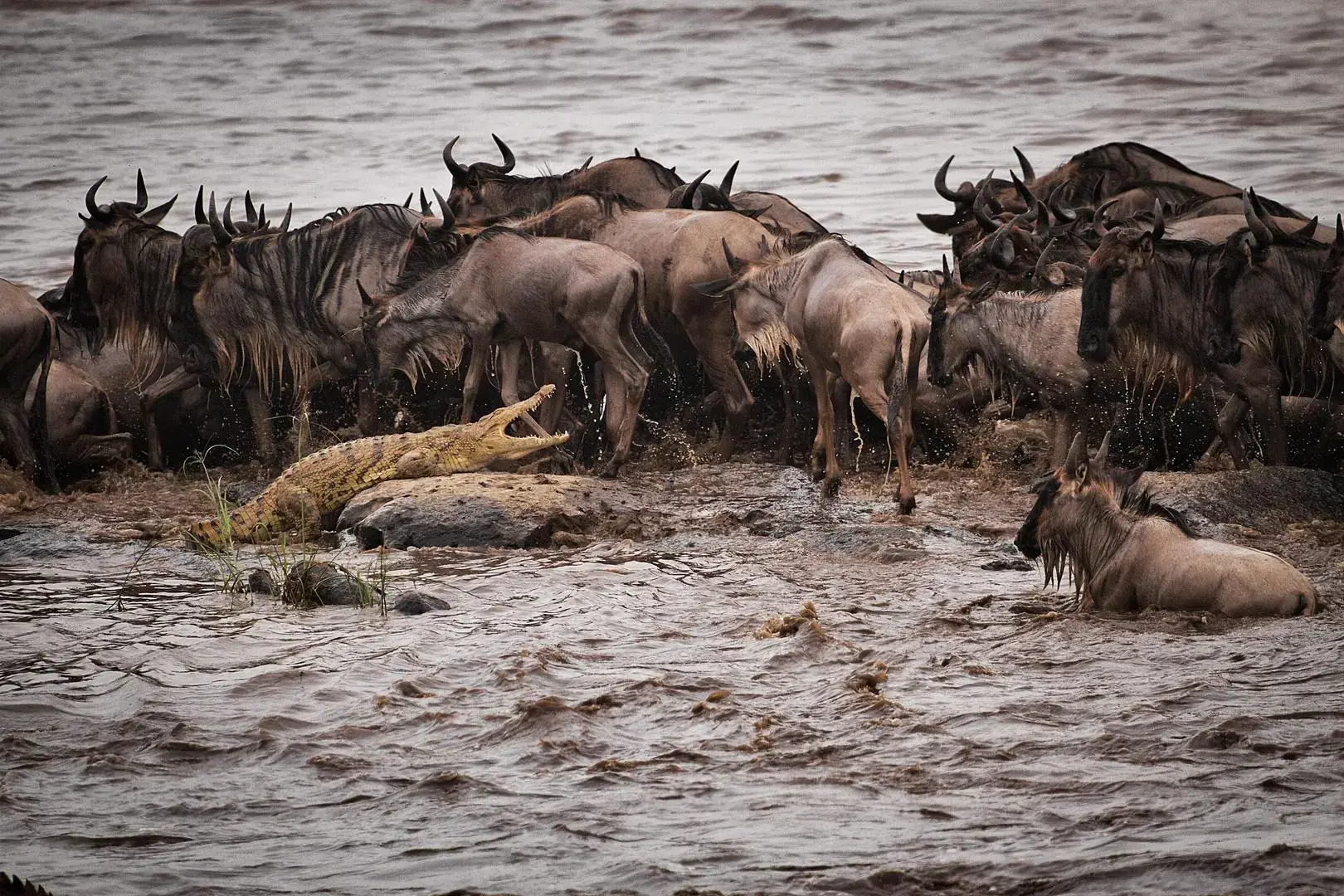
The most remote and dramatic zone — site of the legendary Mara River crossings from July to October. Vast herds of wildebeest and zebra funnel into the river at narrow crossing points, where enormous Nile crocodiles lie in ambush. Split between the Lamai Wedge on the Kenyan-border side and the Kogatende area further south, this region has far fewer vehicles than Seronera and a profoundly wild, open atmosphere — some camps here see fewer than a handful of other vehicles at a crossing site, compared to dozens at the equivalent spot in Kenya's Masai Mara. Fly-in is strongly recommended: the road transfer from Arusha or Seronera is 6–8+ hours on rough tracks, while a scheduled bush flight takes under an hour.
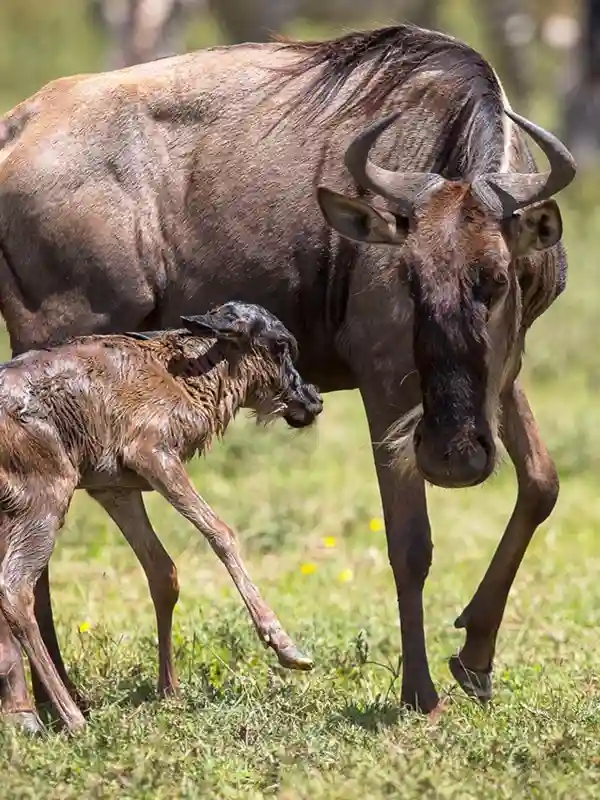
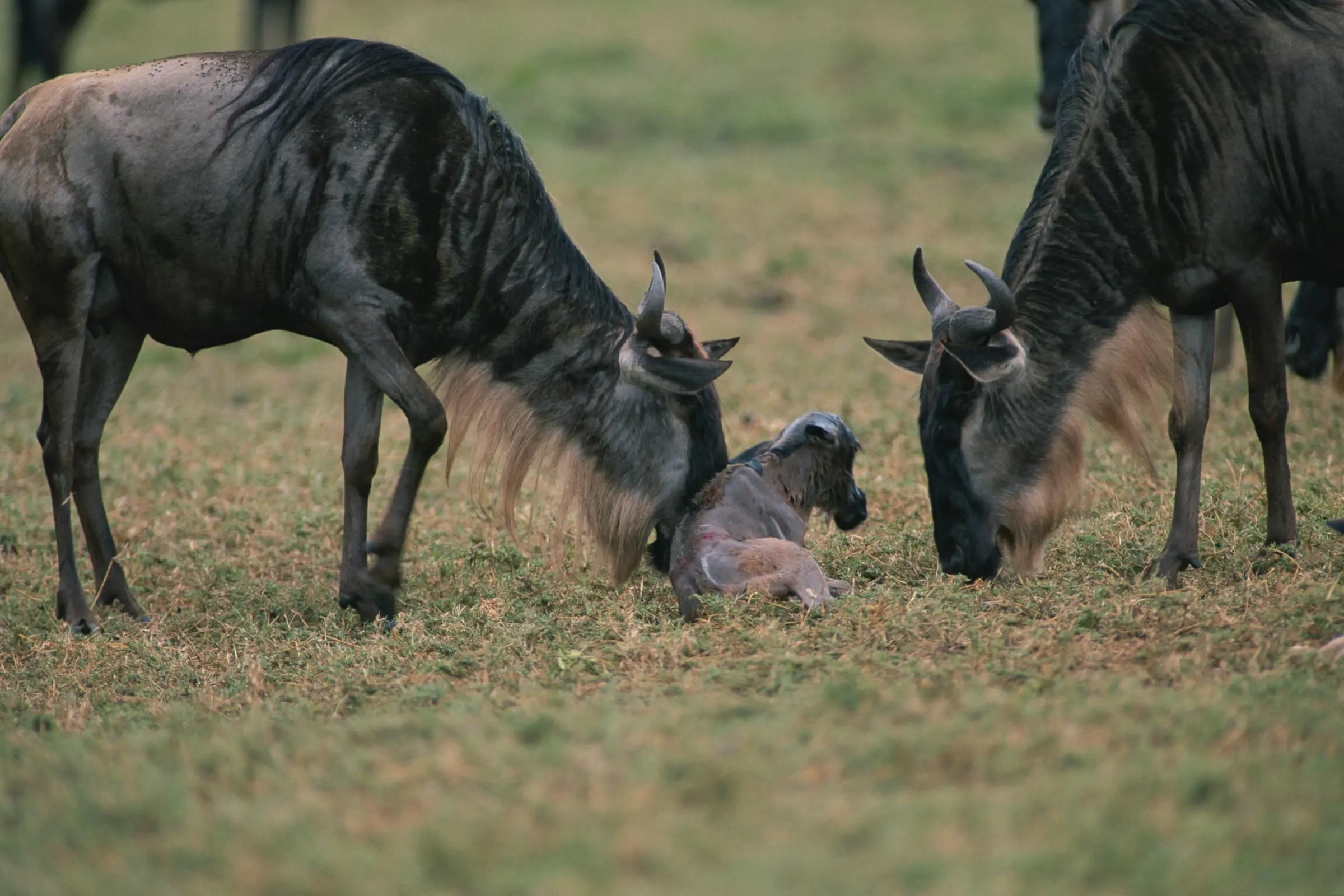
The calving zone. From December to March, short-grass plains around Lake Ndutu become the birthing grounds for over a million wildebeest and zebra. Up to 8,000 calves are born daily in January and February, attracting lions, cheetahs, hyenas, jackals, and wild dogs in extraordinary numbers — this is consistently rated the best predator-action window of the entire Serengeti calendar. Ndutu sits technically just outside the national park in the Ngorongoro Conservation Area, which means the permit rules differ slightly from the main park, and — uniquely for this ecosystem — some camps here offer genuine walking safaris and night game drives, both prohibited inside the national park itself.
A narrow strip of woodland and riverine forest along the Grumeti River, traversed by the migration from May to July. The Grumeti River hosts giant resident crocodiles — some of the largest recorded in the entire ecosystem — and the corridor provides some of the park's most dramatic and lesser-visited river crossing experiences, typically six to eight weeks earlier in the season than the famous Mara crossings and with a fraction of the vehicle traffic. The tsetse fly population is higher here than elsewhere in the park, so long trousers and neutral-coloured clothing are worth packing. Excellent for elephant, buffalo, topi, and some of the best riverine-forest birding in the Serengeti.
Be in the right zone at the right time — that is the Serengeti.
Seronera / Kopjes· Year-round
Resident prides at Seronera number among the best-studied lion populations in Africa; males rest on kopjes (rocky outcrops) during the heat of the day and are usually easy to approach
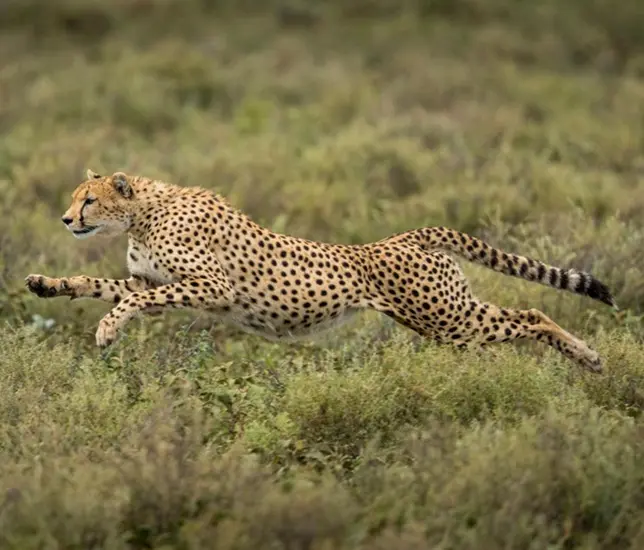
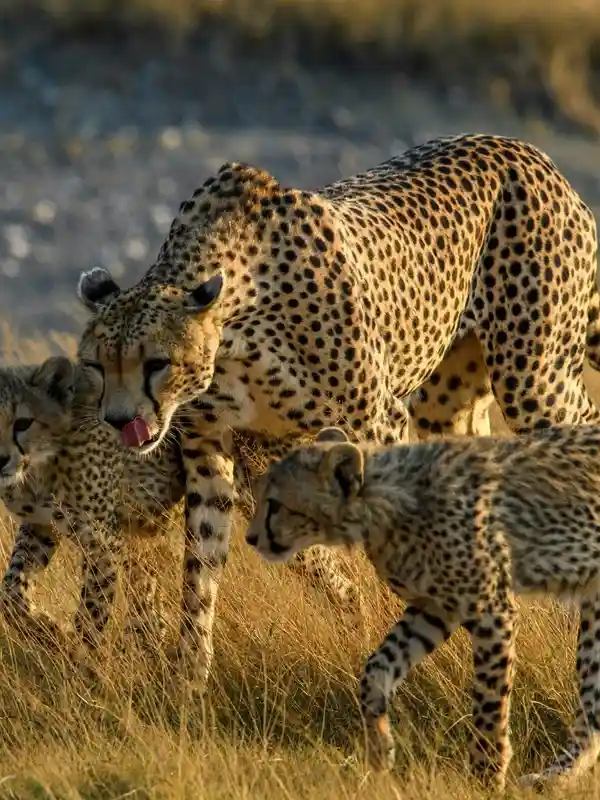
Southern Plains· Dec – Mar
Open plains near Ndutu give cheetahs the sightlines they need to hunt at speed; scan elevated termite mounds from a distance, since that's where they perch to survey territory
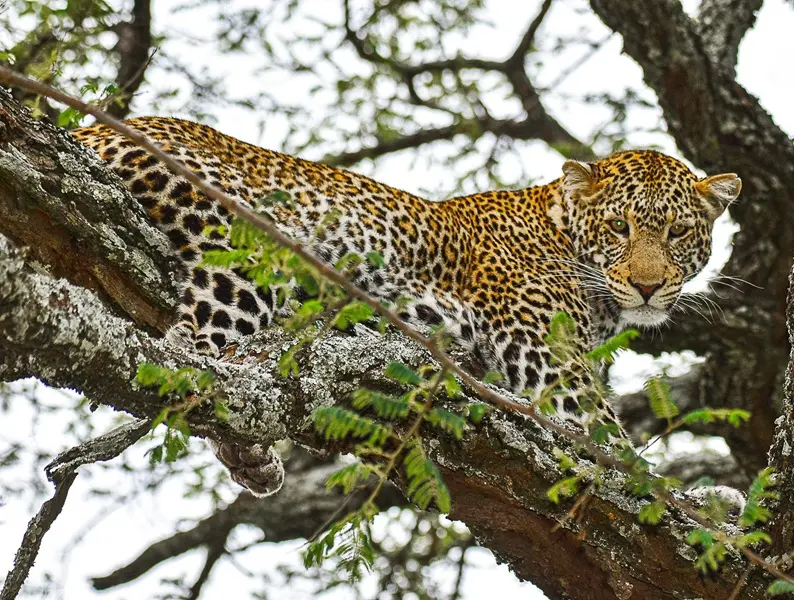
Seronera River· Year-round
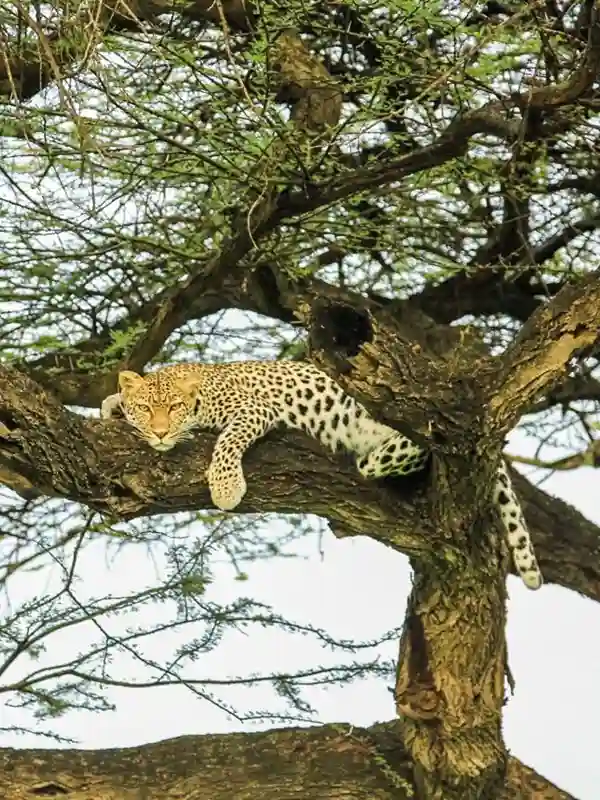
Scan the branches of sausage trees and fig trees along the riverine forest — leopards drag kills up into the canopy to keep them away from lions and hyenas, so a dangling carcass is often the first clue
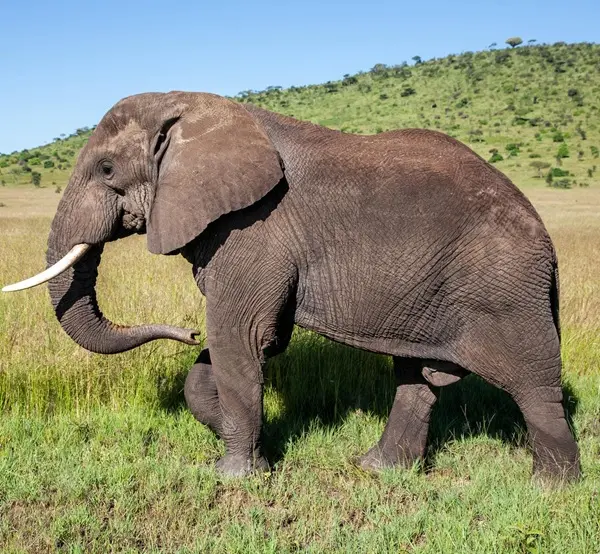
Western Corridor· May – Jul
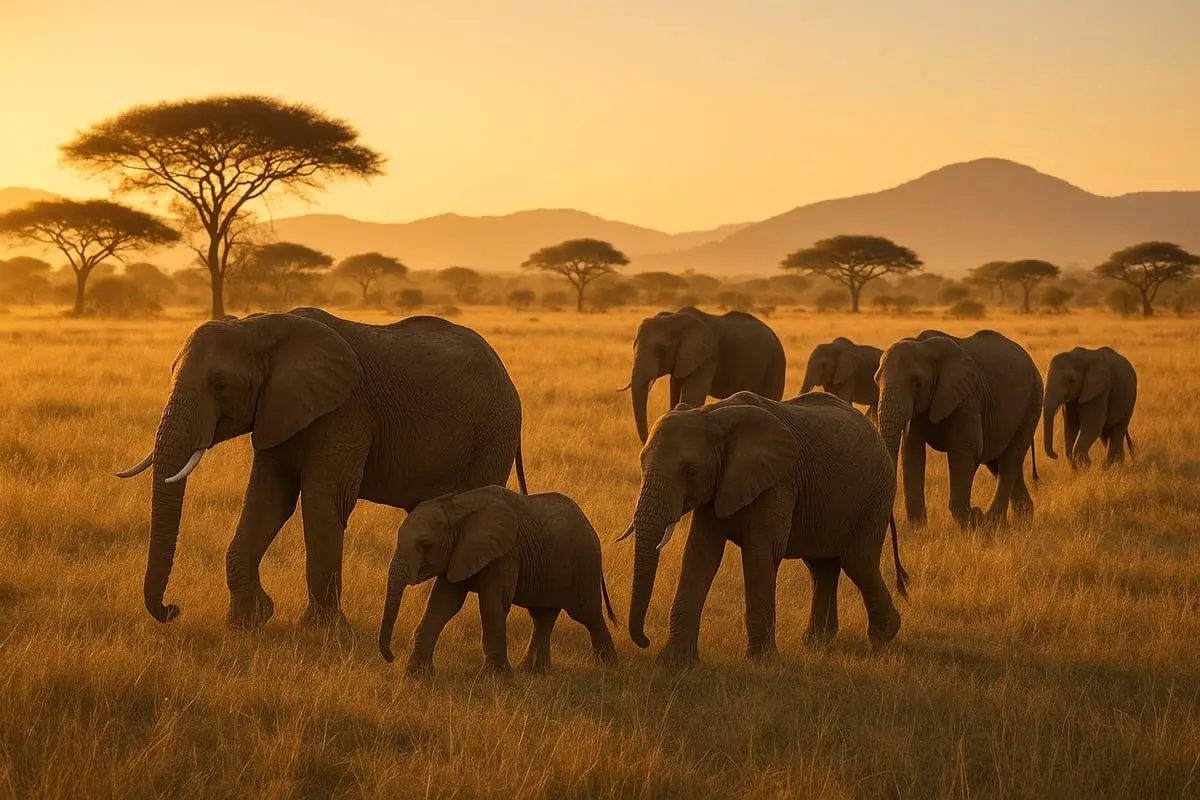
Large herds gather in the western woodlands and along the Seronera River, often visible crossing open ground in long, unhurried lines at dawn and dusk
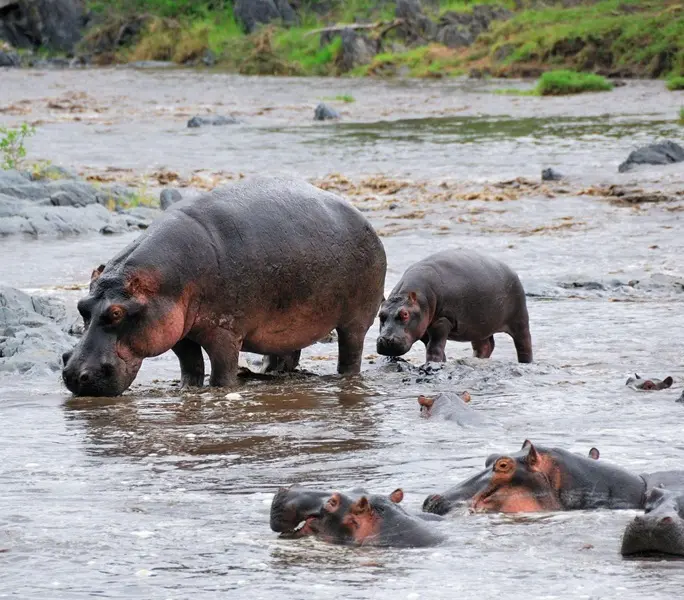
Seronera Pools· Year-round
Hippo pools along the Seronera River hold dozens of animals at once and are easily spotted from viewpoints; early morning is best, before the heat sends them fully underwater
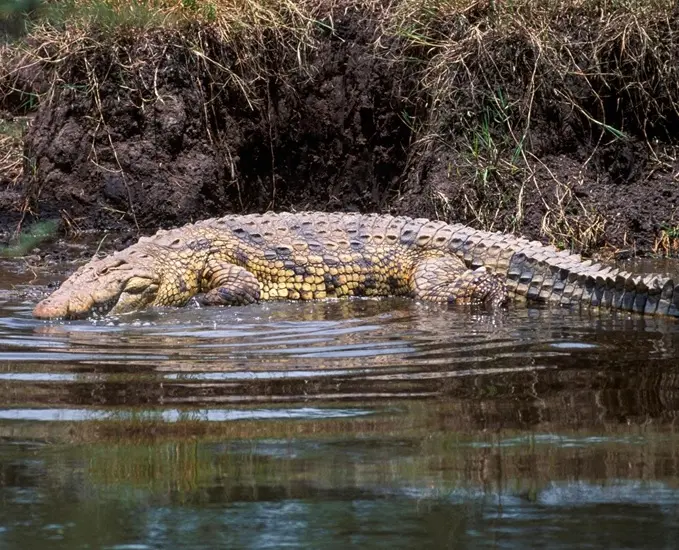
Mara / Grumeti· Jun – Oct
Giant resident crocodiles, some over 5 metres long and decades old, wait at known crossing points — impressive to watch even outside crossing season, basking on riverbanks in full view
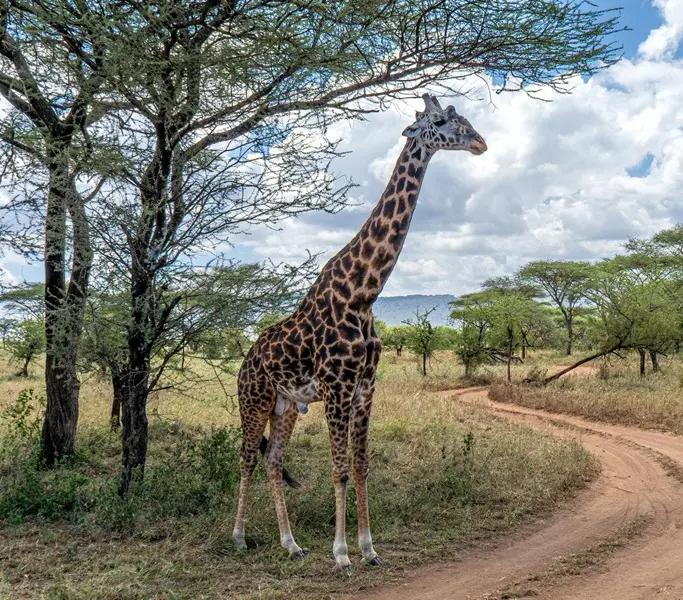
Seronera Woodlands· Year-round
Reticulated giraffes are abundant in acacia woodland throughout the central zone, often seen browsing at eye level with an open-sided vehicle roof
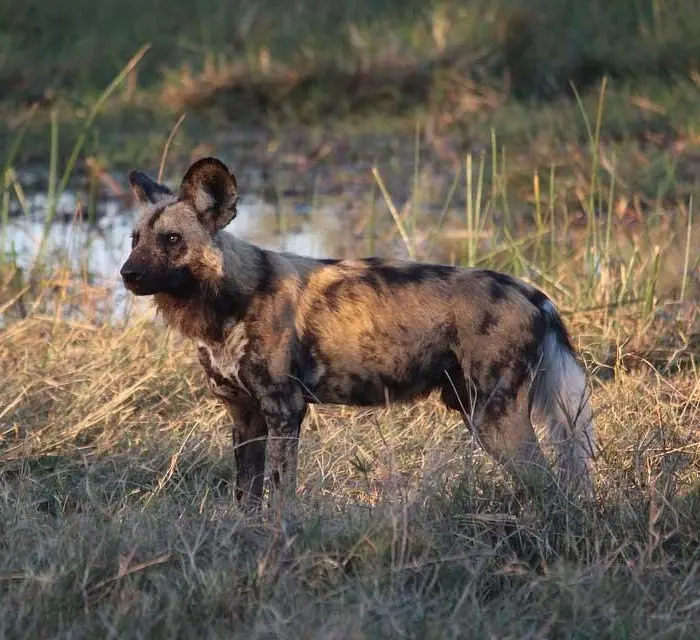
Southern Serengeti· Dec – Apr
Tanzania holds a small but slowly growing wild dog population; denning season January–March, when packs stay close to a fixed den site, gives the best chance of a sighting
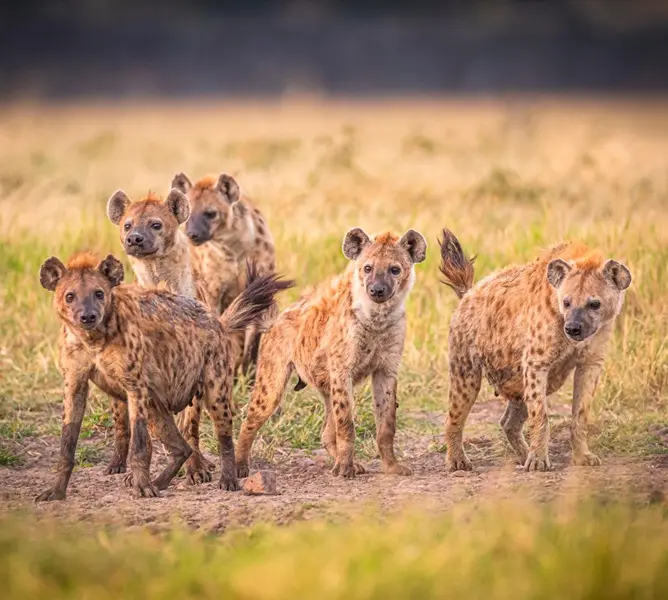
Anywhere· Year-round
Most abundant large predator in the ecosystem; active at dawn and dusk, living in complex matriarchal clans that are frequently misunderstood but fascinating to watch once you learn their social structure
Seasonal· Year-round
1.5 million in migration; always some herds in the park regardless of season
Seasonal· Year-round
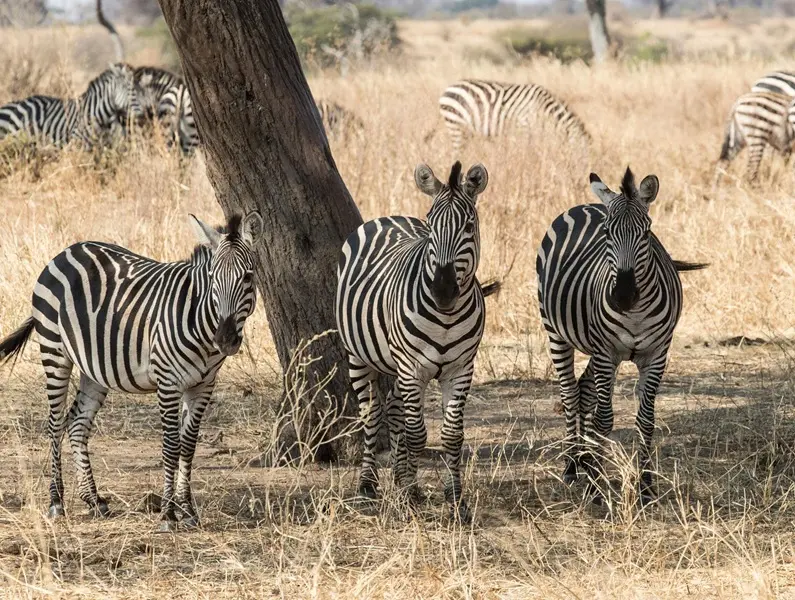
Travels with the migrating wildebeest; also resident herds around Seronera year-round
Western Corridor / Central· Year-round
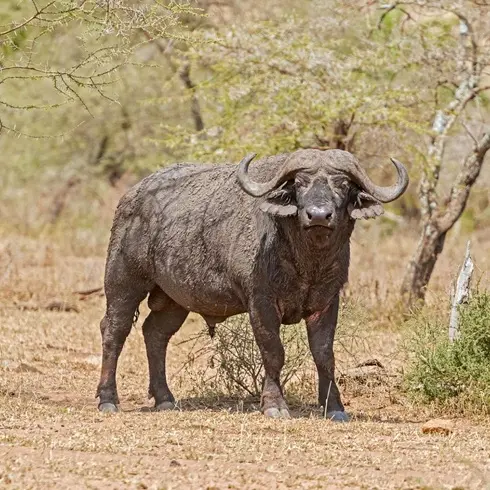
Large herds of several hundred common in woodland and near rivers
Moru Kopjes· Year-round
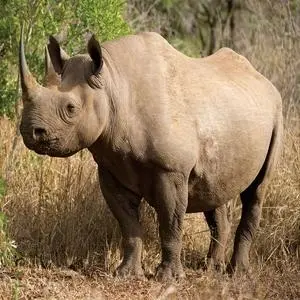
A small, closely protected population survives around the Moru Kopjes area; sightings require luck and a specialist guide
Long Grass Plains· Year-round
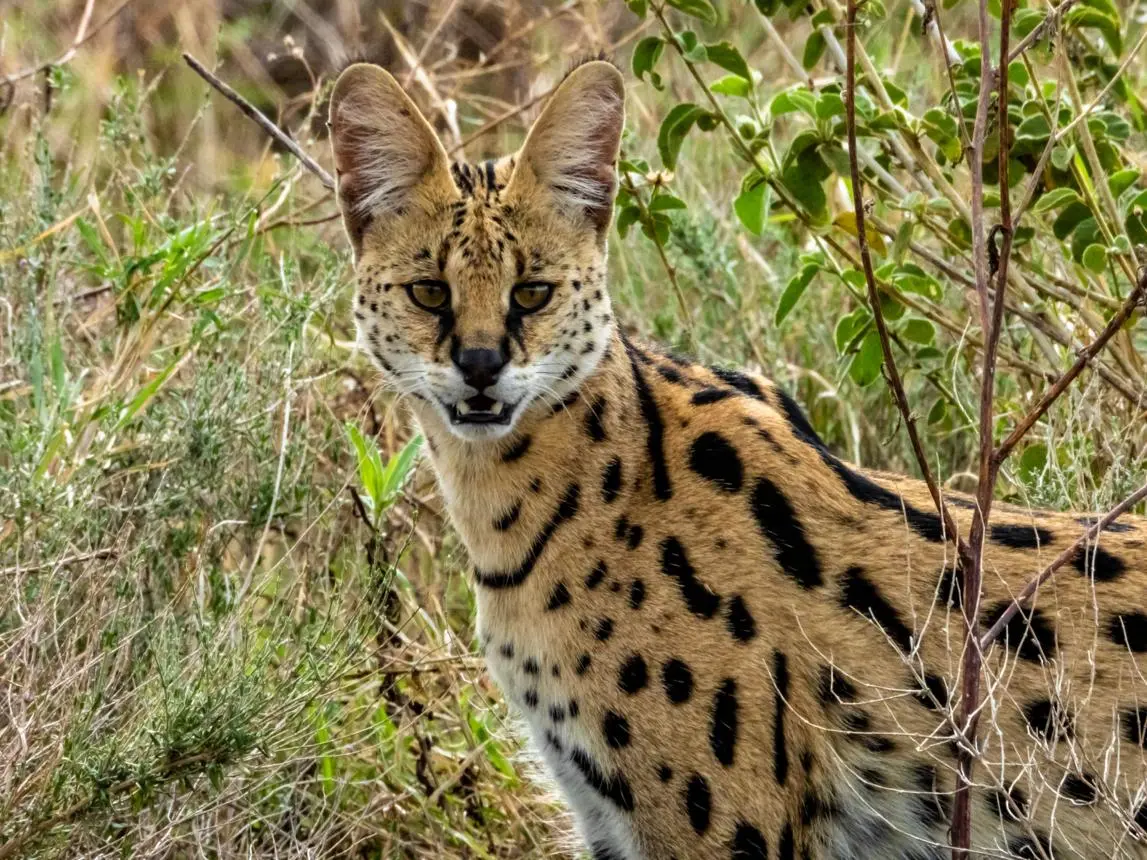
Elusive, long-legged small cat hunting rodents in tall grass, most active at dawn and dusk
Riverine Woodland· Year-round
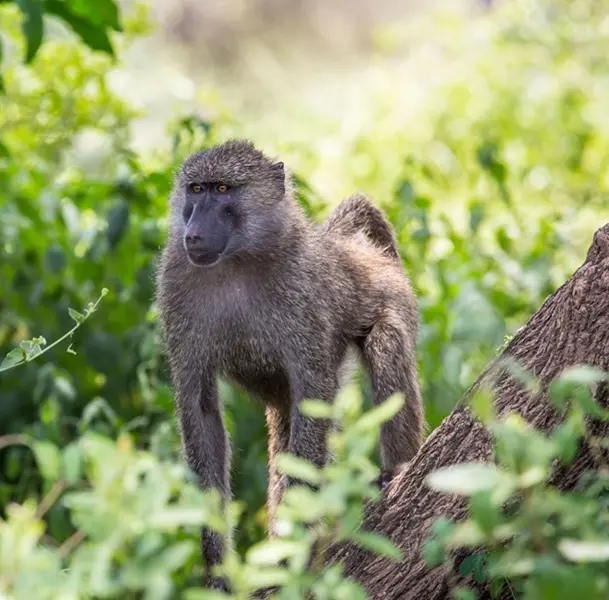
Large troops common along river valleys and near camps; fascinating social behaviour to watch
Open Plains· Year-round
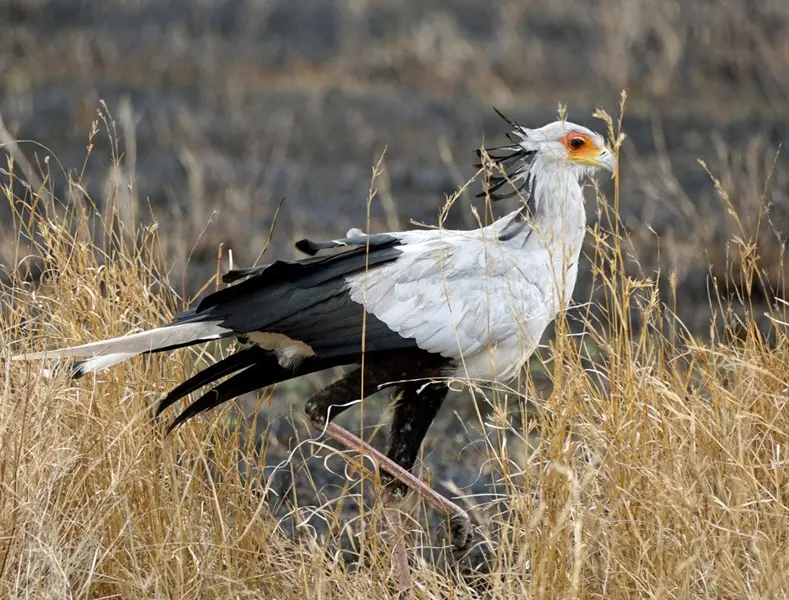
Striking long-legged raptor that hunts snakes on foot across the open plains; a favourite among birding guests
Southern & Central Plains· Year-round
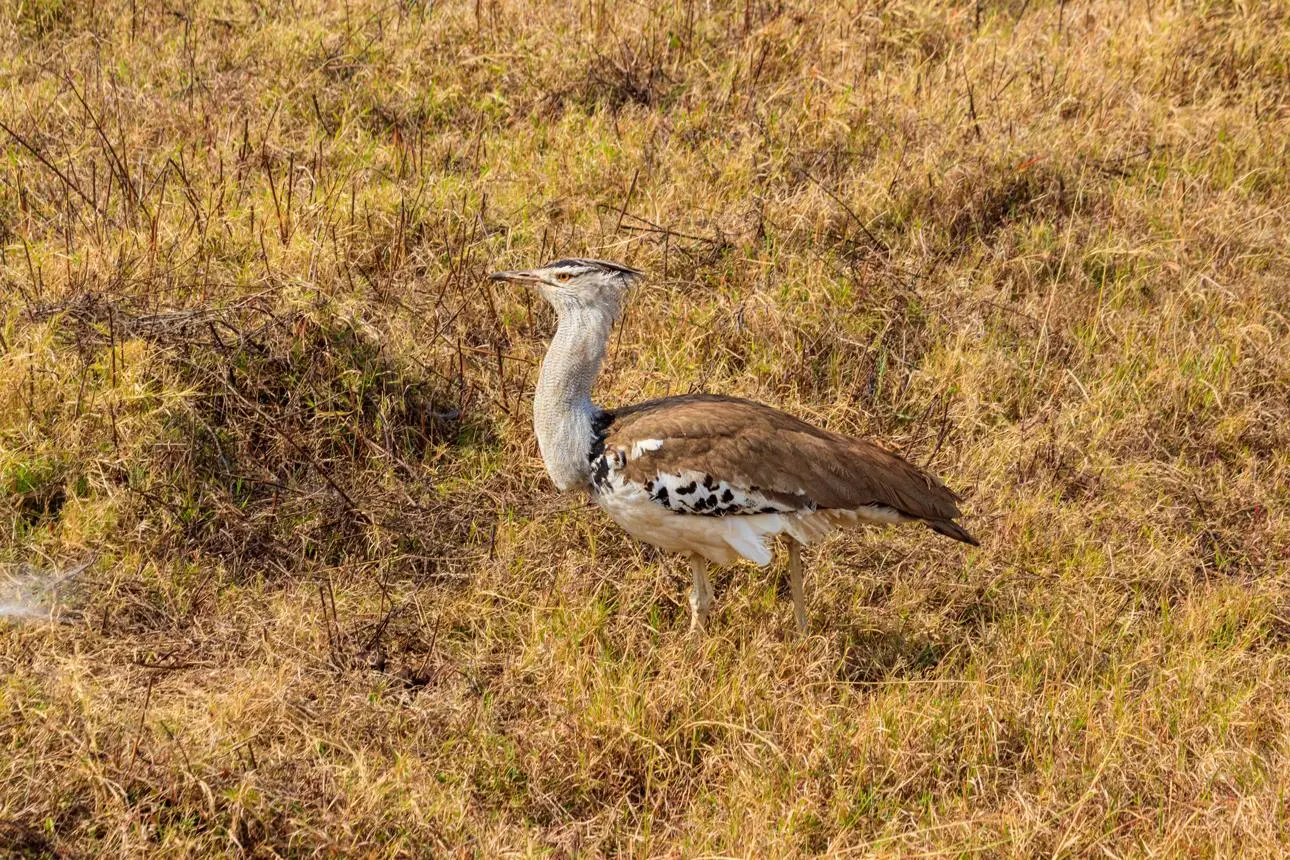
Africa's heaviest flying bird, often seen striding through short grass; look for males displaying in breeding season
Wildlife activity in the Serengeti follows a predictable daily rhythm driven by temperature, not the clock on your watch — timing your drives around it is the single easiest way to see more:
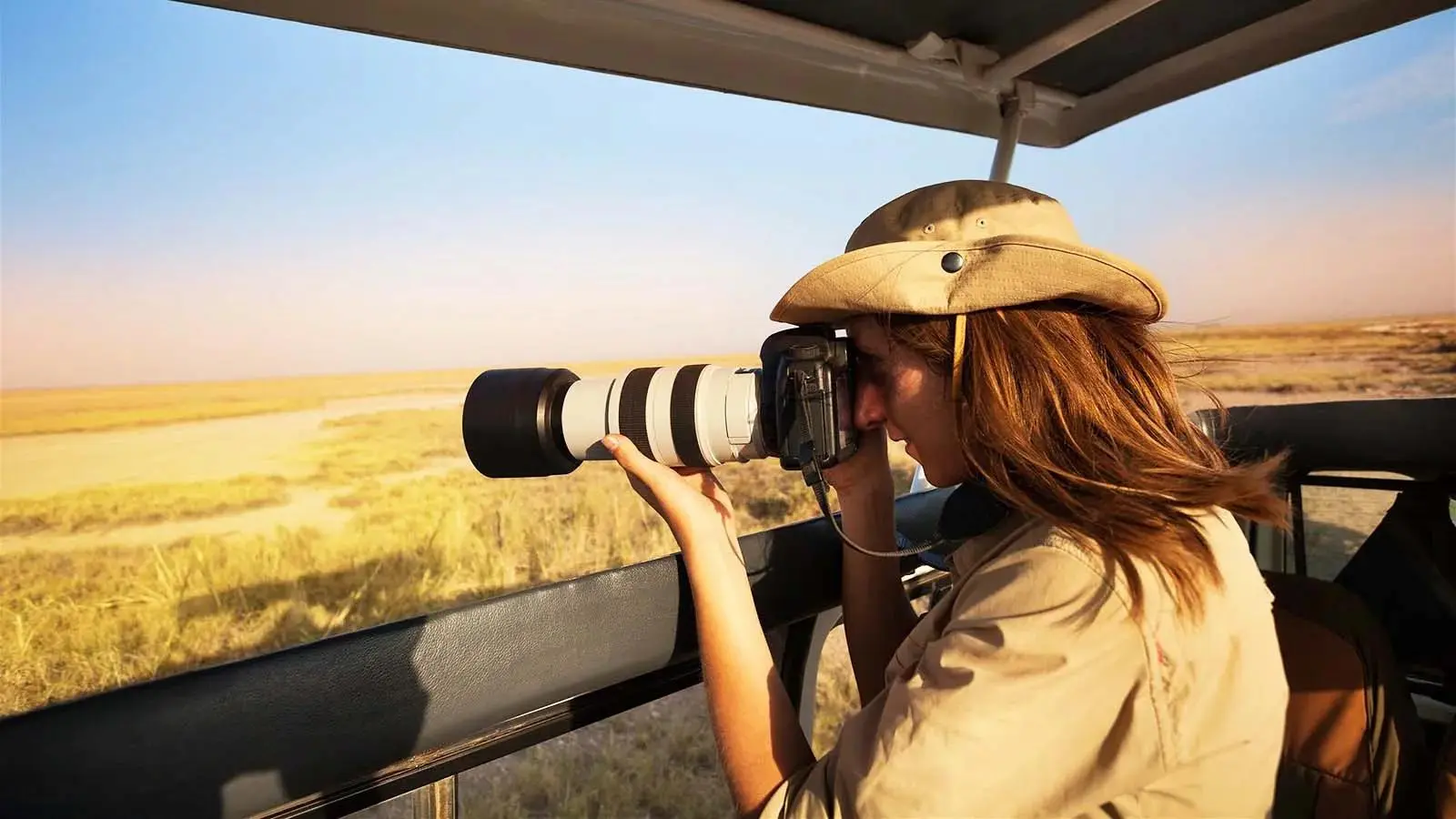
The Serengeti is a photographer's paradise, with open terrain and habituated wildlife that allows genuinely close vehicle approaches — but the rules of success are simple and worth planning around before you land:
Experienced Serengeti guides are constantly reading small environmental cues most visitors miss entirely — learning to spot a few of them yourself makes every drive more engaging:
Good etiquette keeps sightings calmer for the animals and better for every guest sharing the road — a few simple habits go a long way:
These are the moments guests remember most, and also the moments where patience and calm behaviour matter most:
The single decision that affects your trip more than any other:
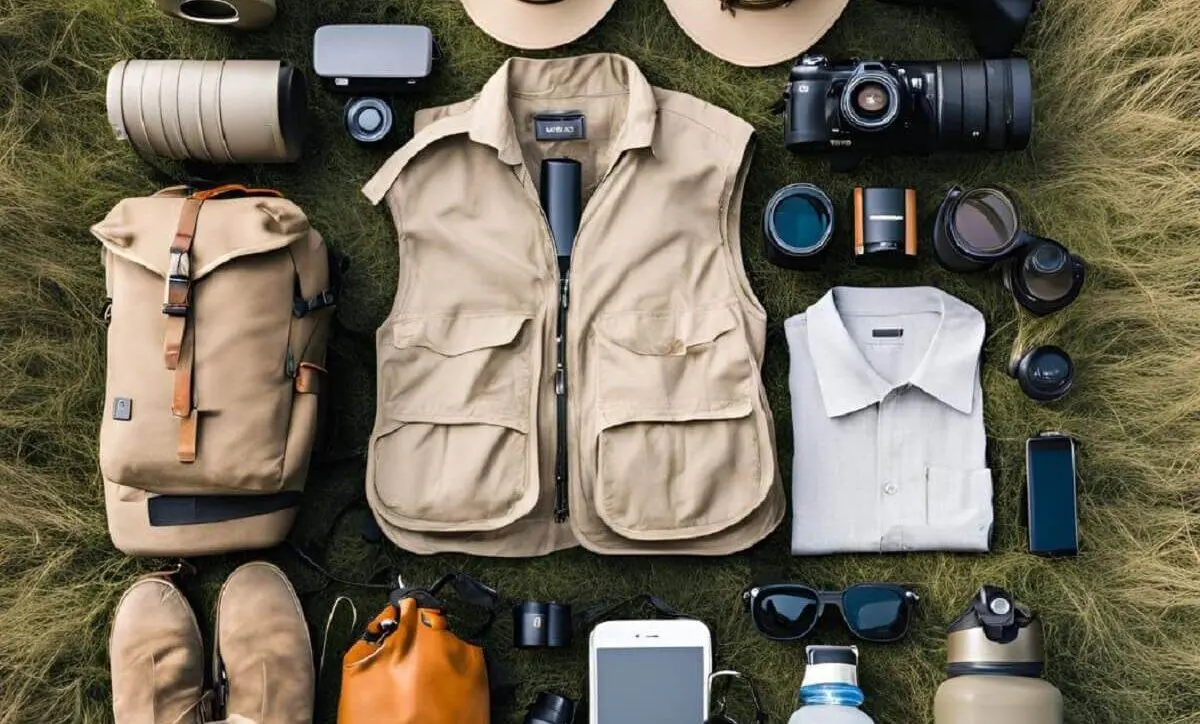
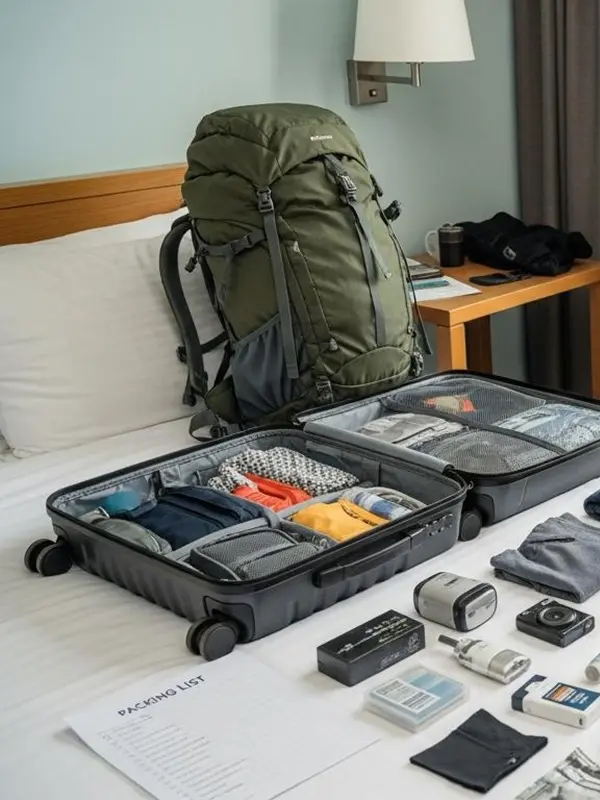
Beyond general safari packing, these items matter specifically for Serengeti days on the road:
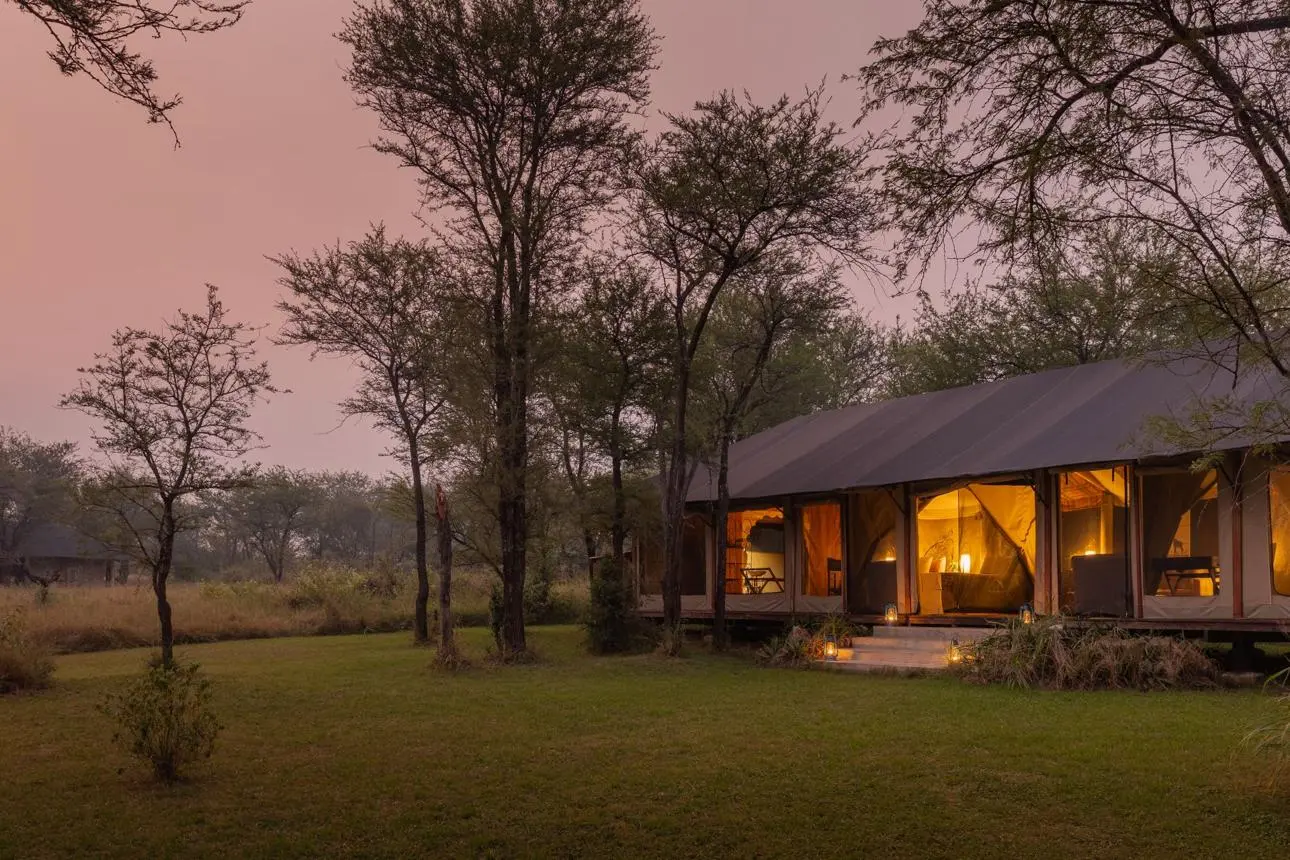
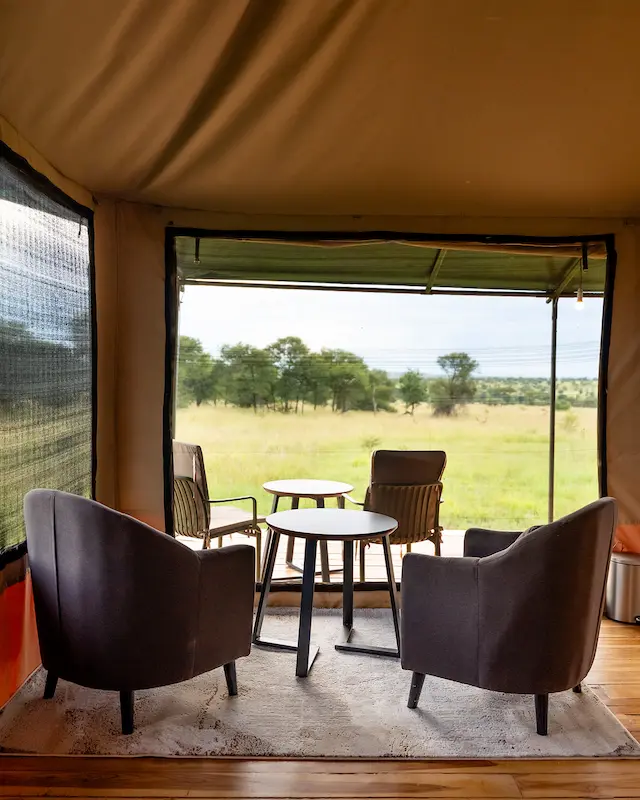
Januz Safaris’ own luxury tented camp in Central Serengeti — spacious suites, warm hospitality, and year-round Seronera wildlife. Include it in your safari itinerary, or book the camp directly at nakupendacamps.com.
Remote, elevated camps overlooking the Mara River, several perched directly above known crossing points so you can watch the herds build up without leaving camp. Exclusive-use options available. Peak season (Jul–Oct) only — most close in the low season when the migration moves elsewhere. Fly-in required given the distance from Arusha.
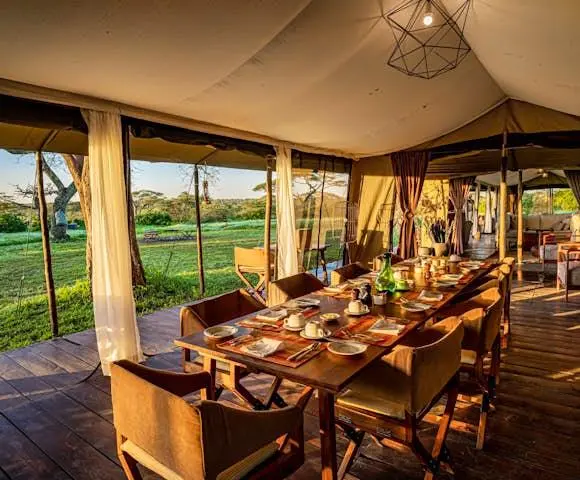
Comfortable tented camps with shared game vehicles and excellent guiding, usually run by long-established operators who know the local prides and territories well. Perfect for first-timers on a moderate budget who still want a proper safari experience rather than a stripped-down one. Shared vehicles typically carry 4–6 guests.
Small, exclusive-use tented camps that physically relocate with the migration — set up near Ndutu for calving season, then Kogatende or Lamai for the Mara crossings. Highest cost, most immersive experience, and the shortest distance between your tent and the wildlife.
Zone-matching tip: Book your camp in the zone that matches the migration for your travel month. Staying in the Northern Serengeti in December means missing both the Mara crossings (July–October) and the calving (Ndutu, January–February). Prices above are indicative per-person, per-night rates as of 2026 on a full-board, all-inclusive basis (accommodation, meals, and game drives) — park fees and flights are usually quoted separately, and figures change with season and availability. Request a quote for current pricing. We build zone-and-camp matching into every itinerary we design; it's one of the most important planning decisions you'll make.
Shared 4x4 vehicles, comfortable tented camps or basic lodges, mid-season travel dates. A good entry point for first-timers on a tighter budget.
Smaller shared or semi-private vehicles, well-located tented camps with strong guiding, the sweet spot for most travellers balancing comfort and cost.
Private vehicles and guides, premium or mobile exclusive-use camps, peak-season zones like Northern Serengeti in crossing season.
Tell us your dates, group size, budget range, and which migration experience matters most to you — calving, river crossings, or reliable year-round wildlife. We'll match you to the right zone, camp, and timing, and send a free, honest proposal within 24 hours.