
- Top speed
- 110 km/h
- 0–100 km/h in
- ~3 sec
- Est. Serengeti population
- 300+
- Sighting odds, Ndutu
- High
- Peak hunting hours
- Daytime
- Hunt success rate
- ~50%
Cheetahs in
the Serengeti
The world's fastest land animal thrives on the Serengeti's open plains — and the southern Ndutu region is one of the best places on Earth to watch one hunt in daylight.
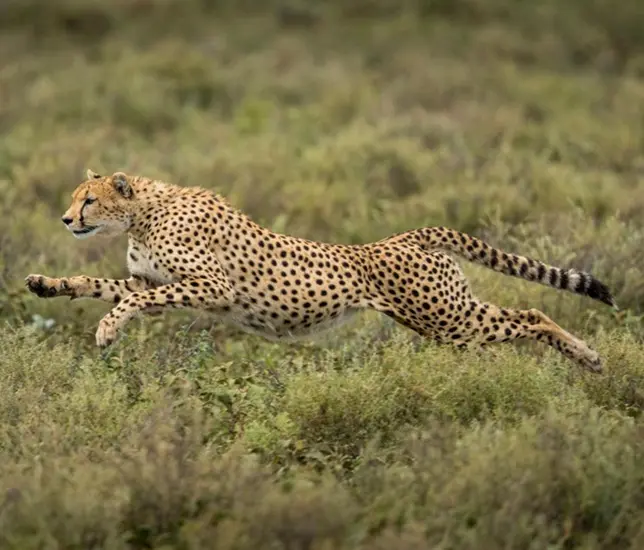
Cheetahs are built entirely for speed — a lightweight frame around 45–60 kg, a flexible spine that extends stride length mid-run, non-retractable claws for grip like a sprinter's spikes, and an enlarged heart and lungs that let them reach speeds up to 110 km/h in short bursts. That build makes them dependent on open, short-grass terrain to both spot prey at distance and run it down in a straight line, which is exactly what the Serengeti's southern plains provide.
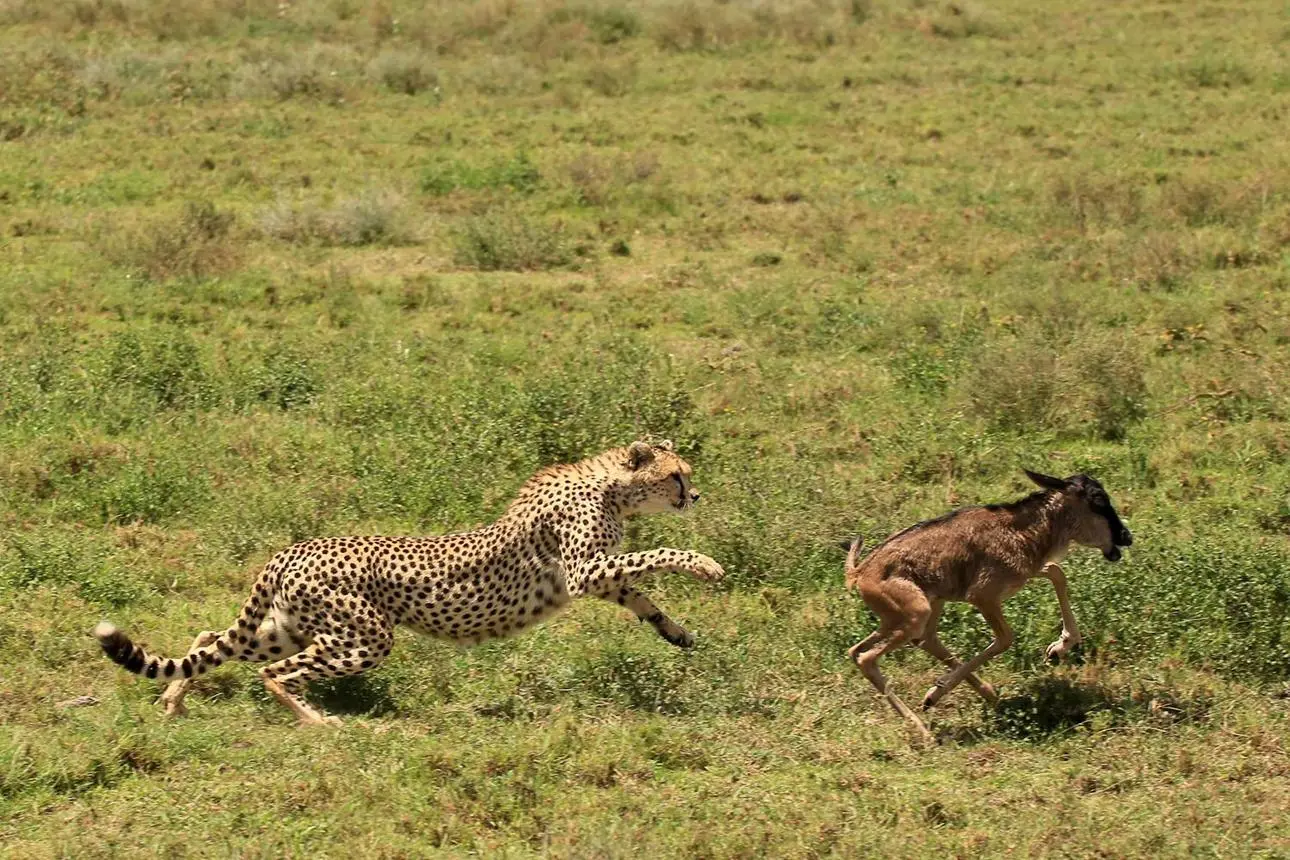
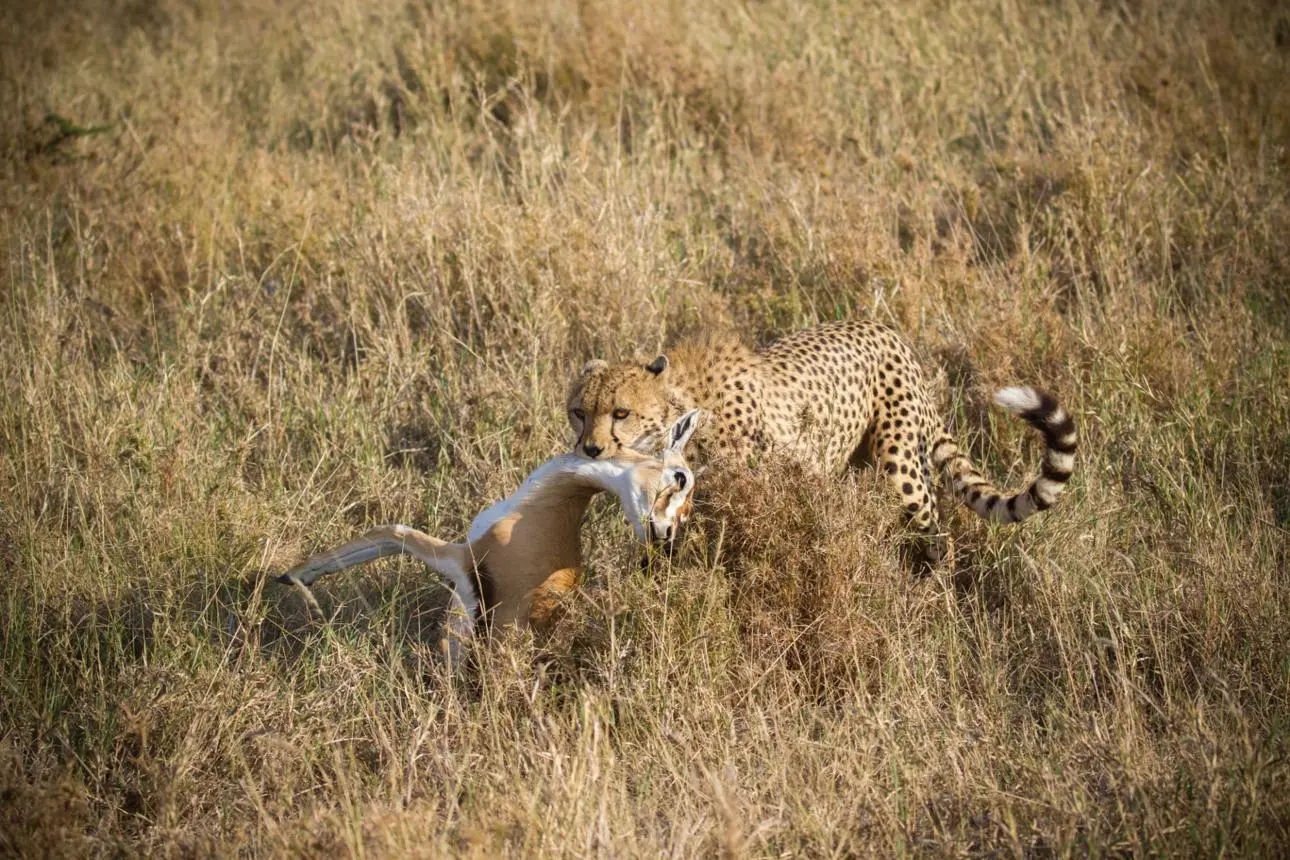
The trade-off for that speed is fragility: a cheetah's frame simply isn't built for the fighting and wrestling that lions or leopards use to bring down prey or defend a kill. A chase typically lasts under 20–30 seconds — much longer and a cheetah risks dangerous overheating — and once caught, the cheetah suffocates its prey with a throat bite rather than risking injury in a prolonged struggle.
Unlike lions and leopards, cheetahs hunt almost exclusively during daylight hours, avoiding direct competition with nocturnal and crepuscular predators for both prey and safety. This makes them one of the more predictable cats to watch in action on a standard mid-morning or afternoon game drive, rather than requiring a dawn or dusk departure.
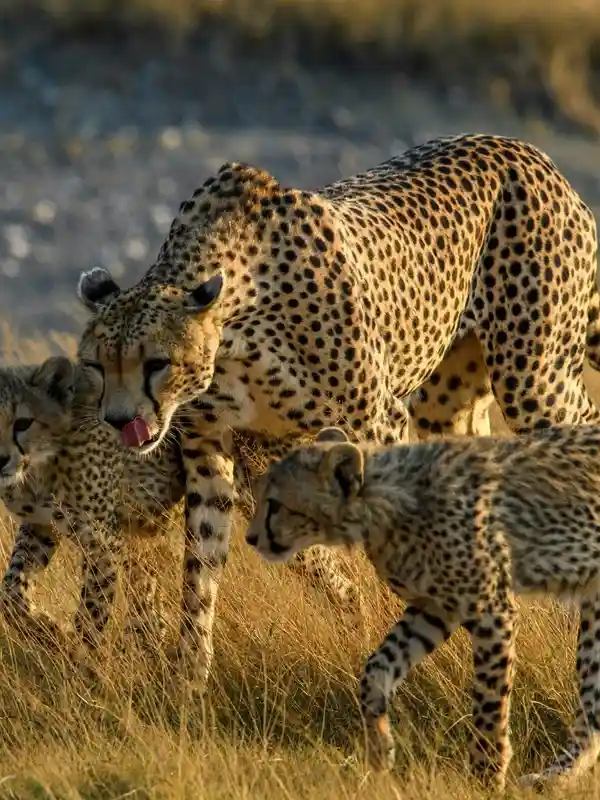
Serengeti cheetahs also face a uniquely difficult survival challenge: because they can't fight off larger predators, they lose an estimated 10–15% of successful kills to lions and hyenas within minutes of a hunt, and cub mortality from predation is among the highest of any big cat in Africa. A female with a full, surviving litter of two or three cubs is genuinely one of the most rewarding sightings the Serengeti offers.
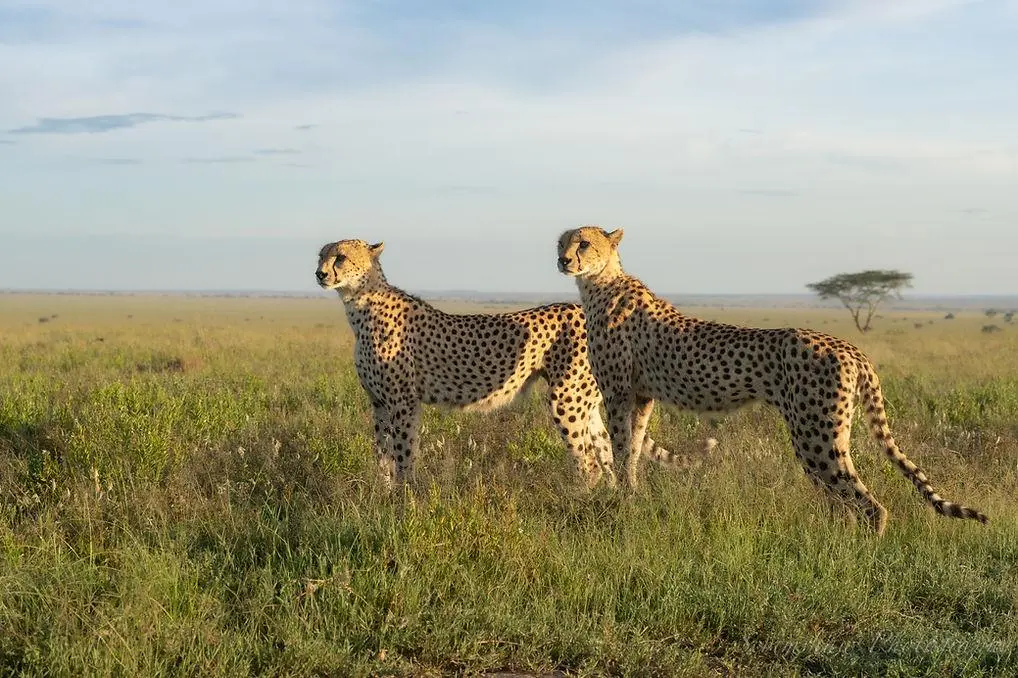
Female cheetahs are also almost entirely solitary outside of raising cubs, ranging widely across huge, loosely defended territories that can span several hundred square kilometres in search of prey. Males, by contrast, often form small coalitions of brothers that hold and defend a much smaller, fixed territory — a strategy that improves their odds of encountering and mating with passing females, since a lone male would otherwise struggle to compete for breeding access against established coalitions.
Cheetahs are classified as vulnerable across their African range, with the Serengeti–Mara ecosystem representing one of the species' most important strongholds thanks to its scale and intact predator-prey balance. Genetic studies have shown cheetahs have unusually low genetic diversity as a species — a legacy of a population bottleneck thousands of years ago — which makes healthy, well-connected populations like the Serengeti's especially significant for the species' long-term survival.
Did you know? Cheetah cubs have a high mortality rate from other predators — often over 70% in the first year — which is why females raise litters in areas with the best visibility, using elevated termite mounds to spot danger long before it arrives.
 Zone
ZoneSouthern Serengeti (Ndutu)
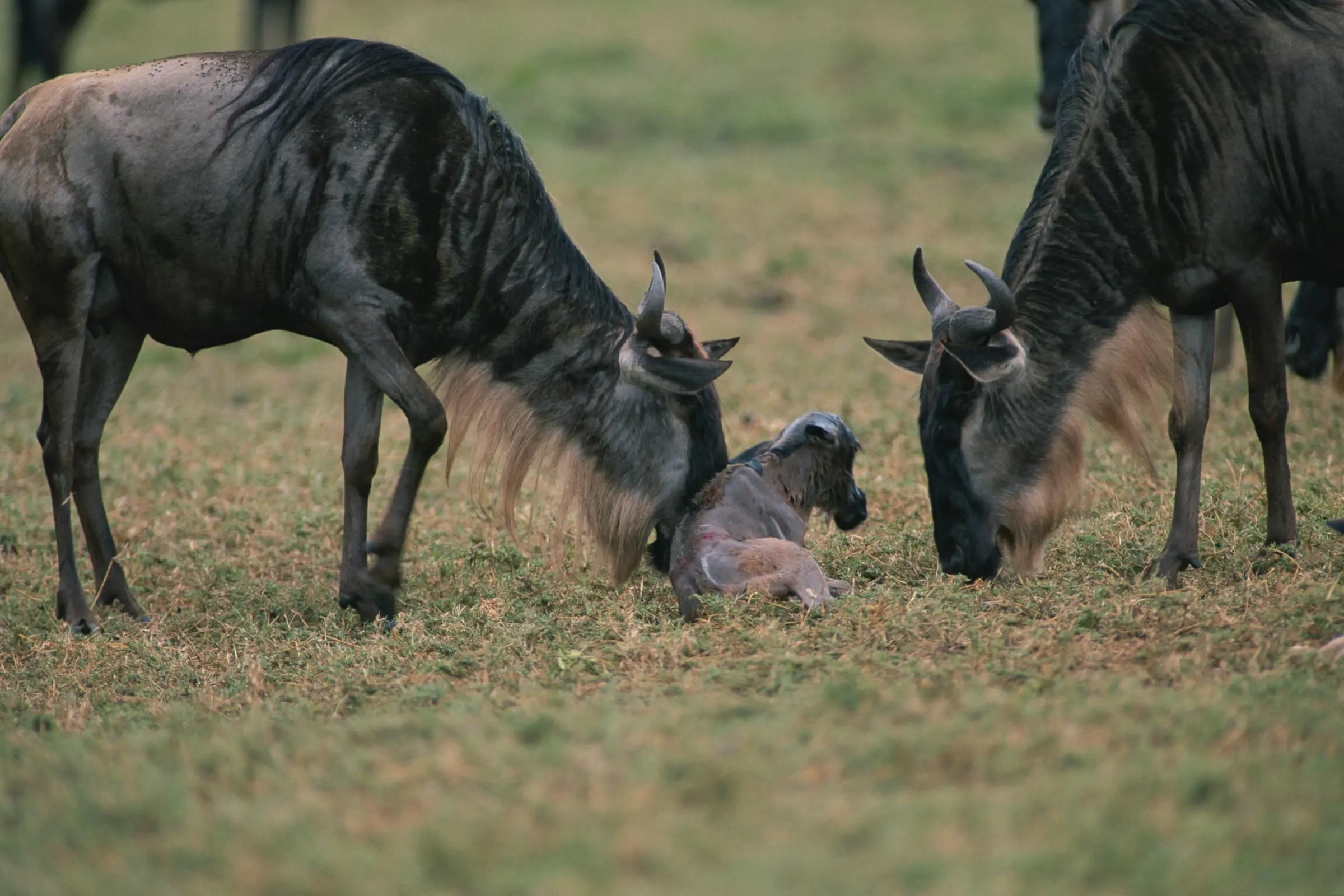
The single best zone in the ecosystem, with open plains and abundant prey, especially strong during calving season (Dec–Mar) when newborn wildebeest calves offer an easy, energy-efficient meal.
 Zone
ZoneEastern Serengeti plains
A reliable, less-visited zone outside the main Ndutu area, with similarly open, short-grass terrain that cheetahs favour for both hunting and raising cubs.
 Zone
ZoneCentral Serengeti's open grasslands
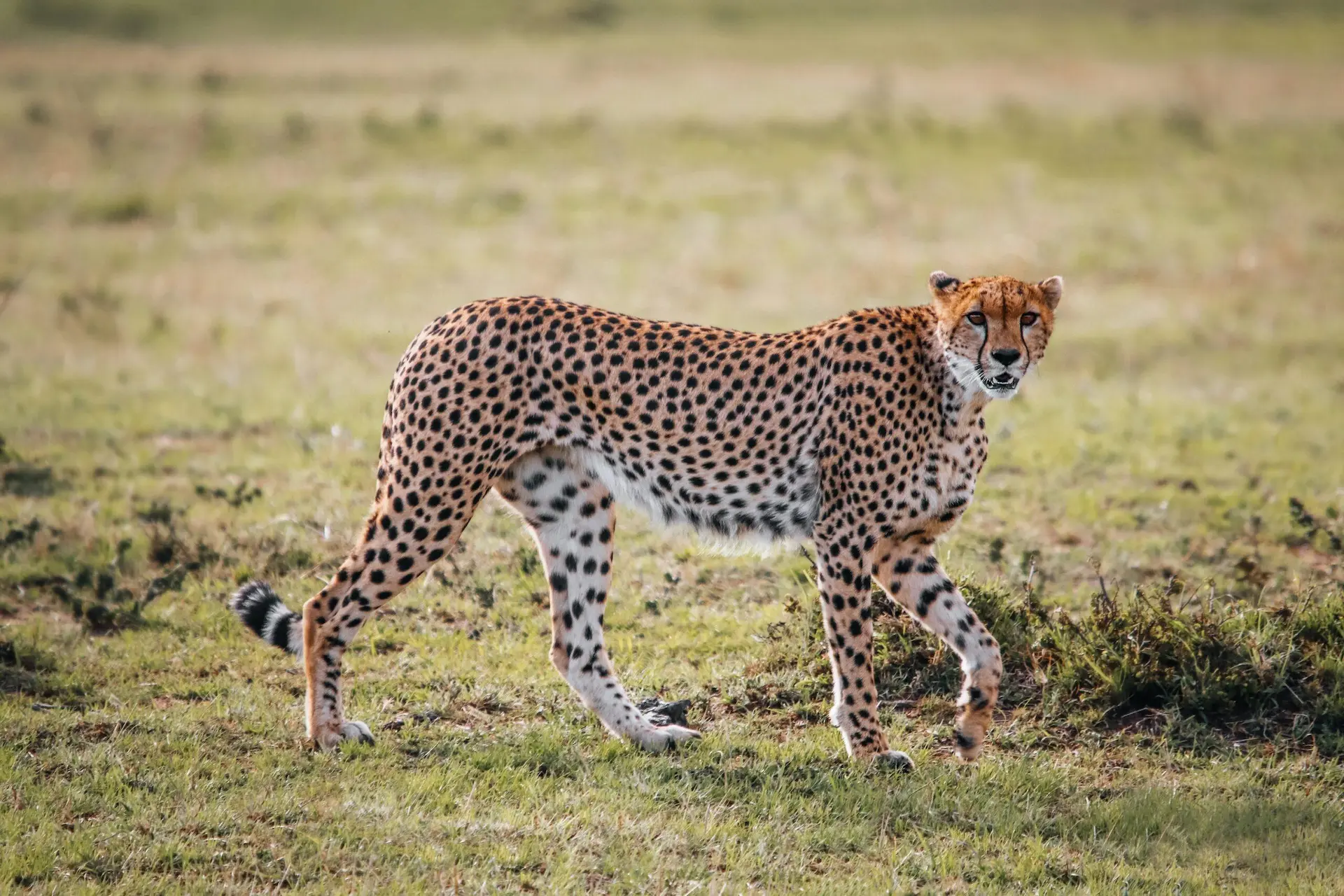
Away from the denser riverine woodland, the more open grassland patches around Seronera occasionally hold resident or transient cheetahs, particularly outside peak calving months when prey disperses more broadly across the park.
 Zone
ZoneMid-morning to mid-afternoon
Cheetahs are most active hunting during these hours, unlike most other predators — a 10am–2pm window on the plains often outperforms the classic dawn game drive for cheetah activity specifically.
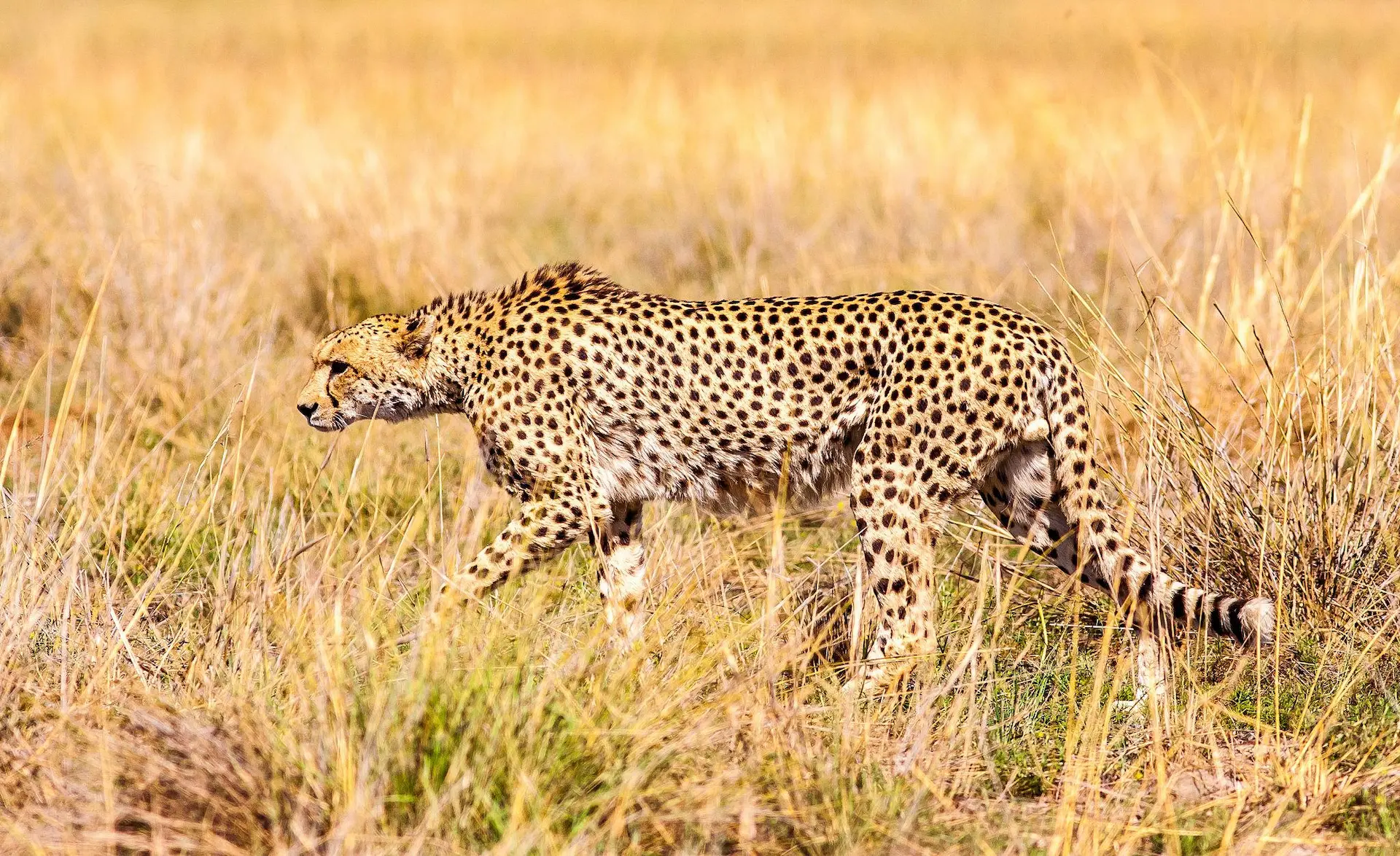
Daytime hunters
Cheetahs hunt mostly between mid-morning and late afternoon, avoiding direct competition with lions and hyenas that are more active around dawn, dusk, and night.
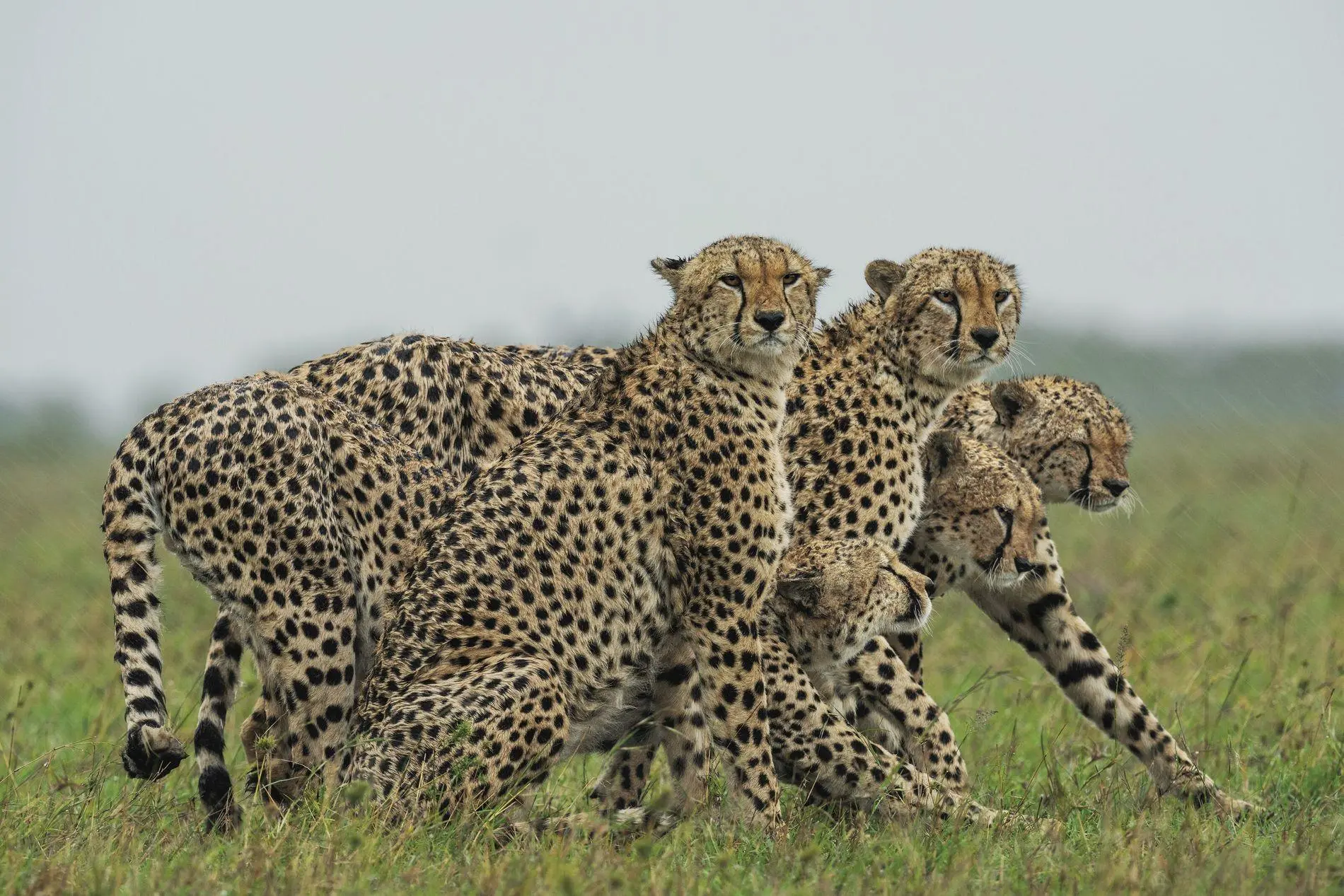
Coalition males
Male cheetahs sometimes form small coalitions, usually brothers from the same litter, which improves their odds of securing and holding a territory against rival males.
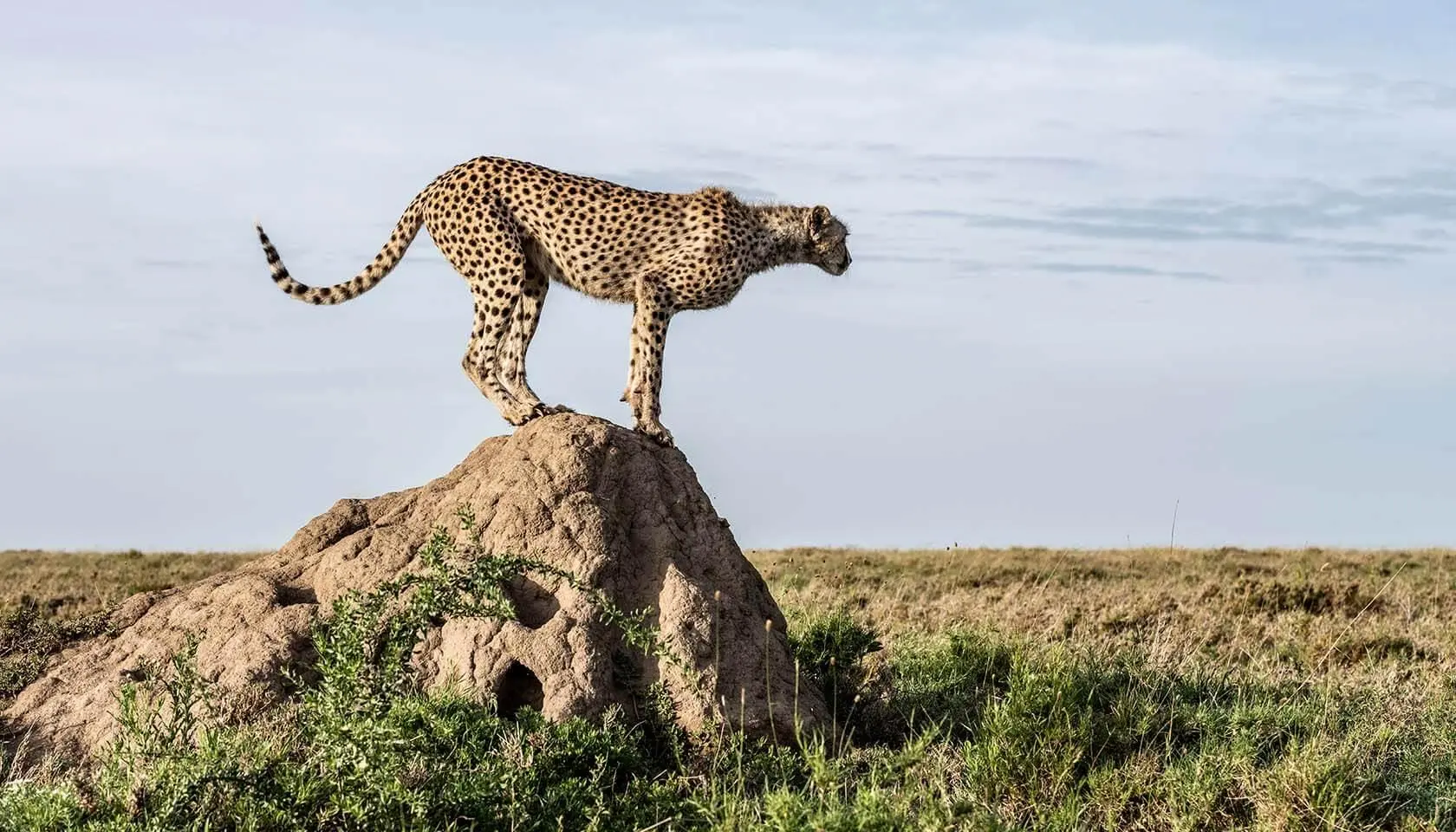
Termite mound lookouts
Cheetahs frequently use termite mounds, fallen logs, or small rises as vantage points to scan the plains for prey — one of the most photogenic and reliable behaviours to look for.
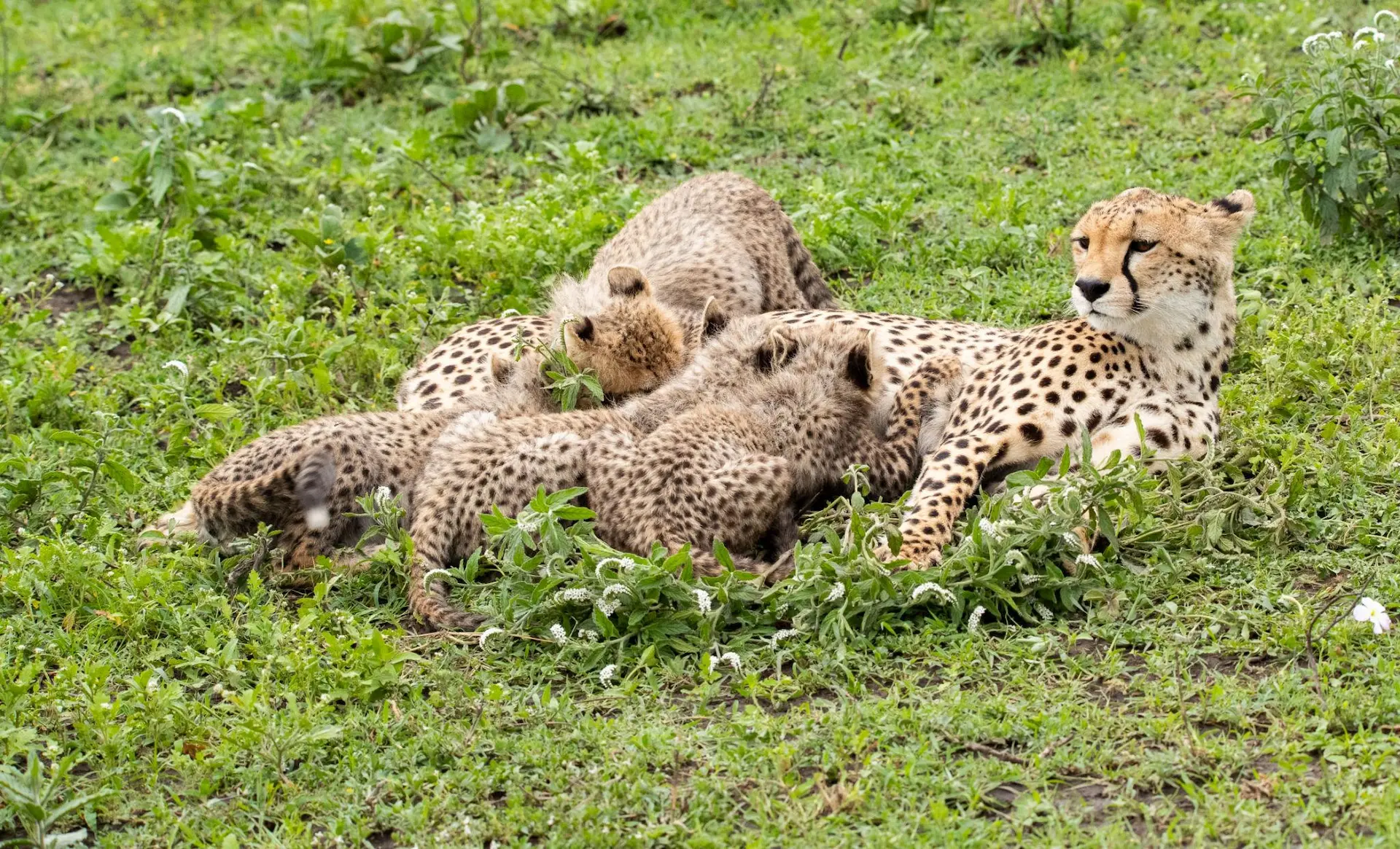
Vulnerable cubs
Cub survival rates are among the lowest of any big cat due to predation from lions and hyenas, making sightings of a mother with a surviving litter genuinely memorable.
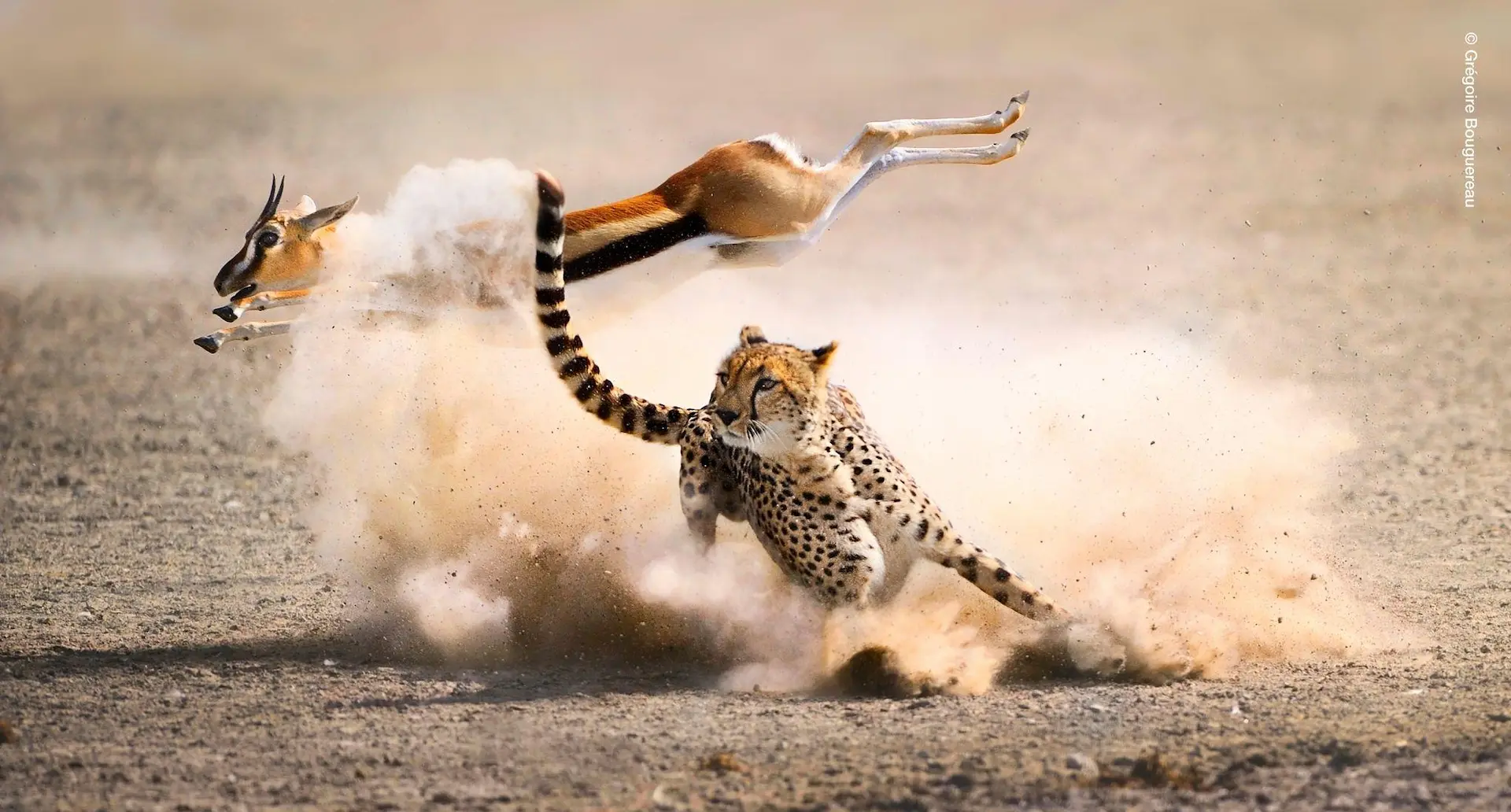
Short, explosive chases
A hunt rarely lasts more than 20–30 seconds — cheetahs risk dangerous overheating if a chase runs longer, so they abandon pursuit quickly if the initial burst fails.
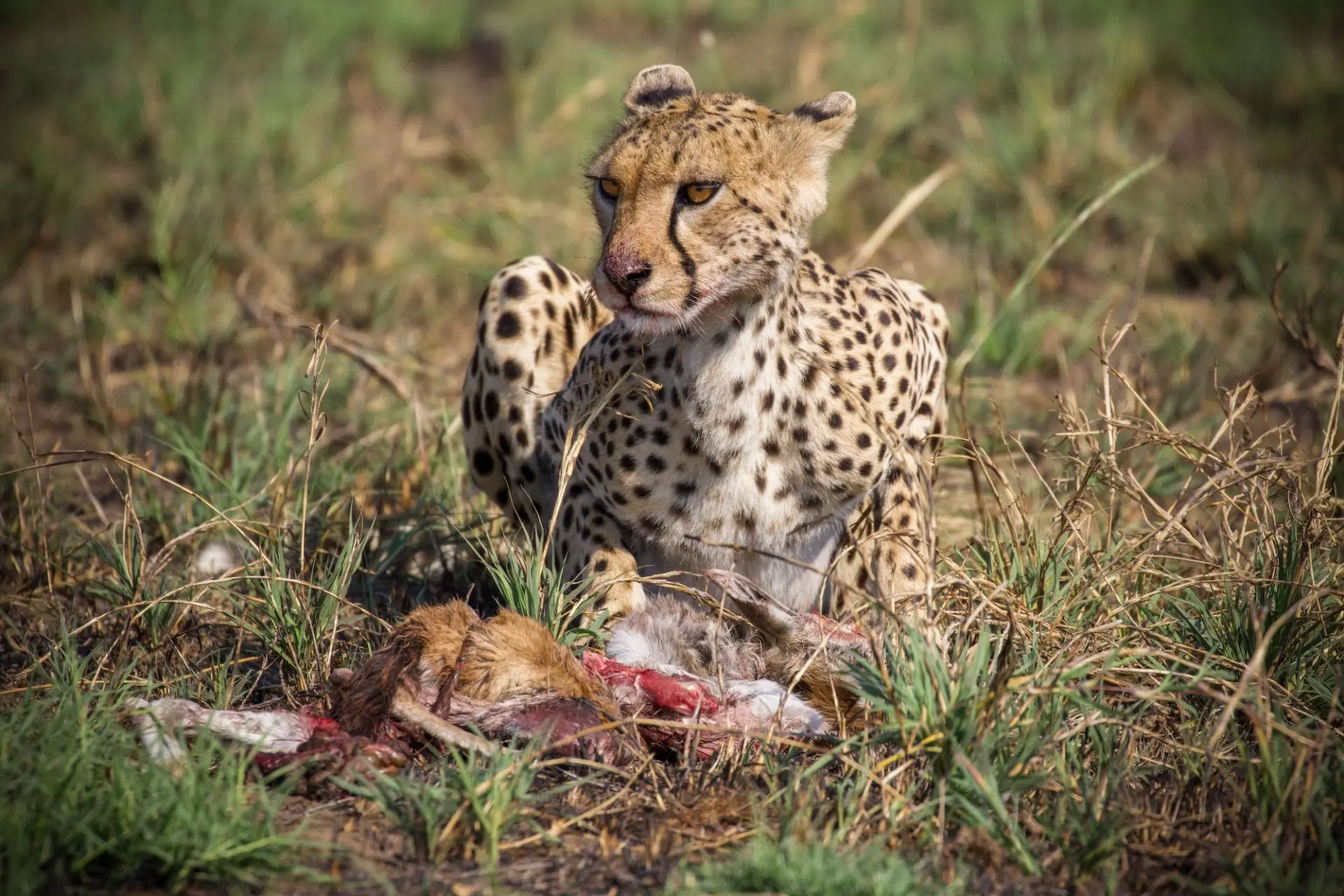
Vulnerable kills
Unable to defend a carcass from larger predators, cheetahs eat quickly after a successful hunt, often losing 10–15% of kills to lions or hyenas within minutes.
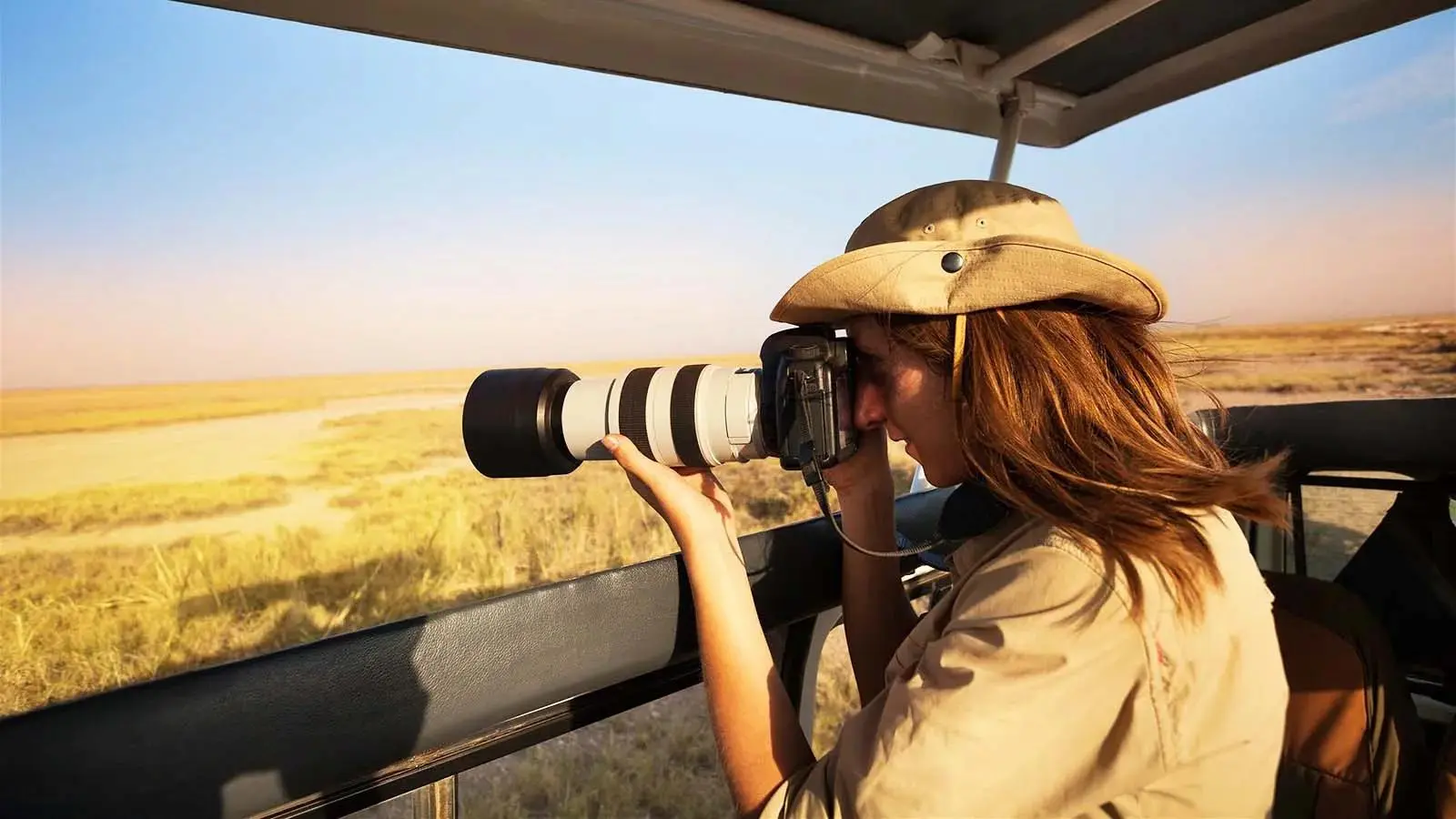
Capturing a cheetah hunt
- →Keep a fast shutter speed ready (1/2000s or faster) in case a hunt begins suddenly and without warning.
- →Watch for a cheetah perched on a termite mound — a classic, easy-to-frame shot that also signals a hunt may be imminent.
- →Keep some distance during an active hunt — crowding with vehicles can cause the cheetah to abandon the chase entirely.
- →Shoot wide during calving season to include herds of prey in the same frame, giving context to a stalking cheetah.
- →Continuous autofocus (AI Servo / AF-C) tracks a running cheetah far better than single-shot focus modes.
- →A 300–500mm lens is ideal — cheetahs often hunt at a distance where shorter lenses won't capture the action clearly.
Plan your cheetah-viewing safari
Tell us your travel dates and we'll base your itinerary around the Serengeti's best cheetah territory, timed to calving season if that fits your dates.