
- Species present
- 5 / 5
- Nights typical
- 3–4
- Rhino sightings
- Rare
- Lion & buffalo
- Year-round
- Best rhino odds
- Ngorongoro
- Origin of the term
- 1800s hunting
Serengeti
Big Five Guide
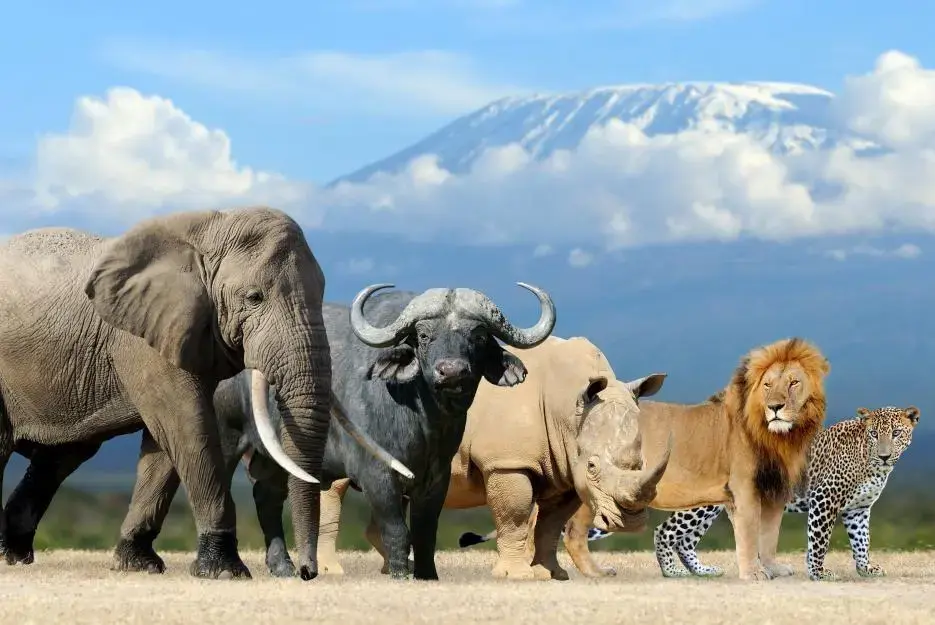
Lion, leopard, elephant, buffalo, and rhino — the original Big Five, all found within the Serengeti ecosystem. Here's how to maximise your chances of seeing all five.
The term Big Five originated in the late 1800s among big-game hunters, referring to the five most difficult and dangerous animals to hunt on foot: lion, leopard, elephant, buffalo, and rhino. Today the phrase has been fully repurposed as a wildlife-viewing benchmark rather than a hunting target, and the Serengeti is one of the few ecosystems on Earth where all five are still present.
Four of the five — lion, elephant, buffalo, and leopard (with patience) — are seen regularly across the park, particularly in Central Serengeti where resident populations of each are well established. Black rhino is the clear exception: a small, closely protected population makes sightings rare and never guaranteed within the Serengeti itself.
Each of the five presents a genuinely different viewing challenge. Buffalo and elephant travel in herds and are relatively easy to find near water. Lions are social and habituated to vehicles, making them highly visible. Leopards are solitary and nocturnal, requiring patience and a guide who knows specific territories. Rhino, meanwhile, exist in such small, carefully guarded numbers that most operators recommend a dedicated stop at Ngorongoro Crater rather than relying on the Serengeti alone.
It's worth noting the Big Five list has nothing to do with an animal's size, danger to humans generally, or conservation status — it's simply a historical hunting classification that stuck as a useful shorthand. Cheetah and hippo, for example, arguably present a more distinctive Serengeti experience than buffalo, but neither made the original list because they were considered less challenging to hunt on foot with period firearms.
Buffalo are often the most underrated member of the five. Herds of several hundred are common, and lone old males — known as 'dagga boys' after the mud they wallow in — are considered by many professional guides to be the single most dangerous animal in Africa when cornered, more so than lion or elephant, due to their unpredictability and physical power. Their sheer abundance around Central Serengeti's water sources means most visitors tick this box within their first day or two.
Elephants in the Serengeti live in matriarchal family groups led by the oldest, most experienced female, who holds decades of accumulated knowledge about water sources, safe routes, and seasonal food availability. The Western Corridor holds the largest concentrations, where woodland habitat suits their browsing behaviour better than the more open plains of the south and east.
Both lion and elephant sightings in the Serengeti are considered among the most reliable in Africa for these species — it's specifically leopard and rhino that separate an easy Big Five trip from a genuinely challenging one, which is exactly why itinerary planning matters more for this checklist than most visitors initially assume.
First-timers sometimes assume the Big Five should be the primary goal of a Serengeti safari, but most experienced travellers and guides treat it as a bonus checklist alongside richer, more memorable goals — witnessing a hunt, watching a river crossing, or simply spending unhurried time with a pride of lions. Chasing the list too literally, especially rhino, can distract from the parts of a safari that tend to leave the deepest impression.
Realistic expectation: most travellers see 4 of 5 in the Serengeti alone. For the best shot at all five in one trip, pair it with 1–2 nights in Ngorongoro Crater, whose closed ecosystem holds Tanzania's most reliable rhino population.
 Tip
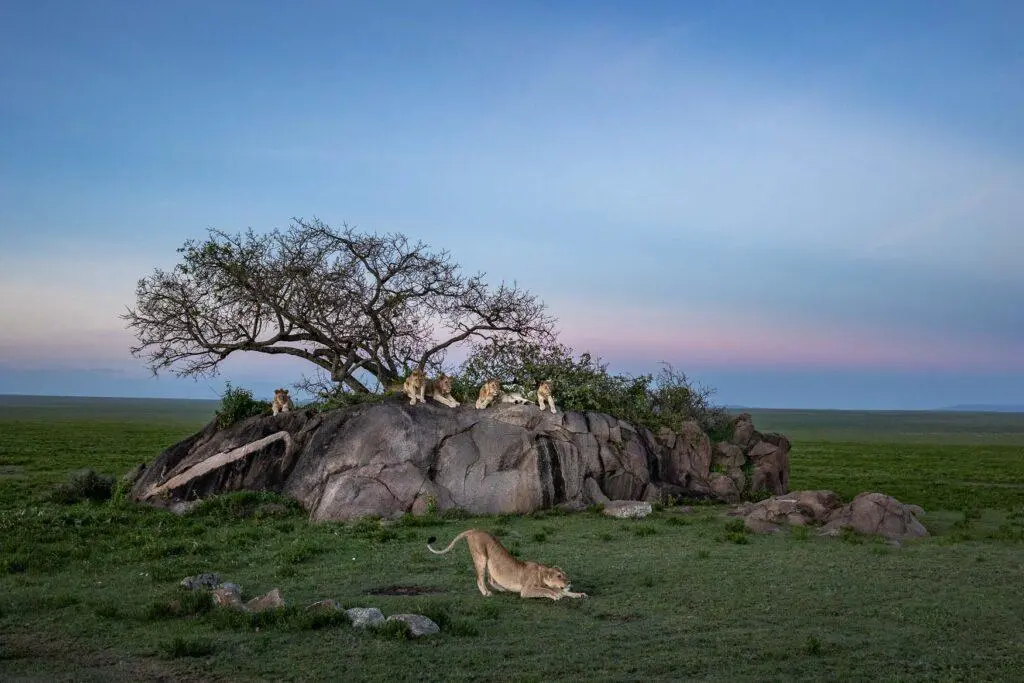
TipBase in Central Serengeti
Seronera has the highest density of resident predators in the park, including the best leopard odds thanks to riverine forest along the Seronera River.
 Tip
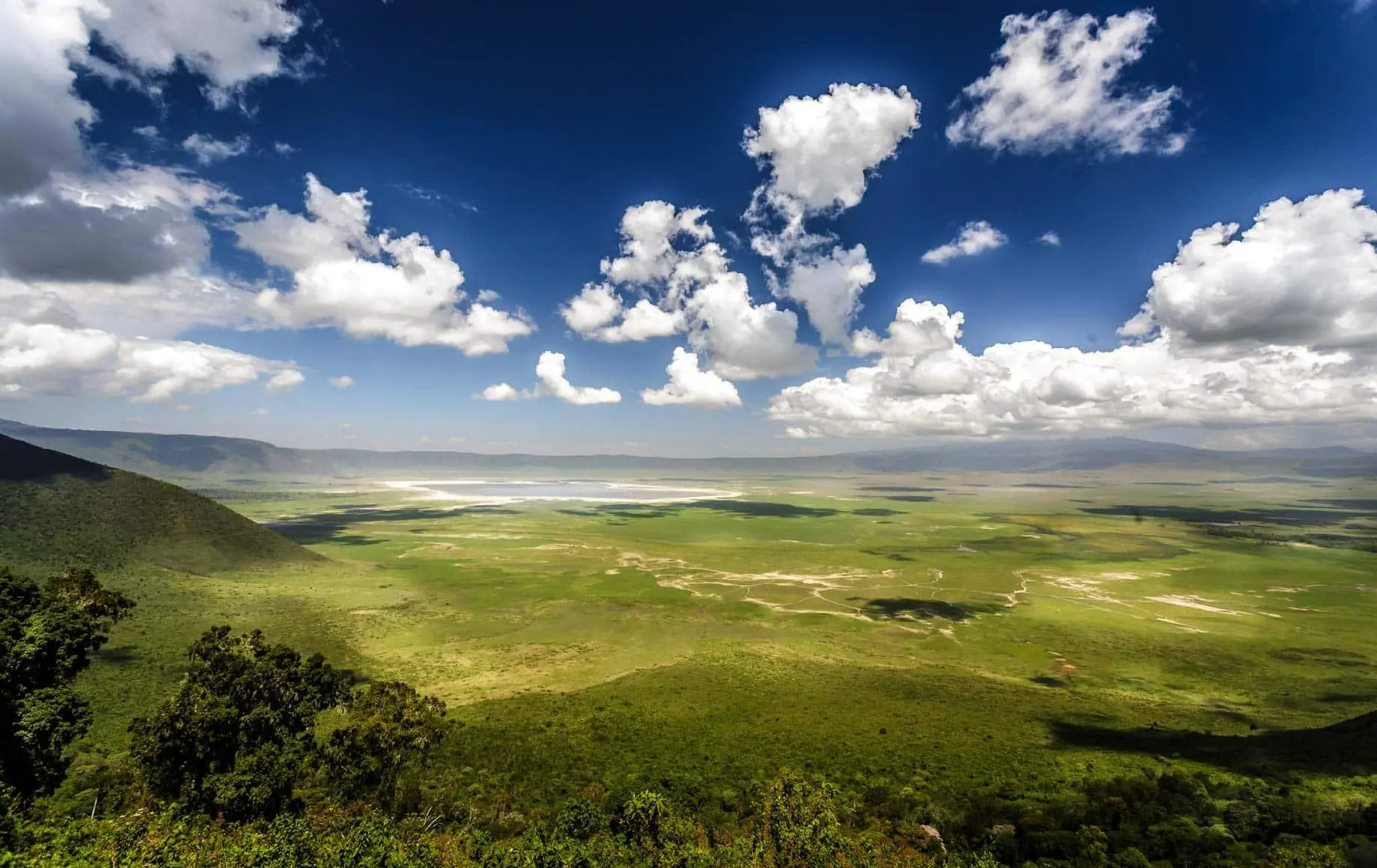
TipAdd Ngorongoro Crater
The Crater's compact, closed ecosystem concentrates wildlife into a small area and gives the best realistic rhino odds anywhere in Northern Tanzania.
 Tip
TipStay 3–4 nights minimum
More time and more game drives meaningfully increase your chances, especially for leopard, where a single overnight rarely produces a sighting.
 Tip
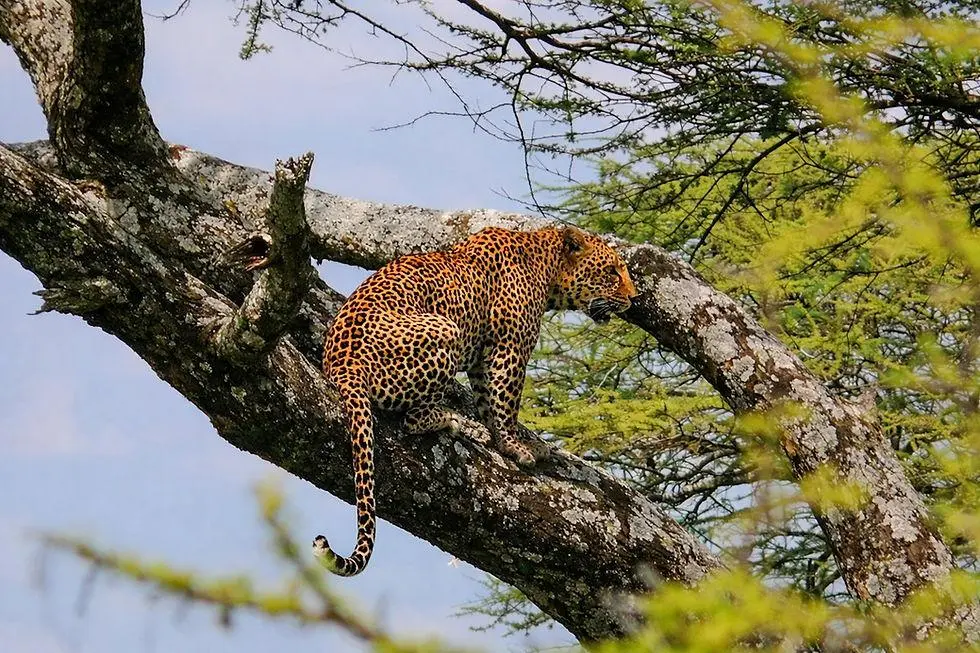
TipGo with an experienced guide
Guides who know current kopje and riverine leopard territories, plus recent elephant and buffalo movement, dramatically improve sighting odds over a generalist itinerary.
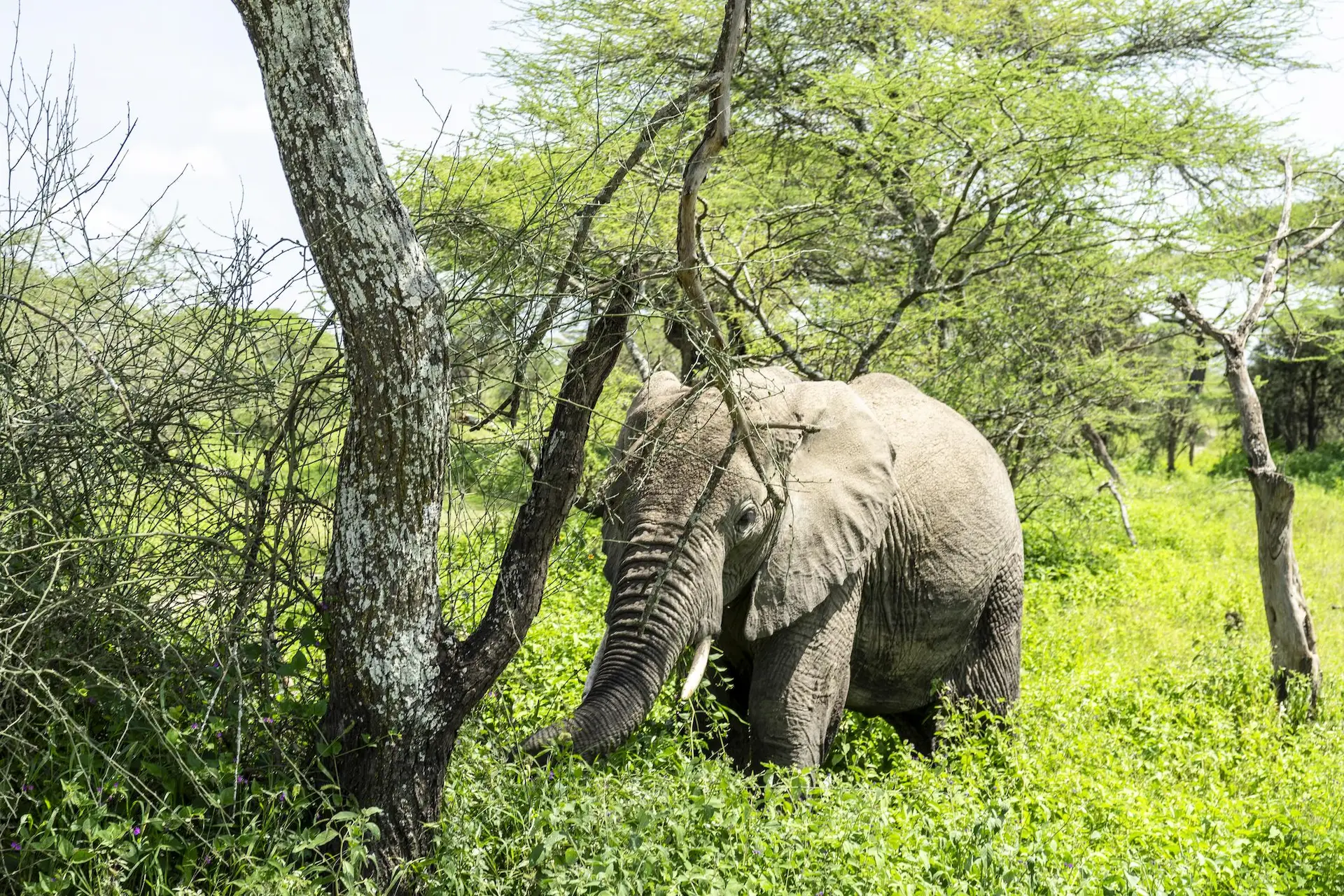 Tip
TipVisit the Western Corridor for elephant
If elephant herds are your priority within the five, the woodland habitat of the Western Corridor (May–July) typically outperforms Central Serengeti for both herd size and frequency.
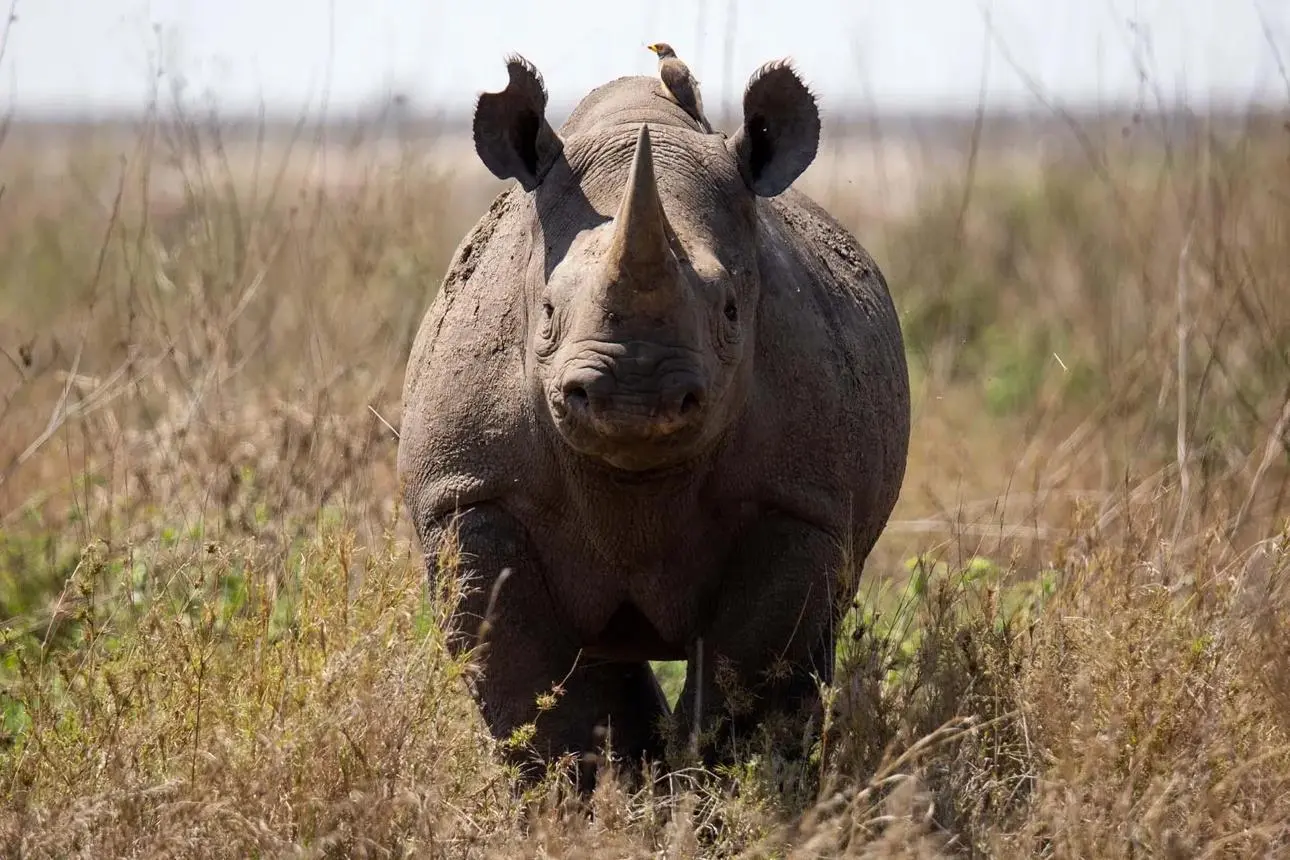 Tip
TipAsk about Moru Kopjes for rhino
A small population survives around this specific area of the Serengeti itself — sightings are rare, but it's worth asking your guide whether a detour here fits your itinerary.
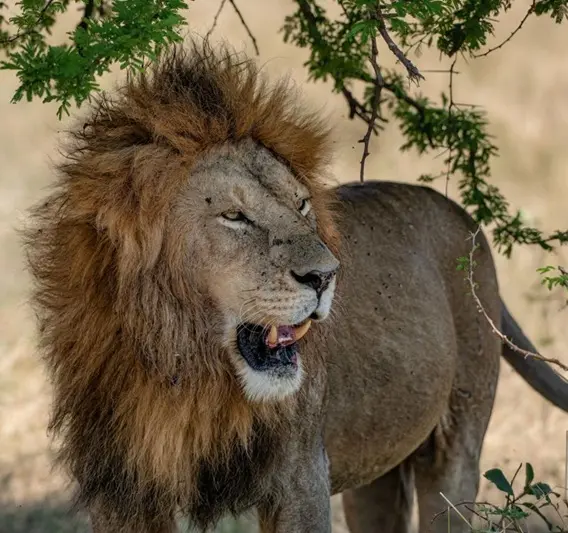
Lion
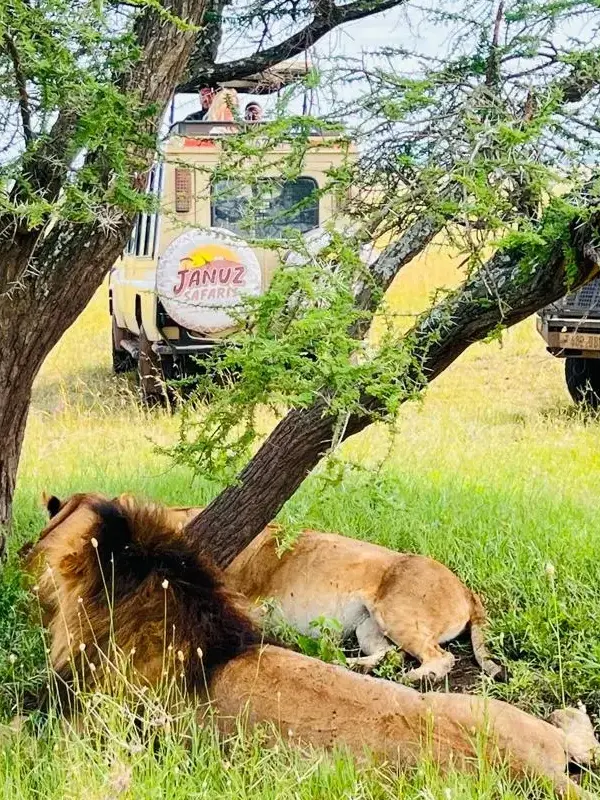
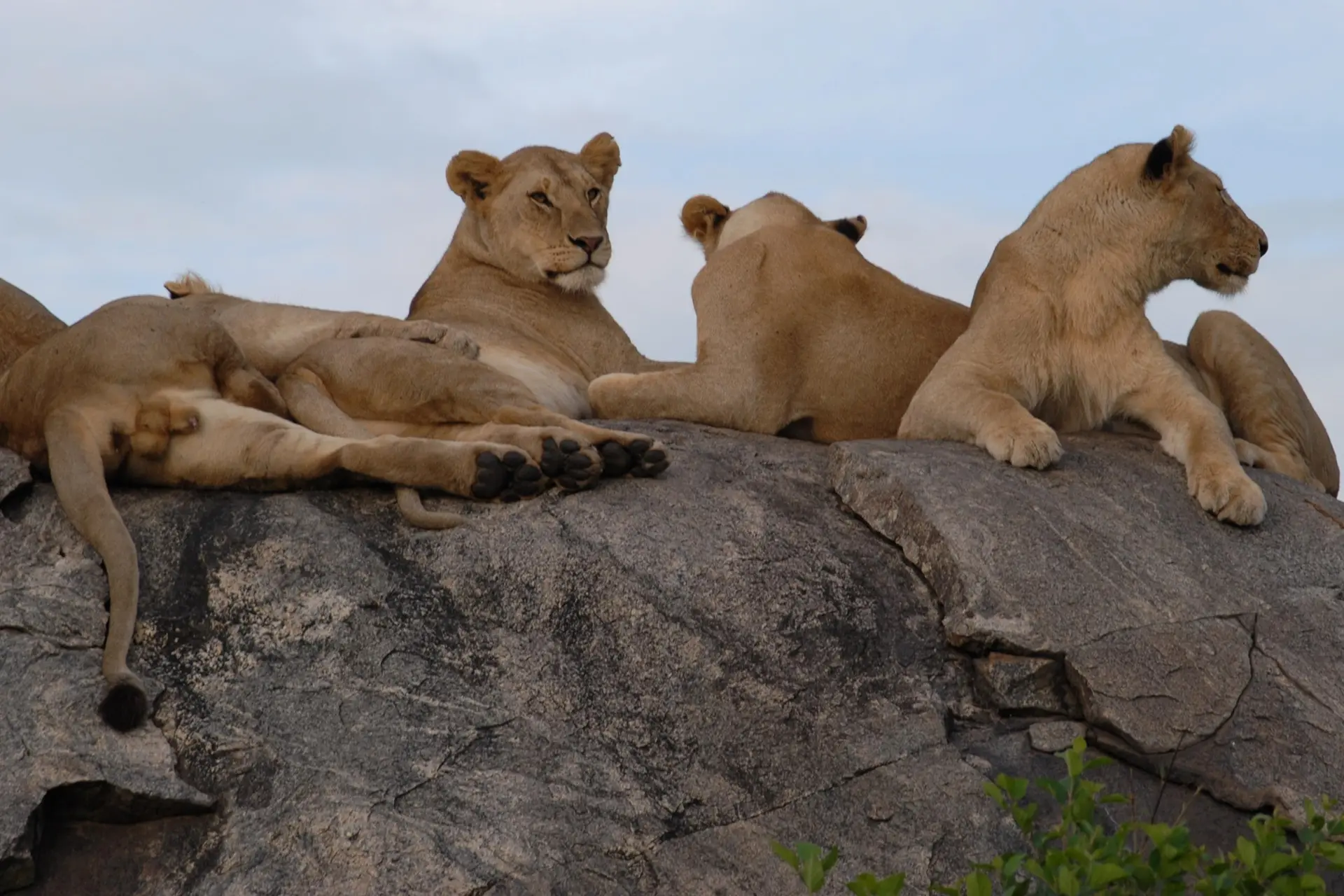
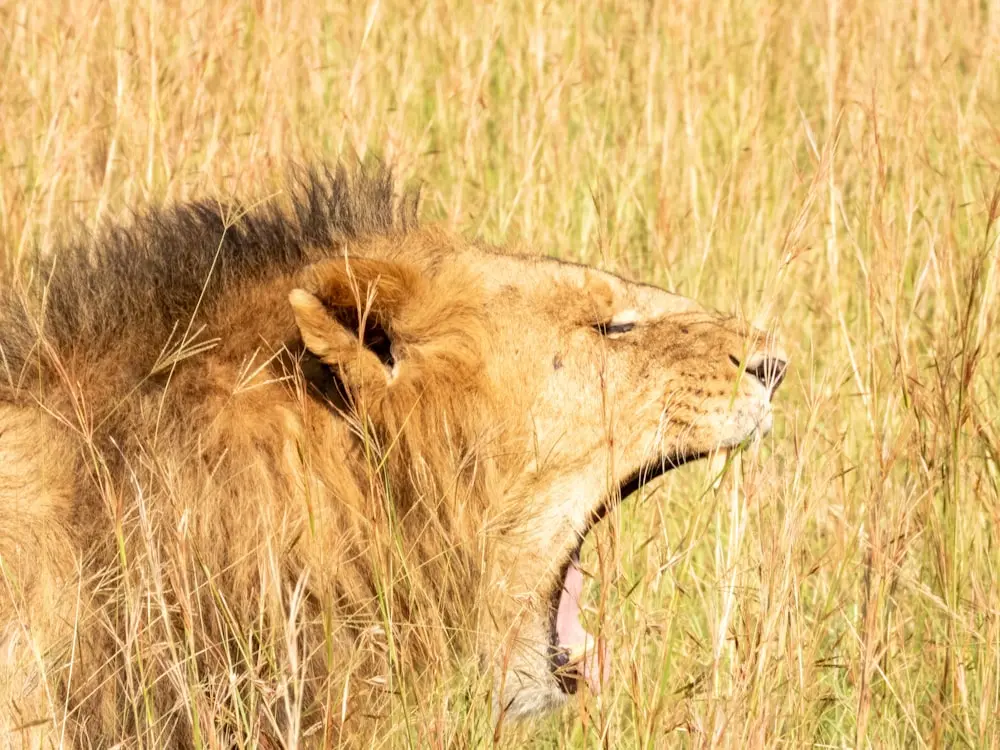
Abundant, with an estimated 3,000+ individuals and prides frequently seen resting on kopjes during the heat of the day. Serengeti prides have been studied continuously since 1966, giving guides deep knowledge of territories. Sighting odds: very high.
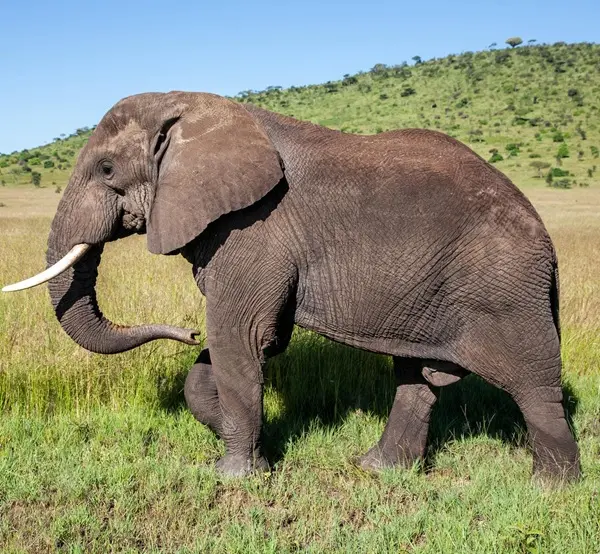
African Elephant
Common throughout the park, especially along the Western Corridor's woodland, often in matriarchal herds of 10–30 individuals led by the oldest female. Sighting odds: very high.
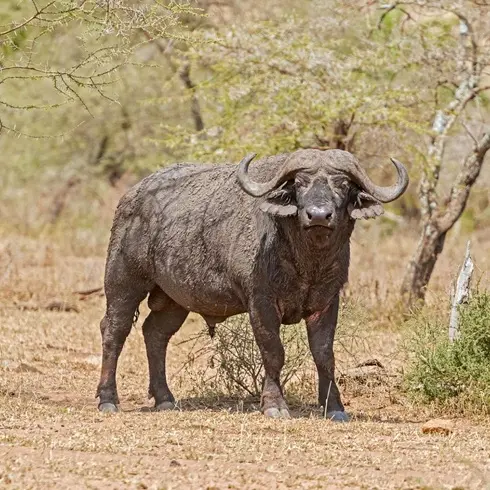
African Buffalo
Large herds of several hundred are a near-daily sighting near permanent water, particularly around Central Serengeti. Lone old males are considered by many guides the single most dangerous animal in Africa when cornered. Sighting odds: very high.
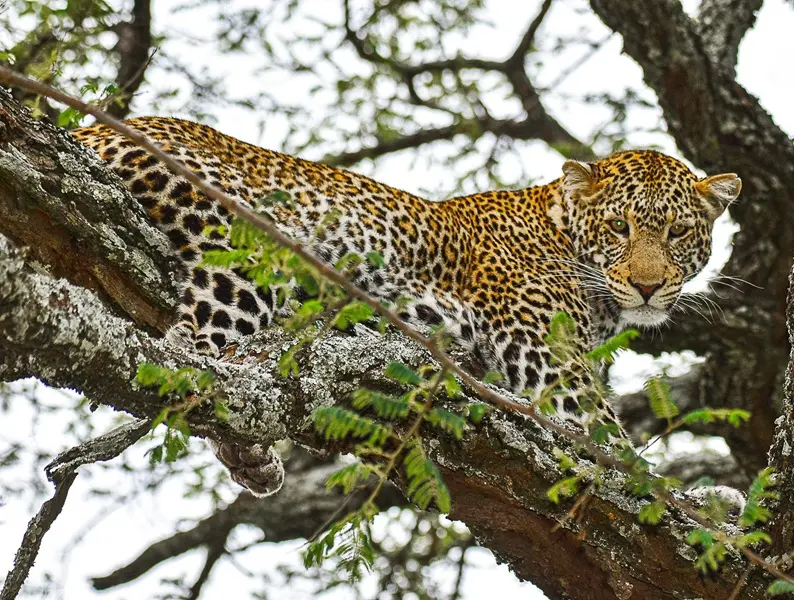
Leopard
Present but elusive — solitary, largely nocturnal, and reliant on camouflage; Central Serengeti's riverine trees and kopjes are the best place to look, especially early morning. Sighting odds: high, with patience.
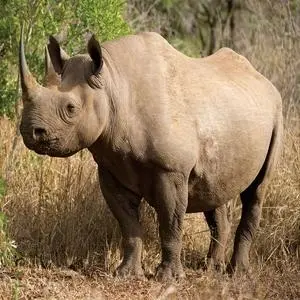
Black Rhino
A small, carefully protected population survives around the Moru Kopjes area, decimated by poaching in the 1970s–80s and never fully recovered within the park. Sighting odds: low.
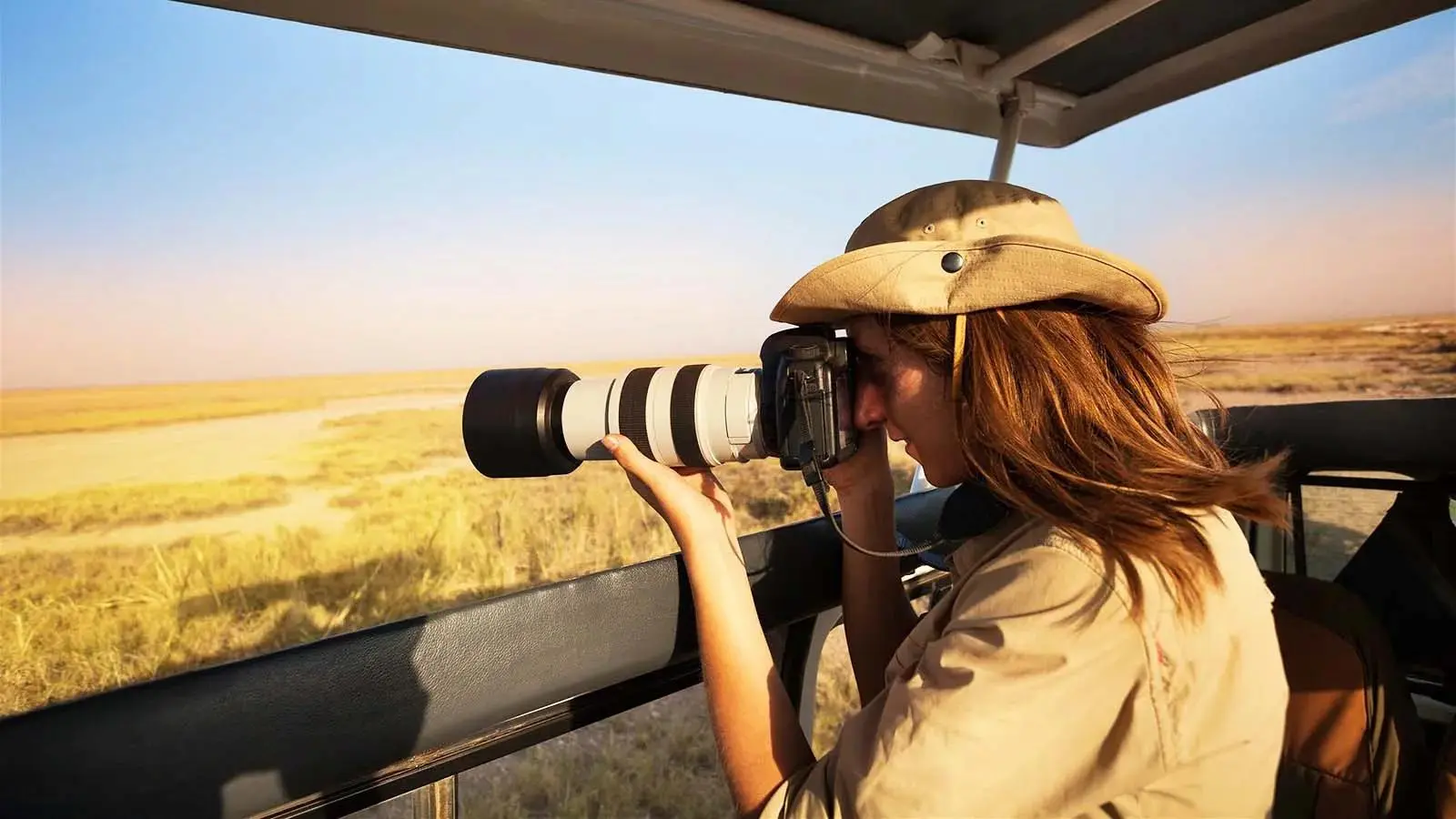
Capturing all five well
- →For leopards, keep your camera ready at all times near riverine trees — sightings are often brief and easily missed if you're not prepared.
- →Elephants and buffalo allow closer, longer shots — use the time to capture behaviour and interaction, not just static portraits.
- →In Ngorongoro Crater, bring a longer lens (400mm+) — rhino sightings are often at a considerable distance across the crater floor.
- →Shoot lions at golden hour on kopjes for dramatic, warm-toned portraits with good separation from the background.
- →A monopod or beanbag steadies shots of leopards in trees, where handholding a long lens from a moving vehicle can introduce blur.
- →Buffalo herds photograph well with a wide-angle lens when close, capturing scale and numbers rather than just a single animal.
- →Early morning in Ngorongoro Crater often produces mist over the crater floor — a striking backdrop for distant rhino or lion shots if you're set up before the sun fully burns it off.
- →Continuous autofocus tracking helps enormously with elephant herds moving through woodland, where branches and shifting light can otherwise confuse single-point focus.
Plan your Big Five safari
We'll design an itinerary across the Serengeti and Ngorongoro Crater to maximise your realistic Big Five sighting odds.