Tanzania Safari
Complete Guide
Everything a first-time visitor needs to know — wildlife, parks, costs, WiFi, daily routines, family & solo tips, and how to book. No guesswork, no surprises.
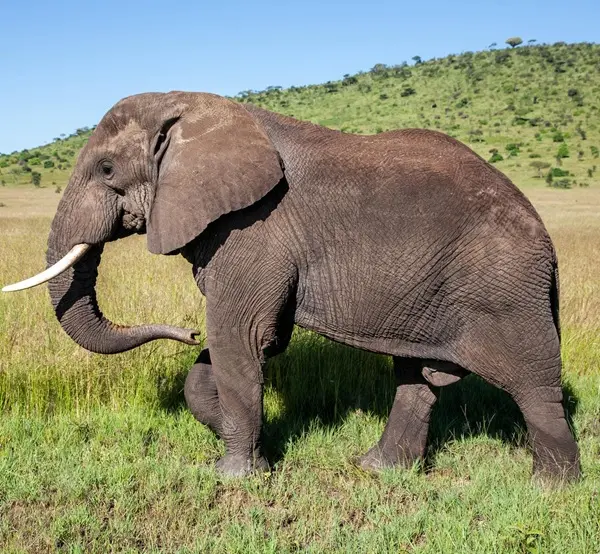
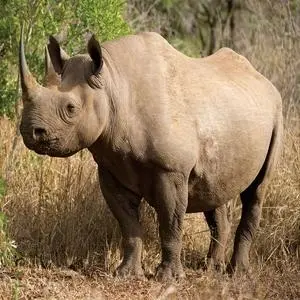
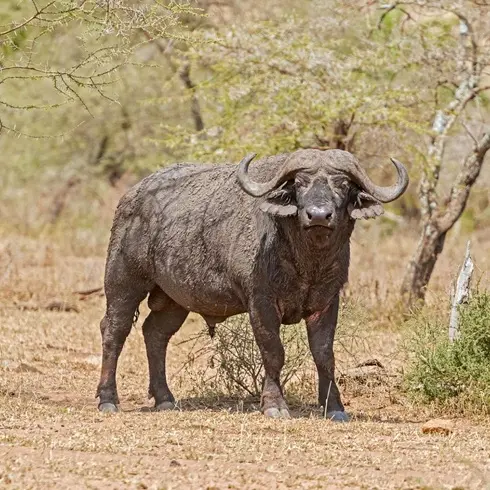
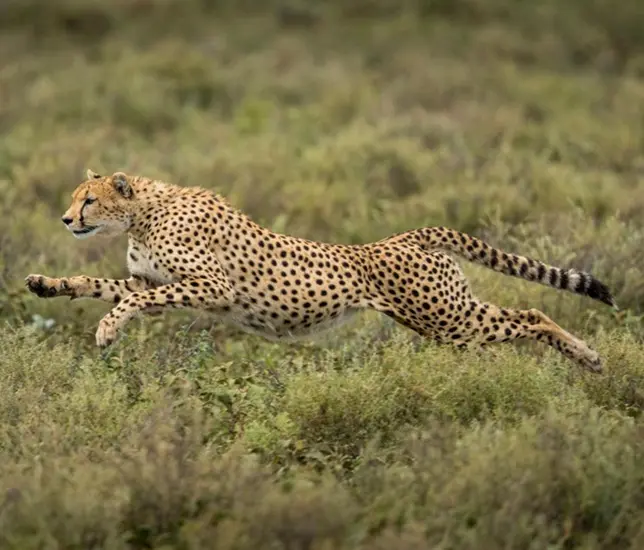
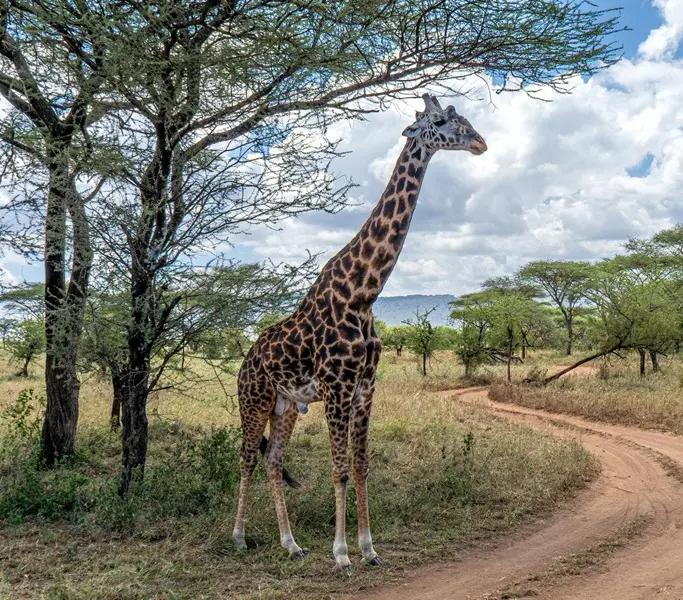
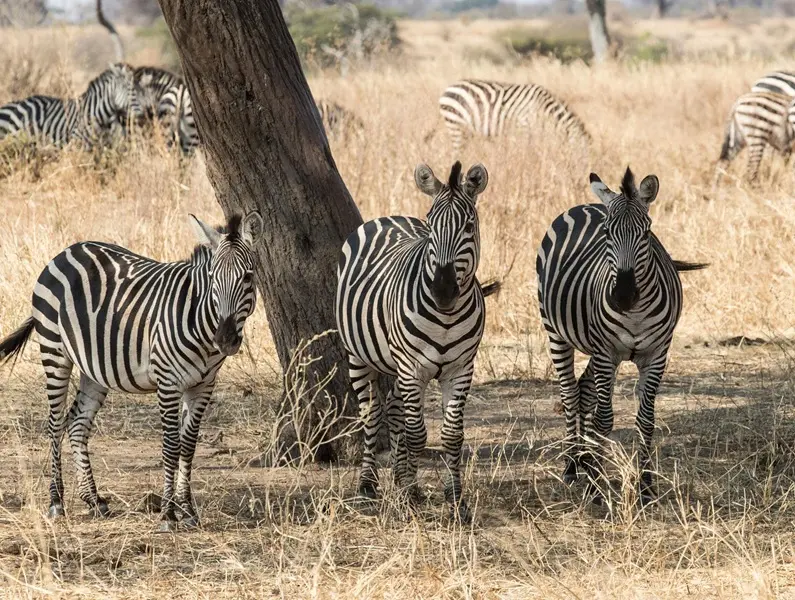
Tanzania is a country in East Africa where you ride through national parks in a 4×4 vehicle with a trained guide and watch wild animals roaming freely across open landscapes. Lions, elephants, giraffes, zebras, leopards — completely uncontrolled, in their natural habitat. It's one of the most powerful experiences a human can have.
The country covers 945,000 km² and has 22+ national parks and reserves, three UNESCO World Heritage Sites, Africa's highest mountain (Kilimanjaro, 5,895 m), and the tropical island of Zanzibar — all accessible from a single trip.
Tanzania is welcoming to all travelers — first-timers, families with children, solo adventurers, retirees, honeymoon couples, photography enthusiasts, and large groups. English is widely spoken, the tourism infrastructure is well developed, and the country is generally considered among Africa's safer destinations for organised tourism.
First time on safari? Don't worry. Everything is organised for you: guide, vehicle, accommodation, and meals. You simply show up, look out the window, and be amazed. This guide answers every question you might have before you go.
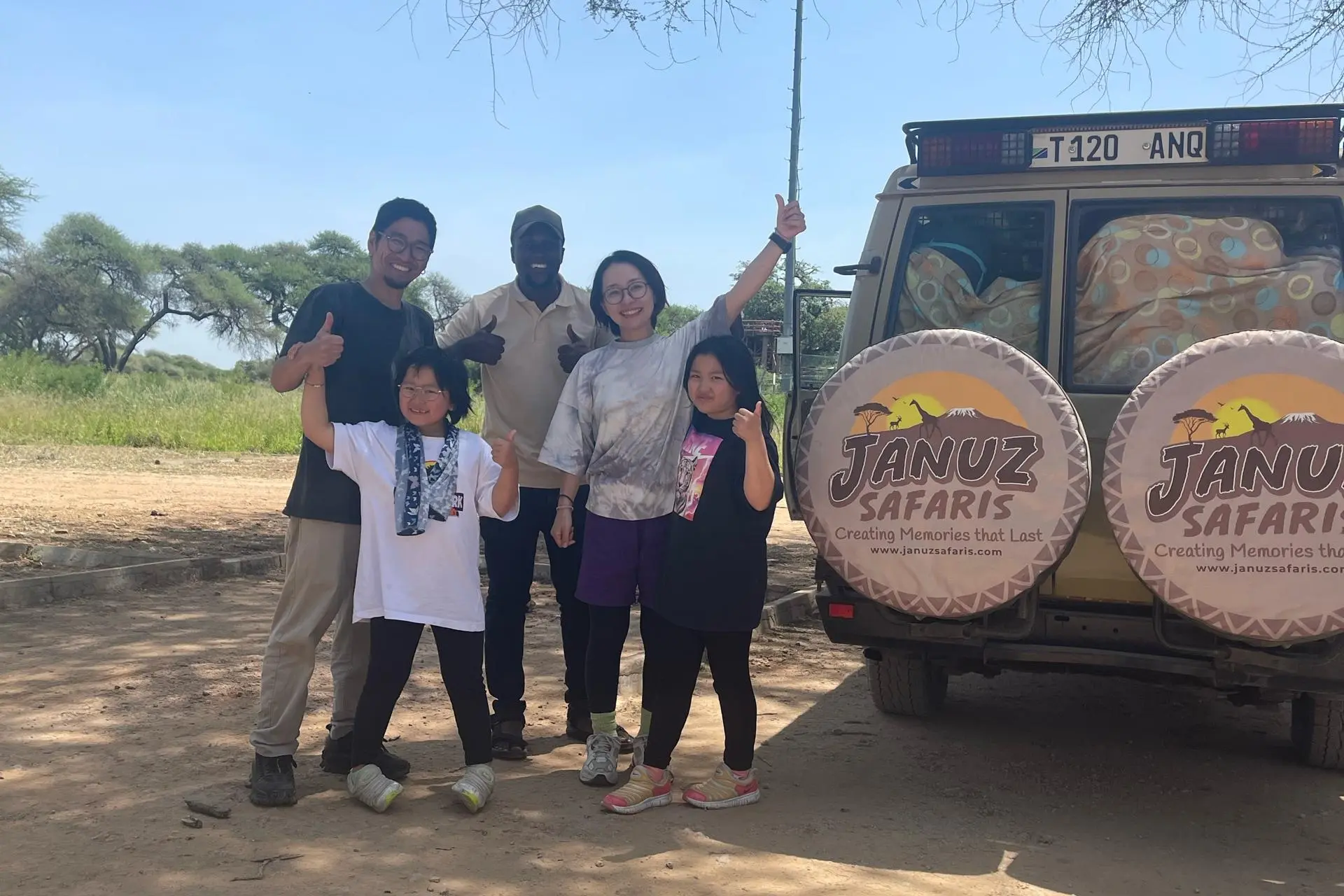
Traveling with Children
Tanzania is an incredible destination for families, but some planning is needed to make it safe and enjoyable for kids. Children who are at least 6 years old generally do well on safari — younger children can find the long game drives challenging and some lodges restrict age. For private safaris, even younger children can join.
Kids are naturally fascinated — spotting animals becomes a genuine game. Many guides carry children's field guides and will quiz your children on animal tracks. By day two, most kids are the first ones up in the morning, binoculars in hand.
Best parks for families: Tarangire (elephants everywhere), Ngorongoro Crater (dense wildlife, short drives), Lake Manyara (variety, small area). Avoid very remote areas with young children.
Great for Families
- Private vehicles mean your own pace — stop anytime
- Lodges with family rooms and children's menus
- Many guides are brilliant with kids
- Zanzibar beach extension is perfect for children
- Educational — kids learn about ecosystems
- Malaria medication available for all ages
! What to Prepare
- !Book private vehicle (not shared) for flexibility
- !Confirm minimum age at each lodge (usually 6–8)
- !Bring children's malaria prophylaxis
- !Pack entertainment for long transfer drives
- !Carry paediatric rehydration sachets
- !Sun protection is essential for children
Send Enquiry
Fill out our form with dates, group size, and interests. No commitment.
Receive Itinerary
Within 24 hours we send a free custom itinerary with options and pricing.
Confirm & Deposit
Approve your itinerary. Pay a 30% deposit to secure all bookings.
Fly to Tanzania
We meet you at the airport. Everything from here is handled for you.
Experience Africa
Daily game drives, incredible wildlife, unforgettable moments.
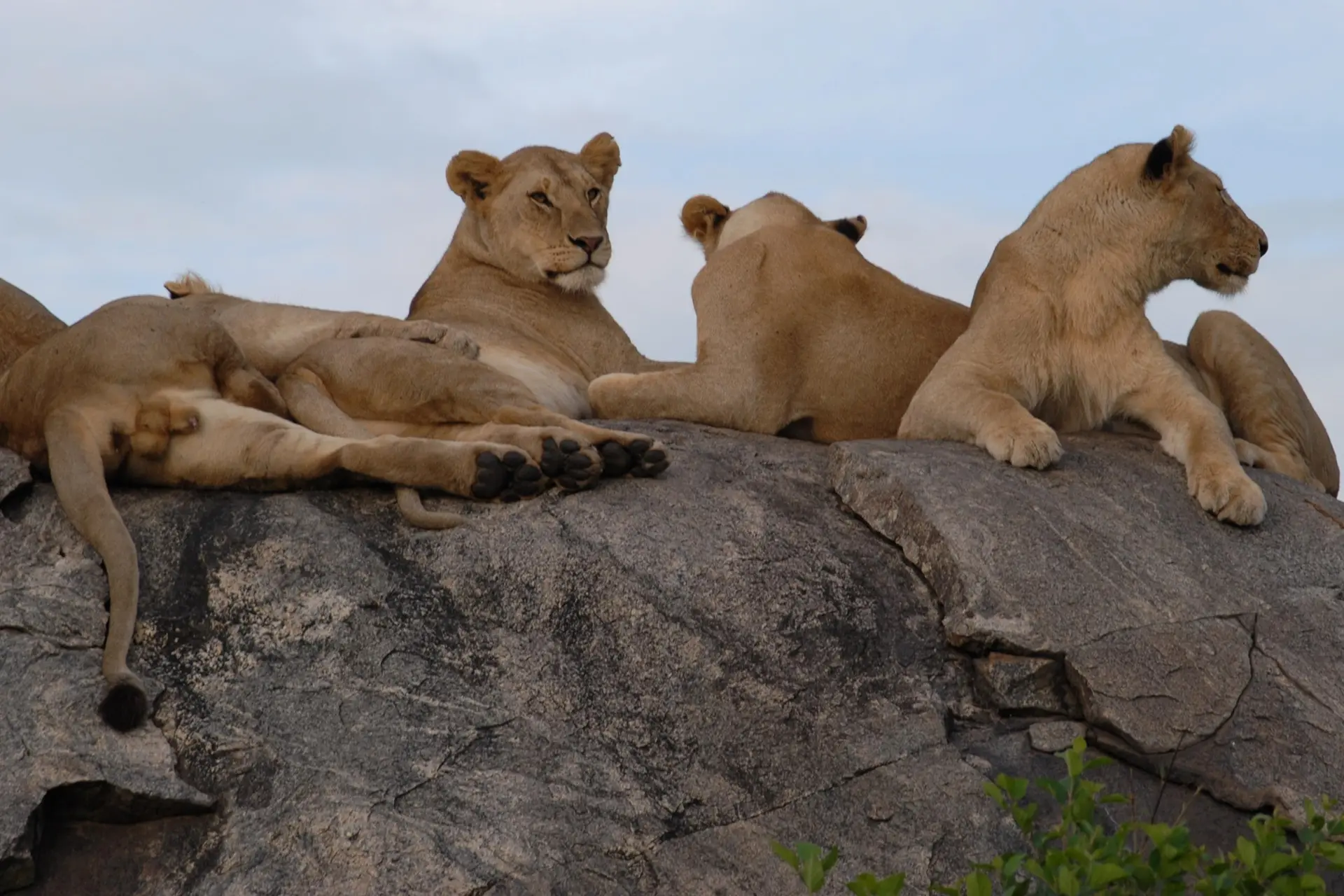
Serengeti National Park
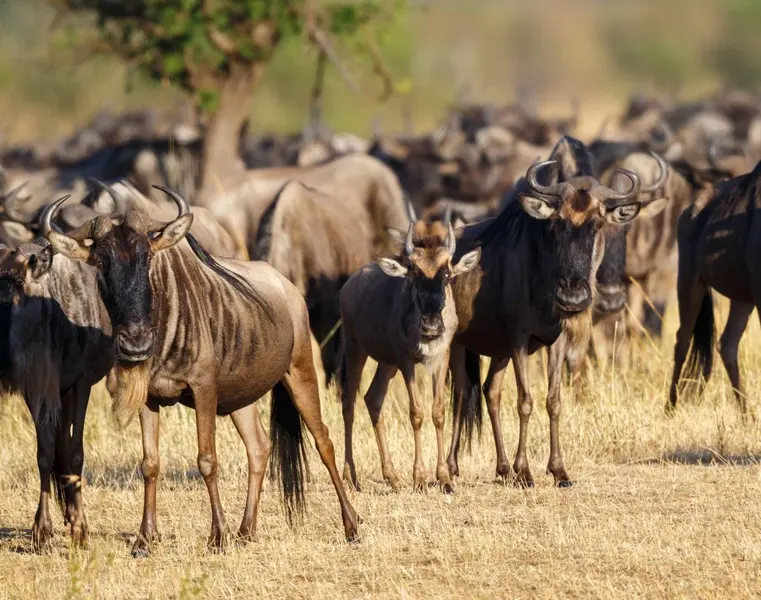
One of the world's most iconic wildlife sanctuaries — 14,763 km² of grassland teeming with lions, cheetahs, leopards, and the Great Migration of about 1.5 million wildebeest.
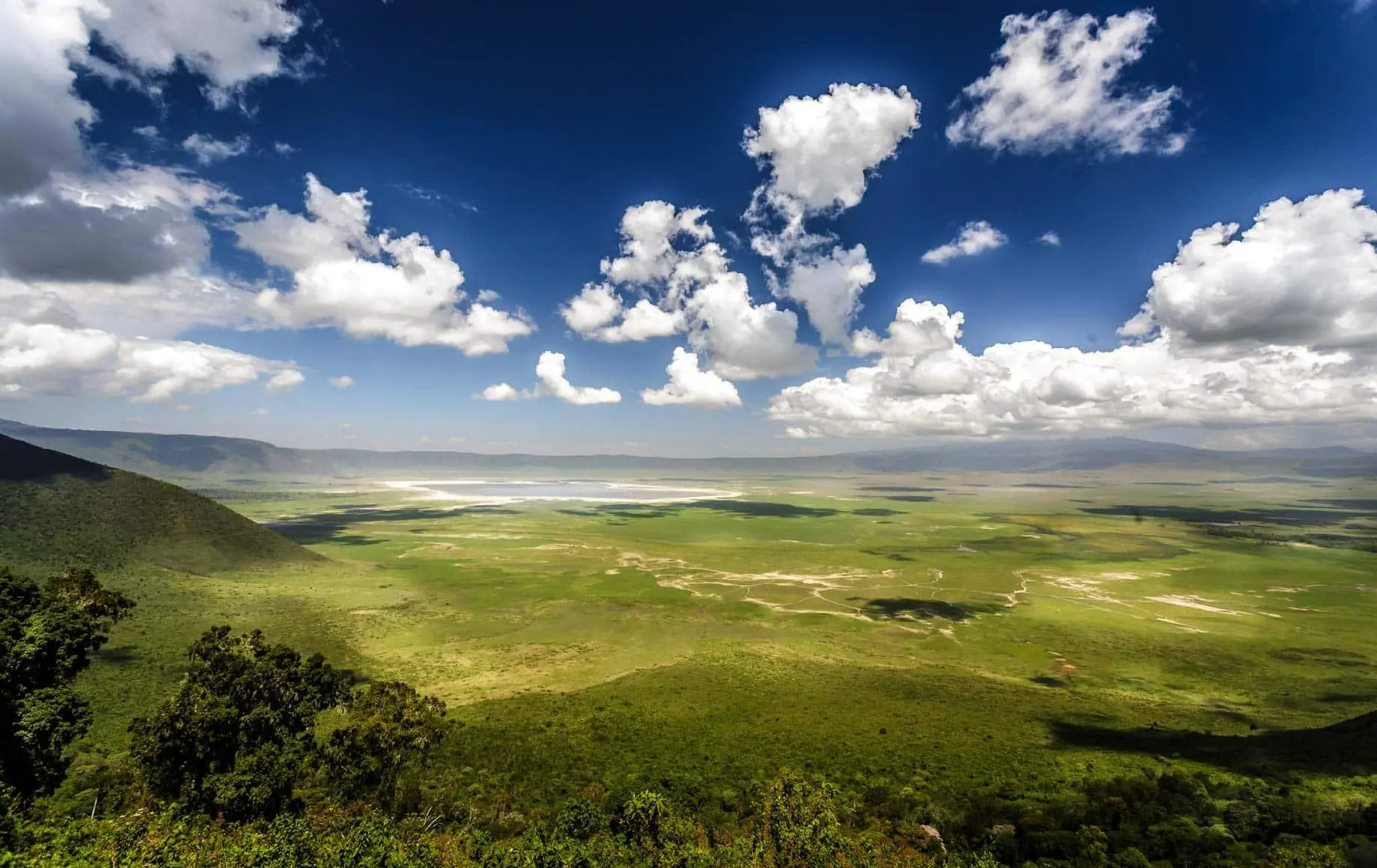
Ngorongoro Crater
A 260 km² volcanic caldera — Africa's Garden of Eden — with the densest wildlife concentration on Earth.
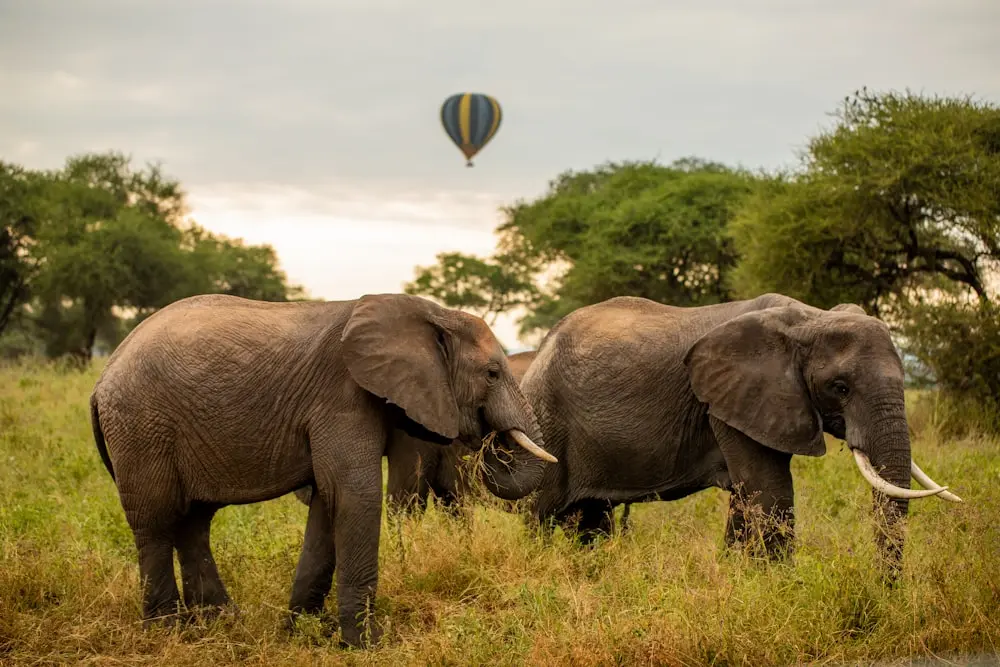
Tarangire National Park
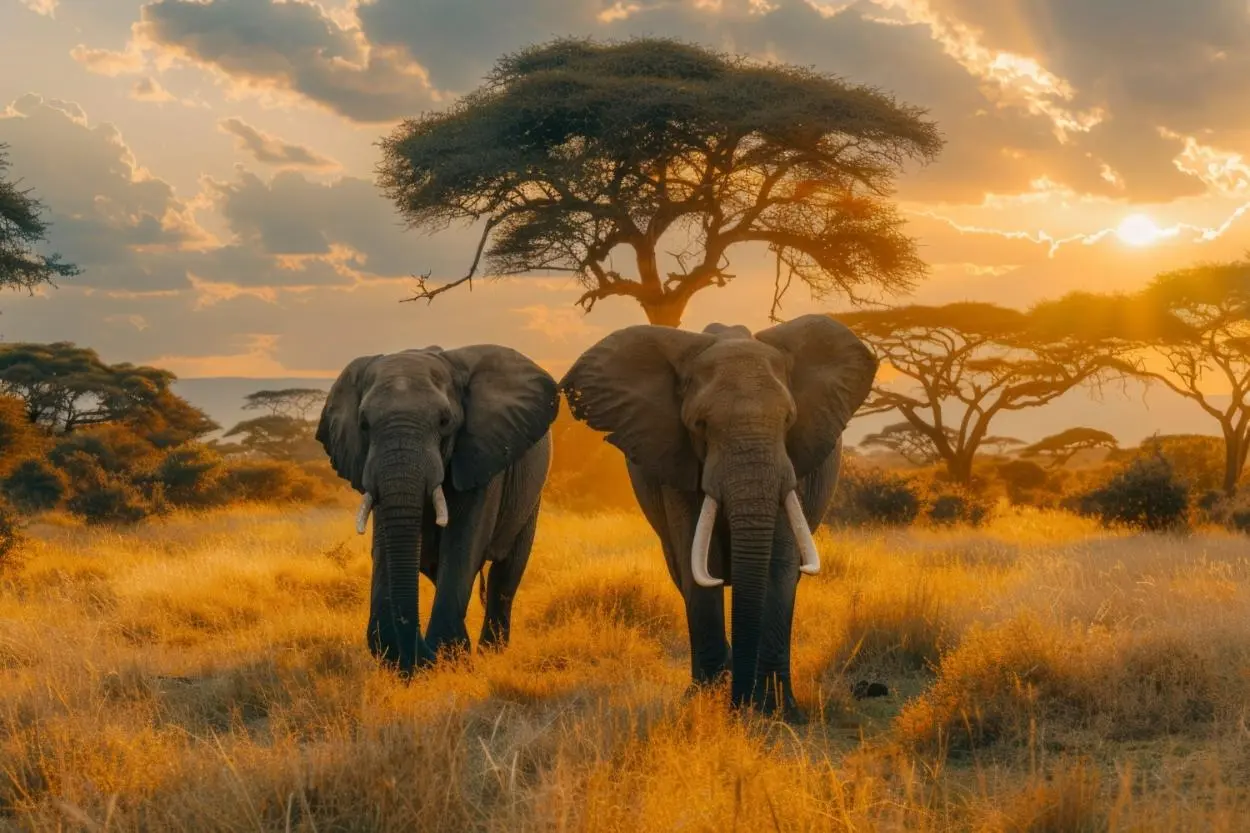
Ancient baobab forests and Africa's largest elephant herds. Less crowded than Serengeti.
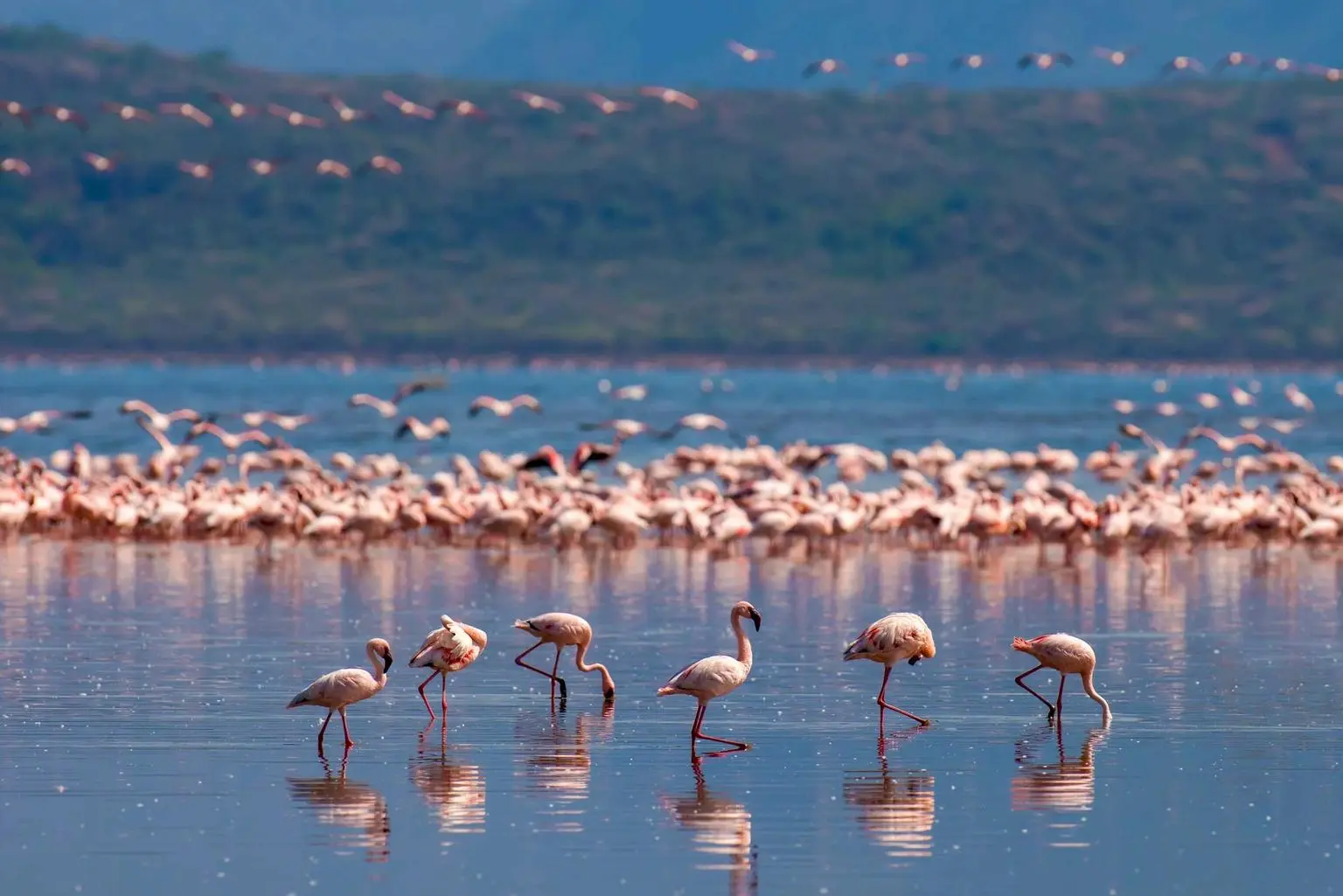
Lake Manyara
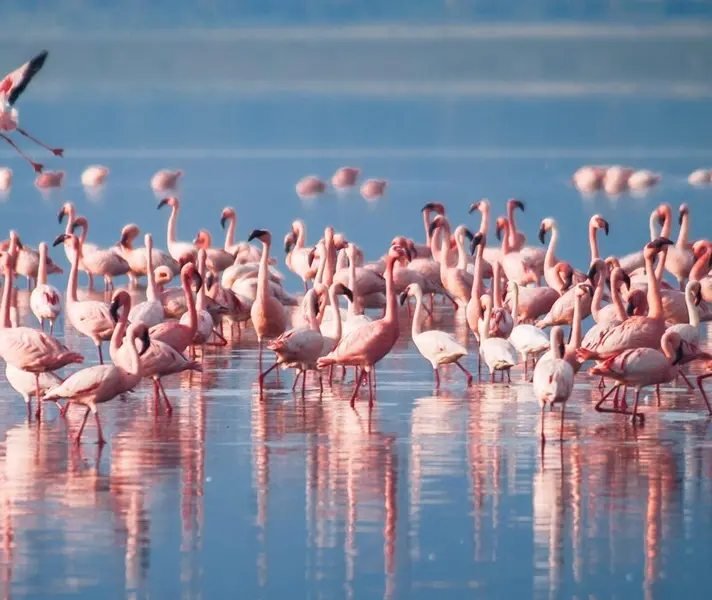
Famous for tree-climbing lions and vast flamingo flocks. A compact park with diverse habitats.
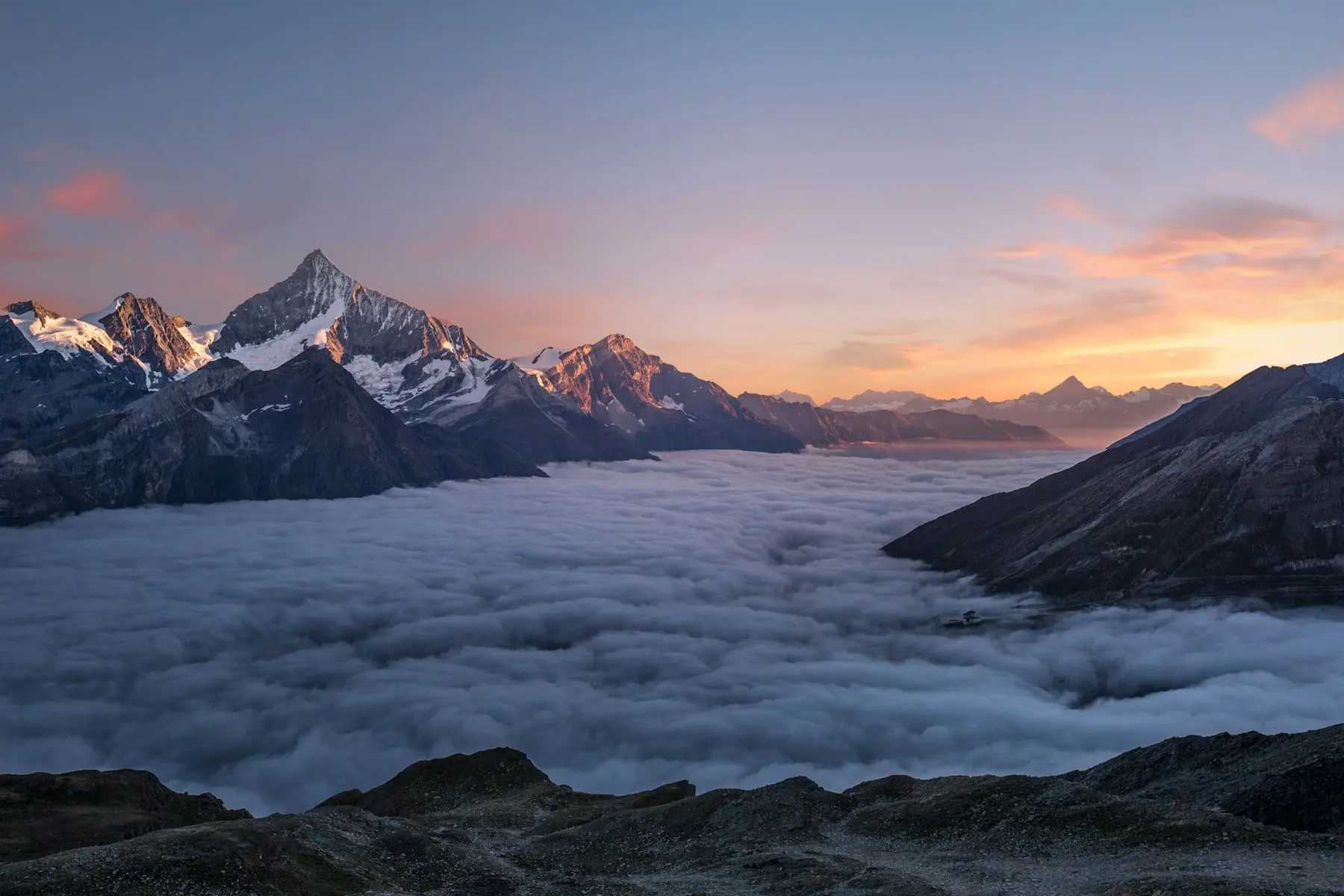
Mount Kilimanjaro
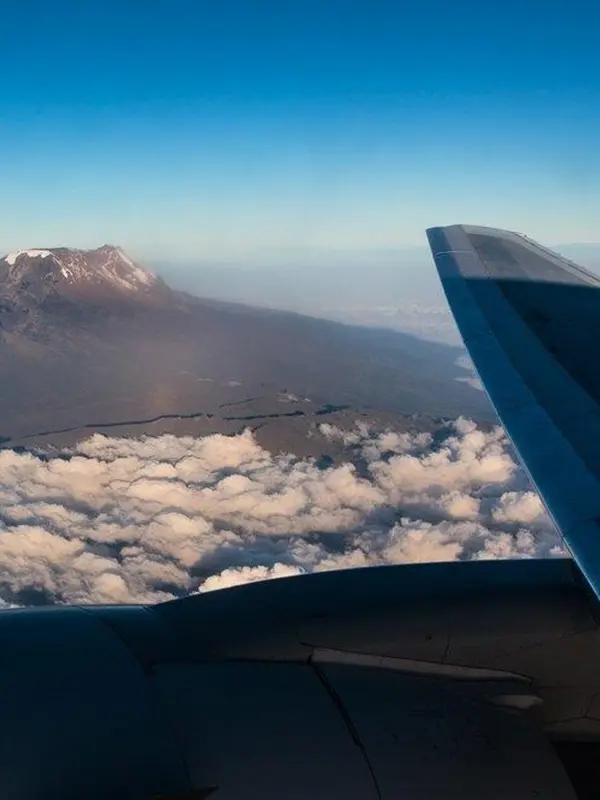
Africa's rooftop at 5,895 m. Climb in 6–9 days or gaze at the snow cap from a lodge.
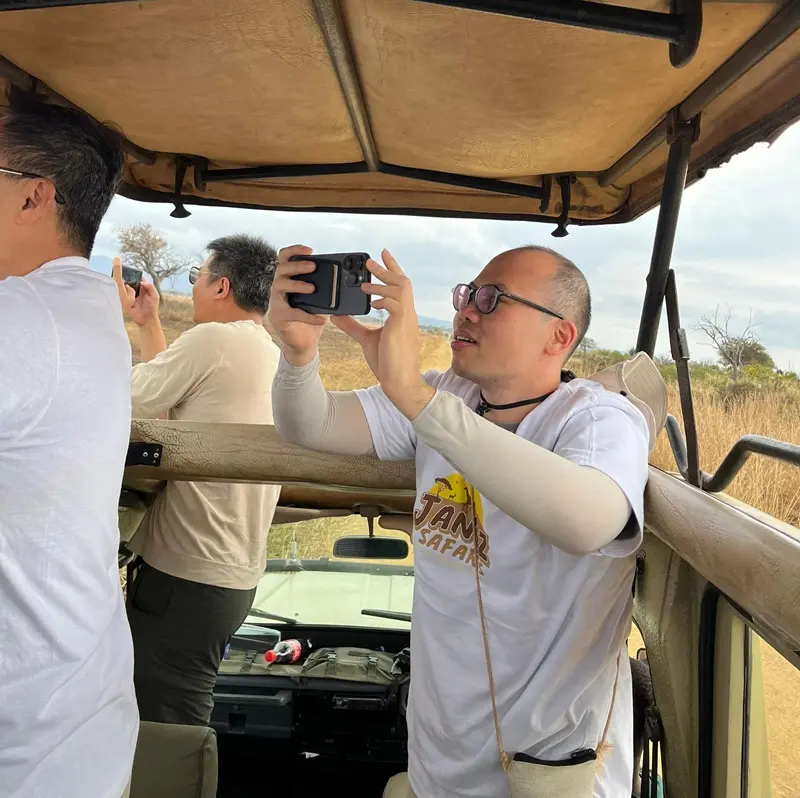
Game Drive
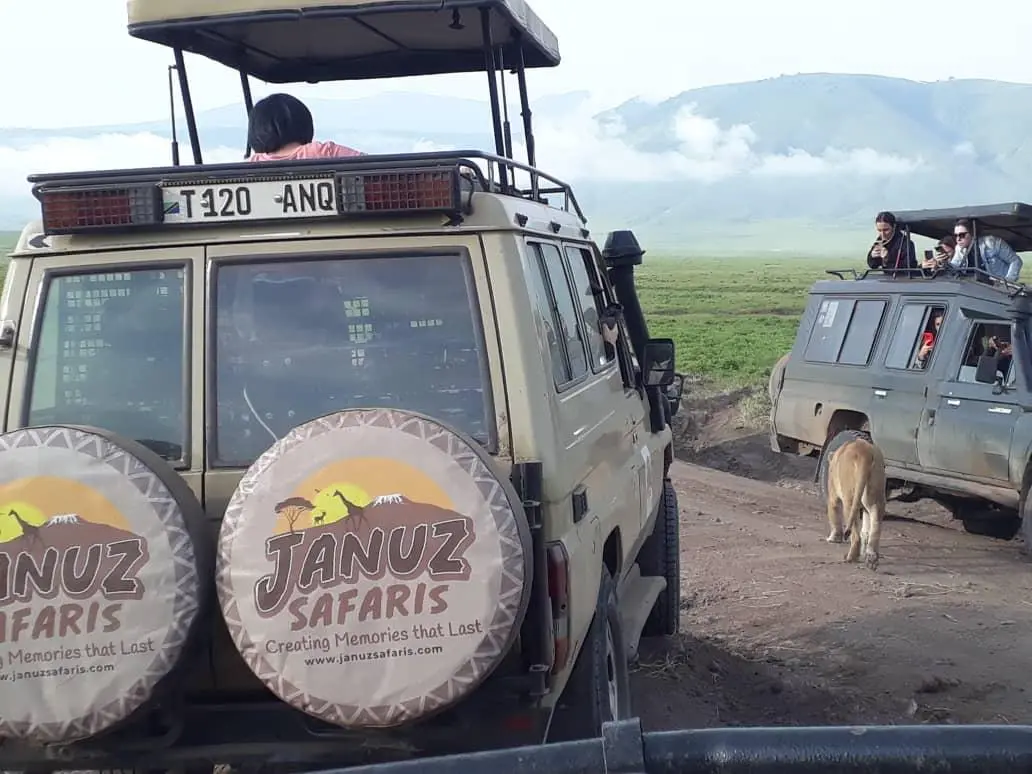
The classic experience. 4×4 Land Cruiser with pop-up roof. Dawn and dusk drives guided by an expert.
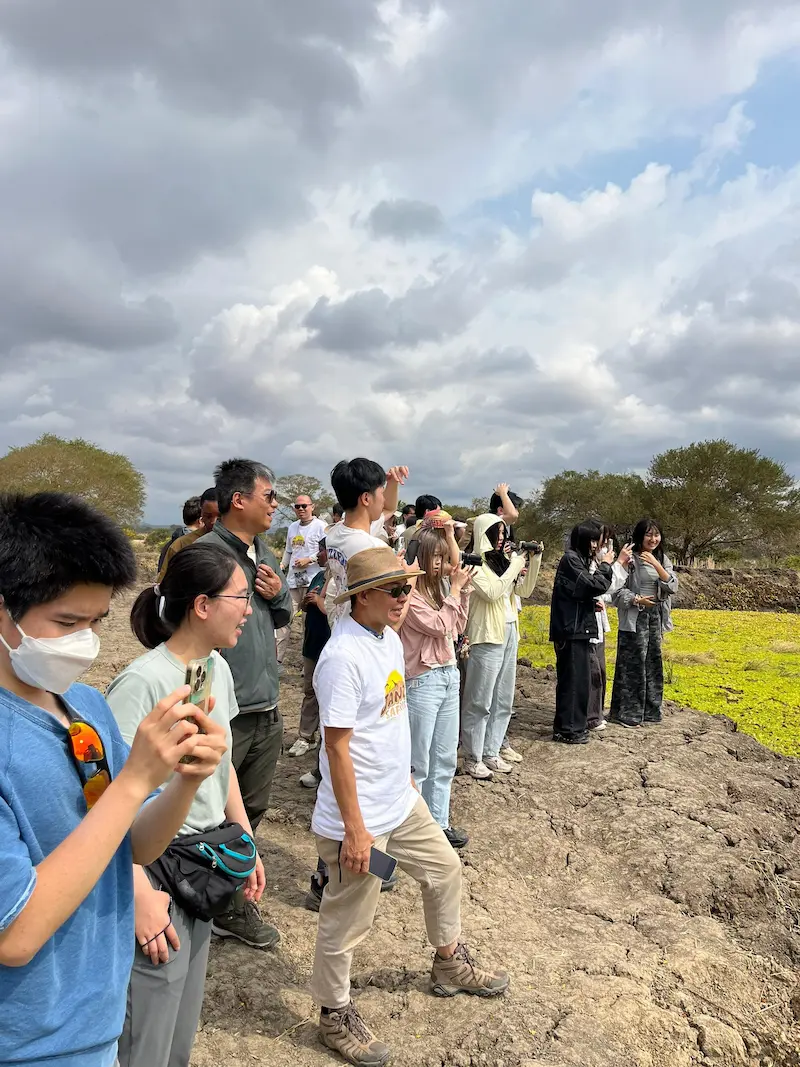
Walking Safari
Walk with an armed ranger. Learn tracks, discover insects, plants, and experience the bush differently.
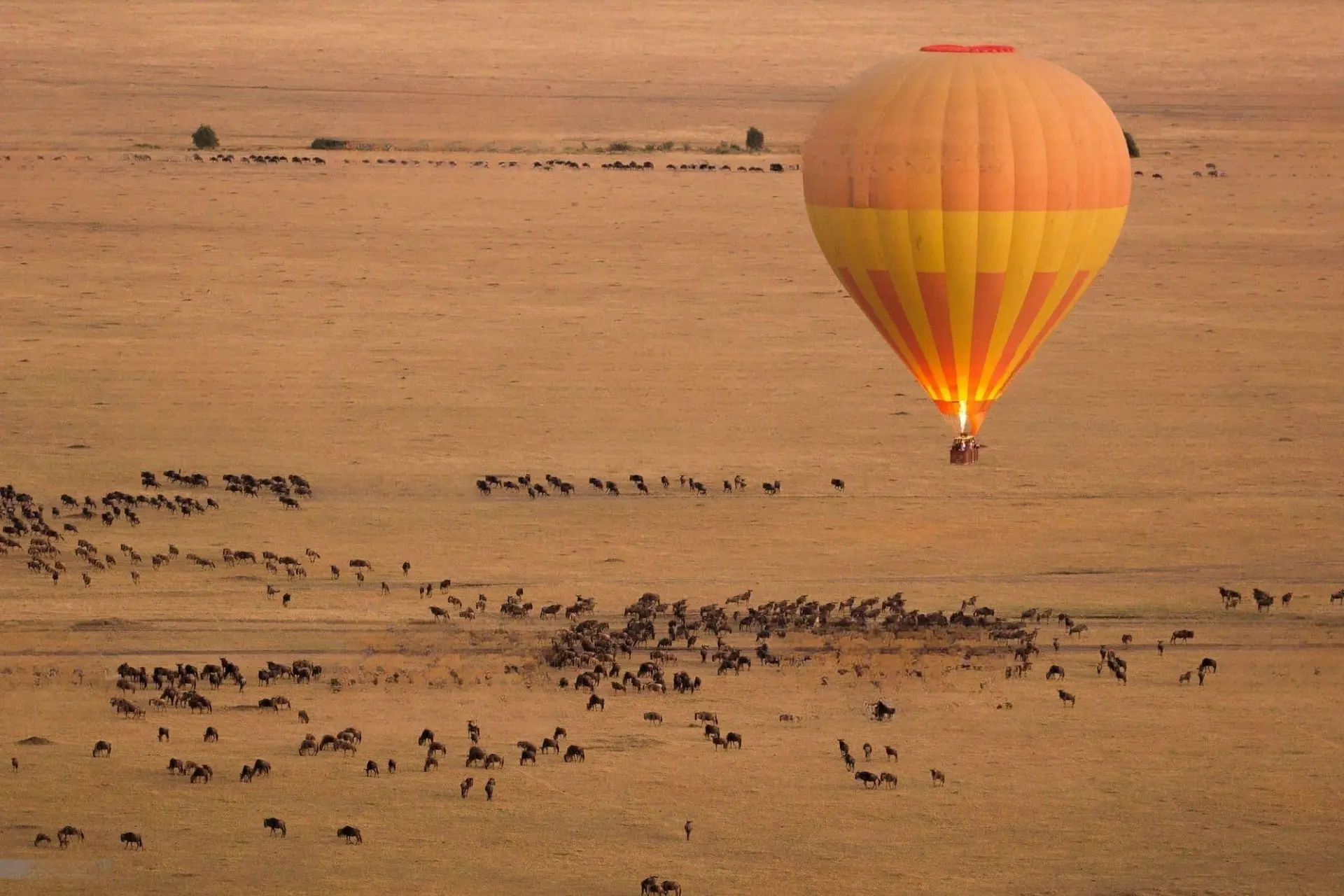
Balloon Safari
Float silently over the Serengeti at sunrise. Watch the migration below. Champagne bush breakfast.
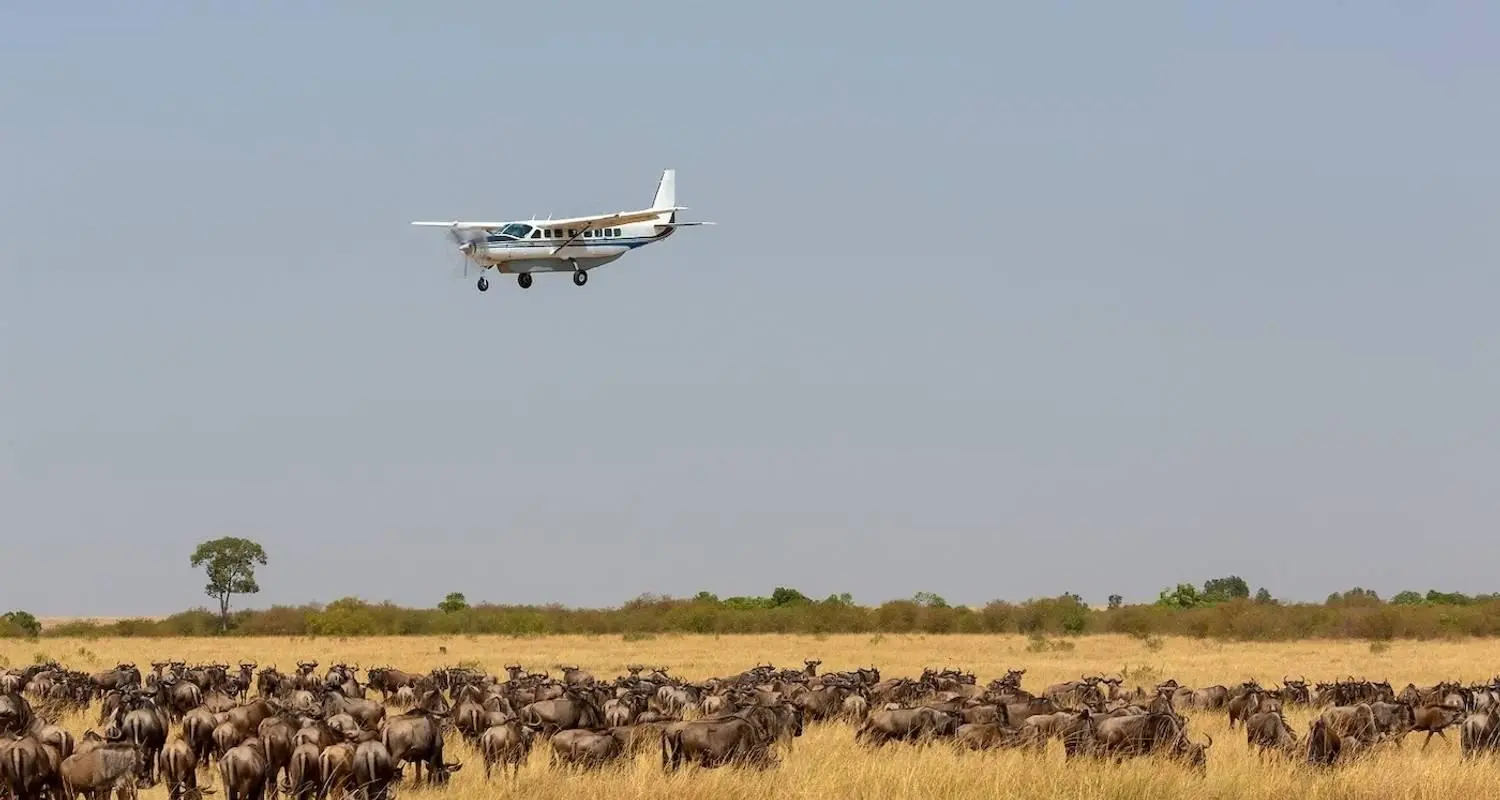
Fly-In Safari
Hop between remote camps in small bush planes. Skip long road drives. Ideal for short trips.
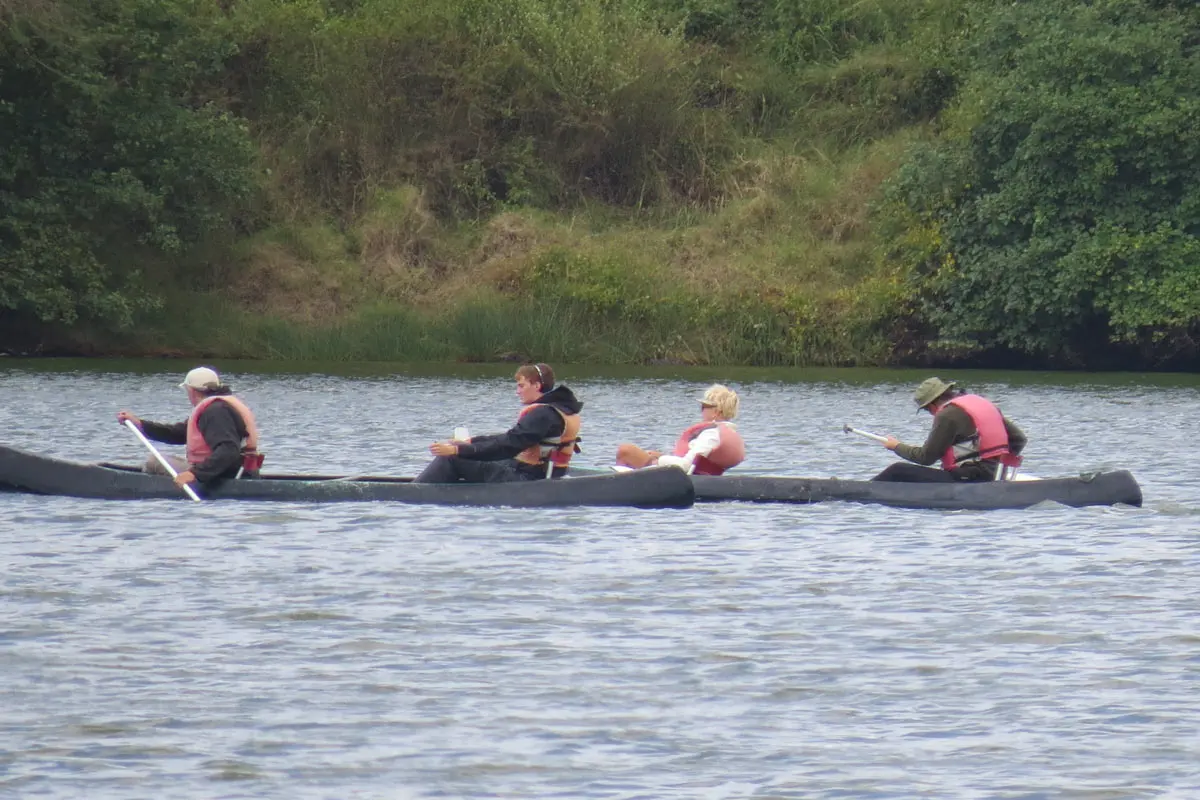
Boat Safari
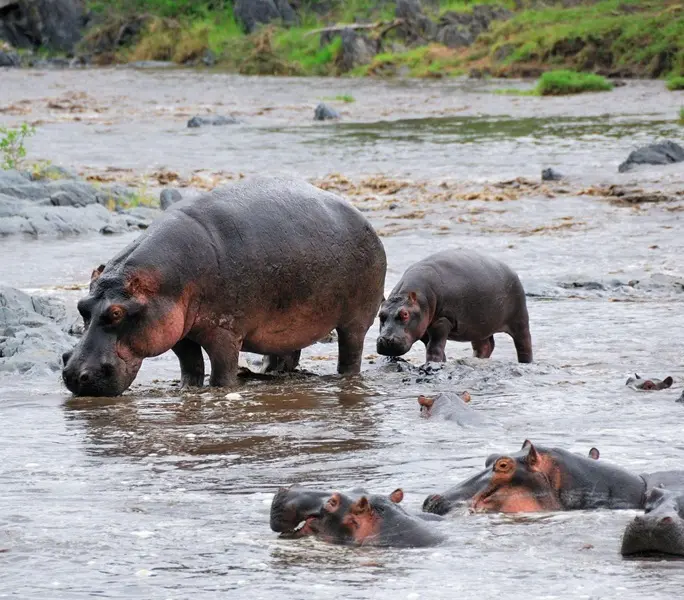
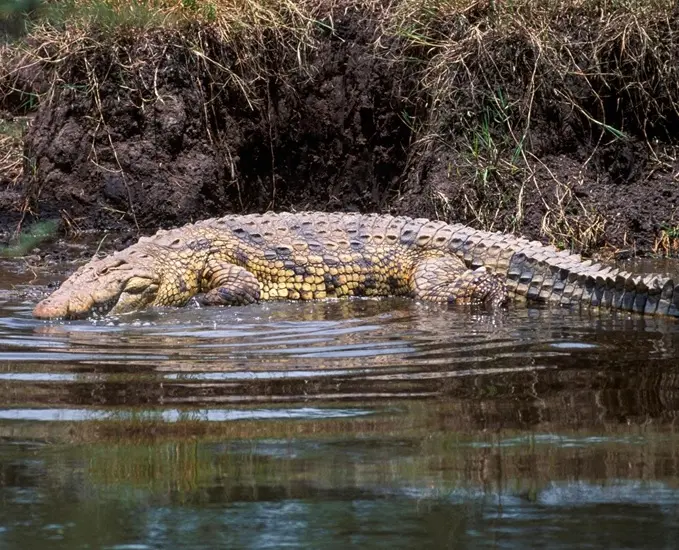
Glide along the Rufiji River. Watch hippos surface, crocodiles bask, elephants wade.
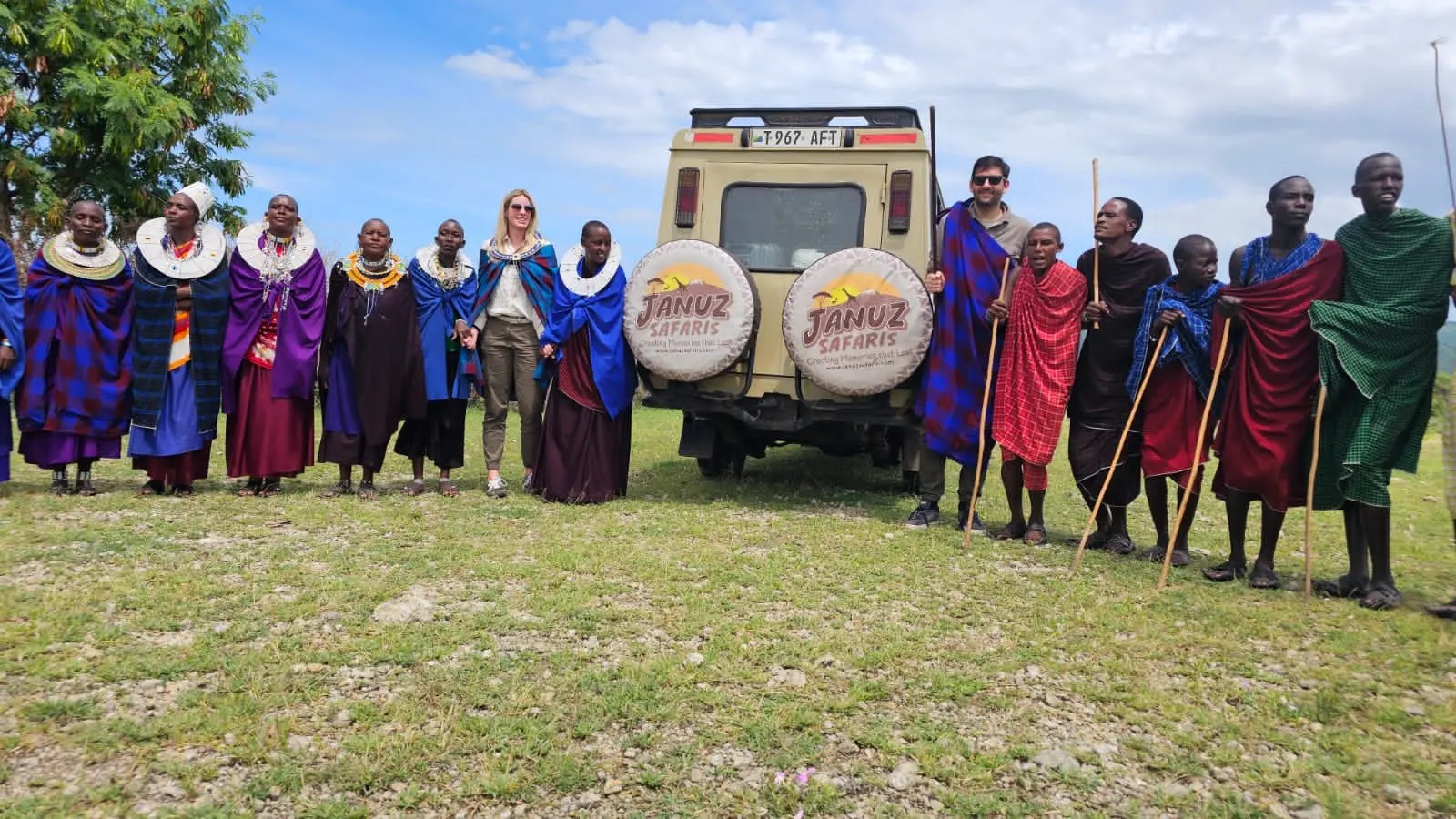
Cultural Safari
Visit Maasai villages, traditional markets, local schools. Connect with Tanzania's 120+ ethnic groups.
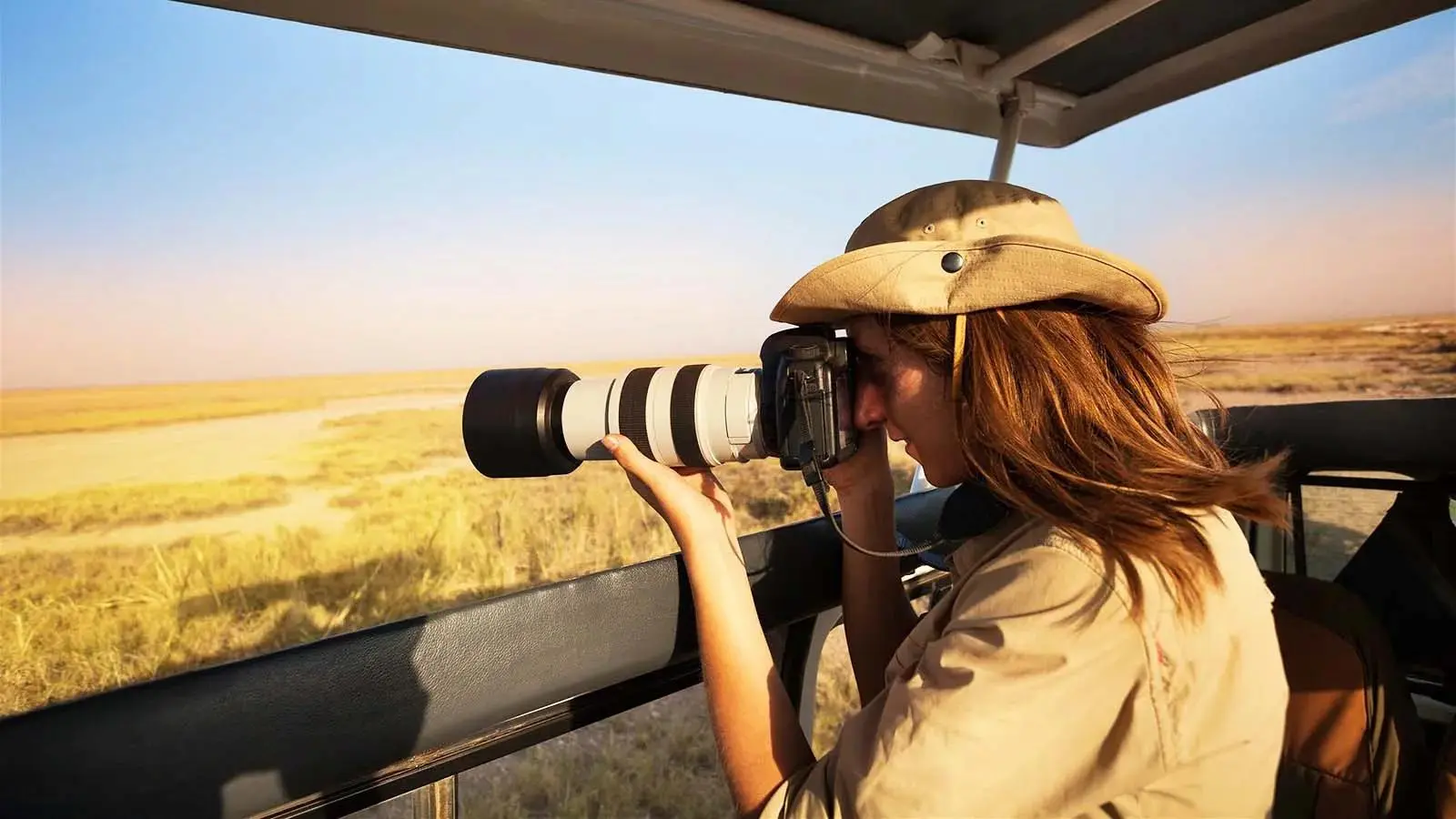
Photography
Specialist guides, vehicles configured for cameras, golden-hour positioning, unlimited stops.
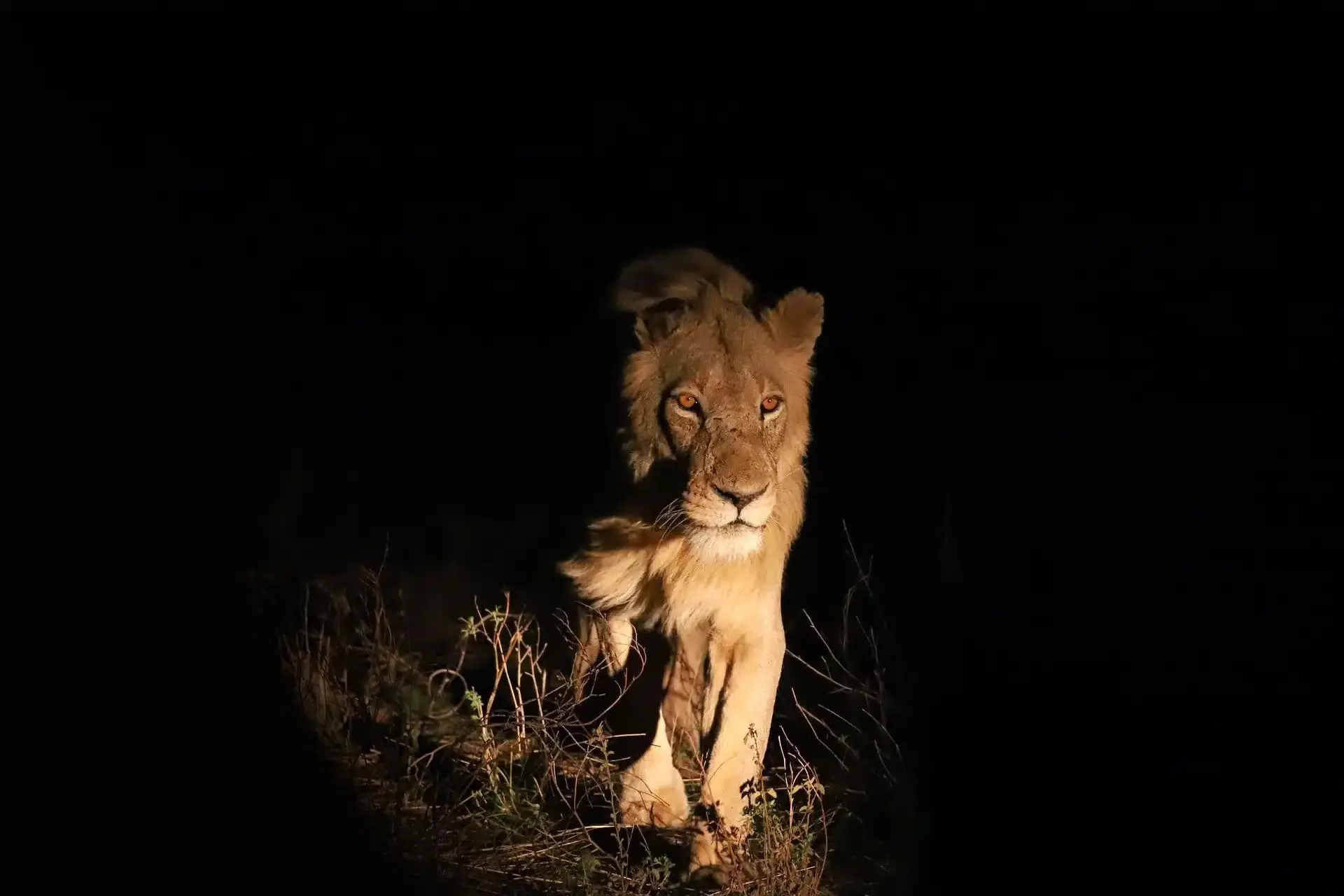
Night Drive
After dark the nocturnal world awakens. Spotlights reveal civets, servals, aardvarks, and predators.
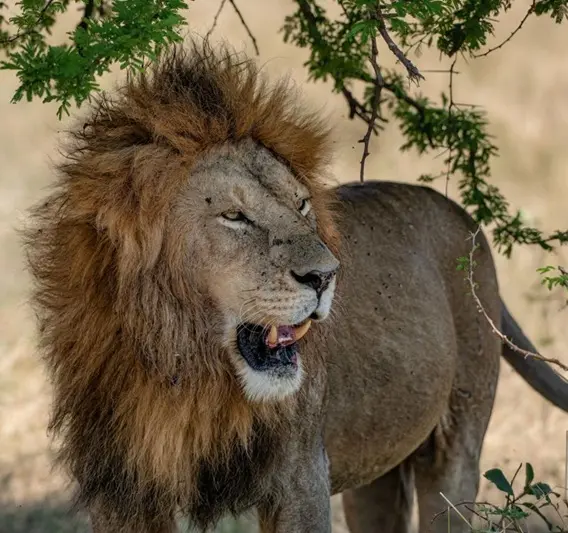
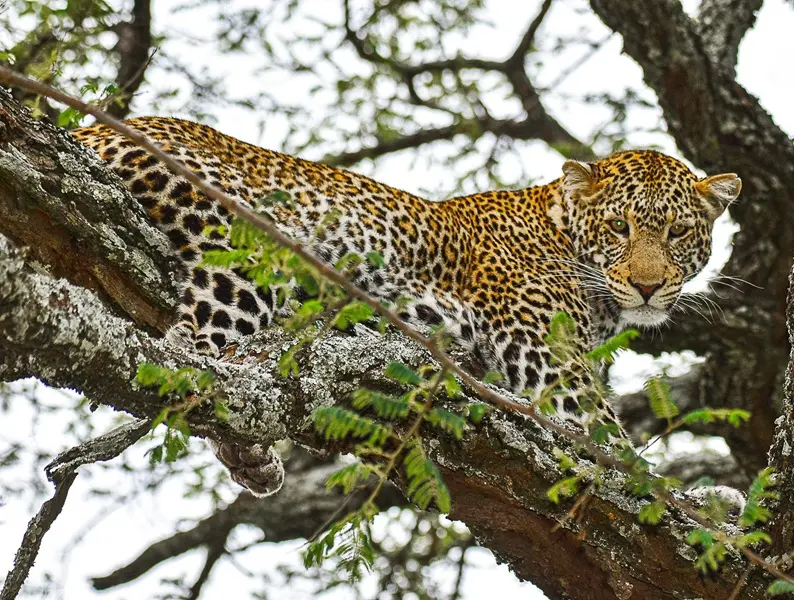
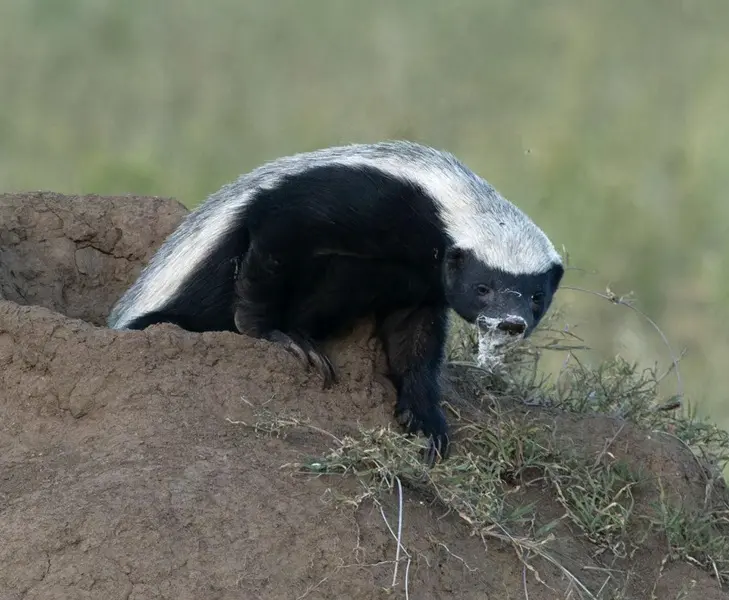
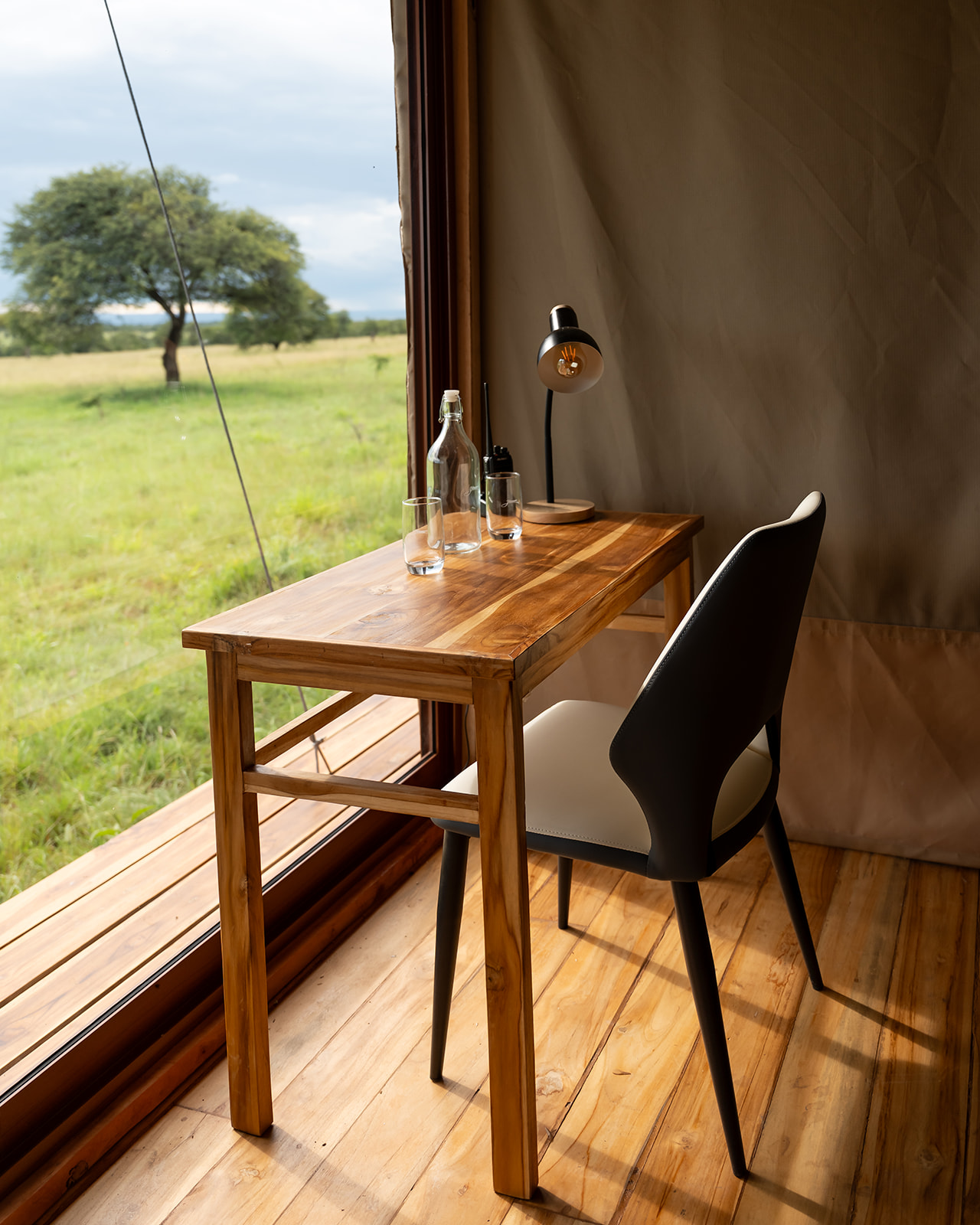
Early Wake-Up & Bush Coffee
Your camp wake-up call comes before sunrise. Hot coffee or tea is waiting at the dining area — often beside a campfire in cooler months. Dress in layers; mornings are cool even in summer.
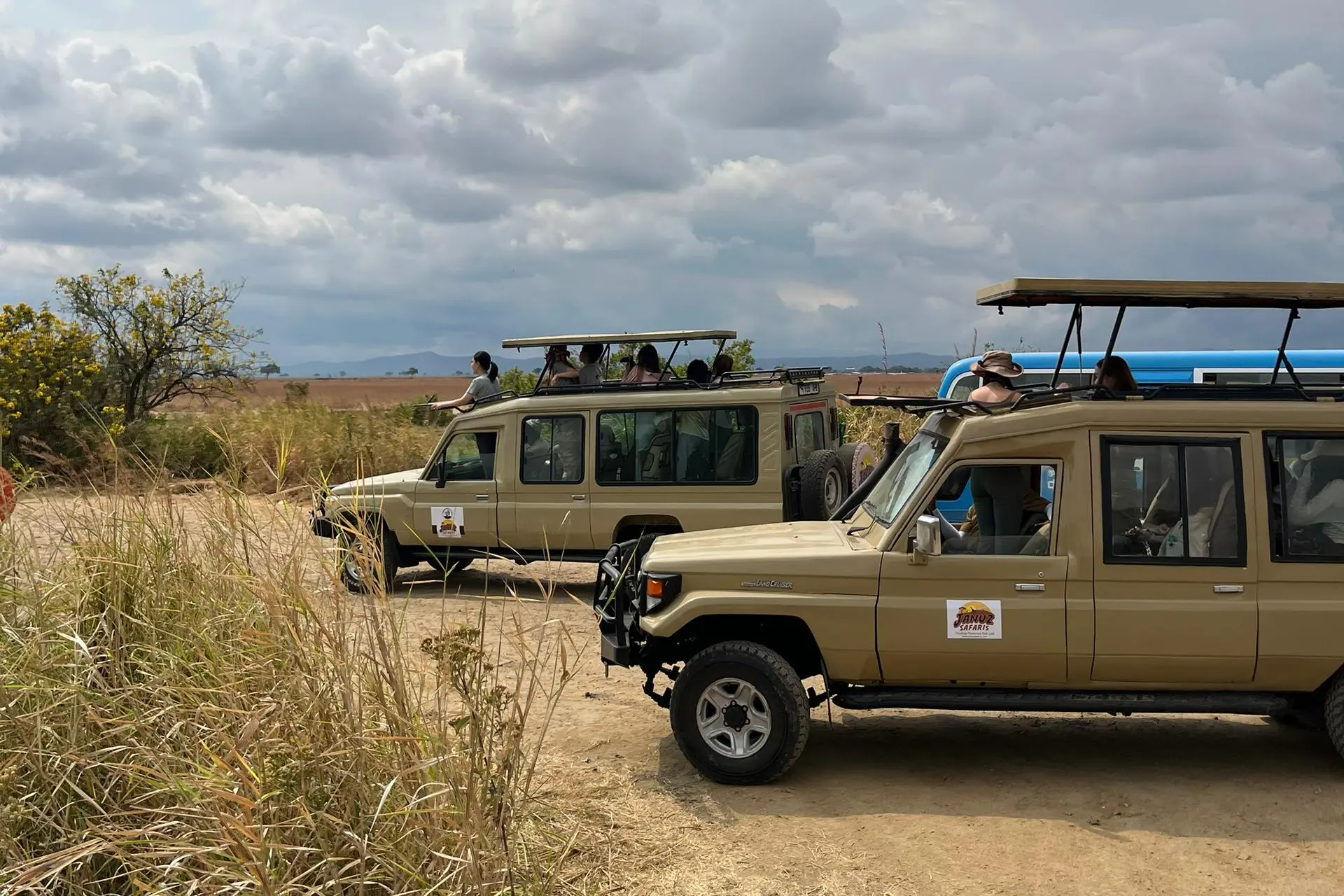
Morning Game Drive — Golden Hour
The most productive time of day. Predators are still active from their nighttime hunts. Lighting is spectacular for photography. Your guide scans the horizon for movement.
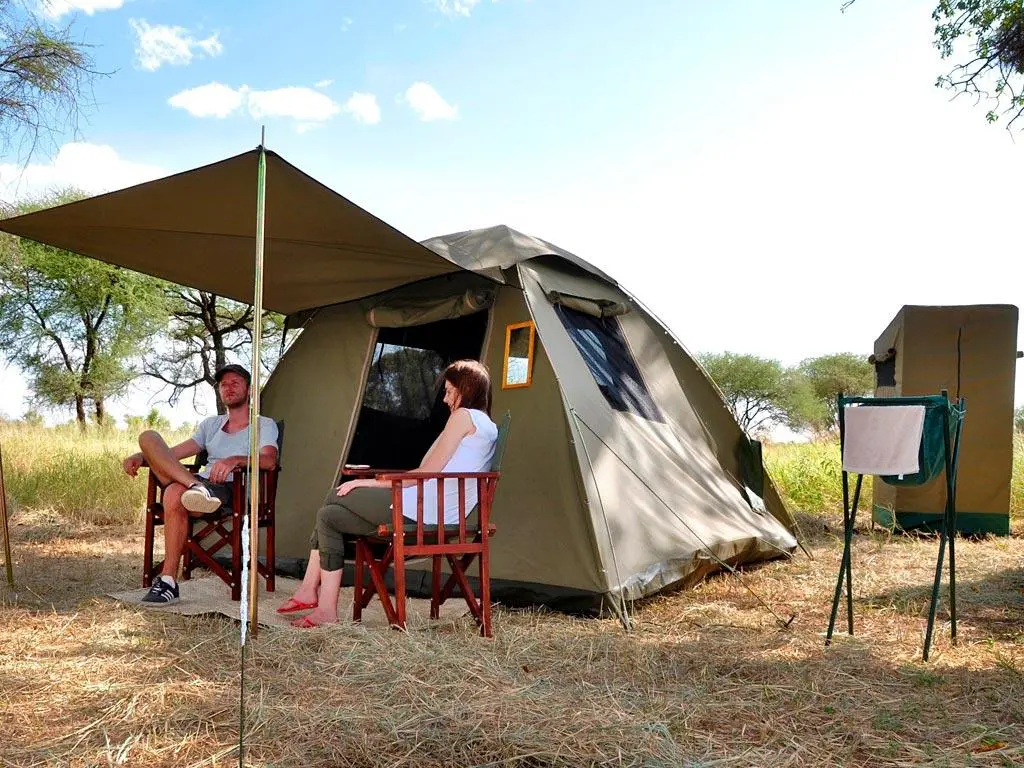
Bush Breakfast or Return to Camp
Many guides prepare a full bush breakfast at a scenic spot — eggs, sausages, toast, fruit, coffee. Otherwise, return to the lodge for a full buffet.
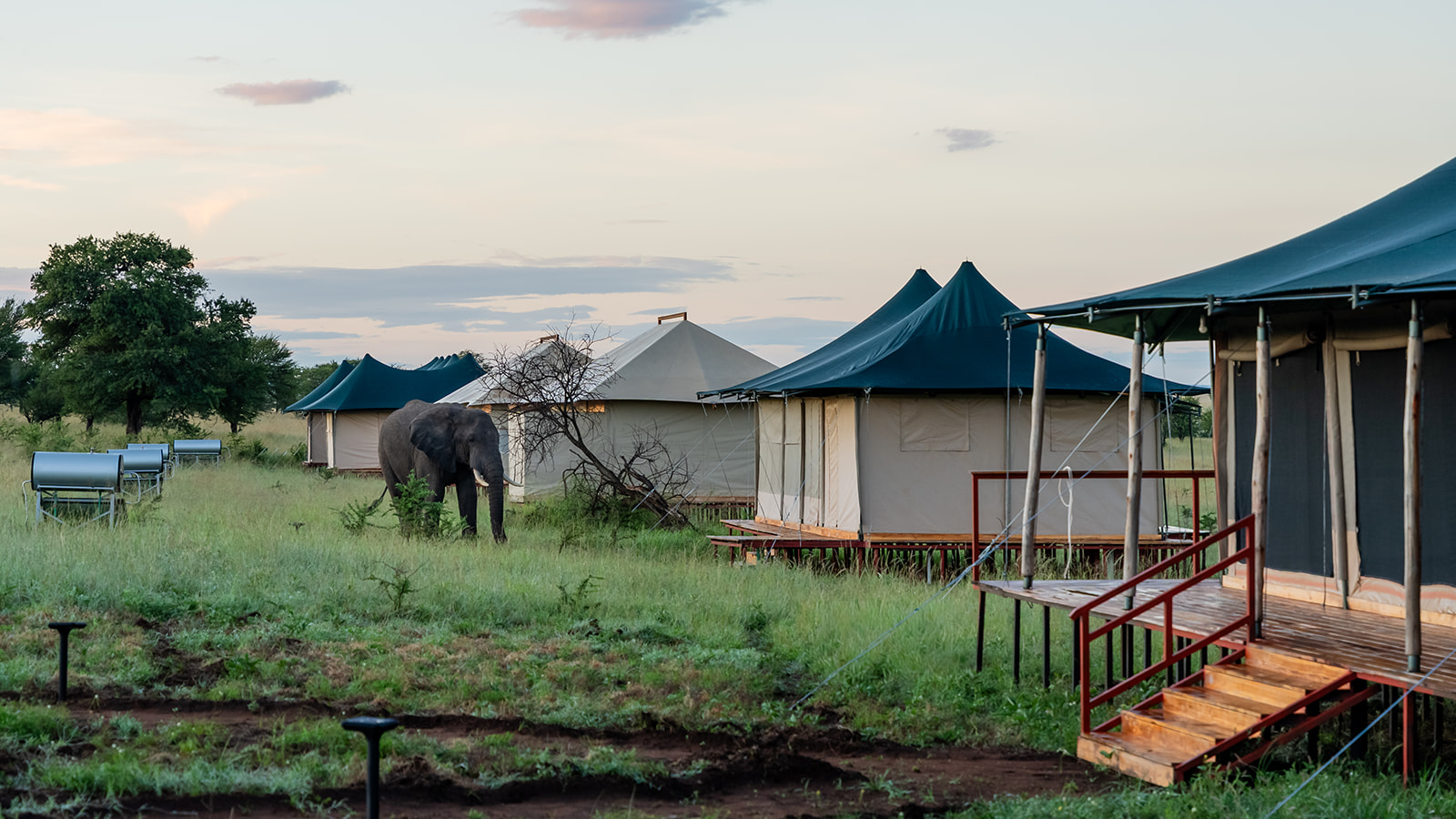
Rest & Relax at Camp
Midday is hot and most animals rest in the shade — so should you. This is pool time, book time, or nap time. Download your photos, journal, and recover energy.
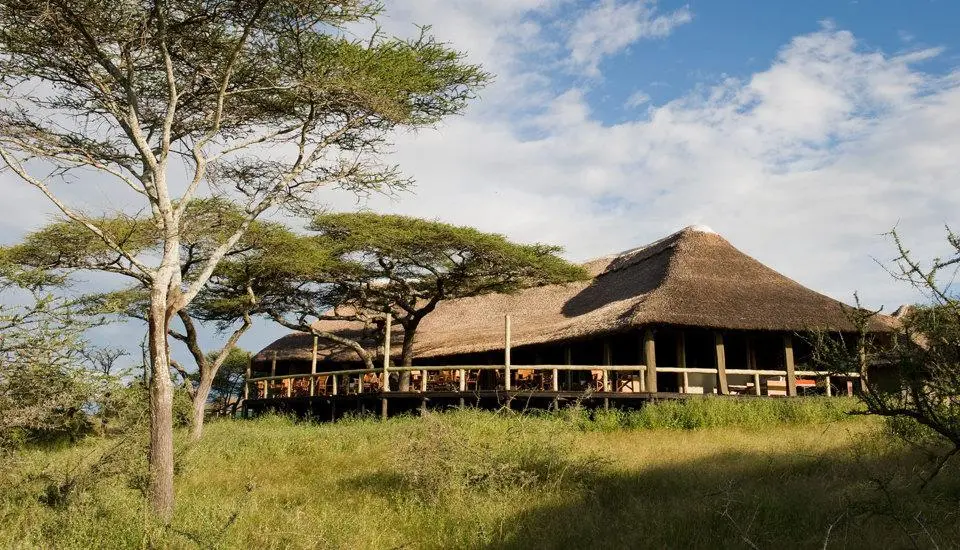
Lunch
Three-course lunches are typically served at the lodge or camp. Fresh local produce, often including Swahili dishes, grilled meats, and seasonal fruit.
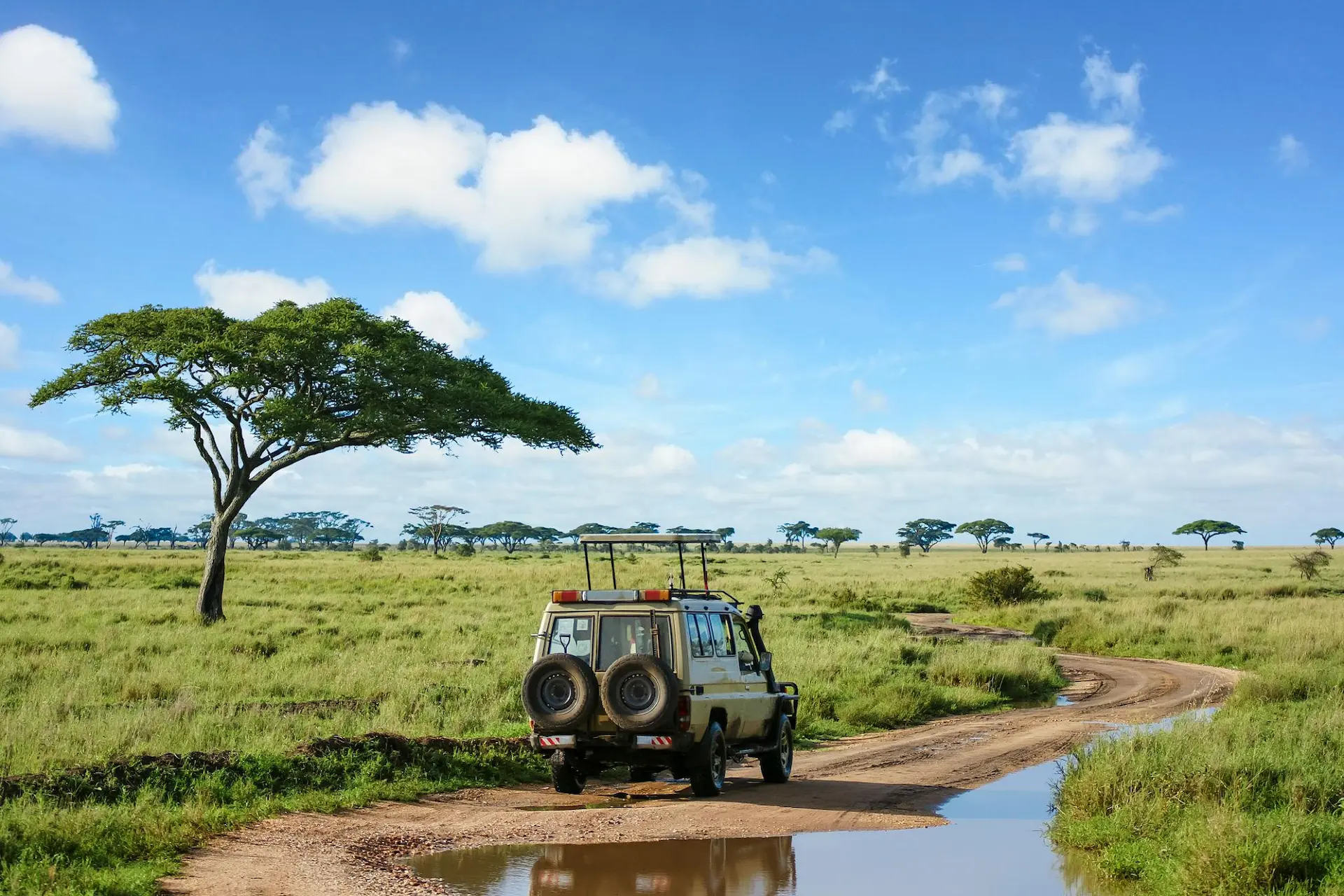
Afternoon Game Drive
As the heat fades, animals re-emerge. Lions begin to stretch and hunt. Elephants head to waterholes. Cheetahs scan from elevated ground.
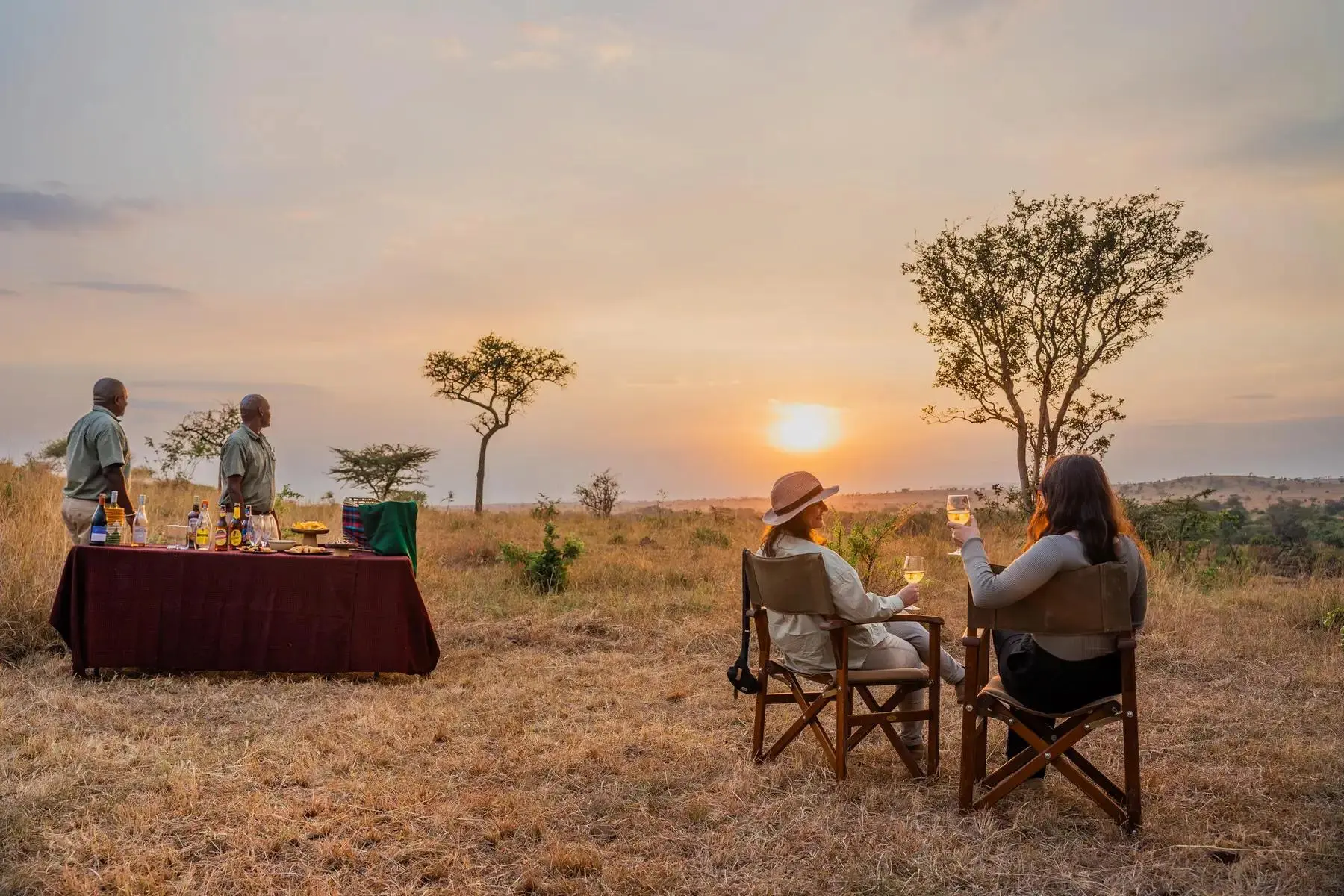
Sundowners
Your guide finds a scenic spot and sets up drinks and snacks. You watch the African sunset with a cold beer or gin & tonic, listening to the wilderness around you.
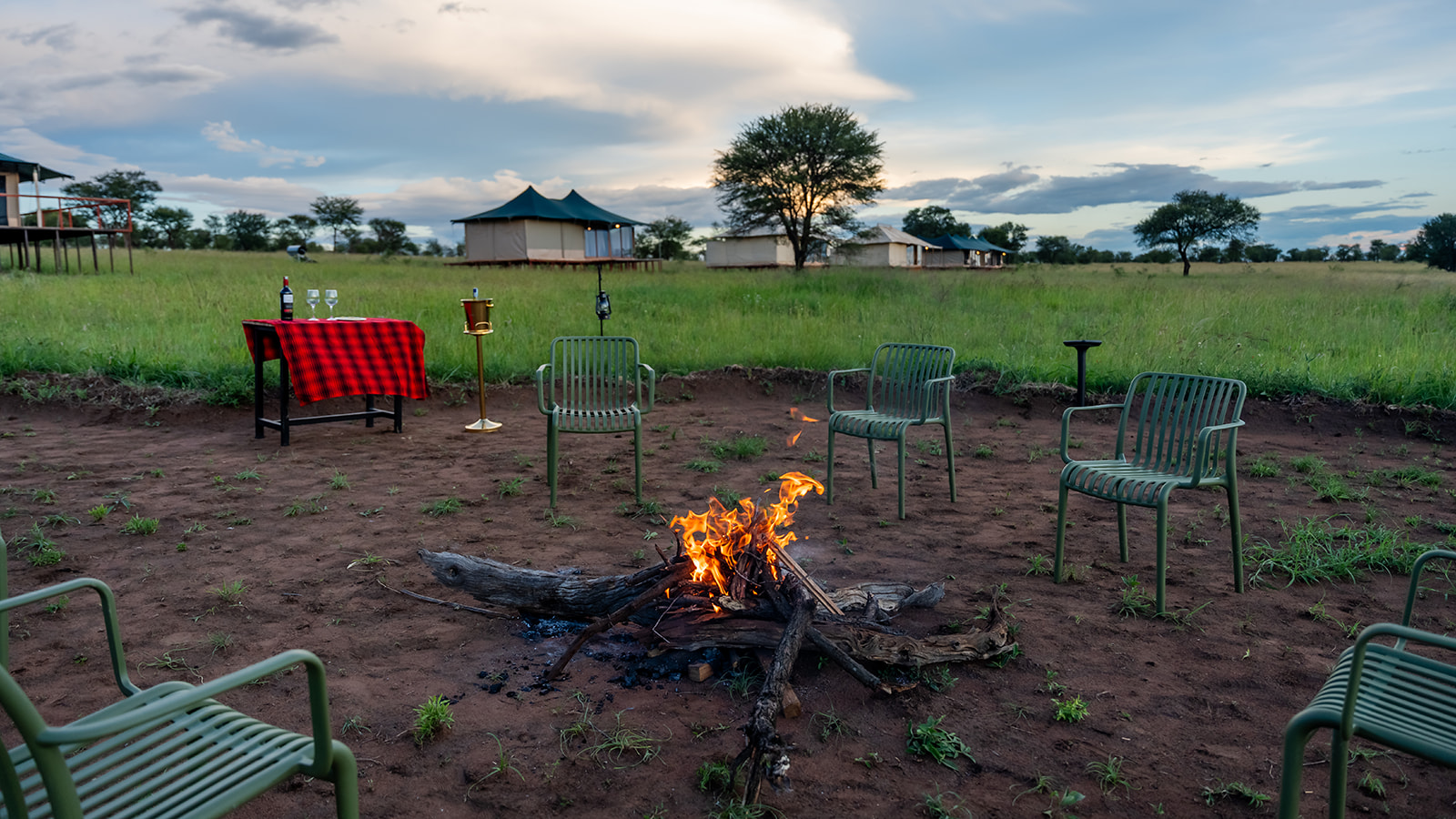
Dinner & Campfire
Back at camp, dinner is a three-course affair. Many camps host campfire dinners under the stars — flickering lights, night sounds, and conversation.
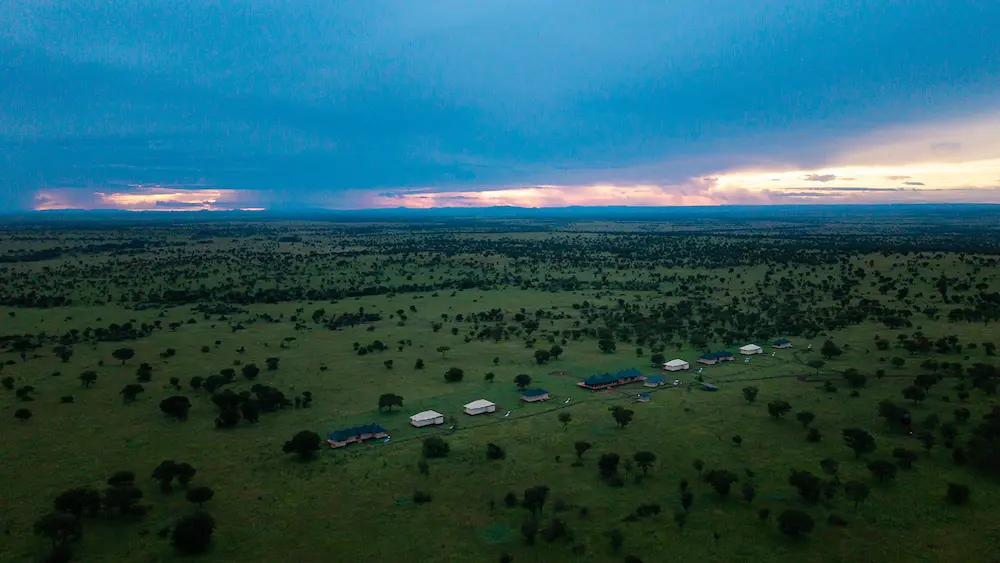
Sleep — In the Wild
Fall asleep to the sounds of the bush — lions calling, hyenas whooping, insects singing. In tented camps, the canvas is the only thing between you and the wilderness.
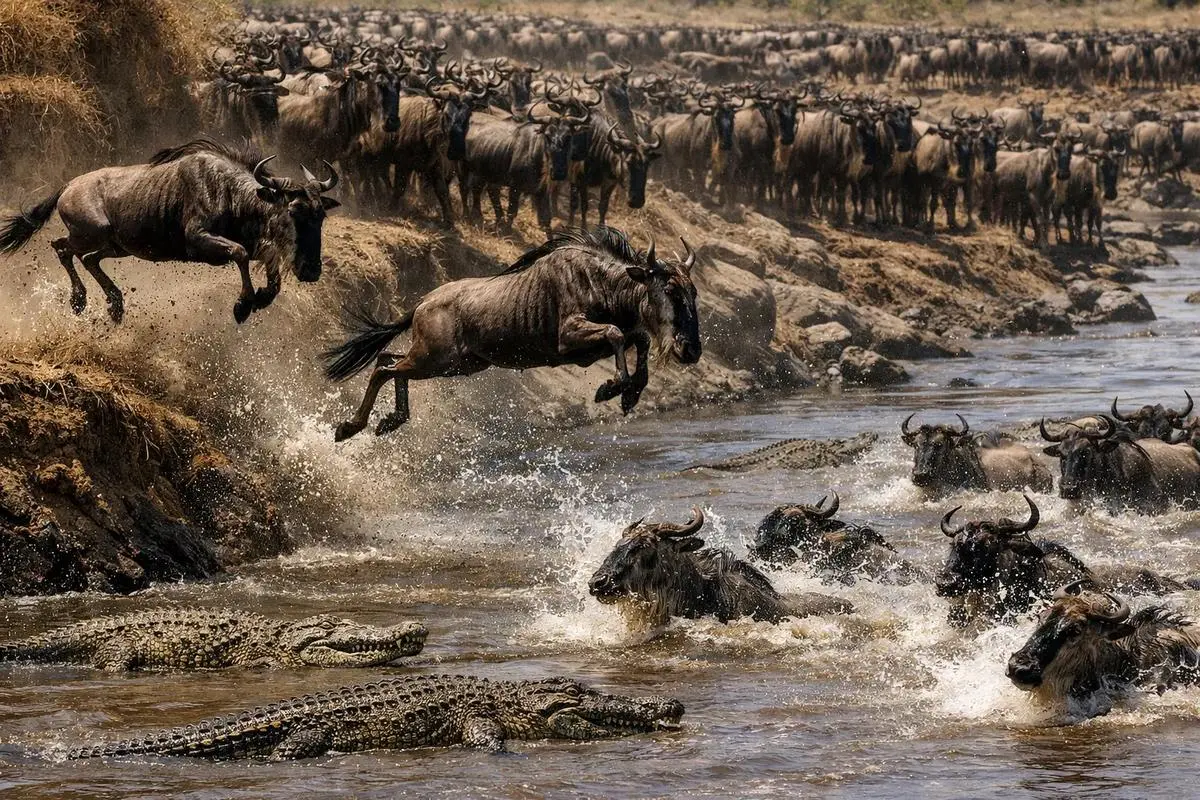
The largest overland animal movement on Earth. 1.5 million wildebeest, 200,000 zebra, and 300,000 Thomson's gazelle circulate through the Serengeti–Mara ecosystem on an eternal clockwise loop, following the rains and the grass. You can witness this spectacle any time of year — the drama simply moves location.
| Season | Months | Conditions | Migration Phase | Crowds | Rating |
|---|---|---|---|---|---|
| Dry Peak | Jul – Oct | Sunny, cool mornings, animals at waterholes | Mara River crossings | High | Excellent |
| Calving Season | Jan – Feb | Hot and dry, 8,000 calves born daily | Southern Serengeti | Medium | Very Good |
| Short Rains | Nov – Dec | Warm, brief afternoon showers, green | Heading south | Low-Med | Good |
| Early Dry | Jun | Dry conditions beginning, uncrowded | Grumeti crossings | Medium | Good |
| Long Rains | Mar – May | Wettest months, muddy tracks, low rates | Migrating north | Very Low | Fair |
Expert Timing Tips
Safari Do's — Always
- Keep noise to a minimum near animals. Speak in low voices. Turn off ringtones before entering the park.
- Stay inside the vehicle at all times unless your guide explicitly says otherwise. This is for your safety.
- Wear neutral colours — khaki, olive, beige. Bright colours and white can disturb animals.
- Apply insect repellent (DEET-based) and sunscreen (SPF 50+) every morning and after lunch.
- Drink plenty of water — dehydration in the African heat happens faster than you expect.
- Ask your guide before photographing local people, especially Maasai. Respect is essential.
- Take all litter back to camp. Never throw anything out of the vehicle — animals can ingest plastic.
- Sleep with windows and doors closed at night. Mosquito nets must be tucked in at all edges.
- Carry a torch (flashlight) at all times after dark. Use it between tent and dining area.
- Take your malaria tablets exactly as prescribed — missing doses reduces effectiveness significantly.
Safari Don'ts — Never
- Never get out of the vehicle unless explicitly instructed by your guide. Even "calm" animals can charge without warning.
- Never feed animals — not chips, not fruit, nothing. Habituated animals become dangerous.
- Never walk alone at night outside your tent. Always call for an armed escort.
- Don't use a flash camera near lions and other animals — it can startle them.
- Don't wear bright colours, white, or floral patterns on game drives.
- Never make sudden movements or loud noises near wildlife.
- Don't take plants, rocks, shells, or any natural materials out of national parks.
- Don't drive off-road without guide permission. Vehicles must stick to designated tracks.
- Never leave food or rubbish in your tent — it attracts animals including hyenas.
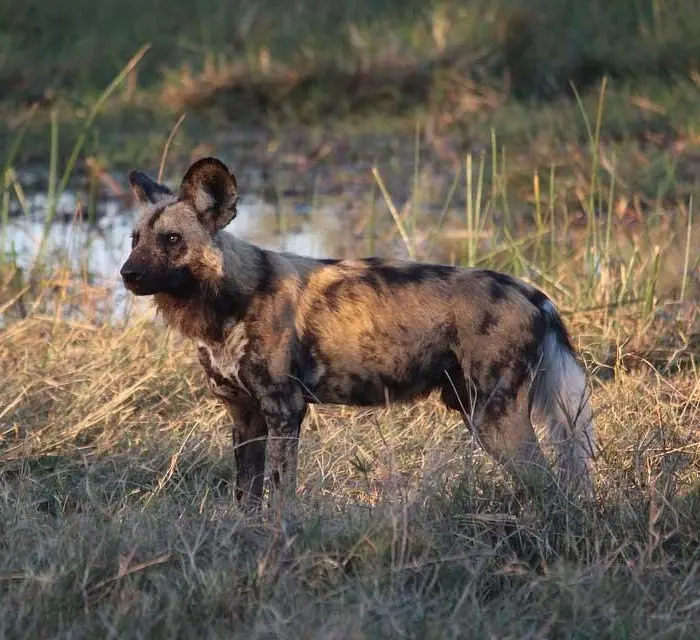
- Don't post locations of endangered animals (rhinos, wild dogs) publicly on social media.
Honest answer: WiFi and mobile signal in Tanzania's national parks ranges from slow to non-existent. This is part of the experience — you disconnect from the digital world to reconnect with the natural one. But with the right preparation, staying in touch when it matters is absolutely possible.
In Cities & Towns
Arusha and Dar es Salaam have reliable 4G/LTE coverage and fast WiFi at hotels, restaurants, and cafes.
- →Buy a local SIM at the airport (Vodacom or Airtel)
- →10GB of data costs around $5–10 USD
- →WhatsApp and social media work fine
Mid-Range Lodges
Most mid-range lodges and tented camps offer WiFi in common areas. Signal is usually slow — adequate for messaging and email.
- →WiFi typically only in dining/lounge areas, not tents
- →Expect 1–5 Mbps
- →WiFi is often password-protected
Luxury Camps
Top-tier camps and lodges typically offer Starlink satellite internet in common areas and sometimes in-tent.
- →Some camps now offer Starlink with 20–50 Mbps
- →Schedule work calls for morning before game drives
- →Ask specifically about connectivity when booking
Inside National Parks
No WiFi. No reliable mobile signal. This is intentional and wonderful.
- →Download offline maps (Maps.me or Google Maps) before you go
- →Download music, podcasts, and books for downtime
- →Enjoy the disconnection
Local SIM Card
Buying a Vodacom or Airtel Tanzania SIM card at the airport is the best connectivity decision.
- →Cost: ~$2 for SIM + $5–10 for 10GB data
- →Requires your passport for registration
- →Buy at JRO or DAR airport arrivals
- →Works on most unlocked international phones
Before You Go — Checklist
Prepare your digital life before departure so the lack of connectivity doesn't cause stress.
- →Tell family/friends WiFi will be limited inside parks
- →Download offline content (maps, entertainment)
- →Set email auto-responder for safari days
- →Share your full itinerary with someone at home
- →Check if your lodge has emergency satellite phone
Malaria Prevention
Malaria is present in Tanzania. Prevention is straightforward and effective when all three steps are followed:
- •Take antimalarial tablets exactly as prescribed
- •Use DEET mosquito repellent (30–50%) morning and evening
- •Sleep under a mosquito net, properly tucked in
- •Wear long-sleeved clothing at dawn and dusk
- •Consult your GP or travel clinic 4–6 weeks before departure
Required & Recommended Vaccines
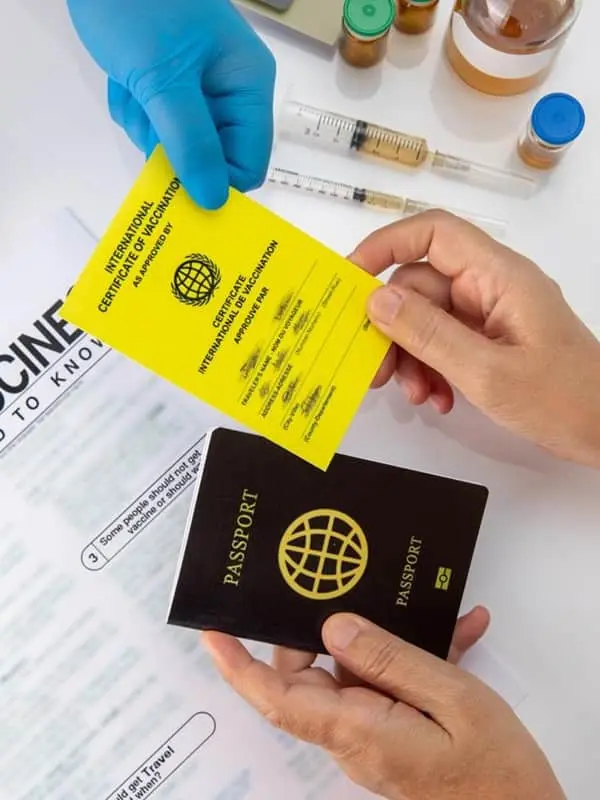
Required: Yellow Fever certificate if arriving from an endemic country.
- •Hepatitis A & B (highly recommended)
- •Typhoid vaccine
- •Tetanus/diphtheria booster
- •Meningitis vaccine recommended
- •Rabies pre-exposure vaccine for extended trips
- •COVID-19 vaccination documentation (check current requirements)
Sun, Heat & Altitude
Tanzania's sun is intense. The Ngorongoro Crater rim sits at 2,300 m — some guests experience altitude headaches.
- •Use SPF 50+ sunscreen and reapply every 2 hours
- •Wear a wide-brim hat on all game drives
- •Drink 2–3 litres of water per day
- •Rest on day of arrival if flying from high altitude
- •Altitude sickness medication available if required
Medical Facilities
Tanzania has good medical facilities in Arusha and Dar es Salaam.
- •Arusha has international-standard clinics
- •AMREF Flying Doctors covers emergency evacuation
- •All our vehicles carry comprehensive first aid kits
- •Lodge staff trained in basic emergency response
- •Emergency satellite phone available at remote camps
Travel Insurance
Non-negotiable. You must have a policy covering emergency medical evacuation (minimum $500,000 recommended).
- •Emergency medical evacuation coverage required
- •Trip cancellation and curtailment protection
- •Baggage and equipment cover (especially cameras)
- •Pre-existing condition disclosure
- •Recommended: World Nomads, Battleface, or Allianz
Food & Water Safety
Food at reputable lodges and camps is safe and excellent. Water safety requires basic precautions.
- •Only drink bottled or filtered water
- •Don't drink tap water or use for brushing teeth
- •Ice at reputable lodges is made from filtered water
- •Carry rehydration sachets for stomach upset
- •Bring basic antidiarrhoeal medication (Imodium)
Public Campsites
Basic shared facilities within or adjacent to national parks. Bring your own tent or hire locally.
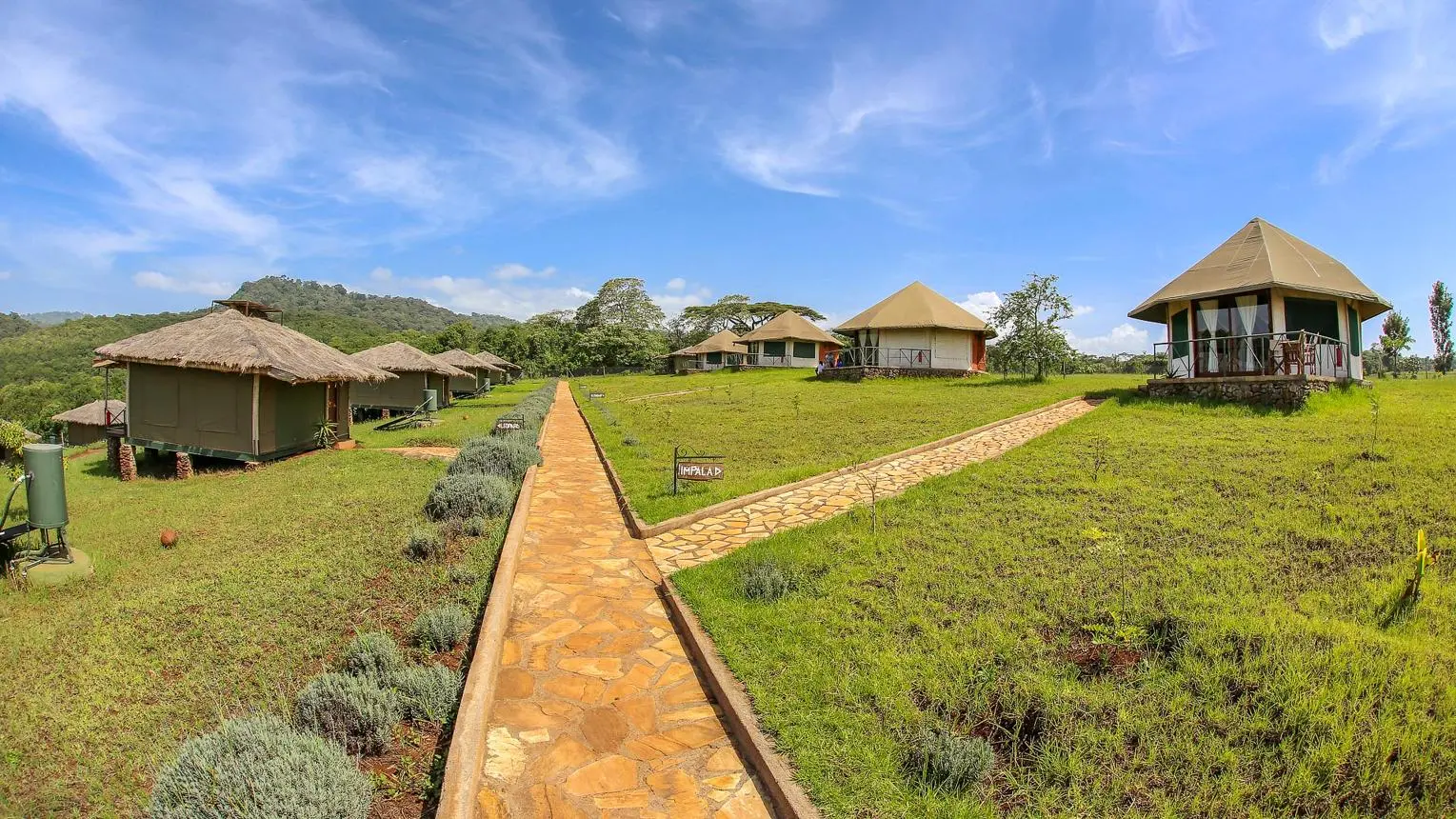
Tented Camps & Lodges
Comfortable en-suite tents or lodge rooms with full board, guided game drives, and classic bush atmosphere.
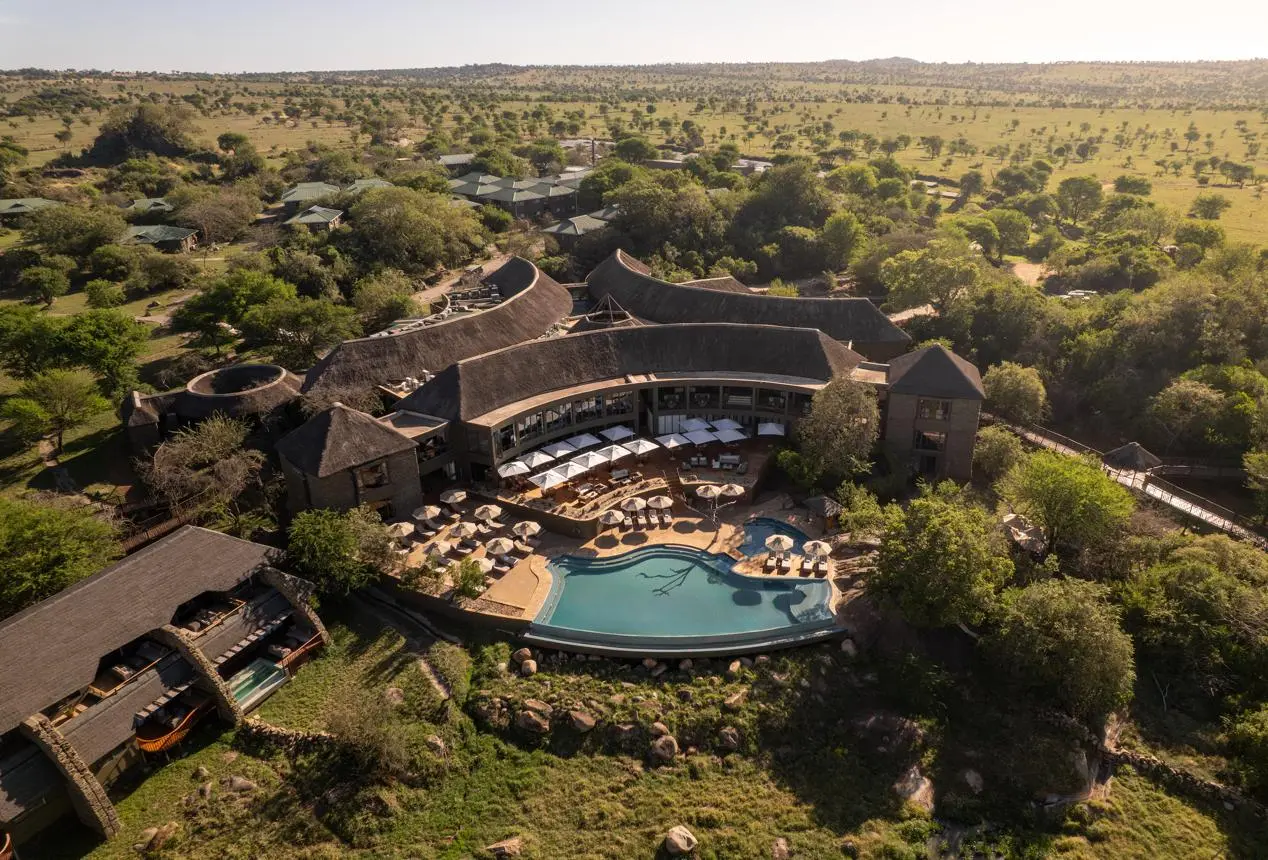
Luxury Lodges & Private Camps
Private plunge pools, world-class cuisine, exclusive conservancy access, Starlink internet.
Arrival — Kilimanjaro Airport → Arusha
Airport meet and greet, transfer to Arusha hotel. Gear briefing and orientation dinner with your lead guide.
Tarangire National Park
Full day among ancient baobabs and massive elephant herds. Evening game drive. Overnight at tented camp.
Lake Manyara
Morning drive searching for tree-climbing lions and flamingos. Afternoon transfer through the Great Rift Valley.
Ngorongoro Crater — Full Day
Descend 600 m into the world's largest intact volcanic caldera. Full day on the crater floor — all Big Five possible.
Serengeti National Park — Two Days
Two full days on the endless plains. Dawn and dusk game drives, sundowner drinks in the bush.
Departure — Serengeti → Kilimanjaro Airport
Final morning drive before flying out on a bush plane. International departures from Kilimanjaro.
Group departures, shared vehicles (6–8 pax), basic tented camps. Great value, sociable atmosphere.
- Shared 4×4 vehicle
- Budget tented camps
- Full board included
- Group guide
- Park fees included
Private vehicle, comfortable lodges, personalised guide, semi-luxury tented camps.
- Private 4×4 vehicle
- Comfortable lodges & camps
- All meals + beverages
- Private English guide
- All park fees & transfers
- WiFi in common areas
Exclusive camps, private conservancies, specialist guides, butler service, bespoke experiences.
- Exclusive-use camps
- Private conservancy access
- Specialist photographic guide
- All-inclusive premium bar
- Helicopter & balloon options
- Starlink WiFi at camp
What's Included vs. Extra
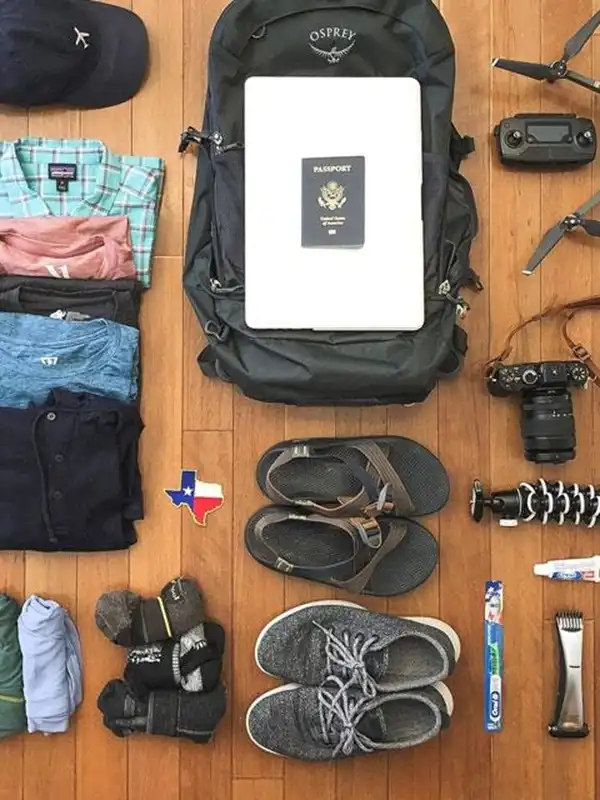
Luggage rule: Most bush flights and small safari vehicles have a strict 15 kg soft bag limit per person. Pack light. Use a soft-sided duffel bag, not a rigid suitcase — it must fit in vehicle luggage compartments and small plane cargo holds.
Clothing
Photography
Health & Safety
Essentials
Tell us when you want to go, how many are travelling, and what matters most to you. We'll send a free, personalised itinerary within 24 hours. No cost, no commitment.